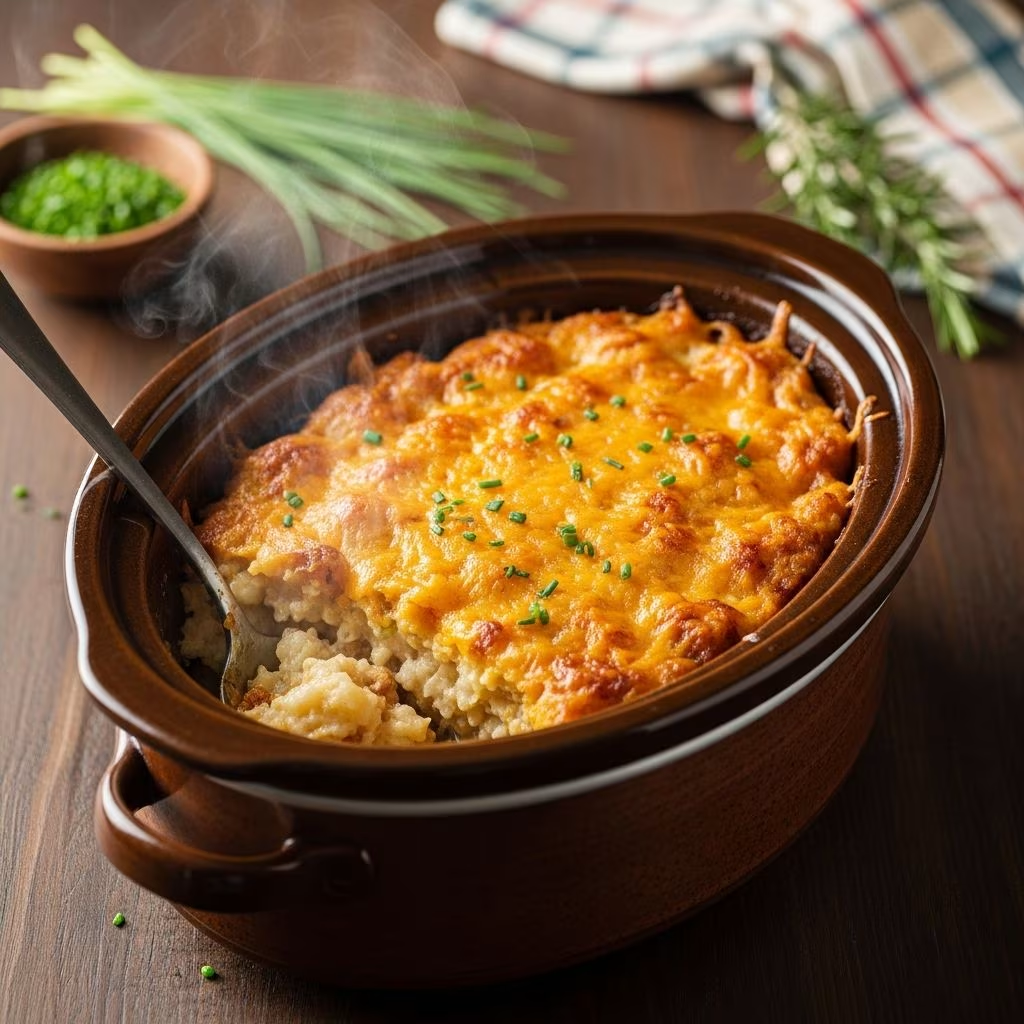
When it comes to preparing meals that satisfy a crowd without demanding hours in the kitchen, few dishes compare to a well-executed slow cooker hash brown casserole. This comforting breakfast staple combines humble ingredients—shredded potatoes, dairy products, and cheese—into a dish that tastes far more sophisticated than its simple preparation suggests. Whether you’re hosting a holiday gathering, planning a family brunch, or simply seeking a make-ahead breakfast option, this recipe delivers consistent results with minimal effort.
The beauty of preparing hash brown casserole in a slow cooker lies in its set-it-and-forget-it nature. Unlike oven-baked versions that require careful monitoring and precise timing, the slow cooker maintains a gentle, even heat that transforms individual ingredients into a cohesive, creamy dish. The extended cooking time allows flavors to meld while the potatoes absorb the surrounding liquid, creating a texture that’s neither mushy nor undercooked.
Understanding the Foundation Ingredients
The success of any hash brown casserole begins with understanding each component and its role in the final dish. While variations exist, the core ingredients remain consistent across most quality recipes.
Frozen Shredded Potatoes
Frozen hash browns serve as the foundation of this dish, providing bulk and substance. A standard recipe typically calls for 22 to 32 ounces of frozen shredded potatoes. The advantage of using frozen varieties over fresh potatoes lies in convenience—they require no peeling, shredding, or pre-cooking. The freezing process breaks down cell walls slightly, which actually aids in moisture absorption during slow cooking. Most recipes suggest using potatoes that are either partially thawed or still frozen, though allowing them to thaw slightly can help them distribute more evenly throughout the casserole mixture.
Cream-Based Soups
Condensed cream soups provide both moisture and flavor to the casserole. Cream of chicken soup appears most frequently in traditional recipes, though cream of onion or other cream-based varieties work equally well. A single 10.5-ounce can typically supplies sufficient binding liquid and richness to the dish. These soups contain enough sodium and seasoning that additional salt should be added cautiously, as over-salting is a common mistake.
Dairy Components
Sour cream and butter work together to create the creamy, rich texture that defines a successful hash brown casserole. Most recipes call for approximately one cup of sour cream and two to three tablespoons of butter. The sour cream contributes both moisture and a subtle tang that balances the richness of the cheese. Butter enhances overall flavor and aids in creating a silky mouthfeel. For those watching sodium intake, unsalted butter is preferable, allowing for better control over total salt content.
Cheese Selection and Quantity
Cheese serves as a primary flavoring agent and textural component. Cheddar cheese, whether sharp or mild, appears most frequently, though Colby Jack and other semi-firm cheeses also produce excellent results. Most recipes divide the cheese into two portions—approximately one cup mixed into the casserole during cooking and one cup stirred in near the end or used as a topping. This approach ensures both integrated cheese flavor and a delicious melted cheese layer on top.
Seasonings and Optional Enhancements
Salt and black pepper provide essential seasoning, though quantities should be modest given the existing sodium in cream soup. Many cooks incorporate additional ingredients such as diced onions, chopped scallions, crumbled bacon, or minced garlic to create a more complex flavor profile. These additions transform a simple casserole into a restaurant-quality dish suitable for special occasions.
Preparing Your Slow Cooker Station
Proper preparation ensures optimal results and prevents sticking or uneven cooking. Begin by spraying the interior of your slow cooker basin with non-stick cooking spray, paying particular attention to corners and the bottom. A 5 to 6-quart slow cooker accommodates standard recipes comfortably, though smaller cookers work if you reduce ingredient quantities proportionally. Ensure your slow cooker is clean and dry before beginning.
If preparing the casserole in advance, you may assemble all ingredients except cheese in the slow cooker basin up to eight hours before cooking. This strategy is particularly useful when planning a holiday brunch or weekend gathering. Simply cover the basin and refrigerate overnight, then proceed with cooking the following morning, though you may need to extend cooking time by 30 to 45 minutes if starting from a cold state.
The Basic Preparation Method
Creating a hash brown casserole follows a straightforward assembly process that requires minimal active time. Here’s the step-by-step approach:
- Combine frozen hash browns, sour cream, cream soup, butter, and half of the shredded cheese in the prepared slow cooker
- Season generously with salt and pepper, then stir thoroughly to ensure even distribution
- Cover the slow cooker and cook on low for four hours, or on high for approximately 2.5 to 3 hours
- During the final 20 to 30 minutes of cooking, stir in the remaining cheese until melted and fully incorporated
- Allow the casserole to rest for five minutes before serving, which helps it set slightly and improves texture
Creating a Loaded Variation
While the basic version satisfies most palates, a loaded variation transforms the casserole into a more substantial meal component. This enhanced version incorporates additional vegetables, proteins, and aromatics that elevate the dish from simple side to showstopper.
For the loaded version, increase frozen hash browns to 32 to 33 ounces and sour cream to 16 ounces to accommodate additional ingredients. Add one small diced onion, four chopped scallions (divided), 12 slices of cooked and chopped bacon (reserving some for garnish), and optional minced garlic. The added volume necessitates using a 6-quart slow cooker rather than a standard 5-quart model.
Assembly follows the same basic process, but distribute the bacon and scallions strategically—placing half mixed into the casserole and reserving half for garnishing the top layer. This approach ensures bacon flavor throughout while preserving some texture on the surface. The onion should be added at the beginning with other ingredients, while scallions intended for garnish are stirred in during the final minutes of cooking.
Temperature and Timing Considerations
Slow cookers vary considerably in actual temperature and cooking speed, even among the same brand and model year. Most recipes recommend cooking on low for approximately four hours, though some cookers may require only three and a half hours while others might need four and a half. Cooking on high reduces the time to approximately two and a half to three hours, though this setting risks overcooking the potatoes and creating an undesirably mushy texture.
The casserole reaches doneness when the potatoes are tender but still hold their shape, and the mixture appears set rather than liquid. A visual inspection after three hours of low cooking can help you determine whether additional time is needed. Once properly cooked, the casserole maintains quality in the slow cooker on the warm setting for up to an hour, making it ideal for gatherings where serving time might be staggered.
Oven-Based Alternative Method
Those without a slow cooker or preferring quicker cooking can prepare the same casserole in a conventional oven. Preheat the oven to 350 degrees Fahrenheit and prepare a 9-by-13-inch baking dish with non-stick cooking spray. Combine all ingredients except the reserved cheese in the dish, then decide on your preferred texture: leave uncovered for a slightly crispier top, or cover with aluminum foil if you prefer a moister final product.
Bake for 25 to 30 minutes until the potatoes are tender and the mixture is heated through. Add reserved cheese during the final five minutes and bake until melted. This method produces results comparable to the slow cooker approach in approximately one-third the time, though the more intense heat can occasionally create a drier texture if not monitored carefully.
Storage, Make-Ahead Strategies, and Reheating
Hash brown casserole stores well, making it an excellent candidate for advance preparation. Cooked casserole keeps refrigerated in an airtight container for up to four days. Reheat gently in a 325-degree oven for 15 to 20 minutes until warmed through, or transfer individual portions to a microwave-safe plate and warm at 50 percent power for three to four minutes to preserve texture.
For even greater convenience, assemble the casserole without cooking, then freeze in the slow cooker basin or a freezer-friendly baking dish for up to three months. Thaw overnight in the refrigerator before cooking, adding approximately 30 minutes to your cooking time if starting from cold. Some cooks freeze the cooked casserole and reheat it when needed, which works well for unexpected gatherings or spontaneous meal planning.
Serving Suggestions and Complementary Dishes
Hash brown casserole functions as a versatile dish that complements numerous other breakfast and brunch items. Serve alongside fresh fruit salads, warm pastries, or breakfast meats like sausage links and turkey bacon. The creamy, cheesy nature of the casserole pairs exceptionally well with lighter vegetable dishes and fresh green salads at lunch or dinner gatherings.
For complete breakfast presentations, offer the casserole alongside scrambled eggs, toast, and fresh berries. At holiday gatherings or family reunions, position the casserole as a side dish alongside ham, roasted turkey, or prime rib. The neutral, comforting flavor profile ensures it enhances rather than competes with other menu items.
Frequently Asked Questions
Can I thaw the hash browns before cooking?
Yes, partially thawing frozen hash browns before mixing helps them distribute more evenly throughout the casserole. However, fully thawed potatoes should be patted dry to remove excess moisture, which would otherwise dilute the casserole and prevent proper setting.
What type of cheese works best?
Sharp cheddar cheese provides the most traditional flavor, though mild cheddar, Colby Jack, Monterey Jack, or even Gruyere produce excellent results. Avoid pre-shredded varieties if possible, as they contain anti-caking agents that can create a grainy texture. Freshly shredded cheese melts more smoothly and creates a creamier final product.
Can I prepare this without cream soup?
Yes, replace the cream soup with one cup of heavy cream or half-and-half mixed with one-half teaspoon of chicken bouillon powder. This adjustment maintains moisture and adds richness without relying on canned soup.
How do I prevent the casserole from becoming too watery?
Ensure frozen hash browns are not waterlogged before use. If they appear icy or contain excessive moisture, spread them on a paper towel and let them air-dry for several minutes. Additionally, avoid adding extra liquid beyond the cream soup and sour cream specified in the recipe.
Is this recipe suitable for dietary restrictions?
The basic recipe contains dairy and eggs in some variations, making it unsuitable for vegan diets. However, vegetarian versions work well simply by omitting bacon. Those watching sodium should use low-sodium cream soup and unsalted butter, though this requires adjusting the salt measurement.
Conclusion
A slow cooker hash brown casserole represents one of the most reliable, forgiving recipes in the casual cook’s repertoire. The straightforward ingredient list combines with foolproof methodology to produce consistently excellent results suitable for intimate family gatherings or large holiday celebrations. Whether you choose the simple version or embrace the loaded variation, this casserole delivers comfort, convenience, and genuine flavor in every bite. Make it once, and it will likely become a recurring staple in your meal planning rotation.
References
- Slow Cooker Hashbrown Casserole — Kitchen Fun with My 3 Sons. https://kitchenfunwithmy3sons.com/slow-cooker-hash-brown-casserole/
- Slow Cooker Hashbrown Casserole—Cracker Barrel Copycat — Persnickety Plates. https://www.persnicketyplates.com/slow-cooker-hashbrown-casserole/
- Hashbrown Casserole Recipe (Slow Cooker / Crockpot) — Cottonwood Limited. https://cottonwoodlimited.com/blogs/crowd-pleasing-food/hashbrown-casserole-recipe-slow-cooker-crockpot
- Crockpot Hashbrown Casserole — Buns In My Oven. https://www.bunsinmyoven.com/crockpot-hashbrown-casserole/
- Crock Pot Hash Brown Casserole — The Country Cook. https://www.thecountrycook.net/crock-pot-hash-brown-casserole/