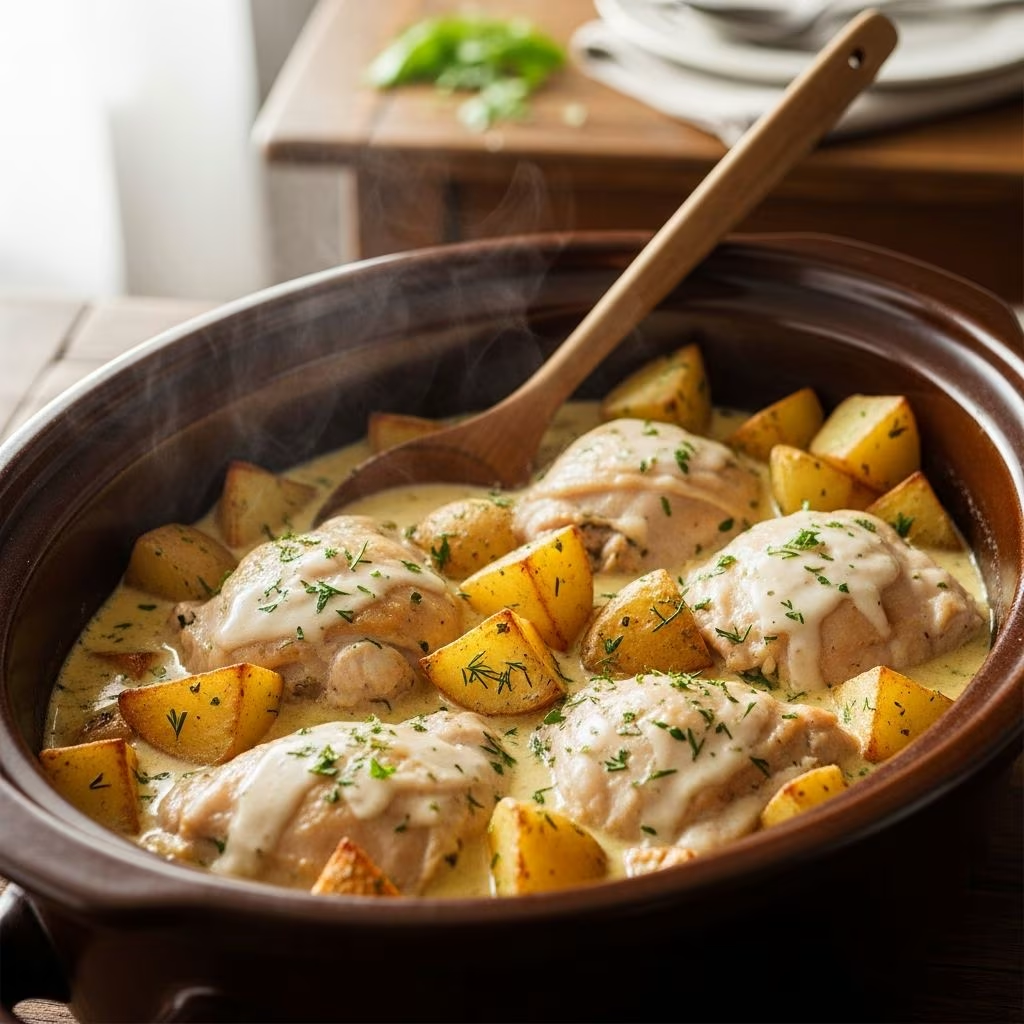
Weeknight dinners become effortless when you rely on slow cooker recipes that deliver restaurant-quality results with minimal hands-on effort. A comforting combination of tender chicken and potatoes coated in a luscious garlic Parmesan sauce represents the type of meal that satisfies the entire family while requiring only basic preparation skills. This one-pot approach eliminates multiple cooking vessels and cleanup, making it an ideal solution for busy schedules.
Understanding the Appeal of Slow Cooker Chicken Dinners
Slow cookers have revolutionized how home cooks approach weeknight meal preparation. The gentle, prolonged cooking method allows flavors to develop and meld while proteins and vegetables become incredibly tender. Unlike traditional stovetop methods that demand constant monitoring and precise timing, slow cookers operate independently, transforming basic ingredients into deeply satisfying meals.
The combination of chicken and potatoes represents a classic pairing that transcends cultural boundaries. When enhanced with garlic and Parmesan, these humble ingredients become something extraordinary. The creamy sauce that develops during the slow cooking process coats each component, ensuring every bite delivers consistent flavor and richness.
Essential Ingredients for Success
Building this dish requires straightforward components that most home cooks already maintain in their kitchens. Understanding each ingredient’s role helps you appreciate how simple elements combine to create complex flavors.
Protein Selection and Preparation
Chicken serves as the foundation of this recipe, and your choice between bone-in thighs, boneless breasts, or a combination affects both texture and cooking time. Bone-in, skin-on thighs deliver richer flavor and maintain moisture better during extended cooking, resulting in succulent meat that practically falls off the bone. Boneless, skinless breasts cook faster and provide a leaner protein option for those monitoring fat intake. Cutting chicken into uniform pieces ensures even cooking throughout the slow cooker.
Potato Selection and Sizing
Red potatoes and golden fingerlings work exceptionally well in slow cooker applications because their waxy texture prevents excessive mushiness during the extended cooking period. Cutting potatoes into similar-sized pieces, typically quarter-inch to half-inch pieces, promotes even cooking and ensures they become tender simultaneously with the chicken. Leaving skins intact adds nutrition and prevents pieces from disintegrating into the sauce.
The Sauce Components
Garlic serves as the aromatic foundation, providing both sharpness and depth when minced or incorporated as powder. Fresh minced garlic offers brighter flavor compared to powder, though both work effectively in slow cooking applications. Parmesan cheese contributes umami richness and a distinctive savory quality that elevates the entire dish. Using freshly grated Parmesan rather than pre-shredded varieties ensures better melting and smoother sauce development.
Cream cheese or heavy cream transforms the cooking liquid into a luxurious sauce without requiring additional thickening agents. These dairy components distribute the Parmesan flavor evenly while creating the characteristic creamy texture that makes this dish so comforting. Additional mozzarella cheese can be stirred in during the final cooking stages for extra richness.
Seasonings and Herbs
Beyond garlic and Parmesan, dried herbs like basil, oregano, thyme, and rosemary provide depth and complexity. Salt and freshly ground black pepper allow other flavors to shine while ensuring proper seasoning balance. Fresh parsley added as garnish contributes brightness and visual appeal to the finished dish.
Fundamental Cooking Methodology
Preparation and Layering
Success in slow cooker cooking often depends on proper layering. Placing potatoes on the bottom of the cooker allows them to absorb liquid and cook through, preventing them from remaining hard. Arranging chicken pieces over the potatoes ensures the protein benefits from the steam rising from below. This strategic arrangement prevents potatoes from burning against the hot cooker sides and promotes even cooking throughout the vessel.
Searing Considerations
Many recipes recommend searing chicken in a skillet before slow cooking, while others skip this step. Searing creates a flavorful brown crust through the Maillard reaction, deepening the overall taste profile. For efficiency, some cooks combine ingredients directly in the slow cooker without preliminary searing, trading some depth for significant time savings.
Temperature and Timing Guidelines
Most slow cookers operate on two primary settings: low and high. Cooking on the low setting typically requires six to eight hours, allowing flavors to develop gradually and ingredients to reach perfect tenderness. The high setting accelerates cooking to two to four hours, though some recipes benefit from the extended cooking time that low settings provide. Chicken reaches food-safe internal temperatures at 165 degrees Fahrenheit; using a meat thermometer ensures you’ve achieved this threshold.
Step-by-Step Preparation Process
Step One: Ingredient Assembly
Gather all ingredients before beginning to ensure nothing gets overlooked. Wash and cut potatoes, mince garlic, measure Parmesan cheese, and prepare chicken. This mise en place approach streamlines the actual cooking process.
Step Two: Seasoning the Potatoes
Toss prepared potatoes with olive oil, salt, pepper, and any desired dried herbs. This coating ensures even seasoning throughout the dish and prevents potatoes from becoming bland during the extended cooking period.
Step Three: Slow Cooker Assembly
Place seasoned potatoes in the bottom of a six-quart slow cooker. Arrange chicken pieces evenly over the potatoes. Avoid stacking chicken too densely, which can result in uneven cooking.
Step Four: Sauce Preparation and Distribution
Combine cream cheese, garlic, Parmesan cheese, and any preferred sauce liquids in a separate bowl. Whisk ingredients until smooth before pouring evenly over chicken and potatoes. This ensures flavors distribute uniformly rather than concentrating in isolated areas.
Step Five: Cooking
Cover the slow cooker and set to either low for six to eight hours or high for three to four hours. Resist the urge to open the lid frequently, as this releases heat and extends cooking time unnecessarily.
Step Six: Final Cheese Addition
During the final ten to fifteen minutes of cooking, sprinkle additional Parmesan or mozzarella cheese over the top. The residual heat melts the cheese into the sauce, creating a luxurious finish.
Flavor Variations and Customizations
While the classic garlic Parmesan combination delivers outstanding results, this recipe welcomes numerous adaptations. Buffalo sauce can replace some of the cream cheese for those enjoying spicier profiles. Italian seasoning blends provide convenience without sacrificing quality. Sun-dried tomatoes, spinach, or mushrooms integrate seamlessly into the existing framework.
For lighter versions, substitute heavy cream with Greek yogurt added during the final minutes of cooking, preventing it from breaking under prolonged heat. Leaner chicken breasts work well for reduced-fat preparations, though they require shorter cooking times to prevent drying.
Serving Suggestions and Complementary Sides
This creamy chicken and potato combination satisfies as a complete meal but benefits from thoughtful accompaniments. Garlic bread soaks up the flavorful sauce. A crisp green salad with vinaigrette provides textural contrast and lightness against the rich main dish. Steamed broccoli or green beans add color and nutritional balance. Fresh crusty bread allows diners to capture every drop of sauce.
Make-Ahead and Storage Considerations
Most of the preparation can occur several hours ahead of cooking. Potatoes and chicken can be cut, and sauce ingredients combined the previous evening. Storing prepared components separately in the refrigerator and assembling them in the slow cooker the morning of serving maximizes convenience.
Leftovers refrigerate well for three to four days in airtight containers. Reheat gently on the stovetop with a splash of water to restore the sauce’s creamy consistency. This dish also freezes successfully for up to three months, making it an excellent candidate for meal-prep initiatives.
Common Challenges and Solutions
Potatoes Remain Firm
If potatoes haven’t reached desired tenderness at the suggested cooking time, they were likely cut too large or the slow cooker was too full. Future batches benefit from cutting smaller pieces and avoiding overcrowding. Extending cooking time by thirty minutes to one hour typically resolves this issue.
Sauce Separates or Becomes Grainy
Excessive heat or dairy products added at the wrong temperature can cause separation. Maintaining lower cooking temperatures and adding cream-based components carefully prevents this occurrence. Whisking well during assembly ensures smooth sauce development.
Chicken Becomes Tough or Dry
Overcooking causes moisture loss in chicken breast, though thighs resist drying better due to higher fat content. Checking for doneness slightly before the recommended time and using a meat thermometer prevents overshooting the target temperature. Boneless, skinless breasts benefit from shorter cooking times than bone-in varieties.
Nutritional Considerations
This dish provides substantial protein from chicken, carbohydrates from potatoes, and calcium from Parmesan cheese. The dairy content contributes saturated fat, though portioning appropriately and balancing with vegetable-heavy sides moderates overall intake. Using reduced-fat cream cheese and lighter dairy options reduces caloric density without significantly compromising flavor.
Why This Recipe Works for Modern Lifestyles
The minimal active preparation time combined with hands-off cooking appeals to professionals juggling multiple responsibilities. Setting the slow cooker in the morning allows meals to be ready by evening without last-minute decisions or ordering takeout. The versatility accommodates dietary preferences and ingredient availability without requiring entirely different recipes.
Frequently Asked Questions
Can I use frozen chicken?
Frozen chicken requires additional cooking time and may not cook evenly. Thawing chicken overnight in the refrigerator prior to cooking ensures better results and more reliable doneness.
What if I don’t have a six-quart slow cooker?
Scaling the recipe proportionally works with smaller cookers, though cooking times may vary slightly. Ensure ingredients don’t fill more than three-quarters of the cooker’s capacity for optimal results.
Can this recipe be adapted for instant pots?
Yes, instant pots cook this dish in approximately ten minutes at high pressure. Layer ingredients similarly and add slightly less liquid since instant pots don’t evaporate moisture as readily as slow cookers.
Is fresh garlic necessary, or can I use garlic powder exclusively?
Both work, though fresh garlic provides brighter flavor. Combining fresh and powder often delivers the best balance of intensity and complexity.
How do I prevent mushy potatoes?
Use waxy potato varieties, cut pieces uniformly into medium sizes, and check for doneness a bit earlier than suggested. Some slow cookers run hotter than others, requiring adjustment.
References
- USDA Food Safety and Inspection Service — United States Department of Agriculture. Safe internal temperature for poultry. https://www.fsis.usda.gov/food-safety/safe-food-handling-and-preparation/food-safety-basics/safe-temperature-chart
- Food Storage Guidelines: Refrigeration and Freezing — U.S. Food and Drug Administration. 2024. https://www.fda.gov/consumers/consumer-updates/are-you-storing-food-safely
- Maillard Reaction in Food Science — McGee, Harold. On Food and Cooking: The Science and Lore of the Kitchen. Scribner. 2004.
- Slow Cooker Cooking Methods and Safety — Cornell University College of Agriculture and Life Sciences. Food Safety for Home Cooks. https://ecommons.cornell.edu
- Protein Content and Nutritional Analysis — USDA FoodData Central. Chicken and potato nutritional composition. 2024. https://fdc.nal.usda.gov