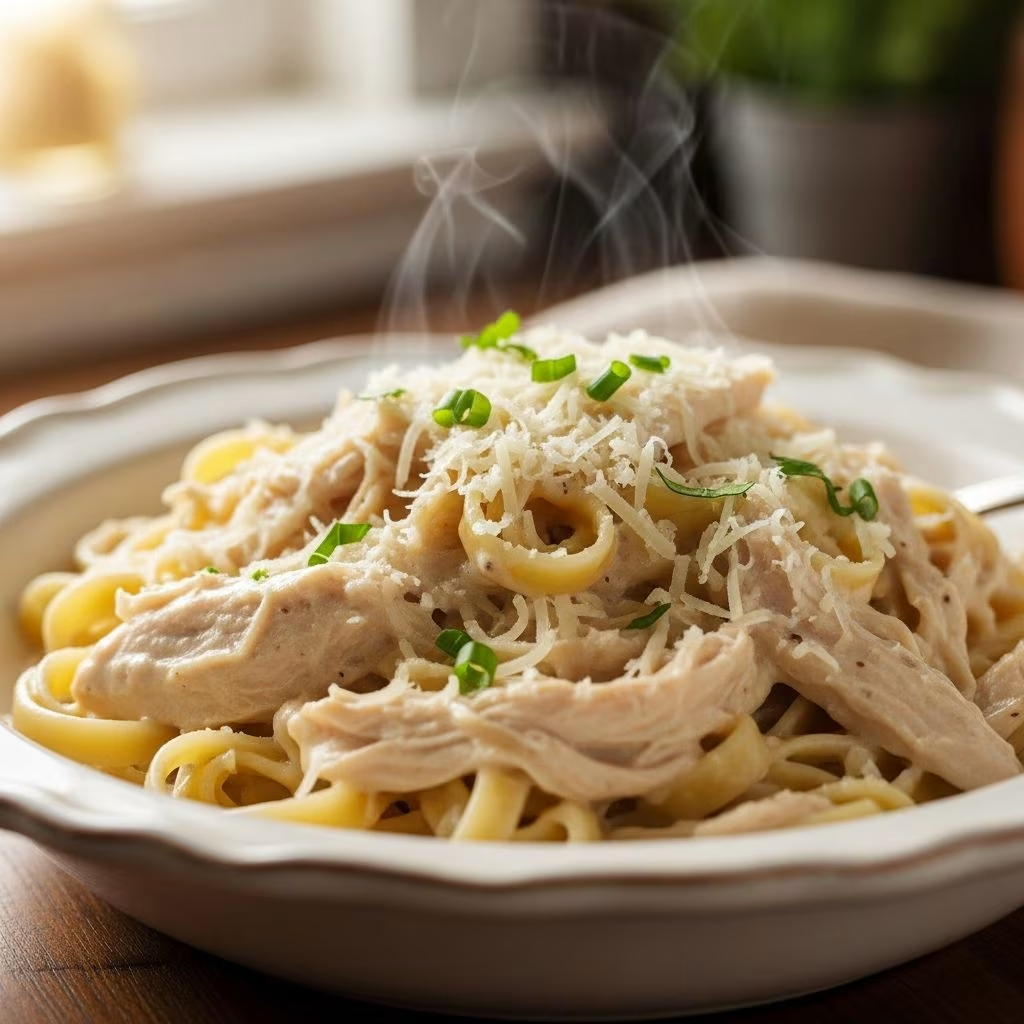
When life gets hectic, the last thing you want to worry about is spending hours in the kitchen preparing dinner. Slow cooker chicken Alfredo solves this problem by transforming a classic Italian-American dish into a hands-off meal that requires minimal active cooking time. This versatile recipe combines tender chicken, silky cream sauce, and perfectly cooked pasta into one complete meal prepared entirely in your slow cooker. Whether you’re feeding a family of four or planning weeknight dinners for the month ahead, understanding the fundamentals of slow cooker Alfredo ensures consistent, delicious results every single time.
Why Slow Cooker Cooking Works for Alfredo Dishes
Traditional stovetop Alfredo demands constant attention—stirring the sauce, monitoring heat levels, and coordinating pasta timing with sauce preparation. The slow cooker eliminates these demands by using moist heat and extended cooking times to develop flavors naturally while you attend to other responsibilities. Unlike oven-roasted chicken that can dry out, slow cooking keeps the meat incredibly juicy throughout the entire process. The gentle, consistent temperature prevents the heavy cream from breaking or separating, which often happens when traditional Alfredo sauce reaches too-high temperatures on direct heat.
The beauty of this cooking method lies in its flexibility. You can prepare ingredients in the morning and return home to a fully cooked dinner, or assemble everything during lunch prep for an evening meal. The slow cooker’s design naturally concentrates flavors as liquid slowly evaporates, creating a richer, more developed sauce than quick stovetop versions. This extended cooking time also allows seasonings to permeate the chicken and cream base thoroughly, resulting in superior flavor compared to rushed preparations.
Essential Components: Building Your Ingredient Foundation
Success with slow cooker Alfredo begins with understanding each ingredient’s role in the final dish. The foundation starts with quality chicken breasts, preferably boneless and skinless varieties that cook evenly and absorb surrounding flavors. Two substantial chicken breasts provide enough protein for most family servings while fitting comfortably in standard slow cooker sizes.
Heavy cream forms the sauce’s backbone, creating that signature luxurious texture Alfredo is known for. This ingredient should never be omitted or substituted with lower-fat alternatives if you want authentic results. Chicken broth serves a dual purpose: it thins the sauce to achieve ideal consistency and adds savory depth that complements the cream’s richness. Low-sodium versions give you control over final salt levels.
Butter adds essential fat that creates silky mouthfeel and carries fat-soluble flavors throughout the dish. Parmesan cheese should be freshly grated rather than pre-shredded when possible, as the latter contains anti-caking agents that prevent smooth melting and create grainy texture. The pasta itself—traditionally fettuccine, though rigatoni and other shapes work—should be dried rather than fresh for slow cooker applications.
Spice Profile and Seasoning Strategy
The aromatics and seasonings that distinguish exceptional Alfredo include garlic powder, Italian seasoning blend, onion powder, black pepper, and salt. Some recipes incorporate subtle additions like red pepper flakes for gentle heat or nutmeg for warmth and complexity. Rather than adding these seasonings at the end, incorporating them during the initial cooking stage allows them to dissolve completely and distribute evenly throughout the sauce.
The timing of salt addition matters significantly. Adding salt early means it dissolves thoroughly, but you must taste the final dish and adjust if needed. Many cooks prefer reserving a portion of salt for final seasoning after all components combine, giving them control over the exact flavor intensity.
The Three-Stage Cooking Process Explained
Stage One: Chicken Preparation and Initial Cooking
Begin by adding chicken breasts to your slow cooker along with heavy cream, chicken broth, and all dry seasonings. The seasonings should be stirred thoroughly to ensure even distribution throughout the liquid. Cover and cook on high heat for approximately two hours, or on low heat for three to five hours, depending on your specific slow cooker model and chicken thickness. The goal is reaching an internal temperature of 165°F at the thickest part of the chicken, verified with an instant-read thermometer.
This stage develops the cream-based sauce while gently cooking the chicken to perfect tenderness. The extended cooking time allows seasonings to fully integrate and flavors to deepen. After the chicken reaches proper temperature, remove it to a cutting board and allow it to cool slightly before shredding with two forks. The shredding process breaks the meat into bite-sized pieces that distribute evenly throughout the final dish.
Stage Two: Pasta Introduction and Cook-Through
With the chicken resting, add your dried pasta directly to the remaining sauce in the slow cooker. If the pasta doesn’t fit, breaking it in half lengthwise makes it more manageable. Stir thoroughly to ensure every noodle contacts the sauce, adding more broth if the mixture appears too thick. Return the slow cooker to high heat and cook uncovered for twenty to forty minutes, depending on your equipment’s heating intensity and pasta thickness.
During this stage, monitor the pasta for tenderness by testing occasionally. The sauce continues reducing during pasta cooking, concentrating flavors further while the noodles absorb seasoned liquid and become coated with the cream base. Aim for al dente texture—tender but still slightly firm with a bit of bite, not soft or mushy.
Stage Three: Finishing and Flavor Development
Return the shredded chicken to the slow cooker along with freshly grated Parmesan cheese. Toss everything together thoroughly, ensuring the cheese melts completely and the chicken reintegrates into the dish. Cook uncovered for five to eight additional minutes on high, just long enough for the cheese to melt and the sauce to reach the proper consistency where it clings gently to each piece of pasta and chicken.
Taste the final dish and adjust seasonings as needed. If the sauce seems too thick, adding more chicken broth in small amounts gradually reaches your preferred consistency. For additional savory depth, extra Parmesan works well. Fresh parsley garnished over individual servings adds color, freshness, and a mild herbal note that brightens the rich dish.
Ingredient Comparison Chart
| Ingredient | Purpose | Substitution Notes |
|---|---|---|
| Chicken Breasts | Protein base that becomes tender through slow cooking | Thighs work but require longer cooking; avoid ground chicken |
| Heavy Cream | Creates rich, luxurious sauce texture | Half-and-half reduces richness; avoid low-fat dairy |
| Chicken Broth | Thins sauce to ideal consistency and adds flavor | Vegetable broth works but changes flavor profile |
| Butter | Adds silky texture and fat-soluble flavor delivery | Cannot be effectively substituted without texture changes |
| Parmesan Cheese | Adds savory umami and creamy richness | Freshly grated results superior to pre-shredded varieties |
| Dried Pasta | Provides textural component and starch base | Various shapes work; adjust cooking time as needed |
Timing Variations for Different Schedules
The flexibility of slow cooker cooking means you can adapt timing to your specific situation. For weekday preparations, cooking the chicken on high heat for two hours compresses the overall cooking window when you’re pressed for time. Weekend cooking sessions might use low heat for four hours, allowing you to prepare other components or simply have more flexibility throughout the day.
If you want the entire meal prepared by a specific mealtime, calculate backward from your target serving time. Add one hour for chicken cooking, thirty to forty minutes for pasta, and ten minutes for final assembly. This means a seven-o’clock dinner requires starting the process around five o’clock at the latest.
Common Challenges and Practical Solutions
Sauce Becomes Too Thick: This occurs when liquid evaporates beyond your preference. Solve this by adding chicken broth in quarter-cup increments, stirring between additions until reaching desired consistency. Some cooks prefer thicker sauce that clings heavily to pasta; others prefer it looser and more flowing.
Pasta Remains Too Firm: Increase cooking time in five-minute increments. Pasta thickness varies between brands, affecting cook time. Older pasta sometimes cooks faster than newer varieties due to moisture content differences.
Chicken Tastes Dry or Tough: This usually indicates cooking beyond the 165°F target temperature. Use an instant-read thermometer to catch chicken at the exact moment it reaches proper temperature. Slower, low-heat cooking for longer periods often produces more tender results than rushing with high heat.
Flavor Seems Bland: Taste during the final five-minute stage and adjust seasonings while there’s still time for them to distribute. Parmesan, salt, and pepper adjustments are easiest to incorporate at this point. Fresh herbs like parsley added just before serving provide brightness that masks perceived blandness.
Storage, Reheating, and Make-Ahead Tips
Slow cooker Alfredo stores well in airtight containers for up to three days refrigerated. The sauce may thicken further after cooling as residual cream solidifies. Reheat gently in a slow cooker on low heat or stovetop over medium-low heat, stirring frequently and adding small amounts of broth to restore desired consistency. Microwave reheating works but requires extra attention to prevent scorching.
For make-ahead preparation, you can assemble all ingredients in the slow cooker insert the night before, refrigerate the insert, and begin cooking the next morning. The cold start slightly extends cooking times, so add five to ten minutes to reach the 165°F chicken temperature. Do not freeze the prepared mixture before cooking, as frozen cream-based sauces separate when thawed.
Frequently Asked Questions
Can I use cream cheese instead of heavy cream?
Yes, many recipes successfully incorporate cream cheese. It creates an equally creamy sauce with slightly different mouthfeel. Use eight ounces of cream cheese as a substitute for one cup of heavy cream, reducing liquid slightly since cream cheese contains less water than heavy cream.
What’s the best pasta shape for this dish?
Fettuccine is traditional, but rigatoni, penne, and even spaghetti work well. Smaller shapes like ditalini cook faster and distribute the sauce more evenly. Avoid shapes prone to sticking together, like lasagna noodles.
Can I prepare this on low heat instead of high?
Absolutely. Cook the chicken on low for four to five hours instead of high for two hours. The final pasta cooking still happens on high for twenty to forty minutes to ensure proper texture development.
How do I prevent the sauce from breaking or separating?
The slow cooker’s gentle, moist environment naturally prevents breaking. Maintain steady heat throughout cooking and avoid extremely high temperatures during the pasta stage.
Can I add vegetables to this recipe?
Yes, add vegetables like broccoli, mushrooms, or spinach during the final pasta cooking stage, giving them just enough time to soften without becoming mushy. Avoid vegetables that release excessive water, like zucchini.
Final Thoughts on Mastering This Versatile Dish
Slow cooker chicken Alfredo represents the intersection of classic comfort food and modern convenience. By understanding the roles of each ingredient and following the three-stage cooking process, you gain confidence in consistently producing restaurant-quality results at home. The recipe adapts beautifully to different schedules, ingredient preferences, and family tastes, making it an invaluable addition to your regular meal rotation.
Whether you’re a busy parent seeking weeknight solutions, someone learning to cook, or an experienced kitchen enthusiast looking for hands-off alternatives to traditional methods, this slow cooker preparation delivers exceptional flavor without demanding constant attention. Start with the basic formula, taste frequently during the final stages, and feel empowered to adjust seasonings and ingredient proportions according to your personal preferences.
References
- Best Slow-Cooker Chicken Alfredo Recipe — Delish. 2024. https://www.delish.com/cooking/recipe-ideas/a55419/best-slow-cooker-chicken-alfredo-recipe/
- Slow Cooker Chicken Alfredo Recipe — The Pioneer Woman. 2024. https://www.thepioneerwoman.com/food-cooking/recipes/a63918859/slow-cooker-chicken-alfredo-recipe/
- Easy Slow Cooker Chicken Alfredo — Little Sunny Kitchen. 2024. https://littlesunnykitchen.com/slow-cooker-chicken-alfredo/
- The BEST Crockpot Chicken Alfredo — Valentina’s Corner. 2024. https://valentinascorner.com/crockpot-chicken-alfredo/
- Crockpot Chicken Alfredo Recipe — Easy Chicken Recipes. 2024. https://easychickenrecipes.com/crockpot-chicken-alfredo/