There’s something undeniably satisfying about coming home to the aroma of slow-cooked beef filling your kitchen. A properly prepared slow cooker beef roast delivers restaurant-quality tenderness with minimal effort, making it an ideal choice for busy weeknights or weekend family gatherings. While traditional pot roasts often include vegetables, focusing on the meat alone allows you to highlight the natural flavors and create a more versatile dish that pairs well with various side options.
Understanding the Best Cuts for Slow Cooking
Selecting the right beef cut forms the foundation of a successful slow cooker roast. Not all beef cuts respond equally to moist, low-heat cooking methods. The ideal candidates are those with sufficient marbling—visible fat distributed throughout the muscle fibers—which breaks down during the long cooking process and keeps the meat incredibly moist and flavorful.
Chuck roast stands as the gold standard for slow cooking applications. This cut comes from the shoulder area and contains enough connective tissue and intramuscular fat to transform into fork-tender perfection after hours of gentle heat. A three to four-pound chuck roast typically serves six people comfortably and cooks evenly throughout the slow cooker.
Other suitable options include sirloin roast and various beef shoulder cuts, provided they contain adequate marbling. Leaner cuts like tenderloin or sirloin tip should generally be avoided, as they lack the fat content necessary to prevent drying out during extended cooking periods. When selecting your roast at the butcher counter, look for visible white streaks running through the meat rather than a uniform red appearance.
Essential Ingredients and Flavor Building
Creating a memorable slow cooker roast requires a thoughtful combination of ingredients that work synergistically to build depth and complexity. While the ingredient list remains relatively simple, each component serves a specific purpose in developing the final flavor profile.
The Flavor Foundation
- Beef broth or stock: Forms the cooking liquid that keeps the meat moist while infusing it with savory flavor. One cup of quality beef broth provides enough liquid for proper steam circulation without creating excessive liquid that dilutes flavors
- Seasoning blends: Dried herbs like thyme, oregano, and Italian seasoning deliver concentrated flavor that intensifies during slow cooking. These dried seasonings perform better than fresh herbs in slow cooker applications because they maintain their potency over extended cooking periods
- Garlic and onions: These aromatic vegetables create a flavor base when placed beneath or around the roast, though they’re kept minimal to keep the focus on the meat alone
- Bay leaves: Add subtle earthiness and complexity to the cooking liquid without overwhelming the palate
- Salt and pepper: Essential for seasoning the meat itself before cooking, allowing flavors to penetrate the surface of the beef
Optional Flavor Enhancers
A small amount of soy sauce—roughly one tablespoon—can deepen the savory notes without making the dish taste Asian-inspired. Worcestershire sauce offers a similar umami boost with slight acidity that brightens the overall flavor profile. These additions remain completely optional but can elevate a simple recipe into something more sophisticated.
Preparation Techniques That Make a Difference
The way you prepare the roast before slow cooking significantly impacts the final result. Most recipes suggest simply placing the meat in the slow cooker and adding liquid, but several additional steps enhance tenderness and flavor development.
Searing for Superior Results
Searing the beef roast in a hot skillet before transferring it to the slow cooker creates a flavorful crust through the Maillard reaction—a chemical process that develops complex flavors when proteins and sugars brown at high temperatures. This optional but recommended step takes just five to ten minutes but noticeably improves the final dish.
To sear your roast properly: coat both sides lightly with oil, heat a cast iron skillet or heavy-bottomed pan over high heat until it’s very hot, then sear each side of the roast for two to three minutes until a golden-brown crust forms. After searing, deglaze the hot skillet with your beef broth, scraping up the browned bits from the bottom. These bits—called fond—contain tremendous flavor and should be added to the slow cooker along with the meat.
Strategic Seasoning Application
Seasoning the roast generously on all sides before cooking, particularly before searing, allows the flavors to penetrate the meat rather than merely coating the surface. Combine your chosen dry seasonings in a small bowl and apply them liberally to create an even coating. This approach works whether you sear the roast or place it directly in the slow cooker.
Cooking Methods and Timing Guidelines
Slow cookers offer flexibility in cooking times, though lower temperatures produce superior results for roasts. The extended cooking duration allows connective tissues to break down gradually, resulting in the characteristic tenderness that defines a successful slow-cooked roast.
Temperature and Duration Recommendations
| Cooking Method | Temperature Setting | Cooking Time | Meat Texture |
|---|---|---|---|
| Low Heat | Low | 7-8 hours | Very tender, beginning to fall apart |
| High Heat | High | 3.5-4 hours | Tender, holds shape better |
| Combination Method | Low then High | 6 hours low + 1 hour high | Tender with enhanced browning |
Most experienced cooks prefer the low-temperature method, as it produces more consistently tender results and allows for longer make-ahead preparation. A three to four-pound roast typically reaches perfect tenderness after seven to eight hours on low. High-temperature cooking reaches completion faster but can result in uneven cooking, with the outer portions becoming more tender than the center.
The Crucial Liquid Balance
One of the most common mistakes in slow cooker cooking involves liquid management. Unlike traditional stovetop cooking where excess moisture evaporates, slow cookers trap steam, potentially creating overly wet finished dishes if too much liquid is used. However, sufficient liquid remains essential for moisture retention.
The general guideline suggests using one to one and a half cups of liquid for a three to four-pound roast. The meat itself releases moisture during cooking, so starting with less liquid than seems necessary typically produces optimal results. Remember that you can always add more liquid if needed during cooking, but removing excess liquid proves difficult.
Position the roast so it sits partially submerged rather than completely covered by liquid. This approach creates a humid cooking environment that keeps the meat moist while preventing it from essentially boiling, which can result in less flavorful meat.
Creating a Rich, Silky Gravy
The liquid surrounding your finished roast transforms into a luxurious gravy that deserves careful preparation. The natural juices released by the meat during cooking combine with your seasonings to create a flavorful base, but proper thickening elevates it from simple cooking liquid to something special.
Gravy Thickening Techniques
When your roast approaches completion—typically about one hour before the end of cooking—it’s time to thicken the gravy. Create a slurry by mixing one tablespoon of cornstarch with one-third cup of water or cold beef broth, stirring until completely smooth with no lumps remaining. Pour this mixture directly into the liquid in the slow cooker, stirring well to distribute evenly.
Alternative thickening agents include flour (use two tablespoons flour to one-third cup liquid for similar results) or arrowroot powder. Some cooks prefer removing the cooked roast, transferring the liquid to a stovetop saucepan, and reducing it over medium-high heat to concentrate flavors and achieve desired thickness. This method gives you precise control and allows you to adjust seasoning if needed.
Flavor Adjustments
After thickening, taste your gravy and adjust seasonings accordingly. The slow cooking process may have concentrated salt, requiring less than your original recipe suggested. Fresh cracked pepper, a pinch of garlic powder, or additional herbs can brighten flavors that have become muted during extended cooking.
Serving and Presentation Ideas
A slow cooker roast without vegetables provides a clean canvas for creative serving presentations and side dish pairings. The tender beef and rich gravy complement numerous accompaniments.
Classic pairings include creamy mashed potatoes that absorb the gravy beautifully, egg noodles tossed with butter and fresh herbs, or crusty bread for soaking up every drop of sauce. Lighter options feature roasted vegetables served alongside rather than cooked with the meat, allowing you to control cooking times and seasoning for each component independently.
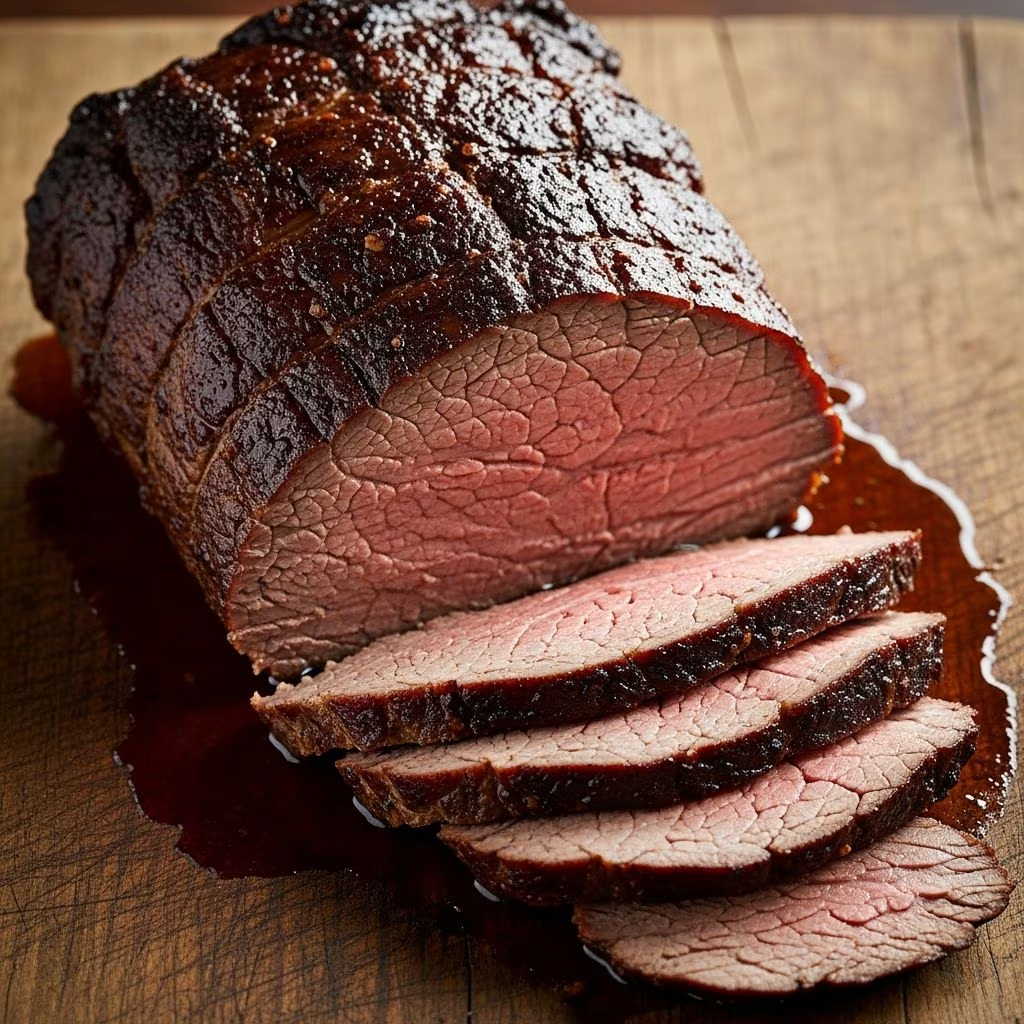
For elegant presentations, slice the roast if it’s tender enough, arrange slices on a platter, and ladle gravy over the top. Garnish with fresh parsley or thyme to add color and a hint of fresh herb flavor that contrasts with the long-cooked ingredients.
Frequently Asked Questions
How do I know when the roast is done cooking?
The roast is ready when a fork easily pierces the meat and it begins separating at the edges. At this point, it should require minimal pressure to break apart. If you insert a fork and meet resistance, give it additional cooking time.
Can I prepare the roast the night before?
Yes, you can season the roast and place it in the slow cooker insert the evening before. Store the insert in your refrigerator overnight, then place it in the slow cooker base in the morning. Note that starting with a cold insert may require adding ten to fifteen minutes to the total cooking time.
Is it necessary to sear the roast before slow cooking?
Searing is optional but highly recommended. It develops additional flavor through the browning process and creates a more complex-tasting final dish. However, if time is limited, the roast will still turn out tender and acceptable without this step.
What should I do if my roast turns out tough?
Toughness usually indicates insufficient cooking time or an inappropriate cut of meat. Chuck roast should become very tender with proper cooking. If your roast remained tough after eight hours on low, the cut may have been leaner than ideal. Use this meat for shredded applications or add it to soups.
Can I freeze leftover roast and gravy?
Yes, both the meat and gravy freeze exceptionally well. Store them together in an airtight container or freezer bag for up to three months. Thaw overnight in the refrigerator and reheat gently on the stovetop or in the slow cooker on low until warmed through.
Storage and Make-Ahead Strategies
A slow cooker roast provides excellent make-ahead meal potential. The flavors actually improve after a day or two as seasonings continue to penetrate the meat. Store the roast and its gravy together in an airtight container in the refrigerator for up to four days. Reheat gently in a low oven or on the stovetop over low heat, adding a splash of broth if the gravy has thickened considerably.
For longer storage, freeze the entire dish for up to three months. This makes slow cooker roast an ideal candidate for batch cooking, allowing you to prepare multiple roasts when time permits and enjoy them throughout the month.
Conclusion
Mastering the art of slow cooker beef roast opens possibilities for convenient, impressive meals with minimal hands-on effort. By focusing on the meat alone, you create a versatile foundation that adapts to countless serving styles and side dish combinations. The tender, moist results achieved through proper technique and ingredient selection make this simple recipe a reliable addition to any home cook’s repertoire.
References
- Amanda’s Cookin’ – The Best Ever Crockpot Roast Beef — Amanda’s Cookin’. https://amandascookin.com/crockpot-roast-beef/
- How to Make Super Tender Beef Roast in a Crockpot Slow Cooker — Bakes Foods (YouTube). https://www.youtube.com/watch?v=lKaoVsi_F60
- Crock Pot Chuck Roast (SO tender & easy!) – Borrowed Bites — Borrowed Bites. https://borrowedbites.com/slow-cooker-fall-apart-pot-roast/
- Best Ever Crock Pot Beef Pot Roast Recipe + Video — The Slow Roasted Italian. https://www.theslowroasteditalian.com/best-ever-beef-pot-roast-crock-pot/