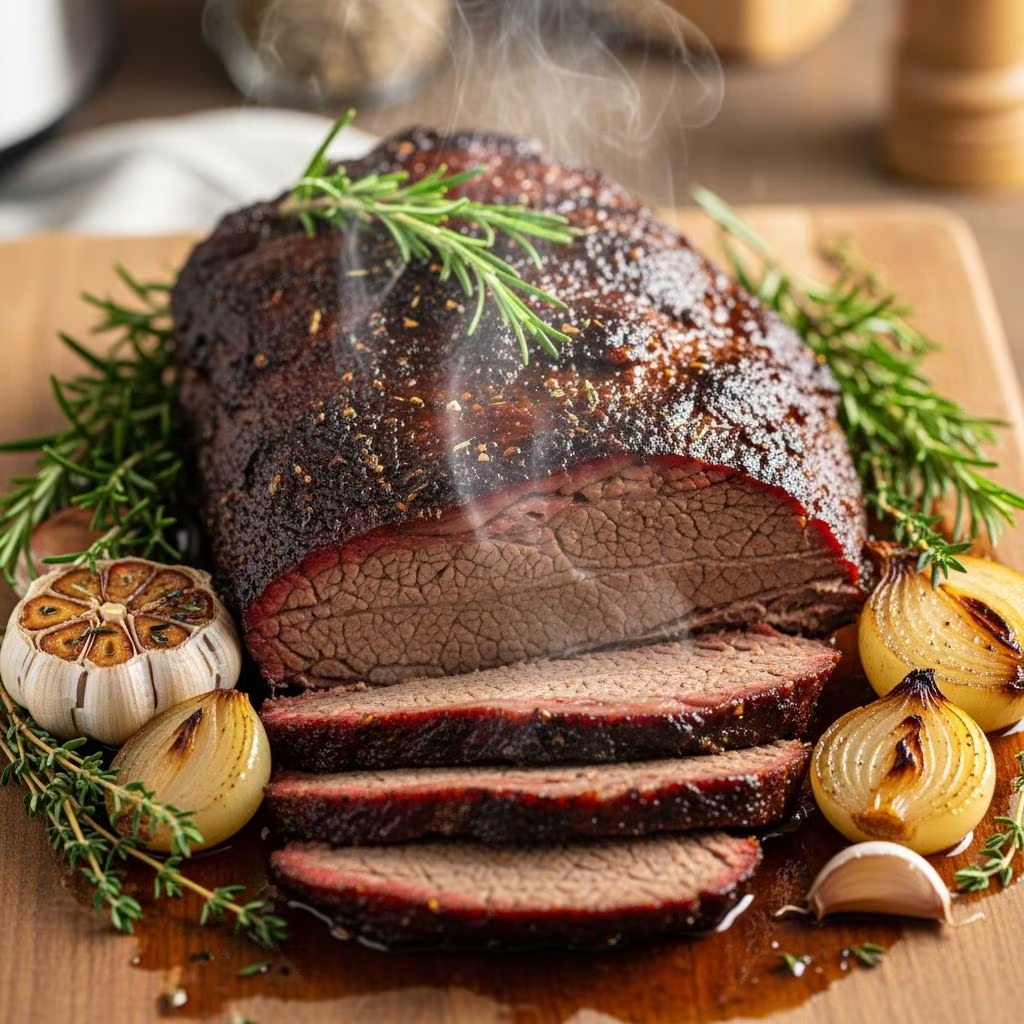
Beef brisket, a tough cut from the cow’s lower chest, transforms into a succulent masterpiece when prepared in a slow cooker. This method allows low, steady heat to break down connective tissues over hours, resulting in meat that pulls apart effortlessly while absorbing rich flavors from seasonings and sauces. Ideal for busy cooks, this approach requires minimal hands-on time, making it perfect for weeknight dinners or weekend gatherings.
Why Choose the Slow Cooker for Brisket
The slow cooker’s gentle cooking preserves moisture and enhances tenderness without constant monitoring. Unlike oven roasting or grilling, which demand attention to temperature fluctuations, the crockpot maintains consistent low heat—typically around 190-200°F on the low setting—ideal for collagen breakdown in brisket. This results in a juicy interior with a caramelized exterior if finished under a broiler. Home cooks appreciate the ‘set it and forget it’ convenience, freeing up time for other tasks.
Brisket benefits from this moist environment, preventing the dryness common in faster cooking methods. Studies from meat science experts confirm that slow cooking at low temperatures (below 212°F) maximizes juiciness by minimizing moisture loss, a principle echoed in USDA guidelines for tough cuts.
Selecting the Perfect Brisket
Opt for a whole packer brisket or the flat cut for easier fitting in standard 6-7 quart slow cookers. Aim for 3-5 pounds to serve 6-8 people; larger cuts may need trimming. Look for even marbling—thin white fat streaks throughout the red meat—for optimal flavor and tenderness. The fat cap should be at least ¼-inch thick to baste the meat during cooking.
Avoid corned beef brisket, which is pre-brined for pickling. Fresh, untrimmed brisket from a butcher or quality grocer ensures better control over seasoning. Trim excess silver skin and hard fat, leaving a thin layer for moisture. Pat dry thoroughly before seasoning to promote adhesion of rubs.
Essential Ingredients for Flavor-Packed Brisket
A balanced rub and braising liquid elevate basic brisket. Core rub components include:
- Brown sugar or paprika: For sweetness and color development.
- Garlic and onion powders: Deep savory notes.
- Salt and pepper: Foundation for taste enhancement.
- Optional spices: Smoked paprika, oregano, or chili powder for complexity.
For the cooking liquid, combine beef broth or water with Worcestershire sauce, soy sauce, and a splash of barbecue sauce. These add umami, acidity, and caramel notes. Homemade BBQ sauce recipes often feature ketchup, vinegar, brown sugar, and spices, whisked into the pot for a built-in glaze.
| Ingredient Type | Quantity (for 4 lb Brisket) | Role |
|---|---|---|
| Dry Rub | 2 tsp each: paprika, garlic powder, onion powder; 1 tbsp salt; ½ tsp pepper | Forms flavorful crust |
| Liquid Base | 1 cup broth/water; 2 tbsp Worcestershire; 1 tbsp soy sauce | Tenderizes and flavors |
| BBQ Sauce | ½-1 cup | Glaze and serving sauce |
Step-by-Step Preparation Guide
- Prepare the rub: Mix dry spices in a bowl. Pat brisket dry, then massage rub evenly over all sides. For deeper flavor, sear in a hot skillet for 2-3 minutes per side (optional but recommended).
- Layer the slow cooker: Add sliced onions and garlic to the bottom for an aromatic base. Place rubbed brisket fat-side up. Pour in liquid mixture and half the BBQ sauce; it should partially cover the meat.
- Cook low and slow: Cover and set to low for 8-10 hours (or high for 5-6 hours). Flip halfway for even cooking. Internal temperature should reach 195-205°F for sliceable tenderness.
- Finish for perfection: Transfer to a baking sheet, brush with reserved sauce, and broil 3-5 minutes until caramelized. Rest 15-30 minutes tented in foil.
- Make the sauce: Skim fat from pot juices, simmer to reduce into a thick glaze.
Cooking Times and Doneness Checks
Timing varies by brisket size and cooker efficiency. Use a probe thermometer: 195°F for slicing, 205°F for shredding. If tough after 8 hours, continue cooking—brisket doesn’t overcook easily in a slow cooker. High setting shortens time but may yield slightly less tender results.
| Brisket Weight | Low Setting | High Setting |
|---|---|---|
| 3-4 lbs | 8 hours | 5 hours |
| 4-5 lbs | 9-10 hours | 6 hours |
| 5+ lbs | 10+ hours | Not recommended |
Pro Tips for Brisket Success
- Don’t skip the flip: Ensures even exposure to liquids.
- Resist peeking: Each lid lift drops temperature by 10-20°F.
- Fat side up: Allows self-basting as it renders.
- Overnight cooking: Start before bed for morning readiness.
- Make-ahead: Cook, slice, and refrigerate in sauce up to 3 days; reheat gently.
For crispier bark without broiling, uncover the last hour. Add root vegetables like carrots or potatoes in the last 3 hours to avoid mushiness.
Customizing Your Brisket
Adapt for dietary needs: Use low-sodium soy or coconut aminos for gluten-free. Sweeten with honey instead of sugar for a glaze twist. For smoky flavor, incorporate liquid smoke or smoked paprika. Texas-style skips sauce for pure rub; Kansas City adds thick BBQ.
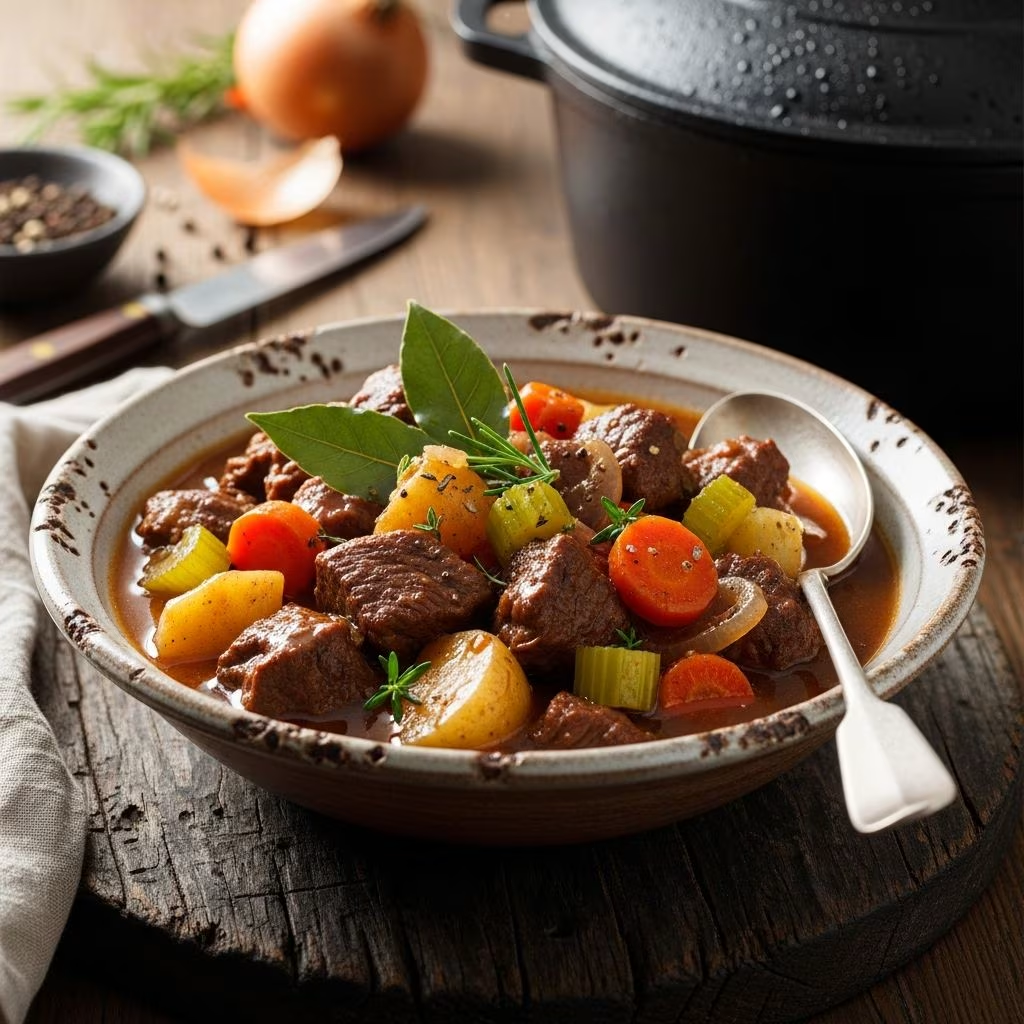
Vegetable additions: Potatoes, carrots, and celery bulk up the meal. Pressure cooker alternative: Sear, add ingredients, cook 60-90 minutes high pressure for 1-2 hour time savings.
Storage, Freezing, and Reheating
Cool completely, slice against the grain, and store in airtight containers with sauce for up to 4 days. Freeze slices in sauce for 3 months; thaw overnight and reheat in a 300°F oven covered in foil. Microwave in short bursts with damp paper towel for single servings.
Delicious Serving Suggestions
Slice thin against the grain for plates with mashed potatoes and green beans. Shred for sandwiches on brioche with coleslaw and pickles. Cube for tacos with pickled onions. Pair with cornbread, baked beans, or roasted veggies for a full BBQ spread.
Common Mistakes and Fixes
- Tough meat: Cook longer; probe for 200°F+.
- Dry brisket: Ensure partial submersion in liquid; rest properly.
- Watery sauce: Reduce post-cook; add cornstarch slurry if needed.
- Bland flavor: Generous rub and quality sauce.
Frequently Asked Questions
Can I cook brisket on high?
Yes, but low yields better tenderness. High for 5-6 hours if time-constrained.
Is pink brisket safe?
Fully cooked brisket shouldn’t be pink; reach 195°F minimum. Pinkness indicates undercooking.
Do I need to trim all fat?
Leave ¼-inch cap; trim excess to prevent greasiness.
Can I use a whole brisket?
For large cookers (8+ qt), yes; cut in half otherwise.
How do I slice brisket?
Against the grain: Identify fiber lines, cut perpendicular for tenderness.
Nutritional Insights
A 4-oz serving offers ~250 calories, 20g protein, rich in iron and B12. Balance with veggies for complete nutrition.
References
- Food Safety and Inspection Service: Beef from Farm to Table — United States Department of Agriculture (USDA). 2023-05-15. https://www.fsis.usda.gov/food-safety/safe-food-handling-and-preparation/meat-fish/beef-farm-table
- Effects of Cooking Methods on Meat Tenderness — Journal of Animal Science (American Society of Animal Science). 2022-08-01. https://doi.org/10.1093/jas/skac227
- Beef Brisket Cooking Guidelines — National Cattlemen’s Beef Association. 2024-02-20. https://www.beefitswhatsfordinner.com/cuts/cut/2791/brisket-flat-half
- Slow Cooker Temperature Standards — FDA Food Code. 2022-01-01. https://www.fda.gov/food/fda-food-code/food-code-2022
- Collagen Breakdown in Slow-Cooked Beef — Meat Science Journal (Elsevier). 2021-11-10. https://doi.org/10.1016/j.meatsci.2021.108712