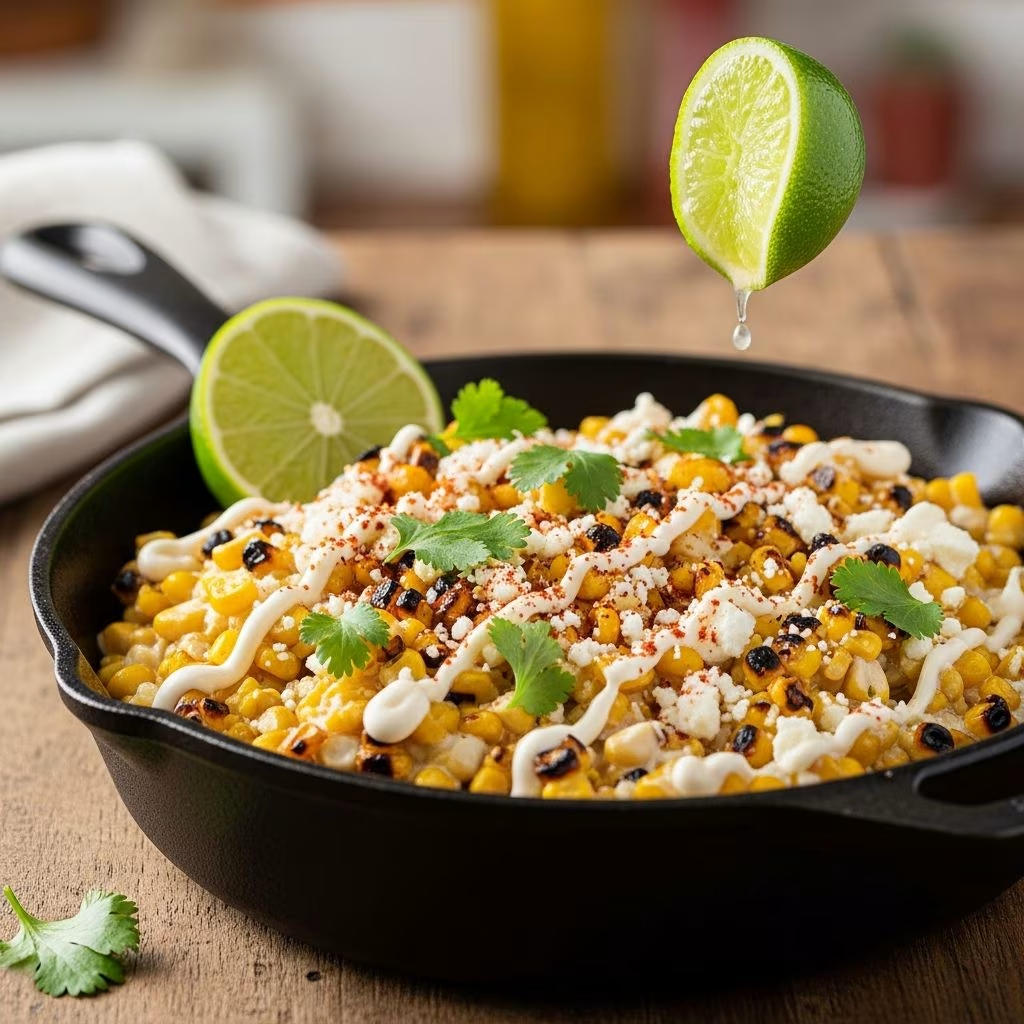
Mexican street corn, known as elote in its traditional form, represents one of the most beloved street food preparations across Mexico and the southwestern United States. This vibrant dish combines the natural sweetness of corn with savory, tangy, and spicy elements that create a complex flavor profile. The skillet version transforms this handheld treat into an elegant side dish that can accompany virtually any meal, from casual weeknight dinners to festive gatherings. The beauty of preparing this dish in a skillet lies in its simplicity, speed, and the ability to achieve perfectly charred kernels that amplify the corn’s inherent sweetness.
Understanding the Core Components of This Dish
The foundation of skillet Mexican street corn begins with fresh corn kernels, which form the base ingredient. Unlike the traditional ear-on-the-cob version, using kernels allows for even cooking and better distribution of toppings. The corn undergoes a transformation through heat, developing caramelized spots that contribute depth and complexity to the final dish. This charring process is essential, as it concentrates the corn’s natural sugars and adds a subtle smoky undertone that distinguishes exceptional preparations from ordinary ones.
Beyond the corn itself, the topping components create the distinctive Mexican street corn experience. A creamy element—typically mayonnaise or a combination of mayonnaise and sour cream—acts as a binder and adds richness. Fresh lime juice provides acidity that cuts through the richness and brightens all the flavors. Cotija cheese, with its crumbly texture and salty, slightly tangy profile, offers a textural contrast and authentic Mexican flavor. Fresh cilantro contributes herbaceous notes, while chili powder and additional aromatics round out the seasoning profile.
Essential Ingredients for Optimal Results
Corn Selection and Preparation
Fresh corn kernels represent the ideal starting point, requiring approximately six medium ears to yield four to five cups of kernels. The kernels should be plump, milky, and fragrant. If fresh corn is unavailable, frozen corn kernels work admirably and often possess exceptional quality since they are frozen at peak ripeness. When using frozen corn, thawing to room temperature before cooking ensures even heat distribution and prevents excessive moisture from disrupting the cooking process. Never use canned corn, as the texture becomes too soft and the flavor profile suffers considerably.
The Creamy Base
Mayonnaise serves as the primary binding agent, typically ranging from one to two tablespoons. Some variations incorporate sour cream as well, which adds tanginess and reduces the heaviness of pure mayonnaise. The combination of mayonnaise and sour cream creates a more balanced flavor profile that appeals to those seeking complexity beyond simple creaminess. Butter can be incorporated during the initial cooking phase to add richness and facilitate the charring process.
Cheese Selection
Cotija cheese stands as the traditional choice, prized for its crumbly texture and assertive salty flavor. This aged cheese crumbles easily and distributes evenly across the corn without melting into a cohesive mass. Queso fresco or feta cheese serve as acceptable alternatives, each bringing slightly different flavor notes while maintaining the essential textural contrast. The cheese should be crumbled just before serving to preserve its structural integrity and maximize its impact on the final dish.
Flavor Enhancers
Fresh lime juice—extracted from one to two medium limes—provides the essential acidic component that balances richness and awakens the palate. Freshly chopped cilantro adds vibrant color and herbaceous complexity, though parsley or green onions can substitute for those with cilantro aversions. Chili powder, ranging from one-half to one teaspoon, introduces warmth and depth, while some recipes incorporate cayenne pepper for additional heat. Red onion, minced finely, contributes a mild bite that complements the other elements beautifully.
Cooking Techniques and Methods
The Charring Process
Successful skillet Mexican street corn depends on achieving proper caramelization without burning the kernels. Begin by heating a large skillet over medium-high heat for one minute before adding oil or butter. Once the fat shimmers, add the corn kernels and resist the urge to stir immediately. Allow the corn to sit undisturbed for two to three minutes, permitting the bottom layer to develop golden-brown spots. Stir the corn thoroughly, then repeat the process two additional times, ensuring all kernels develop some charring while avoiding complete blackening that would impart bitterness.
Temperature Management
Medium-high heat provides the optimal temperature range for this preparation. Temperatures that are too low result in steaming rather than charring, while excessively high heat risks burning the corn before the kernels heat through completely. The total cooking time typically ranges from eight to twelve minutes, depending on the skillet size, heat intensity, and initial corn temperature. Cast iron skillets excel at this task due to their superior heat retention and even distribution.
Timing and Texture Development
The transition from raw to perfectly cooked corn happens rapidly. Once removed from heat, the residual warmth continues cooking the kernels slightly, so slightly underdone corn actually reaches optimal doneness by the time the remaining ingredients are incorporated. Overcooking results in a mealy texture that detracts from the dish’s appeal. The kernels should remain tender-crisp with some resistance when bitten.
Step-by-Step Preparation Guide
- Prepare the Corn: Remove kernels from the cob using a sharp knife, moving the blade downward in firm strokes. If using frozen corn, thaw it and drain any excess moisture on paper towels. Set the corn aside in a bowl.
- Heat the Skillet: Place a large skillet over medium-high heat for approximately one minute until fully preheated. Add one tablespoon of vegetable oil or unsalted butter, allowing it to heat until it shimmers.
- Add the Corn: Transfer the corn to the heated skillet in an even layer. Resist stirring for two to three minutes, allowing the bottom kernels to develop golden-brown color.
- Stir and Repeat: Stir the corn thoroughly, spreading it back into an even layer. Repeat the process two additional times, allowing two to three minutes between stirring sessions, until kernels display charred spots across their surfaces.
- Remove from Heat: Once adequate charring has developed, immediately remove the skillet from the heat to prevent further cooking.
- Add Base Components: Stir in one to two tablespoons of mayonnaise and any sour cream if using, coating the corn thoroughly. Mix in salt to taste.
- Incorporate Finishing Elements: Drizzle fresh lime juice over the mixture and stir well. Add minced red onion, fresh cilantro, and one-half to one teaspoon chili powder, stirring gently to combine.
- Transfer and Serve: Pour the corn into a serving dish and garnish generously with crumbled cotija cheese and additional chili powder if desired. Serve immediately while still warm.
Flavor Profile and Serving Suggestions
The final dish presents a harmonious balance of sweet, savory, spicy, and tangy elements. The charred corn kernels provide concentrated sweetness and subtle smokiness, the creamy components add luxurious texture, the lime juice cuts through the richness with bright acidity, and the cheese contributes salty umami notes. This versatile preparation works beautifully as a standalone side dish, an accompaniment to grilled proteins, a topping for tacos or tostadas, or even as a dip when prepared with slightly increased creamy components.
Customization Options
Heat Level Adjustments
Those seeking milder flavor can reduce chili powder to one-quarter teaspoon or eliminate cayenne pepper entirely. Conversely, heat enthusiasts can increase spice levels by incorporating additional cayenne, fresh jalapeños, or chipotles in adobo sauce for smoky complexity.
Ingredient Substitutions
Cilantro-averse individuals can substitute fresh parsley, chives, or green onion tops. Bell pepper additions—red, yellow, or orange—provide sweetness and textural variation. Garlic, either minced raw or roasted, adds pungent depth. Some preparations incorporate corn from fire-roasted frozen varieties for enhanced smokiness.
Texture Modifications
For creamier versions, increase sour cream proportions or incorporate Mexican crema for authentic richness. Those preferring lighter preparations can reduce or eliminate mayonnaise entirely, relying instead on lime juice and minimal oil.
Storage and Make-Ahead Considerations
While best served immediately, prepared skillet Mexican street corn maintains acceptable quality when refrigerated for up to two days in an airtight container. Reheat gently over low heat, adding a splash of water or additional lime juice to refresh the flavors. The cheese and cilantro, however, should be added after reheating to preserve their integrity. This dish does not freeze successfully due to texture changes in the corn and creamy components.
Frequently Asked Questions
Can frozen corn produce results equivalent to fresh corn?
Absolutely. Frozen corn, particularly fire-roasted varieties, delivers excellent results. The key involves thawing completely and draining excess moisture before cooking. Some prefer fire-roasted frozen corn for its enhanced smoky character.
What causes the corn to become mealy?
Overheating and overcooking result in a mealy texture. Limit cooking to eight to twelve minutes total and remove from heat once charring develops sufficiently.
Can this dish be made vegan?
Yes. Substitute vegan mayonnaise or avocado-based creams for traditional mayonnaise, use nutritional yeast or cashew-based cheese alternatives, and ensure all other components are plant-based.
How much yield does this recipe produce?
One batch typically serves four as a side dish or two to three as a more substantial serving. The recipe doubles easily for larger gatherings.
Is cotija cheese essential?
While traditional, alternatives work well. Queso fresco provides similar crumbly texture, while feta or aged goat cheese offer different but complementary flavor profiles.
Nutritional Considerations and Serving Context
This dish provides carbohydrates from corn, healthy fats from oil and mayonnaise, protein from cheese, and essential vitamins from fresh herbs and citrus. A serving typically contains approximately 200-250 calories, making it a reasonable side dish within most dietary frameworks. The sodium content comes primarily from cotija cheese, so those monitoring salt intake should adjust quantities accordingly.
Conclusion
Skillet Mexican street corn represents an accessible, flavorful, and impressively easy dish that elevates everyday meals while remaining grounded in authentic Mexican culinary traditions. The combination of charred corn, creamy toppings, bright citrus, and pungent cheese creates complexity that belies the preparation’s simplicity. Whether served as a side dish, mixed into grain bowls, or used as a taco component, this versatile preparation adapts to virtually any culinary context. Mastering the basic technique opens possibilities for creative experimentation while maintaining the essential flavor balance that makes this dish beloved across cultures and continents.
References
- Corn Production and Utilization — United States Department of Agriculture (USDA). 2024. https://www.usda.gov/
- Nutritional Composition of Corn — USDA FoodData Central. 2024. https://fdc.nal.usda.gov/
- Traditional Mexican Cuisine Elements — UNESCO Intangible Cultural Heritage. 2010. https://ich.unesco.org/
- Food Safety Guidelines for Fresh Produce — Food and Drug Administration (FDA). 2024. https://www.fda.gov/