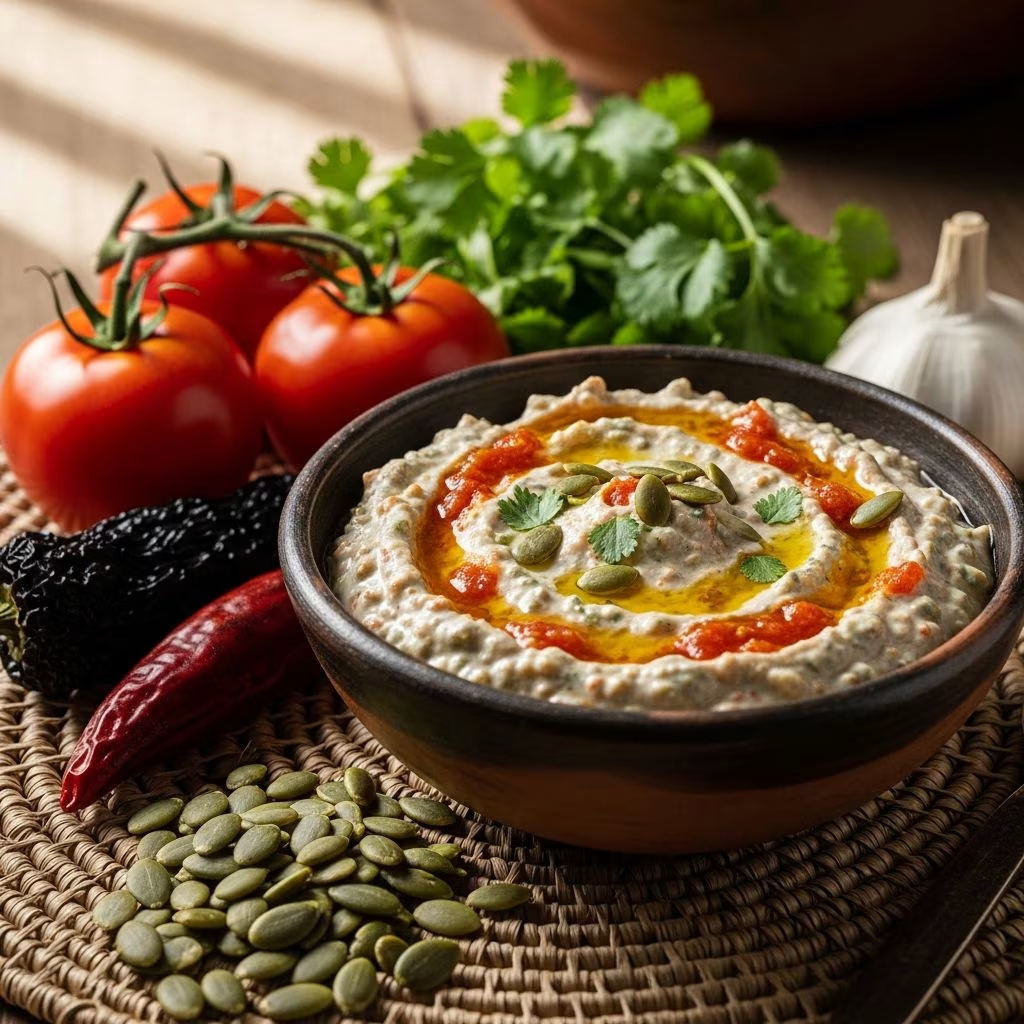
The cuisines of Mesoamerica offer a remarkable window into ancient foodways that continue to nourish communities across Mexico and beyond. Among these treasured recipes stands sikil pak, a distinctive preparation that exemplifies the intersection of simplicity and sophistication in traditional cooking. This pumpkin seed-based dip represents centuries of culinary wisdom, passed down through generations of Mayan families who recognized the nutritional abundance and flavor potential of roasted pepitas combined with charred vegetables.
Understanding the Origins and Cultural Significance
Sikil pak emerges from the Yucate1n peninsula, a region steeped in Mayan heritage and culinary traditions that predate European contact by millennia. The name itself carries linguistic richness, derived from the Mayan language and literally translating to a combination of three essential components: water, pumpkin seed, and tomato. This etymological foundation reflects the ingredient-focused philosophy of traditional Mayan cooking, where names often describe the fundamental composition of dishes rather than applying arbitrary labels.
The preparation methods for sikil pak showcase the resourcefulness characteristic of Mayan food culture. Rather than relying on imported spices or complicated techniques, this dip employs toasting and roasting—cooking methods perfected over generations—to develop deep, complex flavors from humble ingredients. The dish exemplifies how traditional cuisines maximize nutritional value and taste through mindful preparation practices.
Today, sikil pak remains a staple in Yucate1n kitchens and has gained recognition among food enthusiasts worldwide who appreciate its authentic character and compatibility with various dietary approaches. Its presence on contemporary restaurant menus and in home kitchens demonstrates the enduring appeal of this ancient preparation.
Key Ingredients and Their Roles
Creating authentic sikil pak requires understanding each ingredient’s contribution to the final dish. The following components work together harmoniously to produce the characteristic nutty, earthy, and bright flavor profile:
- Pepitas (hulled pumpkin seeds): The foundation of this dip, pepitas provide a creamy texture when pureed and contribute a rich, toasted flavor. Raw, unsalted varieties work best, typically requiring about one cup per batch.
- Tomatoes: Roma tomatoes are traditionally preferred for their balanced acid-to-flesh ratio. When roasted until slightly charred, they develop sweetness and depth while contributing brightness to the finished dip.
- Aromatics (garlic and onion): These vegetables, when charred, lose their harsh edge and develop subtle sweetness. Yellow onion sliced into rounds chars evenly, while individual garlic cloves require less cooking time than larger vegetables.
- Fresh cilantro: This herb provides fresh, herbaceous notes that balance the roasted elements. Cilantro’s subtle citrus undertones complement the lime juice beautifully.
- Fresh citrus juice: Lime juice is traditional, though some regional variations incorporate naranja agria (sour orange) for additional complexity.
- Chile peppers: Habanero peppers bring appropriate heat and fruity undertones. Alternative options include serrano or jalapef1o for different spice levels.
- Cumin seeds: While not always traditional, toasted cumin seeds enhance the earthy qualities of pepitas with warm, slightly nutty notes. This addition remains optional based on personal preference.
Preparation Methodology
The preparation of sikil pak follows a logical progression that honors traditional cooking techniques while remaining accessible to home cooks. Understanding each stage ensures optimal flavor development and proper texture.
Toasting the Seed Base
The process begins with toasting pepitas and optional cumin seeds in a dry skillet over medium heat. This crucial step activates the natural oils within the seeds and develops their complex flavor profile. The seeds should be stirred frequently to ensure even browning and prevent burning. Listen for characteristic popping sounds, which indicate moisture release and proper toasting progression. The process typically requires several minutes, concluding when the seeds display light golden coloration.
Roasting the Vegetables
Following seed preparation, the skillet is wiped clean and heated to medium-high temperature. A light coating of avocado oil or another high-heat cooking oil prevents sticking while allowing proper charring. The tomatoes (halved or quartered), onion rounds, garlic cloves, and habanero pepper are added to the hot pan. Vegetables should be turned every few minutes, allowing each surface to contact the heat source. This technique develops caramelization while maintaining slight firmness. Cooking times vary by ingredient—garlic and peppers requiring only a few minutes while tomatoes and onion need approximately six to seven minutes.
Blending and Final Seasoning
Once cooled, the charred vegetables are roughly chopped and combined with the ground pepita-cumin mixture in a food processor. Fresh cilantro, lime juice, and sea salt are added before processing for approximately one to two minutes. The mixture should achieve a smooth, paste-like consistency. If the blend appears too thick, water is added in small increments—a few tablespoons at a time—until the desired consistency emerges. Final seasoning adjustments with sea salt ensure balanced flavor.
Nutritional Profile and Dietary Considerations
Sikil pak offers impressive nutritional characteristics that align with various contemporary dietary approaches. Pumpkin seeds constitute an excellent source of plant-based protein, minerals including magnesium and zinc, and beneficial fats. The vegetable components contribute vitamins, fiber, and phytonutrients while the fresh cilantro and lime juice provide additional micronutrients.
The dip’s naturally vegan formulation requires no animal products, making it suitable for plant-based diets. Its gluten-free status, derived from the absence of grain-based ingredients, accommodates those with celiac disease or gluten sensitivity. The recipe also proves nut-free, addressing common allergen concerns, though cross-contamination during processing should be considered by those with severe allergies.
Compared to many contemporary dips relying on dairy bases or mayonnaise, sikil pak provides a nutrient-dense alternative with whole-food ingredients and beneficial plant compounds.
Serving Suggestions and Culinary Applications
The versatility of sikil pak extends beyond traditional chip-and-dip applications. This preparation accommodates multiple serving contexts:
- Tortilla chips and duras remain classic accompaniments that honor the dip’s Mesoamerican origins
- Fresh vegetable crudités—including cucumber slices, bell pepper strips, and carrot batons—provide textural contrast
- Sturdy crackers offer an alternative for those preferring grain-based vehicles
- Toasted bread rounds create elegant presentation options for formal gatherings
- Dolloped atop grilled vegetables or legume-based dishes introduces additional flavor dimension
- Served as a condiment alongside roasted proteins enhances plate composition
Many practitioners recommend allowing sikil pak to rest several hours or overnight before serving, permitting flavor integration and ingredient harmonization. This resting period develops complexity that immediate consumption cannot achieve, though the dip remains enjoyable fresh.
Storage and Preservation Methods
Properly stored sikil pak maintains quality for several days when refrigerated in tightly sealed containers. The cool environment slows oxidation and bacterial proliferation while the sealed container minimizes air exposure. Most home preparations remain viable for three days under standard refrigeration temperatures.
For extended preservation, freezing sikil pak in appropriate containers extends usability for several weeks. Thawing in the refrigerator prior to serving preserves texture more effectively than room-temperature defrosting. Portioning the dip into smaller containers facilitates convenient thawing of only required quantities.
Customization and Variation Strategies
While traditional sikil pak maintains essential character through specific components, thoughtful modifications accommodate personal preferences and ingredient availability:
| Element | Traditional Option | Possible Variations | Impact on Final Flavor |
|---|---|---|---|
| Citrus | Fresh lime juice | Naranja agria (sour orange), lemon juice | Broader brightness spectrum with varying intensity |
| Heat Level | Whole habanero | Half habanero, serrano, jalapef1o | Reduced to intensified spice with varying fruity notes |
| Herbs | Fresh cilantro | Cilantro and parsley combination, oregano addition | Herbaceous profile expansion with different aromatic qualities |
| Spices | Optional cumin seeds | Ground cumin, omitted entirely | Enhanced earthiness or lighter, more herbaceous character |
| Consistency | Smooth paste | Chunkier texture, thinner consistency | Textural preferences and different serving applications |
Frequently Asked Questions
Can I substitute other seeds for pepitas?
While sunflower seeds offer similar nutritional profiles and toasting behavior, they produce a noticeably different flavor lacking the pepitas’ distinctive earthiness. The authentic character of sikil pak derives substantially from pumpkin seeds’ specific taste properties. Experimentation remains possible, but the result constitutes a variation rather than traditional sikil pak.
What causes grittiness in the finished dip?
Insufficient processing time represents the primary cause of grainy texture. Extended blending ensures complete breakdown of seed particles into a uniform paste. If grittiness persists, straining the dip through a fine-mesh sieve removes remaining particulates, though this step deviates from traditional preparation.
How should I adjust spice levels for sensitive palates?
Begin by reducing the habanero to half its quantity or substituting a milder variety. Removing seeds and membranes from the pepper further reduces capsaicin concentration. Gradual adjustments allow personalization without compromising the dip’s essential character.
Can sikil pak be made vegan and dairy-free?
Traditional sikil pak contains no animal products, naturally aligning with vegan dietary practices. The absence of dairy, eggs, or other animal-derived ingredients makes this preparation inherently suitable for plant-based consumption.
What distinguishes sikil pak from other seed-based dips?
Sikil pak’s unique combination of roasted pumpkin seeds with charred tomatoes and Yucate1n-specific flavor influences creates a distinctive profile. Unlike tahini-based preparations or other seed dips, sikil pak emphasizes the interplay between toasted seeds and caramelized vegetables, producing nutty, earthy, and bright flavor simultaneously.
Concluding Thoughts on This Timeless Preparation
Sikil pak represents far more than a simple appetizer—it embodies centuries of Mayan culinary knowledge and the remarkable ability of traditional foodways to nourish both body and palate. The dip’s simplicity masks thoughtful preparation techniques that maximize ingredient potential, while its compatibility with contemporary dietary approaches demonstrates the timeless relevance of ancestral recipes. Whether experienced in Yucate1n kitchens or prepared in home kitchens worldwide, sikil pak connects diners to historical food traditions while satisfying modern nutritional sensibilities and taste preferences.
References
- Sikil Pak: Mayan-inspired Pepita Dip — The Sophisticated Caveman. 2024. https://www.thesophisticatedcaveman.com/sikil-pak-mayan-inspired-pepita-dip/
- Sikil Pak: Healthy Mayan Pumpkin Seed Dip from Mexico — Bacon is Magic. 2024. https://www.baconismagic.ca/mexico/sikil-pak/
- Sikil Pak: A Mayan Pumpkin Seed Dip That’s To Die For — Something Totally Different. 2024. https://somethingtotallydifferent.com/recipe/sikil-pak-a-mayan-pumpkin-seed-dip-thats-to-die-for/