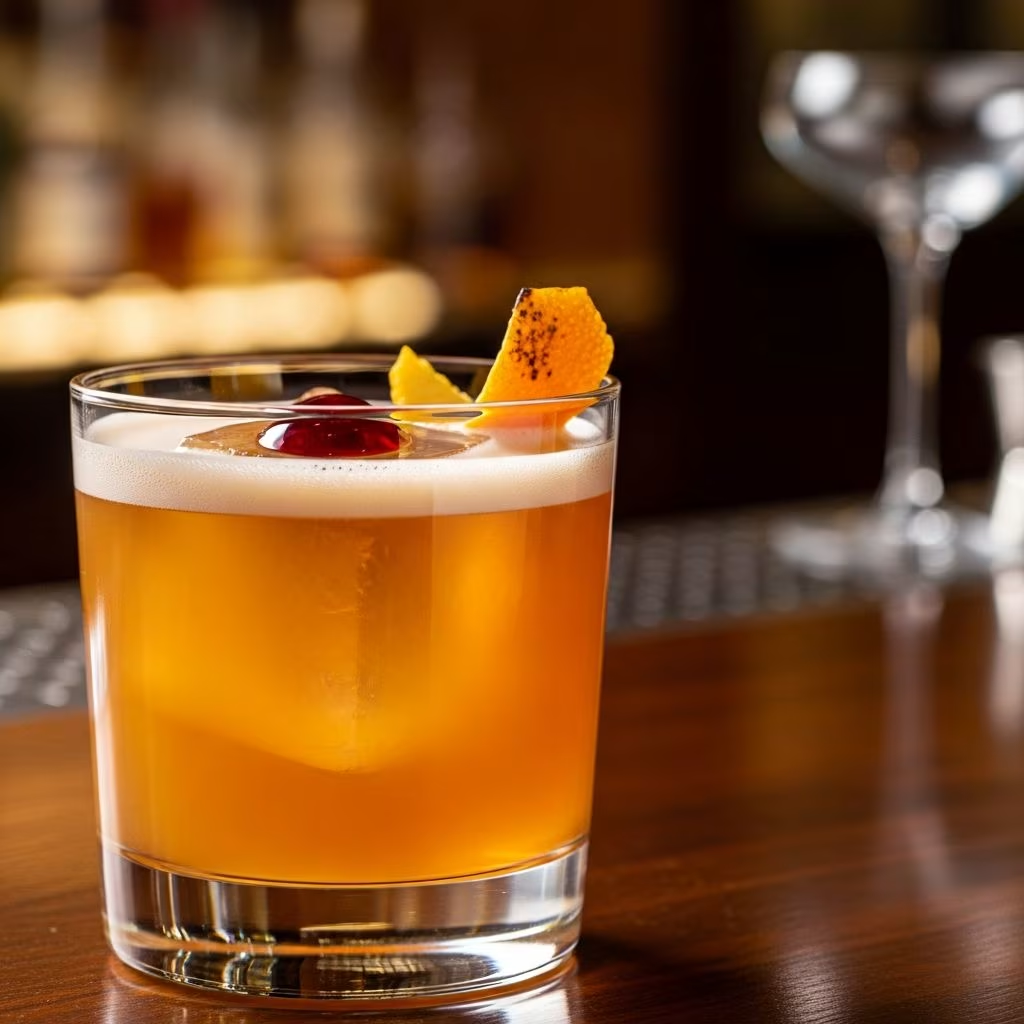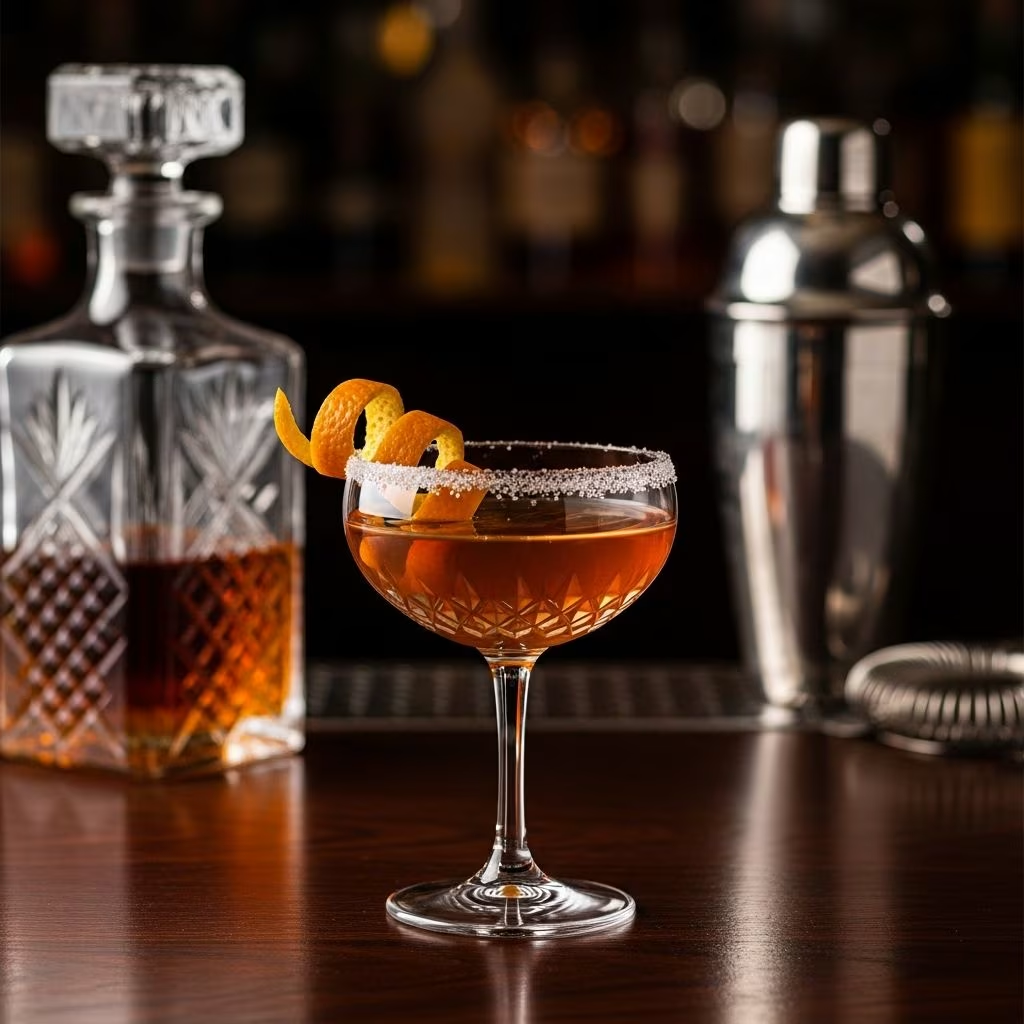
The Sidecar stands as one of the most enduring classics in the world of mixology, a harmonious blend of bold brandy, zesty lemon, and sweet orange liqueur that has captivated drinkers since the early 20th century. This cocktail’s appeal lies in its simplicity and balance, making it accessible for beginners yet rewarding for seasoned enthusiasts. Whether you’re hosting a dinner party or unwinding after a long day, the Sidecar delivers a sophisticated sip with tart brightness and smooth warmth.
The Origins and Evolution of a Timeless Drink
Emerging during the Prohibition era in the United States, the Sidecar cocktail gained prominence in the 1920s, a time when speakeasies and expatriate bars in Europe flourished. Named possibly after the motorcycle sidecar that transported patrons to Harry’s New York Bar in Paris, this drink quickly crossed the Atlantic, appearing in American cocktail manuals by the decade’s end. Its roots trace back to brandy-based sours, evolving from earlier punches into a refined three-ingredient powerhouse.
Through the decades, the Sidecar adapted to changing tastes and ingredient availability. Post-Prohibition refinements introduced varying ratios, from equal parts cognac, orange liqueur, and lemon juice to the more spirit-forward 2:1:1 mix that dominates today. This flexibility underscores its staying power, with revivals in the craft cocktail movement highlighting premium spirits and fresh citrus.
Essential Ingredients for Authentic Flavor
At its core, the Sidecar relies on high-quality components to achieve its signature profile: robust, slightly sweet, and refreshingly tart. Here’s a breakdown of the key players:
- Cognac (or Brandy): The backbone, typically VS or VSOP grade for its smooth vanilla and fruit notes without overpowering oak. French cognac from the Charente region provides authenticity, though Armagnac offers a rustic alternative.
- Orange Liqueur (Triple Sec or Cointreau): Adds citrusy sweetness and depth. Cointreau’s drier profile cuts through the richness, while generic triple sec works for budget builds.
- Fresh Lemon Juice: Essential for brightness; bottled versions dull the vibrancy. Squeeze just before mixing to preserve potency.
- Sugar Rim (Optional): Granulated or superfine sugar tempers tartness, creating a textural contrast on the glass edge.
- Garnishes: Lemon or orange twists release aromatic oils, elevating the drinking experience.
Proportions vary, but the classic French style uses equal parts (1 oz each), while American versions favor 2 oz cognac, 1 oz liqueur, and ¾-1 oz lemon for a drier finish.
Step-by-Step Guide to Crafting the Perfect Sidecar
Precision in preparation separates a good Sidecar from a great one. Follow these steps for consistent results:
- Prepare the Glass: Chill a coupe or martini glass in the freezer for 10-15 minutes. For the sugar rim, rub the edge with lemon juice, then dip into a plate of fine sugar. Let dry for crisp adhesion.
- Juice and Measure: Extract fresh lemon juice, yielding about 1 oz per drink. Use a jigger for accuracy: 2 oz cognac, 1 oz Cointreau, ¾ oz lemon juice.
- Shake Vigorously: Fill a Boston or cobbler shaker with ice. Add ingredients, seal, and shake for 15-30 seconds until frosty cold. This aerates and dilutes properly.
- Strain and Garnish: Double-strain into the glass to remove ice shards. Express a lemon twist over the surface and drop it in.
Serve immediately to preserve carbonation and aromas. Yields one serving; scale up for batches but shake individually for best texture.
Classic Recipe Table: Ratios Compared
Different sources offer nuanced takes on the Sidecar. This table compares popular formulations:
| Style | Cognac | Orange Liqueur | Lemon Juice | Extras |
|---|---|---|---|---|
| French Original | 1 oz | 1 oz | 1 oz | Sugar rim |
| American Classic | 2 oz | 1 oz | 1 oz | Optional bitters |
| Balanced Modern | 2 oz | ¾ oz | ¾ oz | Maple syrup dash |
| Prohibition Era | 1½ oz | ¾ oz | ¾ oz | Cherry garnish |
Experiment within these to suit your palate—tart lovers lean heavier on lemon.
Pro Tips for Elevating Your Sidecar Game
Beyond basics, refine your technique with these insights:
- Ingredient Temperature: Chill spirits beforehand for a crisper shake.
- Ice Quality: Use clear, large cubes to minimize over-dilution.
- Glassware: Coupe glasses concentrate aromas; Nick & Nora for elegance.
- Batch for Parties: Pre-mix without ice, store chilled, and shake per serving.
- Troubleshooting: Too sour? Add ¼ oz simple syrup. Too boozy? More lemon.
Creative Variations to Explore
The Sidecar’s framework invites innovation while honoring tradition. Try these twists:
- Cherry-Infused Sidecar: Soak dried cherries in warmed cognac, then add cherry liquid to the mix for fruity depth.
- Maple Sidecar: Swap sugar for ¼ oz maple syrup in the shaker for autumnal warmth.
- Armagnac Sidecar: Use robust Armagnac for plum and spice notes.
- Smoked Sidecar: Infuse cognac with lapsang souchong tea for a subtle smokiness.
- Vegan Adaptation: Lemon and agave nectar replace honey if needed, though traditional recipes avoid it.
These keep the 2:1:1 spirit alive while personalizing the drink.
Pairing the Sidecar: Food and Occasion Matches
The Sidecar’s citrus punch pairs brilliantly with rich, savory dishes. Complement its profile with:
- Appetizers: Cheese boards with brie, goat cheese, or Roquefort; foie gras terrine.
- Mains: Roasted duck, pork tenderloin, or herb-crusted salmon to cut fat.
- Desserts: Lemon tarts, crème brûlée, or dark chocolate for contrast.
- Occasions: Ideal for holiday gatherings, date nights, or as a dinner aperitif.
Avoid overly spicy foods, which clash with the delicate brandy notes.
Frequently Asked Questions (FAQs)
What makes a Sidecar cocktail ‘classic’?
The classic uses cognac, Cointreau, and fresh lemon in a 2:1:1 ratio, shaken and served in a sugar-rimmed coupe.
Can I substitute vodka for cognac?
While possible for a milder ‘Vodkar,’ it loses the Sidecar’s brandy heritage and depth—stick to cognac for authenticity.
How long does a Sidecar batch last?
Pre-mixed base (sans ice) keeps refrigerated for 24-48 hours; shake fresh per drink.
Is triple sec the same as Cointreau?
Cointreau is a premium triple sec with balanced dryness; cheaper options are sweeter but functional.
Why sugar the rim?
It balances tartness and adds elegance, mimicking the cocktail’s subtle sweetness.
Common Mistakes and How to Avoid Them
Novices often over-shake (causing dilution) or use flat lemon juice. Always taste your citrus first and shake exactly 15-20 seconds. Poor ratios lead to imbalance—measure meticulously. Finally, serve chilled; a warm Sidecar falls flat.
With practice, the Sidecar becomes a staple in your repertoire, embodying mixology’s art of balance.
References
- Sidecar Cocktail – Leite’s Culinaria — Leite’s Culinaria. 2023-05-15. https://leitesculinaria.com/83239/recipes-sidecar-cocktail.html
- Classic Sidecar Cocktail Recipe – Resplendent Kitchen — Resplendent Kitchen. 2024-02-10. https://www.resplendentkitchen.com/sidecar-cocktail-recipe/
- The Perfect Sidecar Recipe for Fall – YouTube — A Bar Above. 2023-10-20. https://www.youtube.com/watch?v=SZGtMBYX_R0
- DAMN GOOD Classic Sidecar Drink | Recipe — This Is Mel Drake. 2024-01-05. https://www.thisismeldrake.com/blog-posts/sidecar-drink
- Sidecar cocktail recipe – BBC Good Food — BBC Good Food. 2023-11-12. https://www.bbcgoodfood.com/recipes/sidecar