Understanding Provençal Cuisine and Its Influence
The culinary traditions of Provence represent a unique intersection of French and Mediterranean cooking styles. Located along the southeastern coast of France bordering the Mediterranean Sea, this region has developed distinctive cooking methods that emphasize fresh, locally-sourced ingredients combined with time-honored techniques. The term “Provençal” in cooking refers to the provincial style of preparation that incorporates fundamental flavor components: tomatoes, garlic, and aromatic herbs that grow abundantly in the region’s temperate climate.
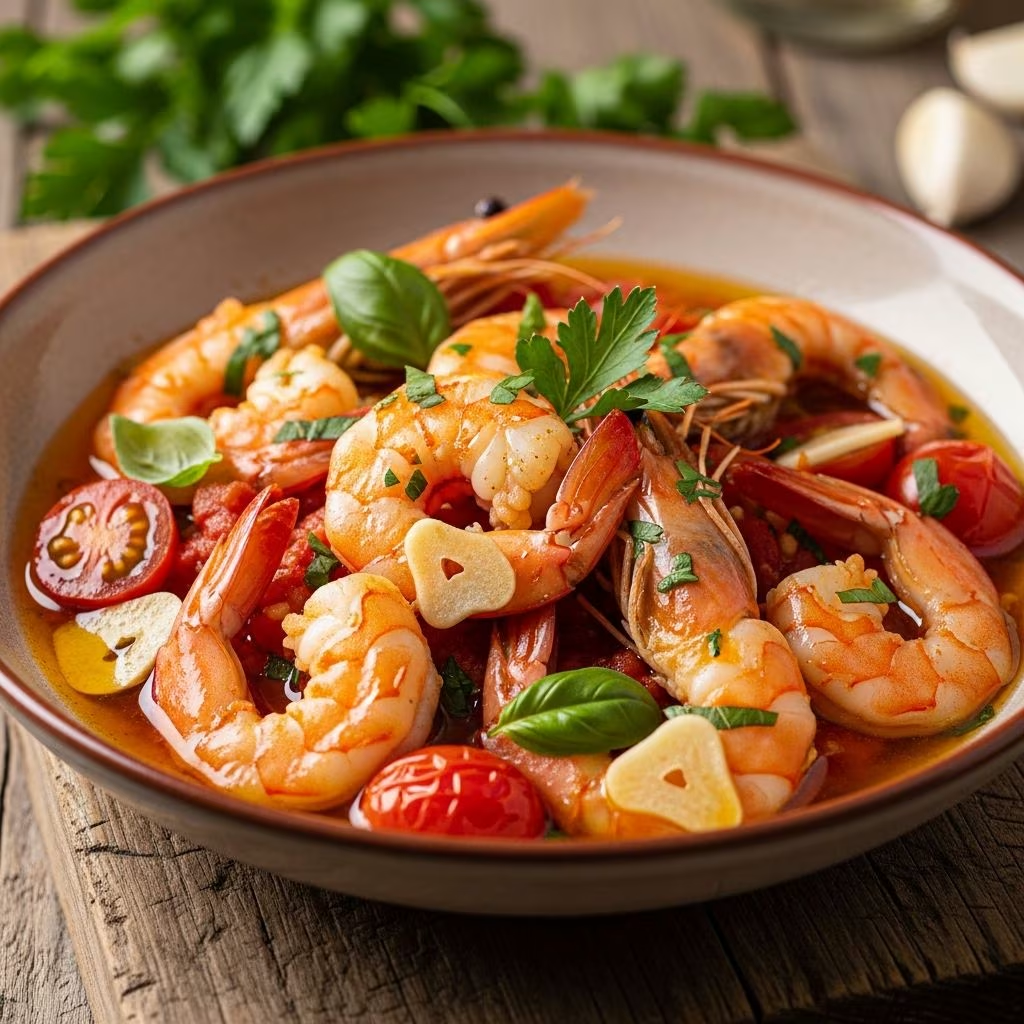
Shrimp Provençal exemplifies this culinary philosophy by bringing together quality seafood with bold, assertive flavors. The dish showcases how simple ingredients, when selected with care and combined thoughtfully, can create a memorable dining experience. This preparation method has transcended its regional origins to become a beloved dish in fine dining establishments and home kitchens worldwide.
Essential Ingredients for Authentic Preparation
Creating an exceptional Shrimp Provençal requires understanding the role each ingredient plays in the final dish. The foundation begins with high-quality shrimp, preferably large specimens that maintain their texture and flavor throughout cooking.
Protein and Foundational Components
- Large shrimp (21/25 count or similar size) peeled and deveined for optimal texture and presentation
- Extra-virgin olive oil as the cooking medium, providing rich flavor and Mediterranean authenticity
- Fresh tomatoes or high-quality canned plum tomatoes, which form the flavorful sauce base
Aromatics and Flavor Builders
- Yellow onion, finely diced to provide subtle sweetness and depth
- Fresh garlic, minced to release its pungent, aromatic compounds
- Dry white wine, typically a crisp Sauvignon Blanc, for acidity and complexity
Herbs and Finishing Elements
- Fresh thyme and basil, which contribute distinctive Provençal character
- Fresh parsley, added near completion for brightness
- Lemon juice to balance flavors and enhance freshness
- Unsalted butter, which enriches the sauce and creates a silky texture
- Kosher salt and white pepper for seasoning precision
Step-by-Step Cooking Method
Initial Heat and Aromatics Preparation
Begin by heating approximately two tablespoons of extra-virgin olive oil in a large skillet over medium heat for approximately one minute. This gentle heating allows the oil to reach the optimal temperature without smoking or breaking down its delicate flavor compounds. Add the finely diced yellow onion and minced garlic, cooking for roughly ninety seconds while stirring frequently. This brief cooking period softens the aromatics slightly while preventing browning, which would introduce bitter flavors incompatible with the dish’s delicate profile.
Searing the Shrimp
Introduce the prepared shrimp to the pan, cooking for approximately one minute before adding the fresh tomatoes. The shrimp will begin changing color from translucent gray to opaque pink. At this crucial juncture, flip each shrimp to ensure even cooking on both sides. The shrimp will continue transforming in color as residual heat and the sauce’s warmth penetrate the protein.
Building the Sauce
Pour the dry white wine into the pan, allowing it to deglaze the cooking surface and release any flavorful browned bits. Continue cooking for three to five minutes, during which the liquid will reduce by approximately two-thirds, concentrating the wine’s acidity and creating a more intense flavor profile. This reduction process is essential for developing the dish’s characteristic depth and preventing an overly liquid, diluted sauce.
Herb Integration and Final Adjustments
Add the fresh thyme and parsley, cooking for an additional minute to allow their aromatic oils to infuse the sauce. Incorporate the lemon juice, which brightens the overall flavor and provides necessary acidity to balance the richness. Finally, stir in diced unsalted butter, which emulsifies with the sauce and creates a luxurious, velvety texture. Taste the preparation and adjust salt and white pepper according to personal preference, keeping in mind that the shrimp and other components contribute their own subtle saltiness.
Cooking Time and Temperature Guidance
| Cooking Stage | Duration | Temperature/Heat Level | Key Indicator |
|---|---|---|---|
| Oil preheating | 1 minute | Medium heat | Oil becomes fragrant and shimmers |
| Onion and garlic | 1.5 minutes | Medium heat | Aromatics soften without browning |
| Initial shrimp cook | 1 minute | Medium heat | Shrimp begins turning pink |
| Flip and wine reduction | 3-5 minutes | Medium heat | Liquid reduces by two-thirds |
| Herb finishing | 1 minute | Medium heat | Herbs are fragrant and integrated |
Plating and Serving Suggestions
Divide the shrimp evenly among heated dinner plates, typically eight shrimp per serving for a restaurant-quality presentation. Distribute the remaining sauce equitably across each plate, ensuring each portion receives adequate sauce without appearing swimming in liquid. The traditional accompaniment consists of warm, crusty bread—preferably a fresh baguette sliced to approximately half-inch thickness. The bread serves multiple purposes: it provides textural contrast, acts as a vehicle for sauce, and aids in creating a complete, satisfying meal.
For more substantial presentations, consider serving over saffron-infused rice, which complements the Mediterranean flavors while absorbing excess sauce. Fresh pasta, particularly linguine or fettuccine, also pairs beautifully with this preparation, allowing the sauce to coat the noodles and create a cohesive dish.
Wine Pairing and Beverage Recommendations
The acidity and crispness of a Sauvignon Blanc mirrors the dish’s own flavor profile, making it an exceptional pairing choice. Alternatively, a dry Provence rosé wine provides fruity notes that complement the tomato-based sauce while maintaining the Mediterranean authenticity. The wine’s subtle tannins and light body prevent overwhelming the delicate shrimp, instead enhancing and highlighting its natural sweetness.
Variations and Creative Adaptations
Regional Herb Modifications
Some preparations incorporate herbes de Provence, a pre-blended mixture containing thyme, basil, savory, fennel, and occasionally lavender. This blend intensifies the Provençal character while simplifying ingredient sourcing. Approximately one and a half tablespoons of the blend can replace individual fresh herbs, though fresh herb versions typically provide superior flavor vibrancy.
Textural Enhancements
Certain variations introduce Kalamata olives, which contribute briny, umami notes that deepen the sauce’s complexity. Green peppers or red bell peppers add vegetable substance and subtle sweetness. Fennel bulb, finely chopped, introduces a delicate anise note that complements the herb profile beautifully.
Protein Variations
The fundamental Provençal preparation translates effectively to other seafood proteins. Scallops, with their naturally sweet flavor, pair exceptionally well with the tomato and herb combination. White fish fillets, such as halibut or sea bass, benefit from the same cooking technique, though timing adjustments may be necessary based on thickness.
Tips for Achieving Restaurant-Quality Results
- Use room-temperature shrimp to ensure even cooking and prevent temperature shock that may toughen the protein
- Avoid overcrowding the pan, which reduces surface contact and prevents proper browning or color development
- Time herb additions carefully—early addition leads to flavor loss, while late addition results in raw, harsh herb flavor
- Select fresh herbs whenever possible, as dried herbs lack the delicate aromatic qualities essential to authentic Provençal cuisine
- Invest in quality olive oil, as it forms the flavor foundation and significantly impacts the final dish
- Monitor shrimp carefully to avoid overcooking, which results in tough, rubbery texture
- Taste and adjust seasoning just before serving, as flavors develop and concentrate during cooking
Frequently Asked Questions
Can frozen shrimp be used instead of fresh?
Frozen shrimp can be used effectively, provided they are thawed completely and dried thoroughly before cooking. Pat thawed shrimp with paper towels to remove excess moisture, which interferes with proper browning and cooking. The quality difference between premium frozen shrimp and fresh shrimp is minimal when proper technique is applied.
What if fresh herbs are unavailable?
While fresh herbs provide superior flavor, dried alternatives can be substituted at approximately one-third the fresh quantity. Dried herbs possess concentrated flavors, so reduction is necessary to prevent overpowering the dish. Herbes de Provence blends offer a convenient option that maintains the dish’s regional character.
How far in advance can this dish be prepared?
The sauce can be prepared several hours ahead and refrigerated, though herbs should be added closer to serving time to preserve their delicate flavors. The shrimp must be cooked immediately before serving, as reheating toughens the protein and diminishes textural quality.
Is this dish suitable for dietary restrictions?
Shrimp Provençal is naturally gluten-free and aligns with Mediterranean diet principles. It accommodates low-carbohydrate preferences when served with appropriate sides. Those avoiding dairy can substitute olive oil for butter or simply omit it, as the sauce remains flavorful without this enrichment.
What serving size is appropriate?
A typical serving consists of eight large shrimp with accompanying sauce and bread. This quantity provides adequate protein while maintaining elegant plating. For smaller appetites or as part of multi-course meals, six shrimp per serving is appropriate.
Nutritional Considerations and Health Benefits
Shrimp provides high-quality protein while remaining relatively low in calories, making it an excellent choice for health-conscious diners. The Mediterranean preparation emphasizes heart-healthy olive oil and fresh vegetables, aligning with nutritional science supporting Mediterranean diet benefits. Tomatoes contribute lycopene, a powerful antioxidant, while garlic offers sulfur compounds associated with cardiovascular health. Fresh herbs provide phytonutrients and flavor without adding sodium or processed ingredients.
Conclusion
Shrimp Provençal represents accessible elegance in home cooking, combining straightforward techniques with quality ingredients to produce impressive results. The dish’s flexibility allows adaptation to available ingredients and personal preferences while maintaining its essential Mediterranean character. Whether prepared for weeknight dining or special occasions, this classic preparation delivers restaurant-quality flavor and satisfaction.
References
- Seafood Lesson #2 – The Shrimp Provencal — ICCA Dubai. Accessed 2026. https://www.iccadubai.ae/stockpot/seafood-lesson-2-the-shrimp-provencal
- How To Make Shrimp Provençal – Best Recipe — Charleston Magazine. Accessed 2026. https://charlestonmag.com/recipes/shrimp_proven_al
- Shrimp with Herbes de Provence — Cooking from Books. 2020. https://cookingfrombooks.com/2020/04/19/shrimp-with-herbes-de-provence/
- Shrimp Provençal – The Midnight Baker — Bake at Midnite. Accessed 2026. https://bakeatmidnite.com/shrimp-provencal/
- Shrimp Provençal — Dorothy Lane Market. Accessed 2026. https://dorothylane.com/recipes/shrimpprovencal