Understanding the Basics of Corn-Based Pocket Breads
Corn-based pocket breads represent a fundamental component of Latin American cuisine, offering versatility for both simple weeknight dinners and impressive entertaining occasions. These thick-walled, handheld vessels provide the perfect vehicle for showcasing premium ingredients like fresh seafood. The preparation method combines traditional techniques with modern convenience, allowing home cooks to achieve restaurant-quality results in a standard kitchen.
The foundation of these dishes relies on masa, a specially processed corn flour that has been treated with an alkaline solution. This treatment, known as nixtamalization, unlocks nutritional benefits and creates the characteristic flavor and texture profile that distinguishes authentic versions from inferior alternatives. Understanding this ingredient’s properties helps cooks appreciate why substitutions rarely produce comparable outcomes.
Essential Ingredients for Building Flavors
The Corn Foundation
The primary structural component requires approximately 175 grams of instant corn masa flour. This ingredient forms the edible container that holds your protein and accompaniments. The flour must be combined with fat—either traditional lard or neutral vegetable oil—along with water and salt to create a cohesive dough. The ratio of ingredients matters significantly; too little liquid produces brittle dough that cracks during cooking, while excessive moisture creates dense, gummy results.
Chili-Based Sauce Components
The flavor complexity emerges from layering dried chili peppers with complementary aromatics. Guajillo or dried New Mexico chiles provide a foundational fruity warmth without excessive heat, while morita chiles contribute smoky undertones and increased spiciness. Alternatively, canned chipotles in adobo sauce offer convenient substitution with different flavor characteristics. Ground coriander or cumin amplifies the spice blend’s depth, creating multi-dimensional taste experiences that elevate simple shrimp into memorable dishes.
Protein and Supporting Elements
Medium-sized shrimp form the primary protein, selected for their ability to cook quickly while maintaining tender texture. Garlic, thyme, apple cider vinegar, and agave syrup or honey work in concert to balance savory, acidic, and sweet notes within the sauce. Unsalted butter enriches the final preparation, creating glossy consistency and luxurious mouthfeel. Fresh accompaniments like sliced onions, avocado, cilantro, and lime wedges provide textural contrast and brightness to each bite.
Preparation Stage: Building Your Foundation
Creating the Dough
Begin by combining corn masa flour with a portion of your chosen fat and salt in a medium mixing bowl. Gradually incorporate water while stirring, creating a consistency resembling soft playdough—neither completely dry nor overly wet. The dough should hold together when squeezed but shouldn’t stick excessively to your hands. If the mixture appears crumbly after initial mixing, add water in small 15-milliliter increments until proper consistency develops.
Once combined, cover the dough with plastic wrap or a damp kitchen towel and allow it to rest for at least 30 minutes and up to three hours. This resting period permits the masa flour to fully hydrate, resulting in more pliable dough and superior final texture. Many cooks find that dough prepared in advance produces better results than same-day versions.
Sauce Development Process
While dough rests, prepare the chili-based sauce by bringing dried chiles, complementary spices, and water to a boil in a small saucepan. Cover the pot, remove it from heat, and allow the mixture to sit for approximately 30 minutes, stirring occasionally. This hydration process softens the chiles, making them suitable for blending. Transfer the cooked chiles and liquid to a blender and purée until completely smooth, ensuring no visible pepper pieces remain.
Cooking Technique and Temperature Management
Preparing Pocket Shells
Position your oven rack at the lowest setting and preheat to 260°C (fan oven setting). Brush a rimmed baking tray with fat to prevent sticking. Divide the rested dough into four equal portions, forming each into a smooth ball. Arrange these balls on your work surface, cover with a damp towel to prevent surface drying, and prepare for shaping.
Using gentle pressure and damp hands, flatten each dough ball into a thick oval or circular pocket, roughly one-quarter inch thick. Place these shells on the prepared baking tray and transfer to the oven. Bake until the outer edges develop light golden coloring, approximately 10 to 12 minutes. Remove the tray, carefully flip each shell, and continue baking until fully golden brown and crispy on the exterior, another 10 to 12 minutes total.
Transfer the baked shells to serving plates and allow them to cool for ten minutes. Using a paring knife, carefully insert the blade into one side of each shell and slice along the edge, creating an opening while maintaining structural integrity.
Shrimp Preparation and Sauce Integration
While shells cool, heat the remaining fat in a large skillet over high heat. Add the prepared shrimp and cook for approximately one minute per side until lightly browned and just cooked through. Avoid overcooking, as shrimp toughens quickly. Transfer the cooked shrimp to a bowl.
Reduce the heat to medium and add sliced garlic to the same pan, cooking while tossing frequently until beginning to brown, roughly one minute. Introduce the reserved chili purée, fresh thyme sprigs, apple cider vinegar, agave syrup or honey, and salt. Cook this mixture, stirring occasionally, until it darkens to a brick-red color and thickens to sauce consistency, about six to eight minutes total.
Return the cooked shrimp and any accumulated juices to the pan and cook for an additional minute. Remove from heat, add cubed unsalted butter, and stir constantly until completely melted and the sauce achieves glossy appearance. Taste and adjust seasoning with additional salt as needed, then discard the thyme sprigs.
Assembly and Serving Methods
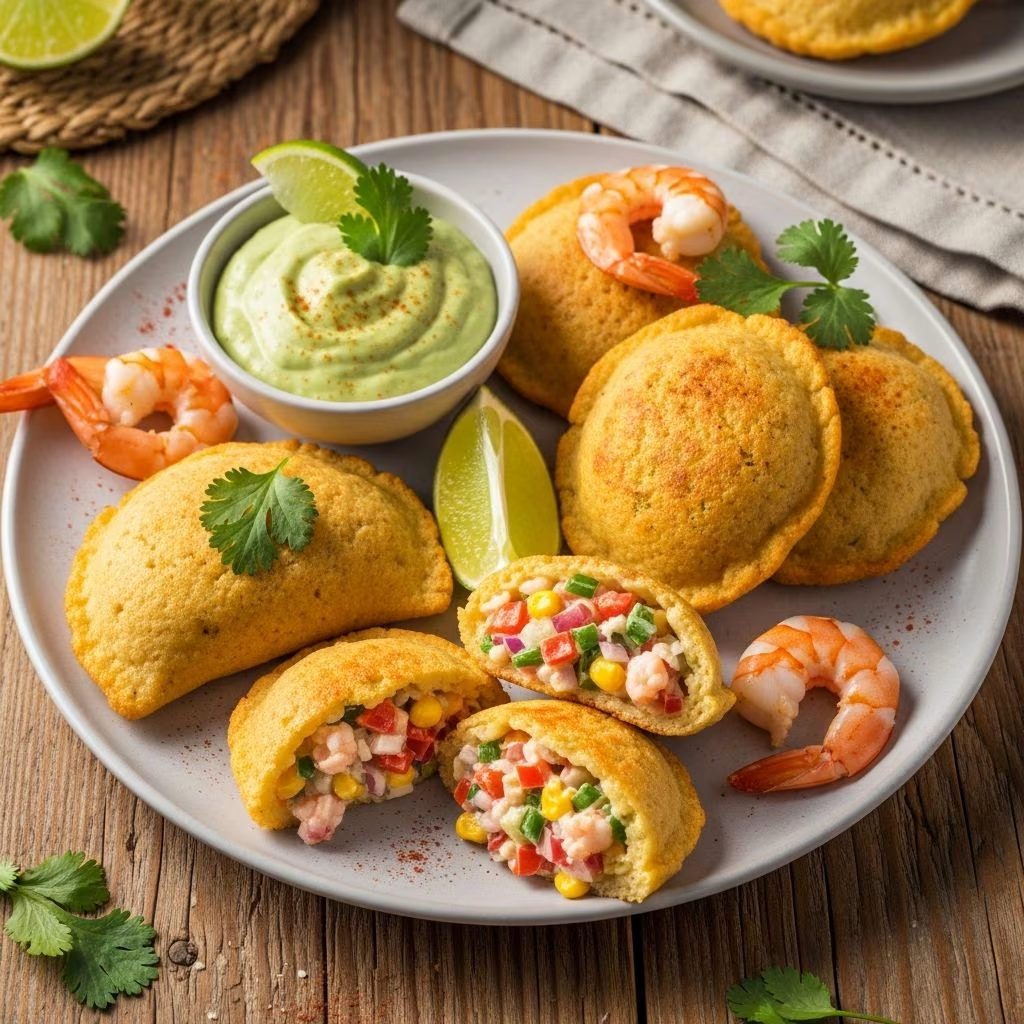
Fill each prepared shell generously with the shrimp mixture, then layer sliced onion, avocado slices, and fresh cilantro leaves over the filling. Serve immediately with lime wedges, allowing diners to squeeze fresh citrus over their portions just before eating. The acidic brightness of lime perfectly complements the rich, spiced shrimp preparation.
Flavor Customization Strategies
Chili Variations
Different chili varieties create distinctly different flavor profiles. Ancho chiles provide mild heat with chocolatey undertones, while habaneros deliver significant spiciness and fruity notes. Experimentation with various combinations allows you to develop preferences matching your personal spice tolerance and flavor preferences.
Aromatics and Seasonings
Ground cumin offers earthier characteristics than coriander, fundamentally changing the sauce’s personality. Additional garlic intensifies savory depth, while reduced sugar preserves brightness without sweetness. Fresh ginger or turmeric introduce unexpected dimensions that elevate the dish beyond traditional preparations.
Texture and Temperature Considerations
The interplay between textures contributes significantly to dining satisfaction. Crispy, golden shells provide satisfying crunch that contrasts with tender shrimp and creamy avocado. Onions add sharp crispness, while cilantro introduces subtle herbaceous notes. Temperature differences—serving warm shells with room-temperature accompaniments—enhance sensory experiences.
Nutritional Profile and Dietary Benefits
This preparation delivers substantial protein from shrimp, which provides essential amino acids necessary for muscle maintenance and tissue repair. Omega-3 fatty acids found in shellfish support cardiovascular and cognitive health. The corn-based shells provide dietary fiber and complex carbohydrates, while fresh vegetables contribute vitamins, minerals, and additional fiber. Using moderate amounts of fat and natural sweeteners keeps the overall nutritional profile balanced.
Storage and Make-Ahead Strategies
Dough Preparation
Masa dough can be prepared up to one day in advance and stored in airtight containers under refrigeration. Before using, allow it to reach room temperature for easier handling. Some cooks prefer preparing dough the morning of service to ensure optimal texture.
Sauce Components
The chili purée keeps well refrigerated for up to four days, making this an excellent element to prepare in advance. The final buttery sauce, however, should be prepared fresh just before serving to maintain optimal consistency and glossy appearance.
Cooked Shells
Baked corn shells maintain their crispness when cooled completely and stored in airtight containers at room temperature for up to two days. Reheat gently in a 175°C oven for five minutes to restore crispness before filling and serving.
Frequently Asked Questions
Can I use a food processor instead of a blender for the chile purée?
Yes, though the resulting texture may be slightly chunkier. A food processor requires longer processing time to achieve smoothness similar to blender results. If using a processor, process for at least two minutes, pausing occasionally to scrape down sides.
What’s the best way to prevent the shells from cracking during cooking?
Proper hydration of the masa dough is essential. If dough appears dry or crumbly, add water gradually. Additionally, ensure shells reach room temperature before opening them for filling. Attempting to cut open hot shells increases cracking risk.
Can I prepare the shrimp filling ahead of time?
While individual components can be prepared in advance, the assembled filled shells are best consumed immediately. The shrimp sauce can be prepared several hours ahead and gently reheated before serving.
What alternative fats work besides lard?
Vegetable oil, coconut oil, or avocado oil all produce acceptable results, though they lack the distinct flavor lard provides. Butter can partially replace lard but may produce slightly different texture in the dough.
How can I make this dish vegetarian?
Substitute the shrimp with mushrooms, black beans, or roasted vegetables prepared with the same sauce. Adjust cooking times accordingly—mushrooms require about five minutes of cooking in the sauce, while beans only need heating through.
Serving Suggestions and Pairing Ideas
These filled corn shells work beautifully as appetizers for entertaining, main courses for dinner, or special lunch preparations. Pair with Mexican lager beers, crisp white wines, or fresh agua fresca beverages. Complement with simple black bean or rice side dishes to create balanced meals. Fresh fruit salsas or pickled vegetables add brightness to the overall dining experience.
Scaling the Recipe for Gatherings
This recipe serves four people comfortably. To accommodate larger groups, multiply ingredient quantities proportionally. Each person typically consumes one filled shell, though appetizer servings use half-shells. Prepare sauce and shells in batches to maintain quality and prevent overcrowding cooking surfaces.
Conclusion and Final Thoughts
Mastering the preparation of shrimp-filled corn pockets opens culinary doors to impressive entertaining and satisfying everyday meals. The combination of traditional techniques with accessible ingredients creates dishes that appear far more complex than their actual preparation requires. Success depends less on exotic techniques and more on understanding ingredient interactions and respecting proper cooking temperatures and timing. With practice, these preparations become intuitive kitchen skills that produce consistently excellent results.
References
- Gorditas con Camarones – High-protein recipes — Patient.info. August 4, 2025. https://patient.info/recipes/high-protein-recipes/gorditas-con-camarones
- Nixtamalization and Nutritional Composition of Corn — Journal of Agricultural and Food Chemistry, American Chemical Society. https://pubs.acs.org/journal/jafcau
- Prawn gorditas with “return to life” sauce — SBS Food. https://www.sbs.com.au/food/recipe/prawn-gorditas-with-return-to-life-sauce-gorditas-de-camarones/euxja3nb2