Understanding the Fundamentals of This Classic Dish
Shrimp egg foo young represents a fascinating intersection of culinary traditions, combining European omelet-making techniques with Asian flavors and ingredients. This beloved dish has become a staple in restaurants worldwide, yet many home cooks hesitate to recreate it in their own kitchens. The beauty of this recipe lies in its deceptive simplicity—while the concept appears straightforward, mastering the technique requires understanding specific cooking methods and ingredient interactions.
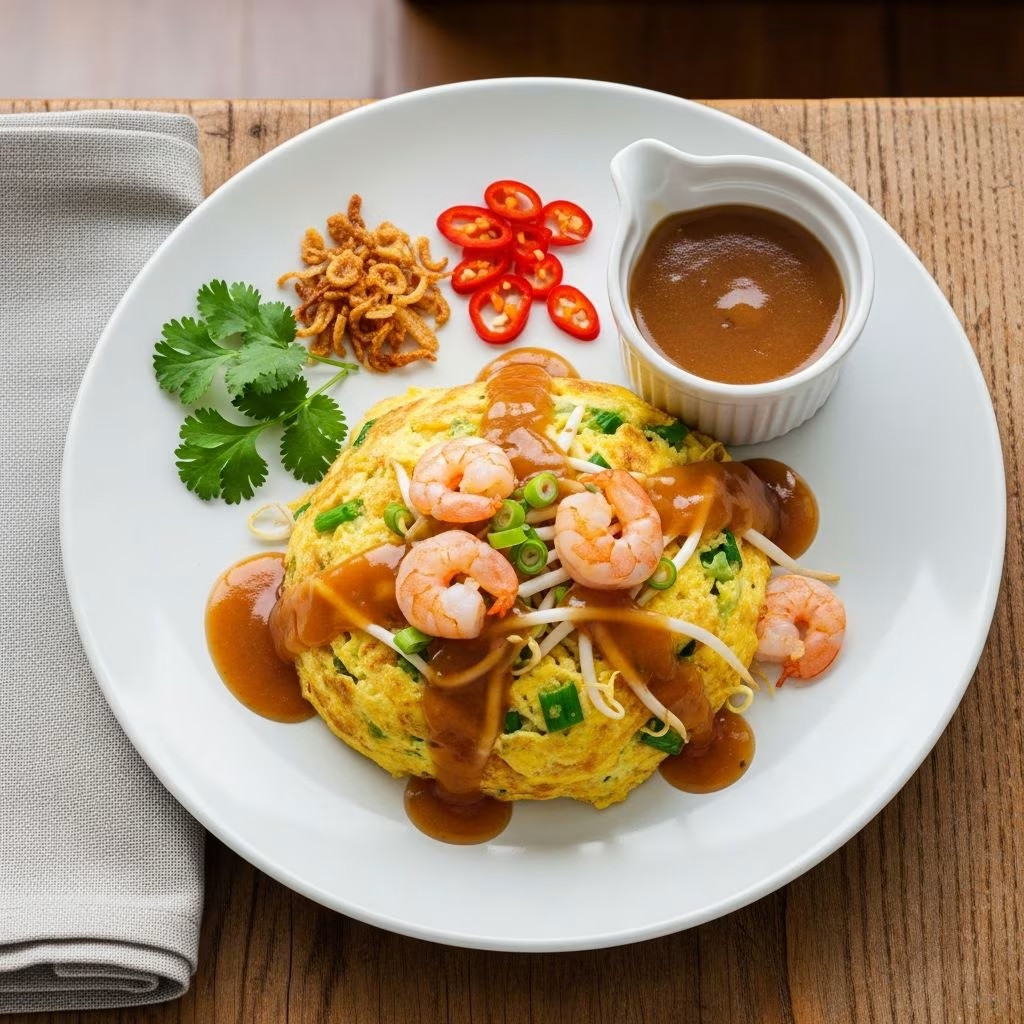
The dish itself consists of a golden-brown patty made primarily from beaten eggs, fresh shrimp, crisp vegetables, and aromatic seasonings. Unlike traditional French omelets that prioritize a soft, creamy interior, this version focuses on creating a structured patty with a pleasant textural contrast. The defining characteristic that sets this dish apart from a standard omelet is the accompanying sauce—a rich, savory gravy that brings all the elements together into a cohesive and satisfying meal.
Essential Ingredients and Selection Criteria
Protein Foundation: Choosing Quality Shrimp
The success of your shrimp egg foo young begins with selecting appropriate shrimp. Medium to large shrimp work best, as they provide substantial flavor and visible texture throughout the dish. Whether you choose fresh or frozen shrimp depends on availability and personal preference, though many chefs recommend thawing frozen shrimp completely before use. The shrimp should be peeled and deveined, creating a clean protein that incorporates seamlessly into the egg mixture.
One advanced technique involves velveting the shrimp—a Chinese cooking method where the protein is coated with a mixture of salt, sugar, and cornstarch before cooking. This process creates a protective barrier that keeps the shrimp tender and moist, preventing the protein from becoming rubbery during the frying process. Approximately one-eighth teaspoon of salt, one-quarter teaspoon of sugar, and one-half teaspoon of cornstarch per cup of shrimp creates the ideal velveting mixture.
Vegetable Components and Texture Balance
Bean sprouts form the vegetable backbone of this dish, contributing a delicate crunch that complements the soft eggs. These sprouts should be fresh and crisp rather than wilted, as they maintain their textural integrity during cooking. Plan for approximately one to two cups of bean sprouts per batch of patties, adjusting based on personal preference and the size of your pan.
Green onions or scallions add pungent aromatics and visual appeal through their contrasting colors. Dicing them finely ensures they distribute evenly throughout the mixture and cook completely. Some variations include diced bell peppers for additional sweetness and color contrast, while others incorporate minced onions for deeper savory notes. These vegetable additions create complexity and prevent the dish from becoming monotonous.
Egg Selection and Quality Considerations
Large eggs serve as the primary binding agent, typically using six eggs per batch of patties. The quality of eggs significantly impacts the final texture and flavor profile. Fresh eggs with vibrant yolks will produce superior results compared to older eggs with pale yolks. Each egg should be whisked thoroughly but not aggressively beaten, as over-mixing develops the gluten structure in the whites, resulting in a rubbery texture.
Creating the Perfect Egg Mixture
Combining ingredients for the patties requires a methodical approach that respects the chemistry of the mixture. Begin by whisking eggs in a large mixing bowl until they reach a uniform consistency. The next step involves adding shrimp, bean sprouts, green onions, and any additional vegetables you’ve selected. Incorporate sesame oil—typically one-quarter to one-half teaspoon—which contributes a distinctive nutty aroma and flavor.
The timing of mixture preparation proves crucial for achieving optimal results. Professional cooks recommend combining all ingredients just before cooking, rather than preparing the mixture in advance. This timing prevents the eggs from becoming overly beaten and watery, which would compromise the patty structure during frying. Additionally, avoiding salt and other seasonings in the mixture itself ensures proper cohesion during cooking; these flavors are better delivered through the accompanying sauce.
Mastering Oil Temperature and Cooking Techniques
Oil Selection and Temperature Control
The cooking medium significantly affects the final product’s quality and texture. Neutral oils such as canola, peanut, or avocado oil work best for this application. Avoid oils with low smoke points or strong flavors that might overpower the delicate balance of the dish. The oil should be heated to a specific temperature range—ideally between 335 and 350 degrees Fahrenheit (170-175 degrees Celsius).
Temperature control requires vigilance and proper equipment. A digital thermometer or candy thermometer provides accurate readings necessary for achieving consistent results. Oil that is too hot will cause the exterior to burn before the interior cooks properly, while oil that is insufficiently hot produces greasy patties with suboptimal texture. The target temperature ensures that the patties develop a golden-brown exterior while the interior cooks through evenly.
Cooking Methods: Pan-Frying Versus Deep-Frying
Two primary cooking approaches exist for preparing shrimp egg foo young patties. Deep-frying involves submerging the patties completely in heated oil, creating a uniformly golden exterior and light, airy interior. This method typically uses more oil and requires careful temperature management to prevent burning. Professional restaurants frequently employ this technique for consistent, restaurant-quality results.
Pan-frying offers a more accessible home cooking method using less oil while still delivering satisfactory results. This approach involves heating approximately one-quarter inch of oil in a skillet and carefully placing the egg mixture to cook until the bottom turns golden brown. The patty is then carefully flipped to cook the opposite side. This method requires less oil than deep-frying and works well for smaller batch quantities suitable for home kitchens.
Preparing the Signature Gravy Sauce
Building Flavor with a Roux Base
The accompanying sauce represents the dish’s defining characteristic, elevating it from a simple egg preparation to a complete culinary experience. The gravy begins with creating a roux—a mixture of oil and flour that serves as a thickening agent and flavor foundation. Heat two tablespoons of neutral oil in a saucepan over medium heat, then gradually whisk in two tablespoons of all-purpose flour until a smooth paste forms.
Incorporating spices into the roux creates complexity and visual appeal. Turmeric contributes a warm golden color and subtle earthy flavor, while paprika adds depth and a hint of smokiness. Cooking this mixture for 15 to 20 seconds allows the raw flour taste to diminish while the spices bloom and release their aromatic compounds. This brief cooking step transforms basic ingredients into a more sophisticated flavor foundation.
Building the Liquid Base
After establishing the roux, introduce minced garlic and finely chopped shallots or red onions to the pan. Whisk these aromatics for approximately 30 seconds, allowing their flavors to distribute evenly throughout the mixture. The goal is aromatic infusion rather than browning the vegetables, so maintain medium heat and stir constantly to prevent sticking.
Gradually add low-sodium chicken stock—approximately three cups—while whisking continuously to prevent lumps from forming in the roux. The mixture should reach a gentle simmer rather than a vigorous boil. Incorporate light soy sauce, oyster sauce, dark soy sauce, and sesame oil according to taste preferences, adjusting the proportions to achieve your desired balance of saltiness, umami depth, and aromatic richness.
Achieving the Ideal Consistency
Creating the proper sauce thickness requires using a cornstarch slurry—a mixture of cornstarch dissolved in cold liquid. Combine approximately three tablespoons of cornstarch with one-quarter cup of additional chicken stock, stirring until completely smooth. Slowly incorporate about two-thirds of this slurry into the simmering sauce while whisking constantly. Continue cooking for approximately 30 seconds, observing the consistency change as the sauce thickens.
The gravy should achieve a consistency that coats a spoon without dripping immediately. If the sauce appears too thin, add additional slurry incrementally until the desired thickness is achieved. Conversely, if the sauce becomes too thick, thin it gradually with additional warm stock. Season conservatively with salt or soy sauce, as these elements concentrate as the sauce cools and reduce further during storage.
Ingredient Comparison and Variations
| Component | Traditional Approach | Alternative Options | Impact on Dish |
|---|---|---|---|
| Oil Type | Canola or peanut oil | Avocado or grapeseed oil | Affects smoke point and flavor profile |
| Protein Preparation | Raw shrimp velveted | Pre-cooked shrimp | Velveting maintains juiciness; pre-cooked is quicker |
| Vegetables | Bean sprouts and green onions | Bell peppers, mushrooms, carrots | Different vegetables add unique flavors and textures |
| Oil Temperature | 335-350°F (170-175°C) | Slightly lower for crispier exteriors | Temperature dramatically affects final texture |
| Sauce Base | Chicken stock with soy sauce | Vegetable stock for lighter version | Changes overall flavor intensity and character |
Step-by-Step Preparation Timeline
Preparation Phase (15-20 minutes)
- Peel, devein, and chop shrimp, then prepare velveting mixture if using this technique
- Wash and thoroughly dry bean sprouts to prevent excess moisture in the egg mixture
- Slice green onions at a bias for visual appeal and even distribution
- Measure all sauce ingredients and have them organized and ready
- Use a digital thermometer to prepare oil heating equipment
Sauce Preparation Phase (10-15 minutes)
- Begin heating oil and preparing the roux while the egg mixture comes together
- Toast spices in the roux to develop flavor compounds
- Incorporate aromatics and stock gradually while whisking continuously
- Create cornstarch slurry just before using to prevent settling
- Allow sauce to achieve proper consistency before serving
Cooking Phase (10-15 minutes)
- Heat frying oil to exact temperature specification using a thermometer
- Combine egg mixture ingredients at the very last moment before cooking
- Use a ladle or appropriate measuring tool to portion mixture consistently
- Cook patties until deep golden brown on both sides
- Transfer to a serving platter and maintain warmth while cooking remaining batches
Common Challenges and Solutions
Patties Falling Apart During Cooking
This frequent issue typically results from over-mixing the egg mixture or adding salt before cooking. When eggs are beaten excessively, their proteins develop too much structure, causing them to become rubbery and prone to separation. Additionally, salt in the raw mixture causes protein denaturation that compromises binding. Solving this problem requires whisking eggs gently and adding salt only to the finished sauce.
Achieving Golden-Brown Color Without Burning
Oil temperature represents the primary factor controlling browning speed and color development. If patties burn quickly while remaining raw inside, reduce oil temperature slightly. Conversely, if patties remain pale and greasy, increase temperature carefully by five to ten degree increments. Using a thermometer rather than guessing ensures consistent results across multiple batches.
Managing Oil Quality During Multiple Batches
As patties cook, small food particles accumulate in the oil, potentially affecting subsequent batches. Straining oil between batches through cheesecloth or a fine-mesh strainer maintains quality. Additionally, allowing the oil to cool slightly before straining prevents burns and improves safety. Properly maintained oil can be reused multiple times if stored in a clean container.
Frequently Asked Questions
Can I prepare the egg mixture in advance?
Preparing the mixture more than a few minutes ahead is not recommended, as the eggs gradually break down and release moisture, compromising the structural integrity of the patties. For best results, combine ingredients immediately before cooking.
What’s the difference between egg foo young and a regular omelet?
While both are egg-based dishes, egg foo young creates a substantial patty through deep-frying and is served with gravy, whereas omelets are typically pan-fried and served plain or with fillings folded inside.
Is velveting shrimp truly necessary?
Velveting improves shrimp tenderness but is not strictly necessary. Pre-cooked shrimp can be substituted for a quicker preparation, though raw velveted shrimp produces superior texture and moisture retention.
Can I make this dish vegetarian?
Absolutely—substitute shrimp with mushrooms, additional vegetables, or tofu. Adjust sauce ingredients accordingly, replacing chicken stock with vegetable stock as needed.
How long does shrimp egg foo young keep refrigerated?
Properly stored in an airtight container, this dish keeps for two to three days. Reheat gently in a low oven or microwave to prevent texture degradation.
Serving Suggestions and Pairings
Shrimp egg foo young pairs beautifully with steamed white or brown rice, allowing diners to combine the patty, sauce, and rice according to personal preference. Fried rice offers a more substantial accompaniment, while simple steamed vegetables provide a lighter alternative. A crisp cucumber salad with rice vinegar dressing provides refreshing contrast to the rich, savory main dish.
For beverage pairings, jasmine tea complements the dish’s aromatic qualities, while light beer or crisp white wine offers additional options. In restaurants, this dish frequently appears as part of a larger meal, combining with other preparations for a varied dining experience.
Presentation matters when serving this dish. Arrange the golden patty on a plate, then generously spoon warm sauce over the top, allowing it to cascade down the sides. Garnish with sesame seeds, additional sliced green onions, or cilantro for color and freshness. The visual appeal of a well-presented dish enhances the overall dining experience considerably.
References
- The Woks of Life – Shrimp Egg Foo Young Recipe — The Woks of Life. Accessed April 2026. https://thewoksoflife.com/shrimp-egg-foo-young/
- Running to the Kitchen – Shrimp Egg Foo Young — Running to the Kitchen. Accessed April 2026. https://www.runningtothekitchen.com/shrimp-egg-foo-young/
- Food Faith Fitness – Shrimp Egg Foo Young Recipe — Food Faith Fitness. Accessed April 2026. https://www.foodfaithfitness.com/shrimp-egg-foo-young/
- Velveting Techniques in Chinese Cooking — Culinary Institute of America. Educational Material. https://www.ciachef.edu/