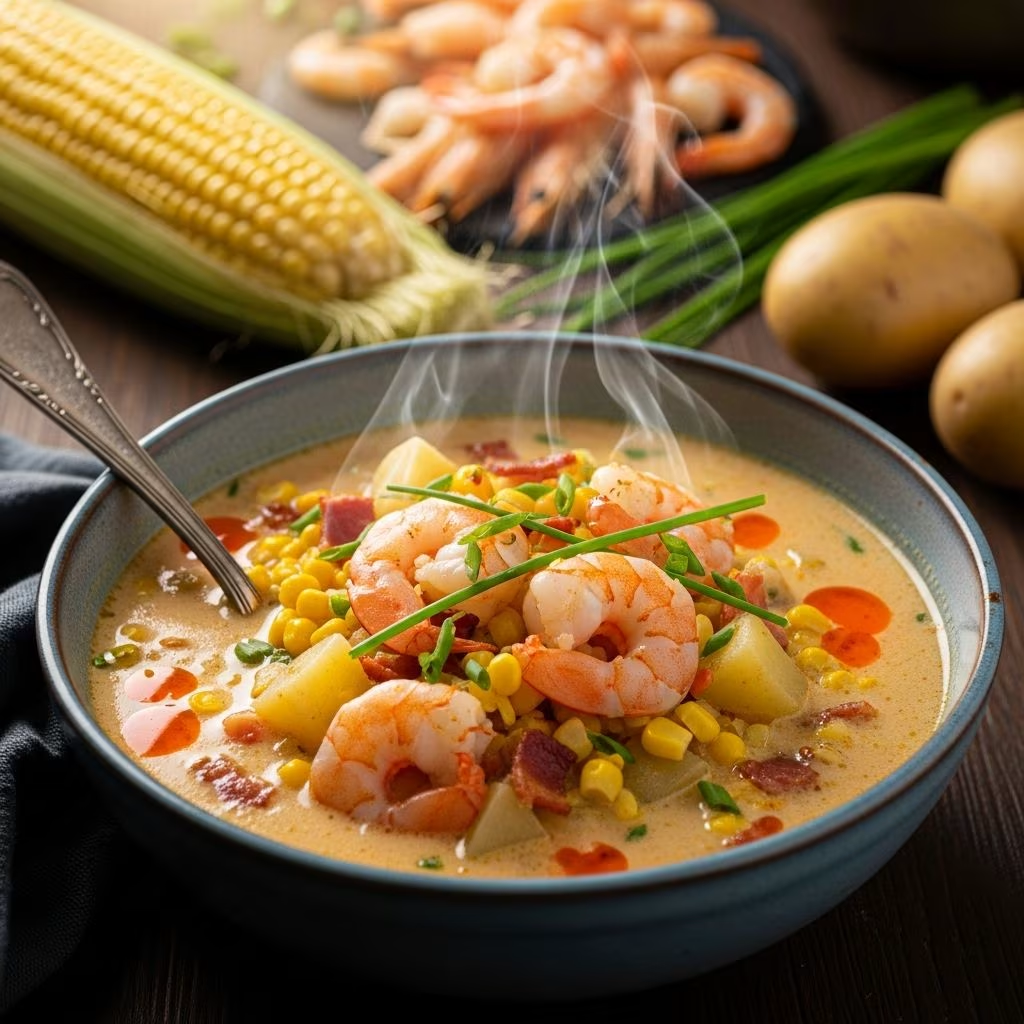
Shrimp chowder represents a timeless classic in seafood cuisine, offering comfort and sophistication in a single bowl. Unlike its more traditional cousins featuring clams or fish, shrimp chowder delivers a delicate sweetness paired with hearty vegetables and a velvety broth. This versatile dish can be adapted to suit various dietary preferences while maintaining its essential character as a warming, satisfying meal.
Understanding the Foundations of Quality Chowder
The foundation of any exceptional chowder begins with understanding its core components. A proper chowder contains three essential elements: protein, vegetables, and a thickened broth base. The protein in this case, shrimp, should be fresh or properly thawed if frozen, with a firm texture and mild oceanic aroma. The vegetables serve dual purposes—they add nutritional value and create depth of flavor through their natural sugars and compounds. The broth base, typically thickened with a roux or other thickening agents, provides the creamy consistency that defines this soup style.
Selecting Premium Ingredients for Superior Results
Beginning with quality ingredients ensures superior final results. When choosing shrimp, select medium to large varieties that hold their shape during cooking. Smaller shrimp tend to become rubbery when simmered, while larger specimens provide better texture and visual appeal. The shrimp should be peeled and deveined before cooking, which removes the digestive tract and makes consumption more pleasant.
For vegetables, consistency in size matters significantly. Uniformly diced potatoes, carrots, and celery cook at similar rates, preventing some ingredients from becoming mushy while others remain undercooked. Yukon Gold potatoes are preferred because they maintain their structure and add subtle buttery notes to the broth. Sweet onions provide a gentler flavor than their sharper counterparts, contributing natural sweetness that complements the shrimp.
Culinary Techniques for Building Flavor Layers
Professional chefs build flavor through layered cooking techniques. The initial sautéing of aromatics—onions, carrots, and celery—in butter or oil releases their aromatic compounds, creating an olfactory foundation for the dish. This foundational step should occur over medium heat for several minutes, allowing the vegetables to soften slightly and release their sugars.
Creating a roux represents the next critical step. Combining equal parts fat and flour creates a thickening agent that prevents lumps from forming in the broth. Cooking the roux briefly over medium heat creates a pale mixture that will thicken liquids without imparting a raw flour taste. When adding liquid, introduce it gradually while whisking constantly to ensure smooth integration and prevent clump formation.
Broth Foundations and Liquid Ratios
The liquid component of chowder determines its final consistency and flavor profile. Most recipes employ a combination of broth—whether vegetable, chicken, or seafood—paired with milk or cream. The ratio of broth to dairy significantly impacts the final dish. A 60% broth to 40% dairy ratio creates a balanced soup that remains flavorful without becoming overwhelming in richness.
Some recipes incorporate homemade shrimp stock created from shrimp shells, aromatics, and wine. This technique, while more time-intensive, produces superior flavor through the extraction of shrimp essence. For those preferring convenience, commercial seafood broths provide acceptable results with minimal preparation.
Seasoning Strategy and Flavor Harmony
Proper seasoning elevates chowder from pleasant to memorable. Traditional seasonings for shrimp chowder include Old Bay seasoning, which combines celery salt, paprika, and various spices. Fresh or dried thyme adds herbaceous notes that complement both shrimp and potatoes. Bay leaves provide subtle depth but should be removed before serving. Salt and pepper require careful calibration—added incrementally throughout cooking allows adjustment as other flavors develop.
Additional flavor enhancers might include smoked paprika for subtle depth, ground cumin for warmth, or fresh dill for brightness. Each addition should be considered intentionally, ensuring it enhances rather than obscures the primary shrimp flavor.
Cooking Timeline and Temperature Management
Successful chowder preparation follows a deliberate timeline. Initial vegetable sautéing requires approximately three to five minutes. Once the roux forms and briefly cooks, liquid addition begins—this process should occur over several minutes to prevent lumping. After liquid integration, the mixture requires a gentle boil for approximately fifteen to twenty minutes, allowing potatoes to soften completely and flavors to meld.
Adding shrimp requires precise timing. Overcooking shrimp results in rubbery texture and loss of delicate sweetness. Shrimp typically require only three to five minutes at a gentle simmer before achieving opaque flesh and firm texture. Adding shrimp too early results in overcooked protein; too late results in undercooked seafood. A visual check—watching for the color transformation from translucent gray to opaque pink—provides the most reliable indicator of doneness.
Creative Variations and Personalization
While the classic formula remains timeless, creative variations accommodate different preferences and culinary traditions. Corn addition brings sweetness and textural interest, creating a shrimp-corn chowder variation that appeals to diverse palates. Roasted red peppers introduce smokiness and visual vibrancy. Fresh herbs like parsley or cilantro added at service time provide brightness that cuts through richness.
For health-conscious preparations, substituting heavy cream with evaporated skim milk or Greek yogurt reduces fat content while maintaining creamy texture. This adaptation creates a lighter version without sacrificing satisfaction. Bacon additions contribute salty umami notes that enhance overall depth, though this remains optional.
Serving Suggestions and Presentation Techniques
Presentation impacts the dining experience significantly. Serving chowder in warm bowls maintains temperature and creates welcoming atmosphere. Garnishes serve both aesthetic and functional purposes—crispy bacon bits provide textural contrast, fresh herbs offer visual appeal and flavor brightness, and oyster crackers supply crunch that contrasts creamy soup. A drizzle of good quality olive oil or a sprinkle of smoked paprika elevates presentation from simple to sophisticated.
Chowder pairs well with various accompaniments. Crusty bread for dunking provides textural contrast and practical utility. Simple green salads offer refreshing balance to richness. For heartier preparations, serving chowder as part of a seafood-focused menu with fresh oysters or clams creates elegant dining experiences.
Storage and Make-Ahead Considerations
Chowder possesses excellent storage properties, improving as flavors meld overnight. Proper storage in airtight containers maintains quality for three to four days in refrigeration. Freezing requires special consideration—while the soup itself freezes well, the shrimp may become slightly tough upon thawing. For make-ahead convenience, prepare the base through the point of adding shrimp, then complete the final steps just before serving.
Reheating should occur gently over medium-low heat, stirring occasionally to ensure even warming. Rapid reheating may cause curdling if dairy components are present. Adding a splash of fresh broth or milk during reheating helps restore ideal consistency, as chowder naturally thickens during storage.
Frequently Asked Questions
What size shrimp works best for chowder?
Medium to large shrimp provide optimal texture and flavor. Jumbo shrimp can overshadow other ingredients, while small shrimp tend to become tough when simmered. Medium shrimp, typically 31 to 40 count per pound, offer the best balance.
Can I use frozen shrimp?
Frozen shrimp work well when properly thawed. Thaw completely under refrigeration before incorporating into the recipe. Frozen shrimp that’s thawed and cooked maintains good texture when handled carefully.
What’s the best substitute for heavy cream?
Half-and-half, evaporated milk, or a combination of milk and butter can replace heavy cream. For dairy-free preparations, full-fat coconut milk or cashew cream work effectively while maintaining creamy texture.
How can I make a lighter version?
Substitute heavy cream with 2% milk, reduce butter quantity, and skip bacon additions. Increasing vegetable proportions boosts nutritional content and satisfaction without adding significant calories.
Can chowder be made in advance?
Prepare the soup base through the potato-cooking stage and refrigerate. Add shrimp just before serving to maintain optimal texture and prevent overcooking.
Ingredient Selection Summary
| Ingredient Category | Recommended Choice | Alternative Options |
|---|---|---|
| Shrimp | Medium, peeled, deveined | Large shrimp, or frozen thawed |
| Potatoes | Yukon Gold | Red potatoes, Russet |
| Broth | Seafood or vegetable broth | Chicken broth, or homemade stock |
| Cream Component | Heavy cream or half-and-half | Evaporated milk, Greek yogurt |
| Seasoning Base | Old Bay seasoning, thyme | Smoked paprika, fresh dill |
Conclusion: Mastering Your Chowder Craft
Creating exceptional shrimp chowder combines technical understanding with creative expression. Proper ingredient selection, deliberate cooking techniques, and thoughtful seasoning create dishes that satisfy both the palate and the soul. Whether preparing a simple weeknight dinner or an elegant entertaining centerpiece, shrimp chowder adapts to your intentions while delivering consistent comfort and flavor. With practice and attention to these foundational principles, anyone can master this classic seafood preparation and make it their signature dish.
References
- Seafood Cooking Guide — NOAA Fisheries. 2024. https://www.fisheries.noaa.gov/
- Culinary Techniques and Food Safety — U.S. Department of Agriculture Food Safety and Inspection Service. 2025. https://www.fsis.usda.gov/
- Professional Cooking Standards — Culinary Institute of America. 2024. https://www.ciachef.edu/
- Food Storage and Preservation Best Practices — National Center for Home Food Preservation. 2024. https://nchfp.uga.edu/