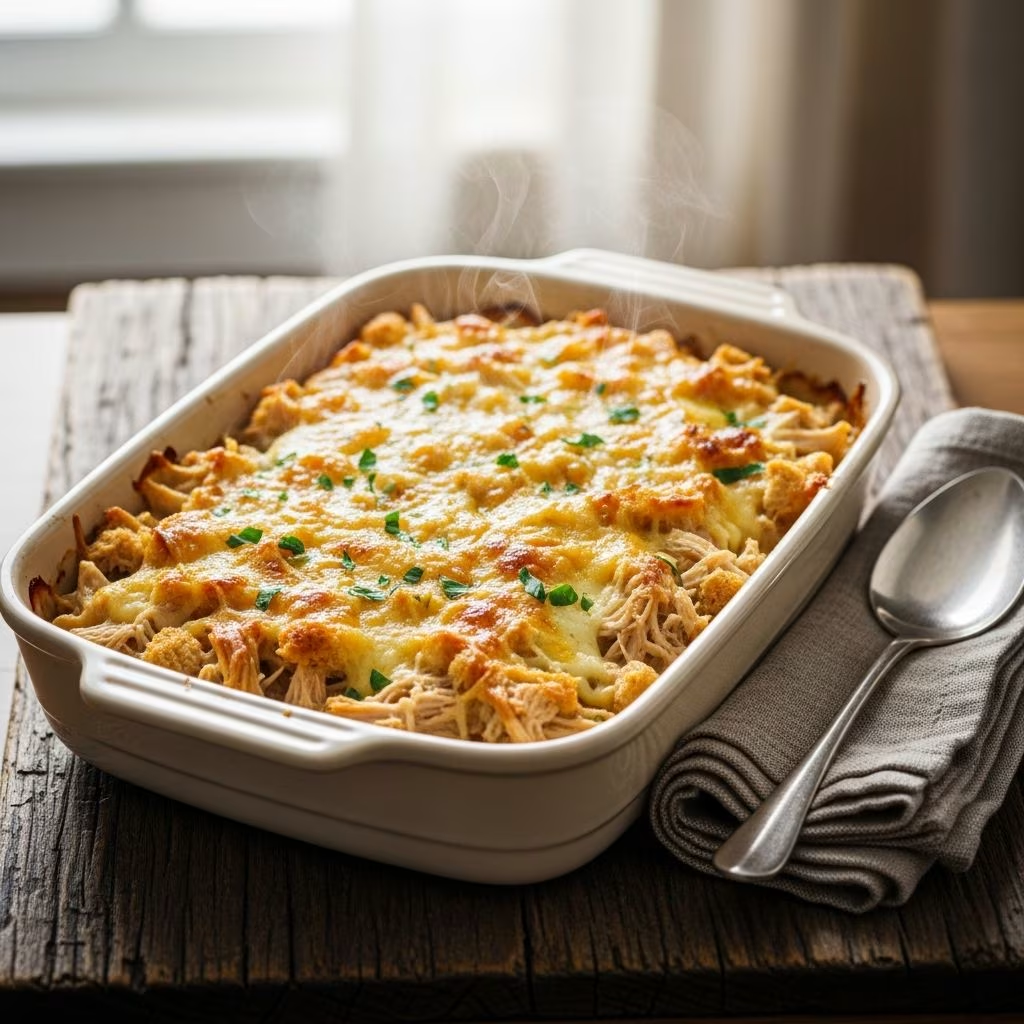
A well-executed shredded chicken casserole represents one of the most versatile and satisfying dishes in any home cook’s repertoire. This comforting baked meal combines tender poultry, creamy binding ingredients, and a textured topping to create something greater than the sum of its parts. Whether you’re preparing dinner for your family on a busy weeknight or bringing a dish to a potluck gathering, understanding the fundamental techniques and ingredient combinations will elevate your casserole-making skills.
Understanding the Foundation: Core Components of a Successful Casserole
Every excellent chicken casserole starts with a clear understanding of how its basic elements work together. The dish relies on three primary layers: the protein base, the creamy binding sauce, and the textured topping that provides contrast and visual appeal.
The protein foundation begins with properly prepared shredded chicken. Using high-quality poultry ensures better flavor and texture throughout the finished dish. Rotisserie chicken from your local grocery store offers exceptional convenience and requires minimal preparation. Alternatively, cooking boneless, skinless chicken breasts or thighs provides more control over the cooking process and allows you to customize seasoning to your preferences.
The creamy layer acts as the binding agent that holds everything together while adding richness and depth. Traditional casserole recipes typically employ cream-based soups combined with sour cream or other dairy products to achieve the desired consistency and flavor profile.
Preparing Your Poultry: Techniques for Optimal Shredding
Achieving perfectly shredded chicken requires understanding the best methods for breaking down cooked poultry into uniform, manageable pieces. The process affects not only the appearance of your casserole but also how evenly the ingredients distribute throughout the dish.
Hand Mixer Method: Place cooked chicken pieces in a mixing bowl and use a hand mixer set to medium speed. This technique shreds boneless chicken breasts or rotisserie chicken meat in approximately one minute, producing consistent texture without requiring manual labor.
Fork Separation: For those without electrical appliances, two forks work effectively. Hold one fork as an anchor while drawing the other fork away from it repeatedly, gradually breaking apart the meat fibers until reaching desired shred size.
Kitchen Shears: Sturdy kitchen shears allow precise control over piece size, though this method requires more time and effort than mechanical alternatives.
Building Flavor Through Ingredient Selection and Combination
Beyond basic protein and cream, the seasonings and complementary ingredients determine whether your casserole tastes bland or deeply satisfying. Understanding how different components interact helps you make intentional choices rather than following recipes blindly.
Aromatic compounds such as onion powder and garlic powder create the savory foundation that makes casseroles crave-worthy. These dried ingredients distribute evenly throughout the cream sauce, ensuring consistent flavor in every bite. Salt and freshly ground black pepper provide essential seasoning balance.
Cheese selection significantly impacts both flavor and texture. Cheddar cheese melts smoothly and provides a familiar, comforting taste. Mexican cheese blends work wonderfully for Tex-Mex variations, while colby jack offers a milder alternative.
Creative variations invite different ingredients. Some cooks incorporate vegetables like corn, black beans, or diced bell peppers. Others add crumbled bacon, fresh herbs, or ranch seasoning mix to create their signature versions. Experimentation within the basic framework allows personalization while maintaining the structural integrity of the dish.
The Creamy Sauce: Achieving Proper Consistency and Richness
The sauce represents the casserole’s binding element, carrying flavors and holding components together during baking. Understanding sauce preparation prevents common pitfalls like dishes that are too watery or overly thick.
Condensed cream soups serve as convenient sauce bases, providing both liquid and creamy texture. One 10.5-ounce can typically requires supplementation with additional dairy to prevent excessive thickness. Sour cream adds tanginess alongside richness, while Greek yogurt offers a lighter alternative with similar creamy properties.
Combining these ingredients requires thorough mixing in a separate bowl before folding in the chicken and other components. This approach ensures even flavor distribution and prevents pockets of unmixed seasoning.
Preparation Steps: From Assembly to Oven-Ready
Successful casserole preparation follows a logical sequence that builds layers of flavor while maintaining structural integrity.
- Preheat your oven to the appropriate temperature, typically between 350°F and 375°F, ensuring even heat distribution during baking
- Lightly coat your baking dish with cooking spray, preventing sticking and facilitating easier serving and cleanup
- Combine all sauce ingredients and seasonings in a large bowl, stirring thoroughly to distribute flavoring agents evenly
- Fold prepared shredded chicken into the sauce mixture gently, ensuring each piece contacts the creamy binding without over-mixing
- Transfer the combined mixture to your prepared baking dish, spreading evenly across the bottom
- Prepare your topping by combining crushed crackers or breadcrumbs with melted butter in a separate bowl
- Distribute the topping mixture evenly over the chicken layer
- Sprinkle additional shredded cheese over the topping if desired, creating an attractive final appearance
Baking Techniques: Temperature, Timing, and Doneness Indicators
Proper baking transforms raw ingredients into a cohesive, appetizing dish. Following temperature guidelines and recognizing visual cues ensures success.
Most chicken casseroles bake at 350°F to 375°F for 30 to 40 minutes. The lower temperature provides gentler, more even cooking, while the higher setting may brown the topping more quickly. Oven calibration varies between appliances, so checking at the lower time estimate prevents overcooking.
Visual indicators of doneness include gentle bubbling around the casserole’s edges and a golden-brown topping. The filling should show visible steam when you gently move the casserole dish. If the topping browns too quickly before the filling heats through, cover with aluminum foil for the remaining baking time.
Resting Period: Why Patience Matters
Allowing your casserole to rest after baking serves essential purposes beyond mere convenience. A 15 to 20-minute resting period permits the filling to thicken as it cools slightly, transforming a potentially soupy consistency into a stable, slice-able dish. This step dramatically improves both texture and presentation.
During resting, flavors continue melding and intensifying. The topping sets and becomes crispier as it cools slightly. Serving immediately after removal from the oven results in runny casserole that loses its structural integrity on the plate.
Ingredient Variations and Creative Adaptations
| Variation Type | Key Ingredients | Flavor Profile |
|---|---|---|
| Classic Comfort | Cream soup, sour cream, cheddar, crackers | Traditional, mild, universally appealing |
| Mexican-Inspired | Salsa, black beans, corn, Mexican cheese blend | Bold, spiced, Tex-Mex influenced |
| Ranch Variation | Ranch seasoning, bacon, panko breadcrumbs | Savory, smoky, herbaceous notes |
| Vegetable-Enhanced | Bell peppers, green peas, cream sauce | Fresh, lighter, nutritionally balanced |
| Gourmet Update | Cream cheese, cottage cheese, almonds | Rich, sophisticated, elegant presentation |
Storage and Make-Ahead Strategies
Casseroles offer excellent flexibility for meal planning and preparation. Understanding proper storage techniques extends the dish’s usefulness beyond a single meal.
Refrigerated storage maintains quality for three to four days. Allow the casserole to cool to room temperature before covering with plastic wrap or transferring to airtight containers. Proper storage prevents bacterial growth while preserving flavors and textures.
Freezing permits longer-term storage spanning up to three months. Assemble the casserole completely without baking, cover tightly with plastic wrap followed by aluminum foil, and label with the contents and date. Thaw overnight in the refrigerator before baking according to standard instructions, potentially adding five to ten minutes to the recommended baking time.
Alternatively, bake the casserole completely, cool thoroughly, then freeze in portions for convenient individual reheating. Microwave defrosted portions or reheat in a 325°F oven until warmed through.
Frequently Asked Questions About Chicken Casserole
Can I use fresh chicken instead of rotisserie chicken? Yes, poach boneless chicken breasts in simmering water for 12 to 15 minutes until cooked through, then shred using your preferred method. This approach provides more control over seasoning.
What if my casserole seems too watery? Reduce the liquid by using less sour cream or cream soup, or thicken with a cornstarch slurry mixed with cold water, stirred into the sauce before baking.
Can I substitute the topping? Breadcrumbs, panko, crushed cereal, or even potato chips work as topping alternatives. Combine your chosen topping with melted butter following standard instructions.
Is this dish freezer-friendly? Absolutely. Freeze before baking for best results, adding extra baking time as needed. Fully baked casseroles also freeze well when stored properly.
Can I prepare this dish ahead of time? Assemble the casserole up to 24 hours in advance, covering and refrigerating until ready to bake. Add five to ten minutes to baking time for cold dishes.
Serving Suggestions and Complementary Dishes
While delicious on its own, chicken casserole pairs beautifully with simple accompaniments that don’t overshadow the main dish. A crisp green salad with vinaigrette provides refreshing contrast. Steamed green beans or roasted vegetables add nutritional balance and textural variety.
For casual family meals, serve directly from the baking dish with warm rolls or cornbread. For more formal presentations, portion individual servings onto dinner plates and garnish with fresh herbs or sliced green onions.
Beverages that complement chicken casserole include unsweetened iced tea, lemonade, or a light white wine like Pinot Grigio or Sauvignon Blanc.
Troubleshooting Common Issues
Understanding potential problems and their solutions ensures consistent success. If your casserole browns unevenly, rotate the dish halfway through baking or cover with foil to protect darker areas. If the topping fails to crisp, increase oven temperature slightly for the final five minutes or broil briefly under close supervision.
Dry casseroles indicate excessive baking time or insufficient sauce. Use the resting period to allow thickening, and remember that slightly loose consistency while hot firms up during cooling. Overcrowded baking dishes may require extended cooking times as heat penetrates less efficiently.
References
- Easy Weeknight Chicken Casserole — Preppy Kitchen. 2024. https://preppykitchen.com/chicken-casserole/
- Shredded Mexican Chicken Casserole — Easy Family Recipes. 2024. https://easyfamilyrecipes.com/shredded-mexican-chicken-casserole/
- Million Dollar Chicken Casserole — Plain Chicken. 2024. https://www.plainchicken.com/million-dollar-chicken-casserole/
- Ranch Crack Chicken Casserole Recipe — Hidden Valley Official Site. 2024. https://www.hiddenvalley.com/recipe/crack-chicken-casserole/
- Easy Chicken Taco Casserole (Dump-and-Bake!) — Real Food Whole Life. 2024. https://realfoodwholelife.com/recipes/chicken-taco-casserole/