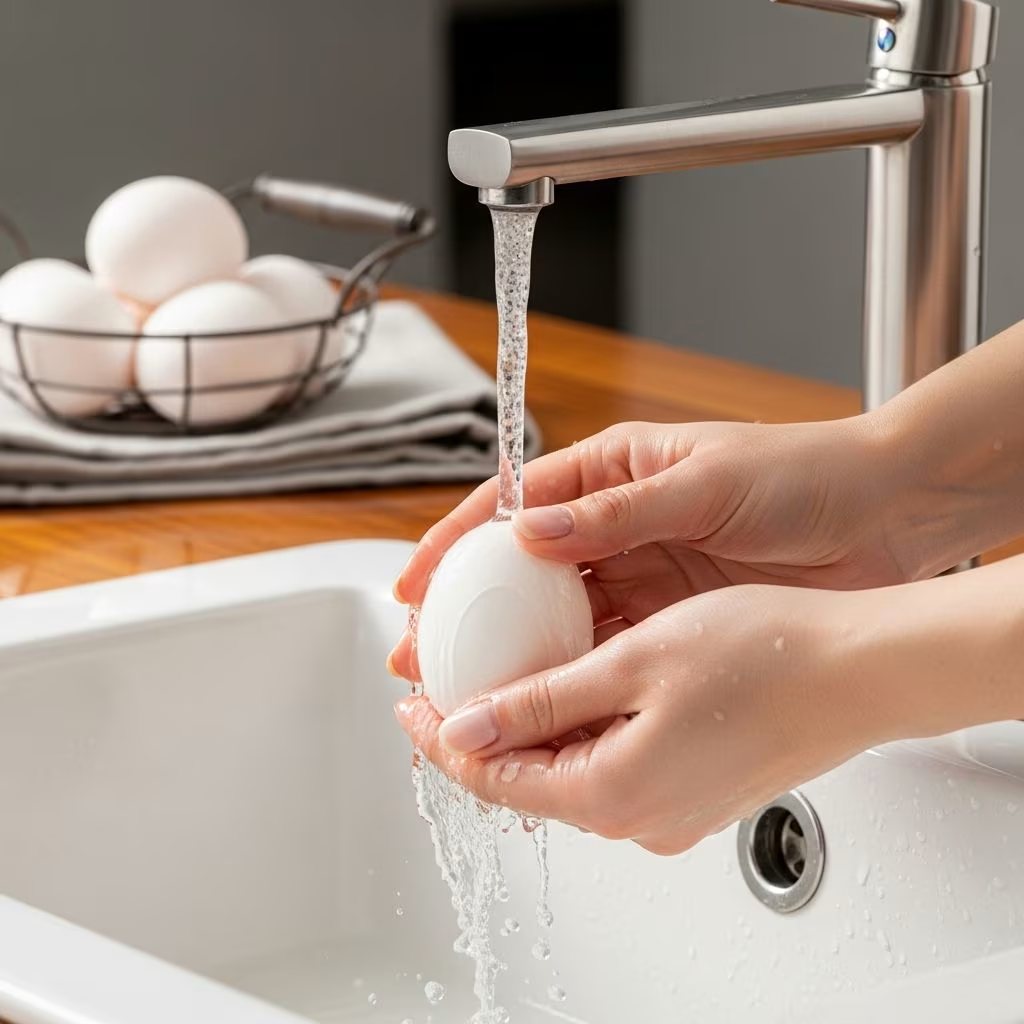
One of the most common kitchen questions involves whether eggs require washing before use or storage. The answer is more nuanced than a simple yes or no. Understanding the science behind egg shells, bacterial contamination, and proper handling techniques can help you make informed decisions about your eggs, whether they come from your backyard flock, a local farm, or the grocery store.
The Natural Protective Layer: What You Need to Know About Egg Bloom
Eggs possess a remarkable natural defense mechanism that many people don’t realize exists. When a hen lays an egg, it emerges coated with a thin, waxy protective layer commonly referred to as the bloom or cuticle. This microscopic coating serves as nature’s first line of defense against harmful bacteria and environmental contaminants.
The bloom functions as a semipermeable membrane that allows necessary gas and moisture exchange through the egg shell while simultaneously blocking bacterial entry from the outside environment. This means that bacteria cannot easily penetrate a dry, bloom-intact egg even if pathogens are present on the shell surface. The cuticle essentially creates an invisible barrier that maintains the egg’s integrity and extends its shelf life significantly.
Understanding this natural protection is crucial because any action that damages or removes the bloom directly impacts how long an egg remains safe and edible. This fundamental biological fact forms the basis of much of the debate surrounding egg washing practices worldwide.
The Global Divide: How Different Countries Approach Egg Washing
Interestingly, the world is divided on egg washing practices. The United States, Japan, New Zealand, and Australia all implement mandatory or widespread egg washing, while most other countries do not. This geographic split reflects different regulatory philosophies, disease prevalence rates, and consumer preferences regarding food safety.
In countries that don’t wash eggs commercially, consumers are responsible for washing eggs immediately before use. This approach maintains the bloom throughout storage and transport, preserving the egg’s natural protective coating until the very moment of preparation. Understanding this international context helps clarify why eggs are treated differently depending on where you live and where they originate.
Bacterial Contamination Risks: What Actually Gets Inside
The primary concern driving egg washing discussions is bacterial contamination, particularly Salmonella, which is commonly associated with poultry. This pathogenic bacterium can potentially contaminate egg shells through contact with fecal matter, as the chicken’s vent serves dual purposes for both egg and waste elimination.
Key contamination realities include:
- Shells that appear visibly clean can still harbor dangerous microorganisms
- Dirty shells readily transfer bacteria to kitchen surfaces, utensils, hands, and other foods
- Egg shells contain numerous tiny pores through which harmful bacteria can potentially penetrate
- Cross-contamination occurs when unwashed eggs contact other refrigerated items
However, the presence of bacteria on the external shell does not automatically mean the bacteria will enter the egg. The bloom coating provides substantial protection by preventing bacterial migration into the porous shell structure.
The Water Temperature Factor: Why Heat Matters
If you decide to wash eggs, water temperature becomes critically important. This is where many home cooks make a dangerous mistake. Warm or hot water should always be used—never cold water. Here’s why this distinction matters significantly:
When eggs contact cold water, a vacuum effect occurs. Cold water creates pressure differences that actually pull unwanted bacteria deeper into the egg rather than removing it. This counterintuitive outcome means that washing with cold water actively increases contamination risk rather than reducing it.
The ideal approach involves using water that is approximately 20 degrees Fahrenheit warmer than the egg itself, or warmer. Using water between 90-120°F proves most effective. This temperature differential causes the egg to expand slightly, which helps push bacteria outward rather than drawing contaminants inward. Importantly, eggs should not soak in standing water; instead, they should be moistened until dirty spots soften, then wiped and dried promptly.
Washing Techniques: Proper Methods for Dirty Eggs
When eggs require cleaning—such as when they have visible debris, bedding material, or fecal matter—specific techniques preserve shell integrity while effectively removing contaminants.
| Washing Method | Procedure | Best Use Case |
|---|---|---|
| Dry Wiping | Gently brush debris using a cloth or soft material; do not scrub forcefully | Minimal surface debris without fecal matter |
| Warm Water Rinse | Use 90-120°F water; moisten egg until dirt softens; wipe gently; do not soak | Moderate soiling requiring deeper cleaning |
| Unscented Soap | Apply unscented soap with warm water; rinse thoroughly; avoid antibacterial varieties | Visible fecal matter or heavy soiling |
| Chlorine Sanitizer | Use 50-100ppm solution (1 oz bleach per 2 gallons water); final rinse must not exceed 4ppm for organic eggs | Commercial operations requiring regulatory compliance |
Critically, aggressive scrubbing should always be avoided because it can damage the shell structure and compromise integrity. The goal is removing visible contamination while preserving the shell’s protective qualities.
The Storage Question: Refrigeration After Washing
One fundamental rule applies universally: if eggs are washed, they must be refrigerated. This requirement exists because washing removes the bloom, eliminating the natural protection that allows unwashed eggs to remain stable at room temperature.
Storage comparisons reveal significant differences:
- Unwashed eggs: Last approximately 2 weeks unrefrigerated and at least 3 months when refrigerated
- Washed eggs: Require immediate refrigeration and have shortened shelf life due to bloom removal
- Unwashed eggs stored at room temperature: Remain fresh and safe for several weeks when kept in a cool environment
This storage difference represents a significant advantage for unwashed eggs, particularly in scenarios where reliable refrigeration is unavailable or when extended storage is desired.
Making Your Decision: Weighing the Advantages and Disadvantages
The choice between washing and not washing eggs depends on multiple factors unique to your situation. Consider both the practical and safety dimensions:
Advantages of Washing Eggs:
- Removes visible feathers, dirt, and fecal matter from shell surfaces
- Eliminates psychological discomfort (“the ick factor”) some people experience
- Prevents shell debris from contaminating other foods in shared refrigerator space
- Meets state and local regulatory requirements in many jurisdictions
Disadvantages of Washing Eggs:
- Removes the protective bloom coating, reducing natural shelf life
- Requires immediate refrigeration after washing
- Takes considerable time when managing large quantities of eggs
- Shortened storage window compared to unwashed alternatives
Regional Requirements and Regulations
An important factor many egg producers and consumers overlook involves local and state regulations. Many jurisdictions require commercial producers to wash eggs before sale. If you’re selling eggs from your property, checking specific state regulations about farm egg sales becomes essential before deciding on your washing protocol.
For consumers purchasing eggs, understanding where eggs originated and what processing they’ve already undergone informs proper handling decisions. Commercial grocery store eggs have already been washed and treated, requiring different care than fresh farm eggs obtained directly from producers.
The Consumer’s Responsibility: Pre-Use Washing
A critical distinction exists between commercial washing and consumer-level preparation. In countries that don’t commercially wash eggs, consumers should wash eggs immediately before use. This practice combines the best of both approaches: maintaining the protective bloom during storage while removing any surface contamination immediately before the egg is broken and used.
In the United States, most consumers aren’t accustomed to this pre-use washing practice since commercially purchased eggs arrive pre-washed. However, if you obtain unwashed fresh eggs from local sources or backyard flocks, washing immediately before cooking provides optimal safety.
Caring for Unwashed Eggs: Maximizing Freshness
If you choose to store eggs unwashed, proper care techniques ensure they remain safe and edible for extended periods. Begin by gently brushing any debris or fecal matter from the egg surface using a soft cloth. Avoid aggressive scrubbing that could damage the bloom.
Store unwashed eggs in a consistently cool location within your home, ideally separate from strong-smelling foods that might affect flavor through the porous shells. Under these conditions, unwashed eggs maintain quality and safety for several weeks. Before using or eating unwashed eggs, wash them with warm water to remove any accumulated dust or debris.
Practical Considerations for Different Scenarios
Your egg washing decision should consider your specific context:
- Backyard flock owners: Unwashed storage offers shelf-life advantages; wash at point of use
- Commercial producers: Follow state regulations; typically wash and refrigerate
- Small local producers: Consider customer expectations and regulatory requirements in your jurisdiction
- Farm-direct buyers: Ask producers about their washing practices; wash before use if unwashed
- Grocery store shoppers: Eggs are pre-washed; handle according to package instructions
Frequently Asked Questions About Egg Washing
Can I wash eggs and then store them unwashed?
No. Once washed, eggs must be refrigerated because the protective bloom has been removed. Washing eggs for immediate use differs from washing for storage.
What’s the best way to remove stuck-on fecal matter?
Use warm water and gentle wiping rather than scrubbing. If material remains, a small amount of unscented soap with warm water can help. Always use warm water to avoid the vacuum effect of cold water.
Can I use soap or bleach on my eggs?
Unscented soap can be used with warm water if necessary. For commercial operations, chlorine-based sanitizers at appropriate concentrations work well. Home cooks should generally stick with plain warm water and gentle cleaning methods.
How long do unwashed eggs really last at room temperature?
Properly stored unwashed eggs remain fresh and safe for approximately two weeks at room temperature, depending on conditions. Refrigeration extends this to at least three months.
Why do some countries not wash eggs?
These countries prioritize maintaining the natural bloom for extended shelf life and believe in consumer responsibility for final cleaning. Different regulatory philosophies and disease risk assessments drive these different approaches.
Making the Final Decision
Ultimately, whether to wash eggs depends on personal preferences, state regulations, and your specific situation. Both approaches have merit when executed properly. If you wash eggs, use warm water, avoid soaking, and refrigerate immediately. If you don’t wash eggs, store them in cool conditions and wash before use. Either way, understanding the science behind these decisions empowers you to handle eggs safely while maximizing their quality and shelf life.
References
- Eggs – is washing and refrigerating necessary? — Center for Food Security and Public Health, Iowa State University. Accessed 2026. https://www.cfsph.iastate.edu/thelivestockproject/eggs-is-washing-and-refrigerating-necessary/
- Eggs: To Wash or Not to Wash? — The Prairie Homestead. Accessed 2026. https://www.theprairiehomestead.com/2011/10/eggs-to-wash-or-not-to-wash.html
- Should you wash eggs? The pros and cons — BackYard Chickens. Accessed 2026. https://www.backyardchickens.com/articles/should-you-wash-eggs-the-pros-and-cons.79737/
- Should eggs be washed and refrigerated? — Fat Chance Farm. Accessed 2026. https://fatchancesoap.com/blogs/news/should-eggs-be-washed-and-refrigerated