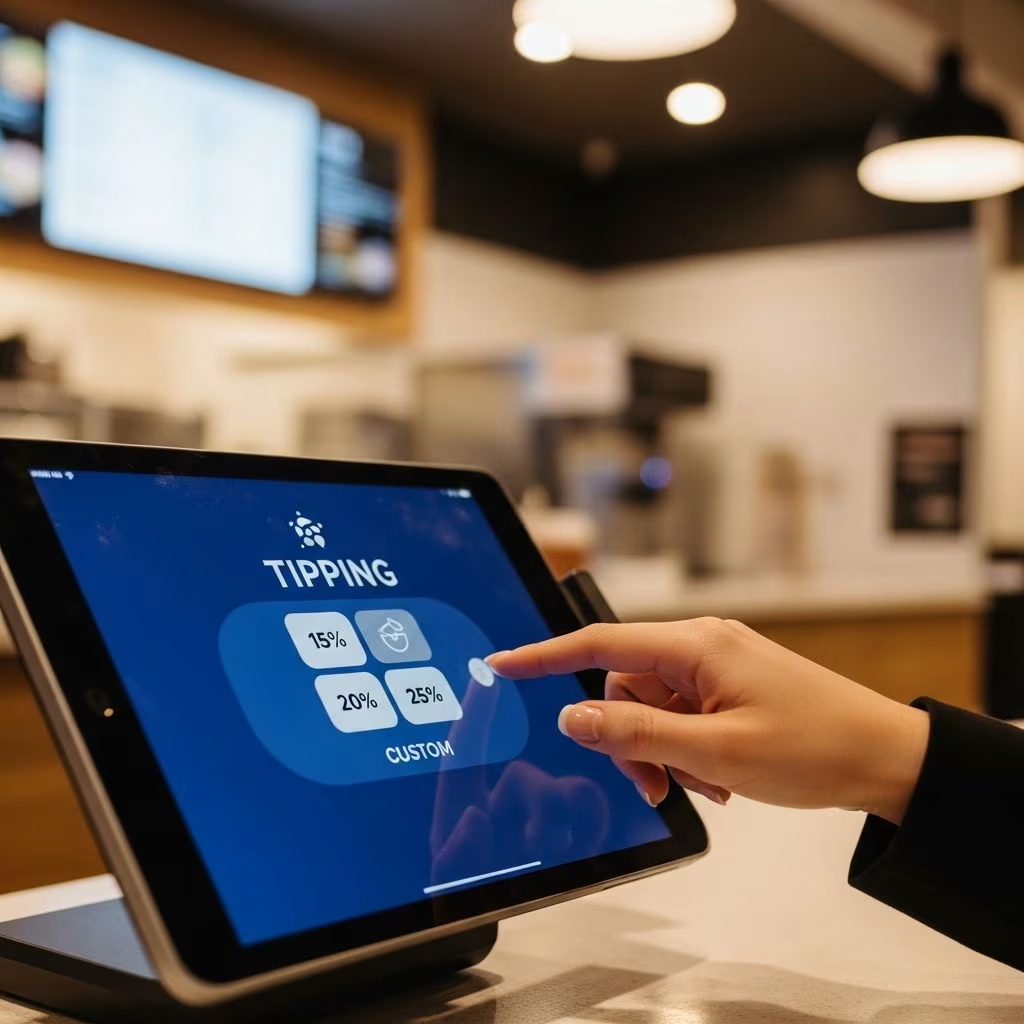
The emergence of digital tipping prompts at restaurant counters has sparked widespread debate about gratuity expectations in casual dining environments. Many customers find themselves caught between traditional tipping conventions and the new reality of being asked to tip at venues that historically did not expect gratuities. This guide explores the nuances of tipping at fast casual restaurants, helping diners navigate this evolving landscape with confidence and clarity.
The Historical Context of American Tipping
Tipping practices in the United States have deep historical roots that many diners are unaware of. The tradition of providing extra compensation for service began during Prohibition, when customers who offered additional money received faster alcohol deliveries. The acronym “TIP” stands for “to insure promptness,” reflecting this original purpose. Understanding this historical context helps explain why tipping remains such an ingrained part of American dining culture, even as the practice expands into categories of service where it was previously uncommon.
The American tipping system differs significantly from practices in other developed nations. In countries like Australia, workers receive fair minimum wages, making tips genuinely optional bonuses for exceptional service. However, in the United States, the structure differs substantially, with many service workers earning lower base wages and depending on tips to reach livable income levels. This fundamental difference in labor practices shapes the cultural expectations around gratuities that persist today.
Distinguishing Between Service Models
Not all restaurant experiences are created equal, and understanding these distinctions is crucial for determining appropriate tipping levels. The difference between a full-service seated restaurant and a fast casual establishment lies primarily in the nature of the service provided.
Seated Restaurants: In traditional sit-down restaurants, servers perform numerous tasks beyond taking and delivering orders. They refill beverages, manage course pacing, address special requests, and create an overall dining experience. These workers typically earn minimum wage or less and rely heavily on tips as their primary income source. Current tipping guidance suggests 15-20% at these establishments, with many sources recommending 18-20% as standard.
Fast Casual Venues: Fast casual restaurants operate on a fundamentally different model. Customers typically order at a counter, pay before receiving food, and may retrieve items themselves or receive them at a pickup area. The service model eliminates many of the traditional server duties that justify higher tip percentages. Workers at these establishments are generally paid at least minimum wage, which federal law requires to be $7.25 per hour, though many states mandate higher rates.
Current Tipping Behavior and Consumer Attitudes
Research reveals interesting patterns in how Americans approach tipping at different restaurant types. According to comprehensive surveys, only 12% of U.S. adults report always or often tipping at fast casual restaurants, compared to 92% who regularly tip at full-service seated establishments. This significant disparity suggests that most diners instinctively recognize the difference in service models and adjust their tipping behavior accordingly.
Consumer sentiment around fast casual tipping varies widely. Some diners express frustration with tipping prompts at establishments where they pay before service is rendered. Others view tipping as a gesture of support for workers regardless of service type. The most common perspective among survey respondents emphasizes that tipping should remain tied to the quality and nature of service provided, rather than becoming an automatic expectation at every transaction.
Factors That Influence Tipping Decisions
Multiple considerations should guide your tipping choices at fast casual restaurants. Understanding these factors helps you make decisions aligned with your values and financial situation.
- Service Quality: Approximately 77% of survey respondents identified service quality as a major factor in their tipping decisions. Friendly, efficient, and attentive service justifies higher tips, while minimal interaction may warrant lower amounts or no tip at all.
- Payment Timing: Many diners feel uncomfortable tipping when they pay before receiving service or food. The traditional tipping model developed around post-service payment, making pre-payment scenarios feel less natural for gratuity.
- Wage Structure: Knowing whether workers earn minimum wage or less influences many people’s decisions. Workers earning competitive wages may not depend on tips to the degree that traditional servers do.
- Establishment Type: Locally-owned fast casual restaurants often generate more willingness to tip than large chains, as customers may feel more invested in supporting independent businesses.
- Order Complexity: A simple coffee or sandwich order typically warrants less tipping consideration than a complicated custom order requiring significant preparation time.
- Personal Financial Situation: Your own financial capacity plays a legitimate role in determining appropriate tip amounts. Ethical tipping acknowledges both worker needs and customer circumstances.
Navigating Digital Tipping Prompts
Modern point-of-sale systems have introduced new challenges for consumers. Digital screens often present tipping options ranging from 15% to 25%, with some defaulting to higher percentages than customers expect. Etiquette experts recommend several strategies for managing these interactions confidently.
First, take time to review the suggested percentages before responding. Some systems prompt you to pay more than customary amounts for the service being rendered. You are never obligated to select the highest suggested option. Second, consider what you would tip if only cash were available. This mental exercise helps ground your decision in what feels genuinely appropriate rather than what technology suggests. Third, remember that tipping recommendations on screens represent suggestions, not requirements. Selecting a lower percentage or declining to tip entirely remains your prerogative as a customer.
Many customers report feeling uncomfortable with the direct eye contact and waiting silence that sometimes accompanies tipping prompts. Recognizing that this discomfort is normal and shared by many others can help you feel more confident in your choices. Your decision-making authority as a customer remains valid regardless of how the prompt is presented.
Recommended Tipping Guidelines for Fast Casual Settings
While individual circumstances vary, general guidelines can help orient your decisions:
| Scenario | Suggested Tip Range | Notes |
|---|---|---|
| Simple counter order (coffee, sandwich) | $0-$1 or 10% | Minimal service rendered; payment before service |
| Complex custom order | 10-15% | Additional effort and time invested by workers |
| Favorite local establishment | 10-15% | Supporting independent business and staff relationships |
| Standard fast casual meal | $0 or 10% | Service quality and personal preference determine amount |
| Exceptional service or assistance | 15%+ | When workers go above and beyond standard expectations |
The Role of Personal Values and Financial Capacity
Tipping decisions ultimately reflect personal values, financial circumstances, and individual assessments of service. Ethical tipping acknowledges that workers deserve fair compensation while recognizing that customers also face financial constraints. There is no single “correct” answer that applies universally to every situation.
Some customers tip at fast casual restaurants primarily to support workers they perceive as underpaid. Others decline to tip, viewing it as unnecessary when workers earn minimum wage. Both positions reflect legitimate reasoning. The key is making conscious choices rather than allowing guilt or social pressure to drive your behavior.
Financial advisors suggest determining your tipping philosophy in advance, before encountering prompts. Deciding ahead of time whether you typically tip at fast casual establishments, and if so, what percentage range feels appropriate, reduces decision fatigue and impulse tipping. This preparedness approach prevents the uncomfortable freeze many people experience when a tipping screen suddenly appears.
Broader Perspectives on American Tipping Culture
The expansion of tipping expectations to fast casual venues reflects broader questions about labor practices and consumer responsibility in the United States. The current system places significant pressure on individual customers to supplement worker wages through voluntary gratuities. This approach differs markedly from many developed nations where employers bear primary responsibility for providing livable wages.
Some industry observers argue that the normalization of tipping in all service contexts deflects attention from systemic wage issues. Rather than expanding tipping expectations, some propose that restaurants should incorporate livable wages into their business models and pricing structures. Others counter that tipping creates direct incentives for quality service and represents a fair system when wages are genuinely supplemented by gratuities.
This ongoing debate will likely shape tipping culture for years to come. For now, understanding the current landscape and making informed personal decisions remains your most practical approach.
Making Confident Decisions Moving Forward
As tipping prompts become increasingly ubiquitous, developing a personal framework helps you navigate these situations with confidence rather than anxiety. Consider the following approach:
- Assess whether significant service was rendered beyond standard order fulfillment
- Evaluate worker wage structures if you have that information
- Determine what you would tip in a cash-only scenario
- Balance worker support with your own financial reality
- Remember that tipping remains genuinely optional at fast casual establishments
- Avoid guilt-driven decisions made under social pressure
The evolving tipping landscape in fast casual restaurants reflects broader changes in American service culture. By understanding the historical context, service distinctions, and various perspectives on this issue, you can make tipping decisions that feel authentic and appropriate to your values and circumstances.
Frequently Asked Questions
Is tipping mandatory at fast casual restaurants?
No. While tipping prompts may appear on digital screens, tipping at fast casual restaurants remains genuinely optional. You are not obligated to tip, particularly at establishments where you pay before receiving service.
Should I tip differently based on whether it’s a chain or independent restaurant?
Many customers feel more motivated to tip at locally-owned fast casual establishments as a form of business support. However, this remains entirely your personal choice based on your values and financial situation.
What if I’m uncomfortable with the tipping prompt?
You have complete authority over your tipping decision. You can select a lower percentage, tap “no tip,” or provide a custom amount that feels appropriate to you.
How much should I tip for a complicated custom order?
If extensive customization or preparation time is required, 10-15% reflects appreciation for additional effort. For standard orders, 10% or less is appropriate.
Do fast casual workers depend on tips like traditional servers?
Generally, no. Fast casual workers typically earn at least minimum wage and are not structurally dependent on tips the way traditional servers are in lower-wage states.
References
- “Restaurant Tipping Etiquette: Should You Tip for Fast Food or Takeout?” — Fox News Digital. 2024. https://www.foxnews.com/food-drink/restaurant-tipping-etiquette-should-tip-fast-food-takeout
- “Tipping Etiquette Guide.” — DoSayGive. https://dosaygive.com/tipping-etiquette-restaurants-takeout-fast-casual-restaurants-and-more/
- “Tipping in America: The Ultimate Guide for 2024.” — Qantas Travel Insider. 2024. https://www.qantas.com/travelinsider/en/travel-tips/gratuities-and-tipping-in-america.html
- “What Services Do Americans Tip For, and How Much?” — Pew Research Center. 2023-11-09. https://www.pewresearch.org/2023/11/09/services-americans-do-and-dont-tip-for-and-how-much/