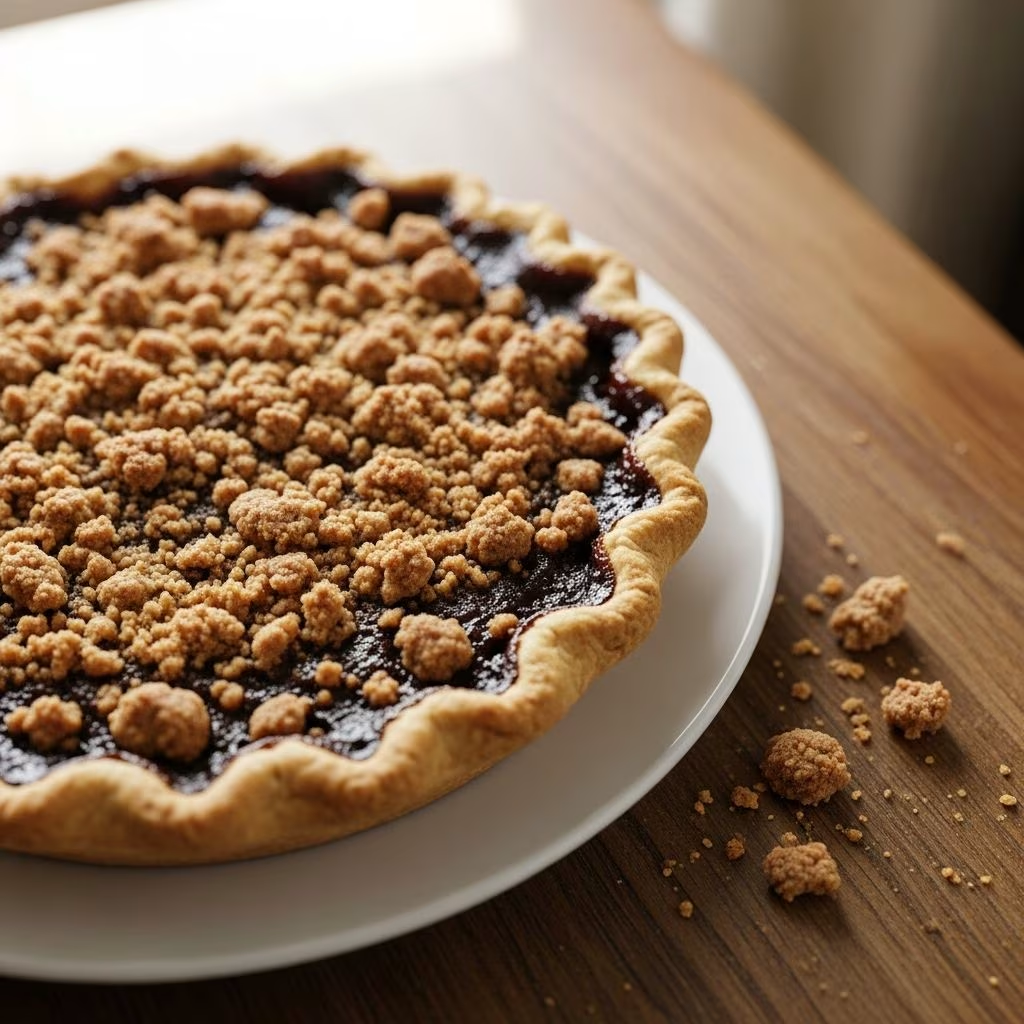
This beloved dessert, known as shoofly pie, stands as a cornerstone of Pennsylvania Dutch cuisine, blending a dense molasses base with a buttery crumble that evokes generations of home baking. Originating in the late 19th century, it reflects the resourcefulness of Amish communities using pantry staples like molasses for a indulgent treat.
The Roots of Shoofly Pie in American Folk Traditions
Shoofly pie emerged during the 1880s among Pennsylvania Dutch settlers, primarily as a breakfast item due to its hearty, filling nature. The name derives from the need to shoo away flies attracted to the sweet, sticky molasses cooling on windowsills, a practice common in rural homes without modern cooling. Unlike typical fruit pies, this one relies on molasses for its signature depth, paired with a cake-like crumb topping that forms during baking.
Historical accounts trace its popularity to Amish and Mennonite gatherings, where it served as an affordable luxury. By the early 20th century, it became a staple at church suppers and county fairs, symbolizing communal baking heritage. Today, it remains a highlight of Pennsylvania’s Lancaster County, drawing tourists to bakeries specializing in “wet-bottom” versions—those with a gooey center.
Key Ingredients That Define the Flavor Profile
The magic of shoofly pie lies in its straightforward ingredients, which create layers of texture and taste. At its core is unsulfured molasses, providing a robust, bittersweet foundation that distinguishes it from sweeter pies. Boiling water activates baking soda, creating a foamy filling that sets into a pudding-like bottom.
For the crumb topping, all-purpose flour mixes with brown sugar and cold butter to form coarse pebbles that bake into a crisp contrast. Spices like cinnamon and nutmeg in some recipes add warmth, though traditionalists stick to basics. Dark brown sugar intensifies the caramel notes, but light works for milder results.
| Component | Primary Ingredients | Role |
|---|---|---|
| Pie Crust | 9-inch unbaked shell | Structural base, buttery crispness |
| Filling | Molasses (1 cup), boiling water (¾-1 cup), baking soda (¾ tsp), egg | Gooey, foamy molasses core |
| Crumb Topping | Flour (¾-1 cup), brown sugar (½ cup), butter (¼ cup), optional spices | Crunchy, sweet contrast |
Step-by-Step Baking Guide for Perfect Results
Preparing shoofly pie requires precision to balance the wet filling and dry crumbs. Begin with a reliable pie crust—homemade or store-bought deep-dish works best to contain the filling.
- Preheat and Prep Crust: Set oven to 400°F (204°C). Line a 9-inch deep pie dish with unbaked crust, crimping edges for stability.
- Mix Filling: In a bowl, whisk molasses, boiling water, baking soda, and a beaten egg. The mixture will foam as the soda reacts—essential for lift and texture. Pour into crust.
- Make Crumbs: Combine flour and brown sugar, then cut in cold butter using a pastry blender until pea-sized pieces form. Reserve some for mid-bake addition.
- Initial Bake: Sprinkle most crumbs over filling. Bake 15 minutes at 400°F to set edges.
- Finish Baking: Reduce to 350°F (177°C), add remaining crumbs, rotate dish, and bake 30-35 more minutes until center jiggles slightly. Total time: about 45-50 minutes.
- Cool Completely: Allow 2-3 hours for the filling to firm into distinct layers—a shiny bottom like pecan pie and cakey top.
Tips for success include using room-temperature eggs to prevent curdling and very cold butter for flaky crumbs. If the top browns too quickly, tent with foil.
Variations and Modern Twists on the Classic
While traditional shoofly pie is “wet-bottom,” some prefer “dry-bottom” by increasing flour in the filling for a more cake-like consistency. Regional tweaks include adding vanilla extract or a pinch of salt to brighten flavors.
For chocolate lovers, mini chocolate chips in the crumbs create a decadent hybrid. Health-conscious bakers swap half the molasses for sorghum syrup or use whole wheat flour in crumbs. Vegan adaptations replace egg with flaxseed gel and butter with coconut oil, maintaining authenticity.
- Mini Shoofly Pies: Use muffin tins for bite-sized treats, ideal for parties.
- Spiced Version: Incorporate ginger or cloves for holiday flair.
- Gluten-Free: Almond flour base with a cornstarch-thickened filling.
Pairing Suggestions and Serving Ideas
Serve shoofly pie at room temperature with whipped cream or vanilla ice cream to cut richness. For breakfast, warm slices pair with coffee, echoing its origins. At dinners, it complements savory mains like roast chicken or ham, a nod to Pennsylvania Dutch feasts.
Portion generously—its density satisfies sweetly. Store covered at room temperature up to 3 days or freeze slices for a month, thawing before serving.
Understanding the Science Behind the Texture
The pie’s dual texture results from chemistry: baking soda in the acidic molasses produces carbon dioxide, foaming the filling and creating air pockets that collapse into gooeyness upon cooling. The high initial heat sets the crust and edges, while lower heat gently bakes the center. Butter in crumbs melts slowly, forming crisp clusters via Maillard browning.
This interplay mimics a self-saucing pudding, where liquid separates from the crumb-cake layer—a testament to simple ingredients yielding complex results.
Preserving Family Recipes in Today’s Kitchens
Shoofly pie embodies heirloom cooking, passed from grandmothers to new generations. Documenting tweaks—like preferred molasses brand—ensures continuity. Community events, such as pie-baking contests, keep the tradition alive, fostering skills amid modern conveniences.
Baking it connects us to history, turning everyday ingredients into nostalgia on a plate.
Frequently Asked Questions
What makes shoofly pie unique?
Its molasses filling and crumb topping create a gooey bottom and cakey top, unlike standard custard or fruit pies.
Can I use light molasses?
Yes, but dark or robust yields bolder flavor. Avoid blackstrap, as it’s too bitter.
Why does the filling bubble?
Boiling water with baking soda causes foaming for proper rise and texture.
How do I know when it’s done?
Edges set, center jiggles slightly; a toothpick in the middle shows moist crumbs.
Is shoofly pie served warm or cold?
Room temperature is best for texture; warm for breakfast, chilled for dessert.
Nutritional Snapshot
| Serving (1/8 pie) | Calories | Carbs | Fat | Protein |
|---|---|---|---|---|
| Approximate | 450 | 70g | 18g | 4g |
Values vary by recipe; rich in iron from molasses but indulgent—enjoy in moderation.
References
- Grandma’s Shoofly Pie — I Am Homesteader. 2023. https://iamhomesteader.com/shoofly-pie/
- Rich Gooey Homemade Shoofly Pie — Grandbaby Cakes. 2023. https://grandbaby-cakes.com/shoofly-pie/
- Love & Best Dishes: Shoo Fly Pie Recipe — Paula Deen via YouTube. 2023. https://www.youtube.com/watch?v=5WhG5aisbTw