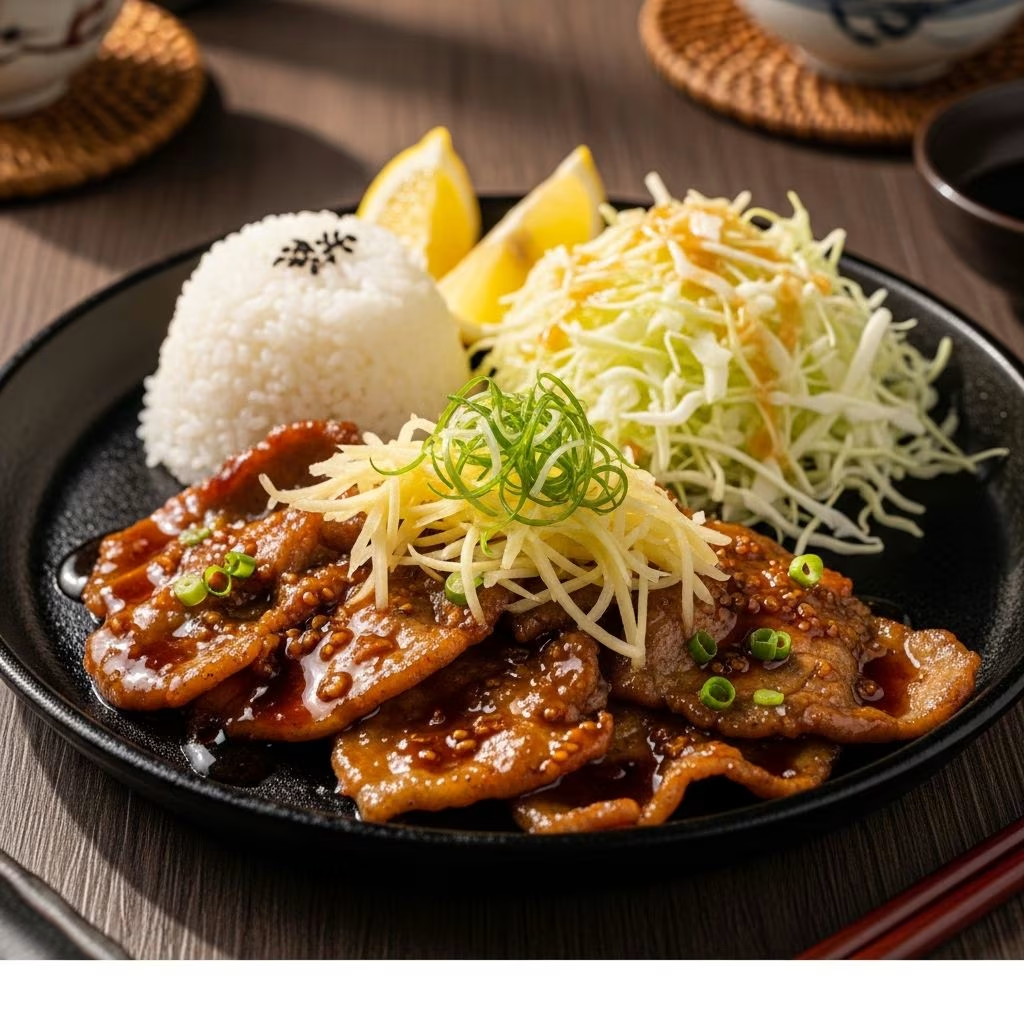
Japanese Ginger Pork, known as Shogayaki, stands out as a staple in home kitchens across Japan. This dish combines thinly sliced pork with a glossy, aromatic sauce dominated by fresh ginger’s sharp bite, balanced by sweet mirin and salty soy. It’s not just food; it’s comfort on a plate, ready in minutes yet packing restaurant-level taste. Popular for bento boxes and casual lunches, Shogayaki proves that simplicity yields profound satisfaction.
Why Shogayaki Captivates Home Cooks Worldwide
Shogayaki’s appeal lies in its speed and accessibility. Prep takes under 10 minutes, cooking just 10 more, making it ideal for hectic schedules. The ginger doesn’t just add spice; it tenderizes pork and cuts through richness, creating harmony with umami-packed soy and sake. Onions often join the mix, caramelizing for subtle sweetness. Unlike heavier fried pork dishes like tonkatsu, Shogayaki stays light and saucy, pairing seamlessly with steamed rice or cabbage.
Its roots trace to Japan’s post-war era, when affordable ingredients like pork loin became everyday heroes. Today, it’s a lunch counter favorite, but home versions shine with fresh tweaks. Variations include shiitake mushrooms for earthiness or apple gratings for hidden sweetness, showing its versatility.
Essential Ingredients for Authentic Taste
Gathering the right components ensures Shogayaki’s signature glaze and tenderness. Focus on quality pork and potent ginger.
- Pork: ¾ to 1½ pounds thinly sliced loin or shoulder (2-3mm thick). Japanese markets offer pre-sliced; otherwise, freeze slightly and slice against the grain.
- Ginger: 2-inch knob, grated and juiced (1-2 Tbsp juice). Freshness is key for pungency.
- Sauce Base: Soy sauce (2-3 Tbsp, low-sodium preferred), mirin (2 Tbsp), sake (2 Tbsp), sugar (1 tsp). These build sweet-savory depth.
- Onions: ½ to 1 medium, thinly sliced for texture and mild sweetness.
- Oil: Neutral like canola or sesame (1-2 Tbsp) for high-heat frying.
- Optional Boosts: Dark soy for color, pepper, flour for coating, or veggies like cabbage.
Proportions scale easily: for two, use ¾ lb pork; for four, double up. Substitutions like apple juice for mirin work in pinches but dilute authenticity.
Step-by-Step Guide to Perfect Shogayaki
Mastery comes from precise technique. Here’s a foolproof method yielding juicy pork in glossy sauce.
- Prep Ginger Sauce: Grate ginger, squeeze 1 Tbsp juice. Mix with 2 Tbsp soy, 2 Tbsp mirin, 2 Tbsp sake, 1 tsp sugar. Stir until sugar dissolves. Reserve half juice for pork.
- Marinate Pork: Toss pork slices with remaining ginger juice, 1 Tbsp sake, pinch of flour (optional for crisp). Rest 5-30 minutes to tenderize and scent.
- Slice Onions: Cut into thin half-moons. This ensures even cooking.
- Heat Pan: Medium-high with 1 Tbsp oil in cast-iron or nonstick skillet.
- Fry Pork: Add pork in single layer (batches if needed). Cook 1-2 minutes per side until golden. Remove to plate.
- Sauté Onions: In same pan, cook until translucent and edged brown, 6-8 minutes.
- Combine and Glaze: Return pork, pour sauce. Simmer 1-2 minutes, spooning glaze over meat until thickened. Sauce reduces to coat without sogginess.
- Rest and Serve: Off heat, let sit 1 minute for flavors to meld.
Total time: 20-45 minutes. Yields 2-4 servings. Common pitfall: overcrowding pan—steam, don’t sear.
Pro Tips for Next-Level Results
- Ginger Extraction: Use microplane or press for pure juice, discarding pulp to avoid grit.
- Meat Prep: Pound slices gently if thick for uniformity.
- Pan Choice: Cast-iron retains heat for caramelization.
- Sauce Balance: Taste pre-pour; add sugar for sweeter, soy for saltier profiles.
- Make-Ahead: Marinate overnight for deeper flavor, but cook fresh.
- Crisp Factor: Dust pork with rice flour before frying.
For gluten-free, swap soy for tamari. Vegetarians can adapt with tofu or eggplant.
Classic Pairings and Serving Ideas
Shogayaki thrives with simple sides that absorb its sauce.
| Side Dish | Why It Works | Prep Tip |
|---|---|---|
| Steamed Rice | Soaks up glossy sauce perfectly | Use short-grain for stickiness |
| Shredded Cabbage | Crisp contrast to tender pork | Drizzle with sesame dressing |
| Miso Soup | Umami synergy | Add tofu and wakame |
| Pickled Veggies | Cuts richness | Quick cucumber tsukemono |
| Broccoli Florets | Nutrient boost | Blanch briefly |
Bento style: Pack with rice ball, cherry tomatoes, and egg. Western twist: Over noodles or in stir-fry bowls.
Variations to Keep It Fresh
While classic shines, tweaks prevent boredom.
- Mushroom Shogayaki: Add shiitakes post-onion for umami bomb.
- Chicken Edition: Thighs mimic pork’s juiciness.
- Spicy Kick: Chili flakes or togarashi in sauce.
- Apple-Ginger: Grate apple for natural sweetness.
- Low-Carb: Skip flour, serve with cauliflower rice.
Regional Japanese styles amp garlic or use pear juice for tenderizing.
Nutrition at a Glance
Per serving (for 4): ~350 calories, 25g protein, 15g fat, 15g carbs. Ginger aids digestion; pork provides B vitamins. Balance with veggies for full meal.
Frequently Asked Questions
What cut of pork is best for Shogayaki?
Thinly sliced loin or shoulder. Pre-sliced from Asian markets ideal; DIY by partially freezing.
Can I make Shogayaki without sake or mirin?
Yes—dry sherry or rice vinegar plus sugar substitute, but flavor shifts slightly.
How do I store leftovers?
Fridge up to 3 days in airtight container. Reheat gently to preserve tenderness.
Is Shogayaki gluten-free?
Use tamari and ensure sake is gluten-free. Flour optional.
Why is my sauce not thickening?
Simmer longer or add cornstarch slurry. High heat reduces faster.
Can I grill Shogayaki?
Skewer slices and baste on high heat for smoky twist.
From Japanese Homes to Your Table
Shogayaki embodies Japan’s genius for turning basics into craveable meals. Its ginger punch lingers, inviting repeats. Experiment confidently—its forgiving nature rewards bold cooks. Whether solo dinner or family feed, this dish delivers joy bite by bite.
References
- Ginger Pork (Shogayaki) – Carmy — Carmy. 2023. https://carmyy.com/ginger-pork-shogayaki/
- Japanese Ginger Pork Recipe – Pork Shogayaki — Hank Shaw, Honest Food. 2022-10-15. https://honest-food.net/ginger-pork-recipe/
- Ginger Pork (Shogayaki) — Just One Cookbook. 2024-01-12. https://www.justonecookbook.com/ginger-pork-shogayaki/
- Pork Shogayaki (Ginger Pork) — RecipeTin Japan. 2023-05-20. https://japan.recipetineats.com/pork-shogayaki-ginger-pork/