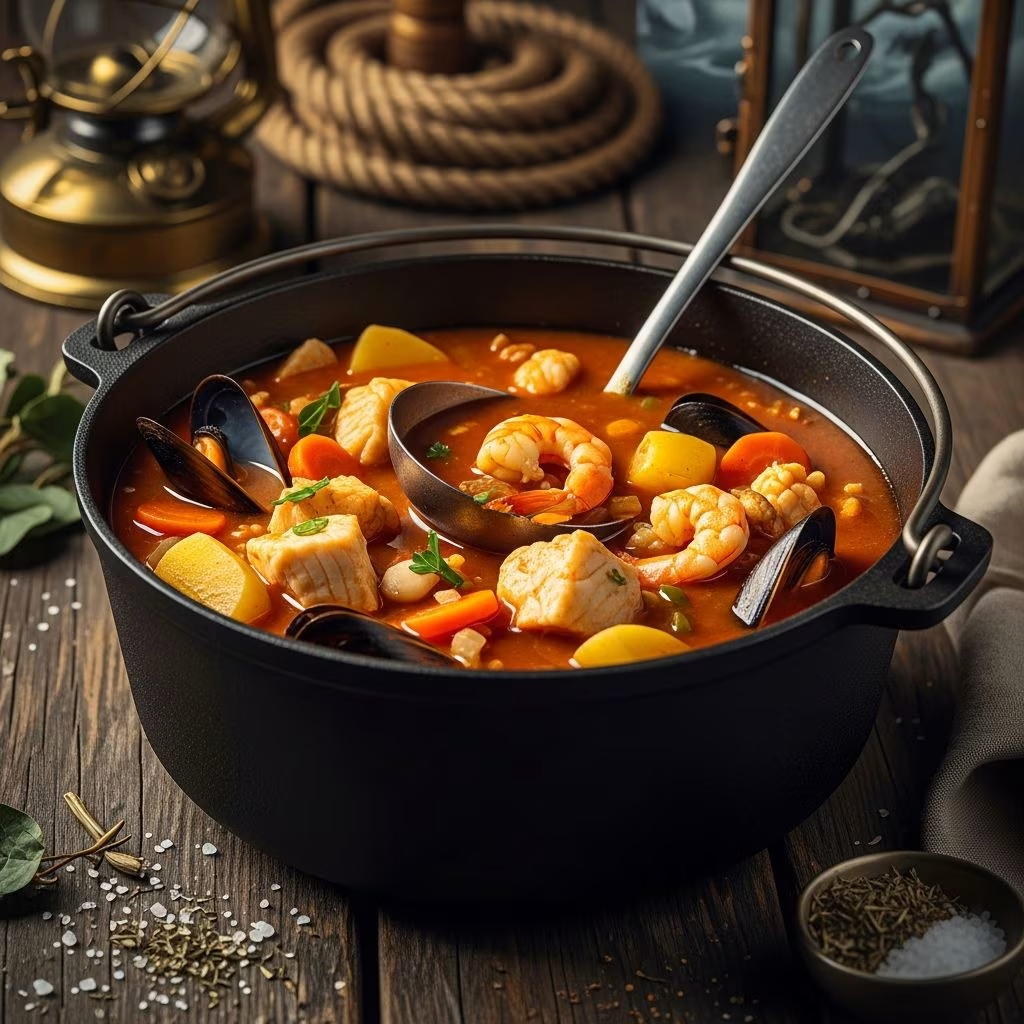
Shipwreck stew stands as one of America’s most enduring comfort food traditions, a dish born from necessity and perfected through generations of home cooks. This humble yet satisfying meal combines affordable ingredients into a nourishing one-pot dinner that feeds a crowd while requiring minimal effort. The beauty of this recipe lies in its simplicity—ground beef, potatoes, and pantry staples merge together to create something far greater than the sum of their parts.
Understanding the Historical Roots
This distinctive stew carries a fascinating backstory deeply connected to American working-class cuisine. Originally known as hobo stew, the dish emerged during the Great Depression era when travelers and workers needed economical meals that could be prepared over open fires with limited resources. The name “shipwreck stew” reflects its association with resourcefulness and making do with whatever ingredients were available. What began as survival food has transformed into a beloved family recipe that continues to grace dinner tables across the nation, particularly during cooler months when hearty, warming meals are most appreciated.
Essential Components and Ingredient Selection
Creating an exceptional shipwreck stew begins with understanding each ingredient’s role in the final dish. The foundation starts with quality ground beef, which provides the protein and savory depth that defines this meal. Most recipes call for two pounds of ground beef, which can be an 80/20 blend for optimal flavor and texture balance.
The vegetable medley forms the heart of this dish, providing both nutrition and textural variety. Key vegetables include:
- Russet potatoes, which become creamy and help thicken the stew’s broth
- Yellow onions, offering a balanced combination of sweetness and pungency
- Carrots, contributing natural sweetness and vibrant color
- Celery, adding subtle aromatic complexity
Pantry staples round out the ingredient list, including canned beans, corn, and tomatoes. These shelf-stable items make shipwreck stew an accessible option for any cook, regardless of season or availability of fresh produce. The inclusion of condensed tomato soup serves a specific purpose—creating a deeply flavored gravy that unifies all components into a cohesive, satisfying dish. Importantly, this soup should be added directly to the pot without being prepared with water as the can instructions suggest.
Seasonings That Transform the Dish
While shipwreck stew can be prepared with just salt and pepper, incorporating additional seasonings elevates the final result considerably. Italian seasoning provides Mediterranean herb notes that complement the tomato base beautifully. Garlic powder adds depth without requiring fresh garlic preparation, making it particularly convenient for weeknight cooking. Some cooks prefer using seasoning salt rather than plain salt, as this blended option delivers more complex flavor in a single addition.
The seasoning approach remains flexible—this recipe welcomes experimentation. Those who enjoy smokier profiles might add smoked paprika, while heat enthusiasts can incorporate cayenne pepper or fresh chili peppers. The fundamental principle is that shipwreck stew serves as a canvas for personal taste preferences while maintaining its core character.
Step-by-Step Preparation Method
The cooking process divides into several distinct phases, each contributing to the final product’s success.
Phase One: Browning the Protein
Begin by heating a tablespoon of neutral-flavored oil in a large soup pot over medium-high heat. Add the ground beef along with initial seasonings, breaking the meat into small pieces as it cooks. This step typically requires 5-8 minutes, continuing until no pink remains in the beef. Proper browning develops flavor through the Maillard reaction, a chemical process that creates savory, complex tastes essential to the dish’s appeal.
Phase Two: Building Flavor Through Vegetables
Once the beef is fully cooked, some recipes call for adding diced onions, carrots, and celery directly to the pot, allowing these vegetables to soften for 4-5 minutes in the residual heat and rendered fat. This brief cooking period begins breaking down cell walls and releasing aromatic compounds that enhance overall flavor development. At this stage, add your chosen seasonings—Italian seasoning, garlic powder, salt, and pepper.
Phase Three: Combining All Components
Now introduce the pantry ingredients that give shipwreck stew its characteristic heartiness. Add canned diced tomatoes with their liquid (this step is crucial, as the juice contributes vital flavor and moisture), canned corn, drained kidney beans, beef broth, and condensed tomato soup. Finally, add your prepared potatoes. The exact assembly order matters less than ensuring all components are included and properly distributed throughout the pot.
Phase Four: Simmering to Completion
Bring the stew to a boil over medium-high heat, then immediately reduce the heat to medium-low, maintaining a gentle simmer. Cover the pot and cook for 30-45 minutes, stirring occasionally to prevent sticking and ensure even cooking. The dish reaches completion when potatoes are tender enough to break apart easily with a spoon. Cooking time varies based on potato size and individual stovetop characteristics.
Nutritional Considerations and Benefits
Beyond its delicious taste and ease of preparation, shipwreck stew offers meaningful nutritional value. The combination of lean ground beef provides high-quality protein essential for muscle maintenance and repair. The diverse vegetable content supplies fiber, vitamins, and minerals—carrots deliver beta-carotene, celery contains beneficial compounds, and potatoes provide potassium and vitamin B6. Canned beans contribute additional protein and fiber, making this single dish remarkably nutrient-dense.
The inclusion of tomatoes, whether fresh or canned, provides lycopene, an antioxidant compound associated with various health benefits. The overall nutritional profile makes shipwreck stew more than comfort food—it’s a legitimate vehicle for delivering substantial nutrition to busy families seeking satisfying yet wholesome meals.
Customization and Variation Strategies
One of shipwreck stew’s greatest strengths is its remarkable adaptability. The basic framework can accommodate numerous modifications based on personal preferences, dietary restrictions, or ingredient availability.
| Ingredient Category | Substitution Options | Considerations |
|---|---|---|
| Protein | Ground turkey, ground lamb, or ground pork | Each protein brings different flavor profiles; turkey reduces fat content while pork adds richness |
| Legumes | Black beans, pinto beans, or chickpeas | Different beans offer varied textures; some may soften faster than others |
| Vegetables | Green beans, zucchini, mushrooms, or bell peppers | Fresh, frozen, or canned vegetables all work; adjust cooking times accordingly |
| Liquid Base | Chicken broth or vegetable broth | Substituting broth type changes overall flavor complexity |
| Tomato Component | Fresh tomatoes, tomato paste, or different tomato soup varieties | Fresh tomatoes require longer cooking; tomato paste concentrates flavor |
The recipe works equally well as a skillet dinner or casserole adaptation. Some cooks prefer layering ingredients in a baking dish and cooking in the oven at 350°F for approximately one hour, which eliminates stovetop monitoring and produces slightly different texture results. This variation appeals particularly to those managing multiple cooking tasks simultaneously.
Serving Suggestions and Accompaniments
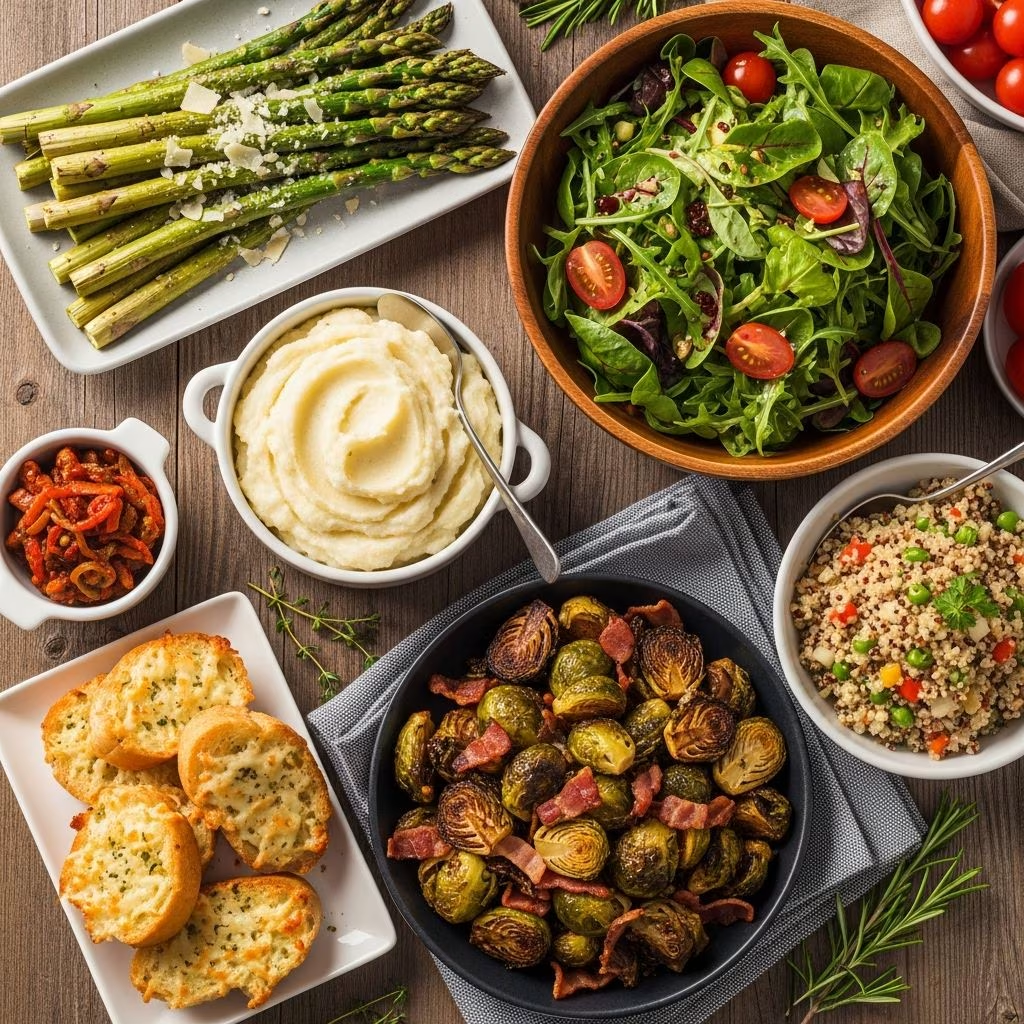
Shipwreck stew stands entirely on its own as a complete meal but benefits from thoughtful accompaniments. Crusty bread serves as an excellent complement, allowing diners to soak up the rich broth. A simple green salad provides fresh contrast to the stew’s hearty warmth and weight. Some families enjoy adding shredded cheese on top before serving, while others prefer a dollop of sour cream stirred into individual portions.
The stew’s versatility extends to portion sizes—it yields approximately ten generous servings from a standard recipe, making it ideal for family gatherings, potlucks, or freezer-friendly meal preparation. Leftovers actually improve after sitting overnight as flavors continue melding and developing, making this an excellent candidate for make-ahead cooking.
Storage and Make-Ahead Guidance
Proper storage extends this recipe’s practical value significantly. Cooled stew keeps refrigerated in airtight containers for up to four days, though most cooks consume it within two or three days for optimal flavor and texture. The stew freezes exceptionally well for up to three months, making it an ideal option for batch cooking. When reheating, thaw overnight in the refrigerator and warm gently on the stovetop, adding a bit of broth or water if the mixture has thickened considerably during storage.
Troubleshooting Common Issues
Even straightforward recipes occasionally present challenges. If the stew appears too thin after the recommended cooking time, simmer uncovered for an additional 10-15 minutes to allow excess moisture to evaporate. Conversely, if the stew seems too thick, add additional broth or water gradually until reaching the desired consistency. Bland flavor often indicates insufficient seasoning—taste before serving and adjust salt and pepper accordingly. Mushy potatoes result from overcooking; reduce simmering time slightly or cut potatoes into larger pieces if this occurs consistently in your kitchen.
Why Shipwreck Stew Endures
The lasting popularity of shipwreck stew reflects several factors working in concert. The recipe requires minimal cooking skills, making it accessible to novice cooks while satisfying experienced home chefs seeking straightforward comfort. The ingredient list relies primarily on pantry staples and affordable proteins, keeping food costs reasonable compared to many dinner options. The one-pot nature eliminates extensive cleanup, a practical consideration in modern busy households. Beyond these practical advantages, shipwreck stew delivers genuine deliciousness—the combination of seasoned ground beef, tender vegetables, and rich tomato broth creates a memorable eating experience that justifies its presence on family tables across generations.
Frequently Asked Questions
Can I prepare shipwreck stew without canned soup?
Yes. While condensed tomato soup adds convenient thickening properties and concentrated flavor, you can substitute additional beef broth or create a quick roux by mixing flour with a small amount of water or broth before adding to the pot. The result may be slightly thinner but remains delicious.
How can I make this recipe vegetarian?
Replace ground beef with plant-based meat alternatives or increase the bean content substantially. Use vegetable broth instead of beef broth, and ensure all canned goods are vegetarian-certified. The basic structure remains the same with these substitutions.
Is shipwreck stew suitable for slow cooker preparation?
Absolutely. Brown the ground beef and soften vegetables on the stovetop first, then transfer everything to the slow cooker. Cook on low for 6-8 hours or high for 3-4 hours until potatoes are tender. Add any fresh herbs toward the end to preserve their bright flavor.
What’s the best way to reheat leftover stew?
Thaw overnight in the refrigerator if frozen, then warm gently on the stovetop over medium-low heat, stirring occasionally. Avoid high heat, which can cause the bottom to scorch or the mixture to break apart. Add liquid if necessary to restore the desired consistency.
Can children with picky eating habits enjoy this dish?
Often yes, as the individual components remain visible and separable. Children can pick around ingredients they dislike while enjoying others. Finely dicing vegetables and cutting everything into small pieces may increase acceptance among particular eaters.
References
- The Recipe Critic: Shipwreck Stew Recipe (Easy One Pot Dinner) — The Recipe Critic. Accessed April 2026. https://therecipecritic.com/shipwreck-stew/
- Gonna Want Seconds: Shipwreck Stew {Easy And Convenient!} — Gonna Want Seconds. Accessed April 2026. https://www.gonnawantseconds.com/shipwreck-stew/
- Love Bakes Good Cakes: Shipwreck Stew — Love Bakes Good Cakes. Accessed April 2026. https://www.lovebakesgoodcakes.com/shipwreck-stew/
- Food Meanderings: Easy Shipwreck Casserole Recipe — Food Meanderings. Accessed April 2026. https://foodmeanderings.com/easy-shipwreck-casserole/