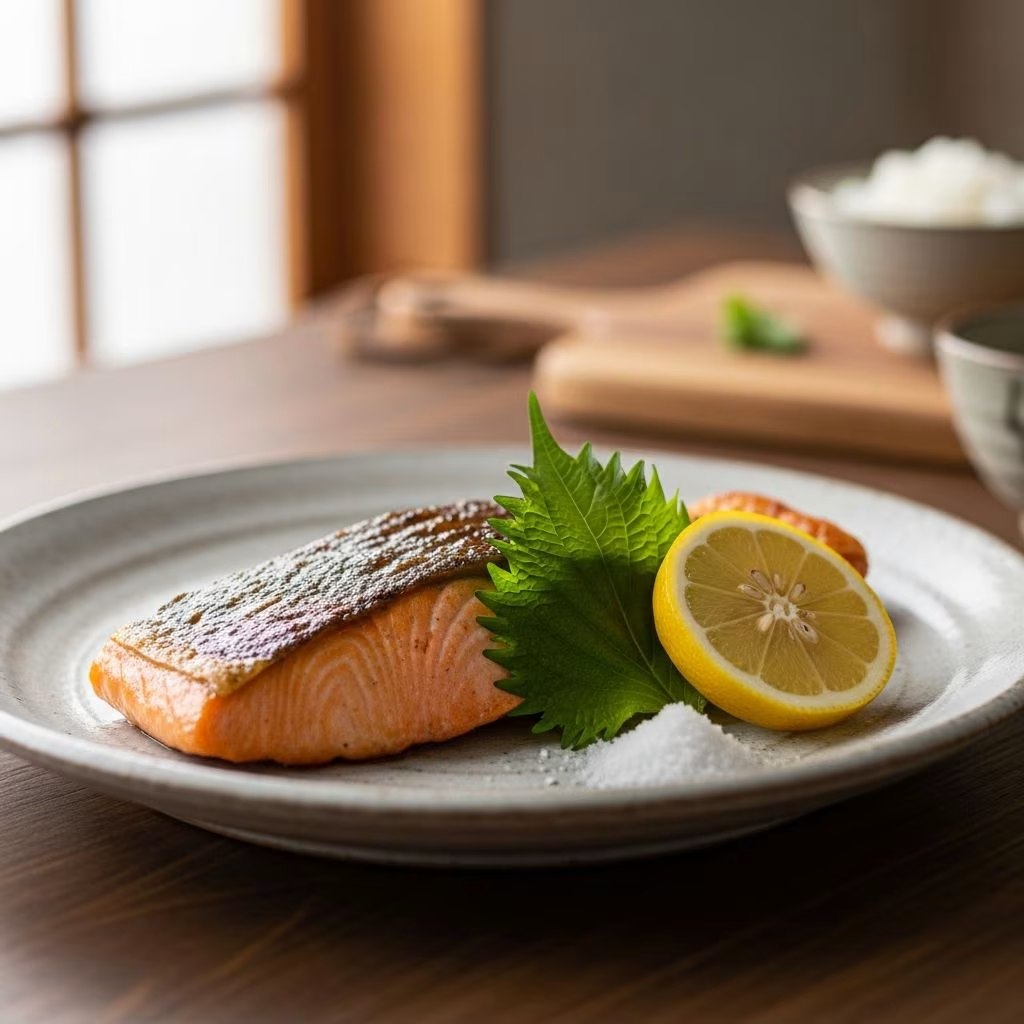
Shioyaki salmon represents a cornerstone of Japanese home cooking, transforming simple salmon fillets into a dish with crispy skin and tender, savory flesh through salting and grilling. This technique, rooted in preservation methods, highlights the fish’s natural flavors with minimal ingredients.
The Essence of Shioyaki Salmon
Shioyaki, often interchanged with shiozake, involves curing salmon with salt to draw out moisture, intensify taste, and prepare it for high-heat cooking. Traditionally served flaked over steamed rice for breakfast alongside miso soup and pickles, its versatility extends to lunches, dinners, or bento boxes. The process emphasizes quality salmon and precise salting, yielding a balance of saltiness and richness.
Originating as a way to preserve fish in coastal Japan, shioyaki evolved into a daily staple. Fresh fillets are treated with sake to neutralize odors, generously salted, and rested to cure. Grilling crisps the skin while keeping the interior moist, creating an umami-packed result that pairs seamlessly with everyday Japanese sides.
Selecting the Ideal Salmon for Shioyaki
Choosing the right salmon is crucial for authentic shioyaki. Opt for skin-on fillets about 2.5-3 cm thick to ensure even cooking and crisp skin. Atlantic salmon, often Norwegian-sourced, provides richness ideal for this dish. Sockeye offers bold flavor with less fat, while coho delivers a lighter profile. Avoid pre-sliced supermarket fillets if possible; whole sides allow custom cutting for optimal results.
- Atlantic salmon: Rich, fatty texture perfect for salting.
- Sockeye: Vibrant color and firm flesh for flakiness.
- Coho or chum: Milder taste, suitable for lighter meals.
Freshness matters: Look for clear eyes, firm flesh, and no strong fishy smell in whole fish. For fillets, ensure bright color and minimal discoloration. Skin should be intact and silvery.
Essential Ingredients and Tools
Shioyaki’s simplicity shines with just three core items: salmon, salt, and sake. Fine sea salt or kosher salt works best for even penetration—aim for 1.5-5% of the salmon’s weight. Sake (or dry sherry) cleanses and tenderizes. Optional lemon or lime adds brightness post-cooking.
| Ingredient | Quantity (for 1 lb salmon) | Purpose |
|---|---|---|
| Skin-on salmon fillets | 1 lb (450g) | Main protein |
| Sake or cooking wine | 1-2 tbsp | Deodorizes and marinates |
| Fine sea salt or kosher | 2-3 tbsp (5% of weight) | Cures and seasons |
| Lemon (optional) | Wedges | Brightens flavor |
Tools include a wire rack for air-drying, airtight container for curing, paper towels, sharp knife for diagonal slicing, and a broiler or grill pan.
Step-by-Step Preparation Guide
Preparing shioyaki salmon breaks into straightforward stages: cleaning, salting, curing, and cooking. Follow these for consistent results.
- Prep the salmon: Slice skin-on fillets diagonally into 1-inch wide pieces at a 45-degree angle. This exposes more skin for crisping. Remove pin bones and bloodlines with tweezers; rinse under cold water and pat thoroughly dry.
- Apply sake: Rub 1 tbsp sake over all surfaces. Let sit 10 minutes to eliminate odors and slightly firm the flesh. Pat dry again to remove excess moisture.
- Salt generously: Sprinkle salt from a height for even coverage—use 5% of salmon weight (e.g., 22g for 450g fish). Focus more on skin side. Place on a wire rack over a tray.
- Cure in fridge: Cover loosely and refrigerate 3 hours for quick cure or overnight (12+ hours) for deeper flavor. Excess liquid will drain, concentrating taste.
- Pre-cook rinse (optional): For milder saltiness, rinse lightly and pat dry before cooking.
Perfect Cooking Techniques
Grilling or broiling at high heat is key to shioyaki’s signature texture. Preheat broiler to high or grill to 500°F (260°C). Oil the grate lightly to prevent sticking.
- Broiling: Place fillets skin-side up 4-6 inches from heat. Broil 5-7 minutes until skin bubbles and crisps; no flip needed. Flesh should flake easily.
- Pan-frying: Heat oil in a skillet over medium-high. Cook skin-side down 4-5 minutes until golden, then 2-3 minutes flesh-side.
- Outdoor grill: Direct high heat for 3-4 minutes per side.
Squeeze citrus over halfway for acidity that cuts richness. Rest 1-2 minutes before serving to redistribute juices.
Common Mistakes and Pro Tips
Avoid over-salting by weighing precisely; Japanese recipes range 3-8%, but 5% suits most palates. Don’t skip drying—wet fish steams instead of crisping. Use thick fillets to prevent drying out.
- Pat dry multiple times for crispiness.
- Salt from height for uniformity.
- Rest cured salmon uncovered for better skin.
- High heat, short time preserves moisture.
For flakier results, choose center-cut portions. Experiment with curing times: shorter for subtle salt, longer for intense flavor.
Classic Pairings and Serving Ideas
Shioyaki shines in traditional spreads. Flake over hot rice or serve whole with daikon oroshi (grated radish) to balance saltiness.
- Breakfast: Steamed rice, miso soup, tamagoyaki (rolled omelet), pickles.
- Lunch bento: With vegetables, rice balls, tamagoyaki.
- Dinner: Alongside stir-fried greens, soup, or salad.
Innovate with modern twists: Top salads, tacos, or grain bowls. Pairs with soy-glazed eggplant or sesame spinach.
Nutritional Profile and Health Notes
Shioyaki salmon delivers omega-3s, protein (25g per 100g), and B vitamins. Salting reduces moisture, concentrating nutrients, but watch sodium (500-800mg per serving). Balance with veggies and low-sodium sides. Fresh salmon minimizes risks; cure properly to avoid pathogens.
Storage and Make-Ahead Strategies
Cured uncooked salmon lasts 2-3 days in fridge. Cooked: 3-4 days refrigerated or freeze portions up to a month. Thaw overnight before reheating gently to retain crispness.
Variations Across Japan
Regional styles vary: Hokkaido favors sockeye with lighter salt; Kansai uses more generous curing. Some brine with mirin-water for subtle sweetness.
Frequently Asked Questions
What if I don’t have sake?
Use dry sherry, white wine, or skip it—results remain excellent.
Can I use frozen salmon?
Thaw fully, pat extra dry. Quality dips slightly but works.
How salty should it taste?
Assertively seasoned but not overpowering; adjust cure time or rinse.
Best salt type?
Fine sea or kosher; avoids iodized table salt’s bitterness.
Vegetarian alternative?
Salt-cure firm tofu or eggplant slices similarly.
Shioyaki salmon’s enduring appeal lies in its purity—elevating humble ingredients into something extraordinary through technique and patience.
References
- Japanese Salted Salmon (Shiozake) — Jecca Chantilly. 2023. https://jeccachantilly.com/shiozake/
- Japanese Salted Breakfast Salmon (Shiozake) — Sudachi Recipes. 2023. https://sudachirecipes.com/japanese-salted-salmon-shiozake/
- Shioyaki Salmon — Pacific Potluck. 2023. https://pacificpotluck.com/shioyaki-salmon/
- Japanese Salted Salmon (Shiozake) 塩鮭 — Just One Cookbook. 2023. https://www.justonecookbook.com/how-to-cook-salmon-salted-salmon/
- Shiozake Recipe (Japanese Salted Salmon) 塩鮭 — Chopstick Chronicles. 2023. https://www.chopstickchronicles.com/shiozake/
- Japanese Breakfast Salmon (塩鮭 – Shiozake) — No Recipes (YouTube). 2023. https://www.youtube.com/watch?v=pzuJxv2dzn0
- Japanese Salmon (Salted Salmon) — RecipeTin Japan. 2023. https://japan.recipetineats.com/japanese-salmon-salted-salmon/