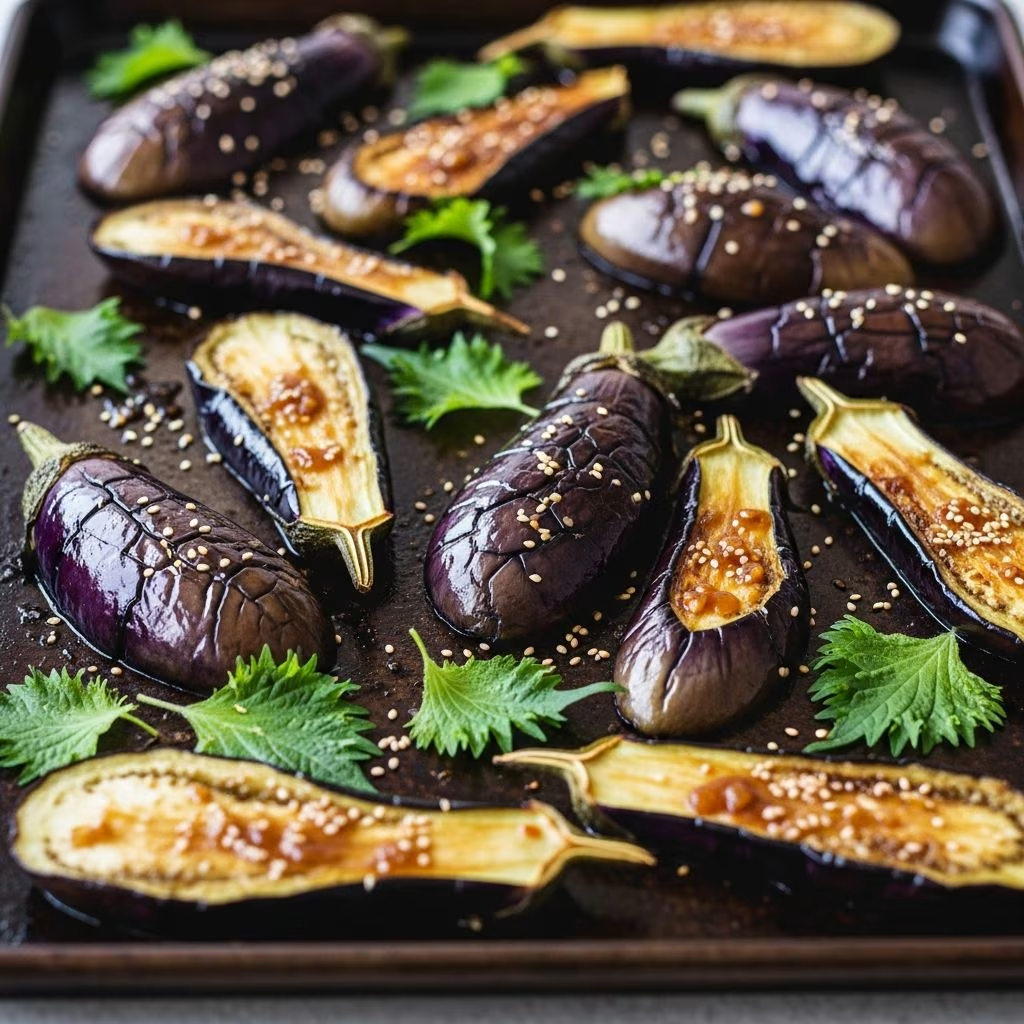
Japanese eggplant stands out among vegetable varieties for its delicate texture, mild flavor, and impressive visual presentation. Unlike their larger globe eggplant cousins, Japanese eggplants feature a thinner skin and less bitter taste, making them ideal for straightforward preparation methods. Sheet pan roasting offers one of the easiest approaches to cooking these vegetables, requiring minimal prep work and hands-on attention while delivering consistently excellent results.
Why Japanese Eggplant Works Best for Sheet Pan Roasting
The distinctive characteristics of Japanese eggplants make them particularly well-suited to oven roasting techniques. Their elongated shape allows for even heat distribution when halved lengthwise, ensuring that both the exterior skin and tender interior cook uniformly. The smaller diameter compared to globe varieties means faster cooking times, typically ranging from 25 to 35 minutes depending on oven temperature and eggplant size.
Japanese eggplants contain naturally lower levels of alkaloid compounds that contribute to bitterness in larger varieties, which means they require less salt-sweating preparation. This characteristic streamlines the cooking process, allowing home cooks to achieve delicious results without extensive preprocessing steps.
Essential Equipment and Ingredients
Successful sheet pan roasting begins with having the right tools and quality ingredients on hand. Understanding what works best in this cooking method helps you make informed choices when preparing your dish.
Required Equipment
- Rimmed baking sheet or sheet pan (allows oil and juices to stay contained)
- Parchment paper or aluminum foil (prevents sticking and simplifies cleanup)
- Sharp chef’s knife (for clean, even cuts through the eggplant)
- Small bowl (for mixing oil and seasonings)
- Pastry brush or spoon (for applying oil mixture evenly)
- Kitchen tongs or spatula (for handling cooked eggplant)
Core Ingredients
A basic sheet pan Japanese eggplant recipe relies on just a few fundamental components, though variations abound. The following ingredients form the foundation of this dish:
- Japanese eggplants: Typically 4 medium-sized eggplants yield 4 servings
- Cooking oil: Sesame oil, olive oil, or neutral-flavored oil works well
- Garlic: Freshly minced or grated adds aromatic depth
- Salt and pepper: Basic seasonings that enhance natural flavors
- Optional aromatics: Ginger, red pepper flakes, or paprika for additional complexity
Preparation Techniques for Maximum Tenderness
Proper preparation determines whether your sheet pan eggplant achieves the desired tender, creamy texture or remains somewhat firm. Several techniques can improve outcomes depending on your preferences and available time.
The Salt-Sweating Method
While Japanese eggplants contain less bitterness than larger varieties, some cooks prefer employing the traditional salt-sweating technique. This method involves salting eggplant slices or halves and allowing them to rest for 20 minutes to an hour. The salt draws out excess moisture, which is then wiped away with paper towels. This process yields eggplant with a denser, more concentrated flavor and prevents excessive oil absorption during roasting.
To perform salt-sweating on Japanese eggplant halves, lightly sprinkle salt on the cut surfaces and flesh side, then arrange them cut-side down on paper towels. Place another set of paper towels on top and weight them with a heavy object. After the designated time, pat the eggplants dry before proceeding with the roasting process.
Direct Roasting Without Preprocessing
For home cooks seeking maximum convenience, skipping the salt-sweating step produces acceptable results with Japanese eggplants. Simply wash and dry the eggplants thoroughly, halve them lengthwise, score the flesh in a crosshatch pattern, and proceed directly to oiling and seasoning. This approach saves approximately one hour of preparation time while still delivering tender, well-roasted eggplant.
Step-by-Step Roasting Instructions
Following a systematic approach ensures consistent, satisfactory results with minimal complications or surprises during cooking.
Preparation Phase
- Preheat your oven to 400 degrees Fahrenheit, allowing the cooking chamber to reach proper temperature before introducing the eggplants
- Wash the Japanese eggplants under running water and pat them completely dry with paper towels or a clean kitchen cloth
- Trim the top stem portion from each eggplant using a sharp knife, making a clean cut perpendicular to the length
- Slice each eggplant in half along the length, creating two mirror-image halves with exposed flesh
- Using your knife tip or a scoring tool, make shallow diagonal cuts across the flesh in a crisscross pattern, being careful not to cut through the skin
- Line your sheet pan with parchment paper to prevent sticking and facilitate cleanup afterward
Seasoning and Oil Application
- In a small bowl, combine your chosen cooking oil with minced fresh garlic, salt, and pepper
- For deeper flavor, add grated ginger, toasted sesame seeds, or red pepper flakes to the oil mixture
- Using a pastry brush or the back of a spoon, apply the seasoned oil generously to the flesh side of each eggplant half
- Ensure the oil reaches into the scored lines, promoting even flavor distribution throughout the vegetable
- Place the eggplant halves flesh-side up on your prepared sheet pan, arranging them in a single layer without crowding
Roasting Phase
- Transfer the sheet pan to your preheated 400-degree oven
- Roast for approximately 25 to 30 minutes, checking progress at the 15-minute mark
- The eggplants are done when the flesh becomes completely tender, testing easily with a fork without resistance
- The skin may appear slightly wrinkled or darkened, which indicates proper caramelization
- Remove the sheet pan from the oven and allow the eggplants to cool for a few minutes before serving
Flavor Variations and Enhancement Options
Sheet pan roasting provides an excellent foundation for numerous flavor profiles. The following variations demonstrate the versatility of this basic preparation technique.
Asian-Inspired Miso Glaze Variation
Miso paste creates an umami-rich glaze that complements roasted eggplant beautifully. Combine white miso paste with maple syrup, rice vinegar, minced garlic, and grated ginger. After roasting the eggplants for 15 minutes, remove them from the oven and brush the miso mixture onto the flesh. Return to the oven for the remaining cooking time, allowing the glaze to caramelize and set. Garnish with chopped green onions and sesame seeds before serving.
Mediterranean-Style Preparation
For a Mediterranean approach, brush the eggplant halves with extra-virgin olive oil mixed with minced garlic and dried oregano. After roasting until tender, top each half with a spoonful of fresh bruschetta or marinara sauce. Add shredded mozzarella or burrata cheese and return to the oven for an additional 5 to 10 minutes until the cheese melts slightly. Finish with fresh basil leaves and a sprinkle of crushed red pepper flakes.
Crispy Breadcrumb Topping
After the initial roasting period, prepare a crispy topping by combining panko breadcrumbs, grated Parmesan cheese, and a drizzle of olive oil. Sprinkle this mixture generously over the partially cooked eggplant halves and return them to the oven, increasing the temperature to 425 degrees Fahrenheit. Roast for 8 to 12 minutes until the breadcrumbs turn golden brown and crispy. For extra crunch, broil for the final 1 to 2 minutes, watching carefully to prevent burning.
Cooking Time and Temperature Considerations
Several factors influence the exact cooking duration and optimal temperature for sheet pan roasted Japanese eggplant.
| Oven Temperature | Eggplant Size | Approximate Cooking Time | Results |
|---|---|---|---|
| 375°F (190°C) | Medium | 35-40 minutes | Gentle cooking, less browning |
| 400°F (200°C) | Medium | 25-30 minutes | Balanced tenderness and caramelization |
| 425°F (220°C) | Medium | 20-25 minutes | Faster cooking, more pronounced browning |
| 400°F (200°C) | Large | 30-35 minutes | Increased cooking time for thickness |
Oven performance varies significantly between appliances, so using a fork to test eggplant tenderness offers more reliable results than relying solely on time estimates. The flesh should yield easily when pierced, with no firm resistance at the center.
Serving Suggestions and Accompaniments
Roasted Japanese eggplant complements numerous main dishes and grain-based sides, making it a versatile addition to various cuisines.
- Asian Rice Bowls: Serve over steamed jasmine or sushi rice, topped with sesame seeds and fresh cilantro
- Mediterranean Grain Bowls: Pair with quinoa or farro, adding fresh vegetables and a tahini dressing
- Protein Accompaniment: Position alongside grilled chicken, pan-seared tofu, or baked fish for a complete meal
- Vegetarian Mains: Combine multiple roasted vegetables with legumes for satisfying plant-based plates
- Appetizer Platters: Cut into bite-sized pieces and arrange on a platter with dipping sauces for entertaining
Storage and Reheating Guidelines
Properly stored roasted Japanese eggplant remains fresh and maintains quality for several days, making it an excellent candidate for meal preparation.
Allow cooked eggplant to cool completely to room temperature before transferring to an airtight container. Refrigerate for up to 4 days, ensuring the container has minimal air space to prevent moisture loss. For longer storage, freeze portions in freezer-safe containers for up to 3 months, though the texture becomes slightly softer upon thawing.
To reheat, place room-temperature eggplant on a sheet pan and warm in a 350-degree oven for 10 to 15 minutes until heated through. Alternatively, reheat gently in a skillet over medium heat with a splash of water or additional oil to prevent drying. Microwave reheating works in a pinch but may result in uneven temperature distribution.
Frequently Asked Questions
Can I use regular globe eggplants instead of Japanese eggplants?
Yes, though cooking times will extend significantly due to the larger size and increased water content. Slice globe eggplants into thick rounds or half-moons rather than lengthwise, and increase cooking time to 35 to 45 minutes. The stronger bitter taste of globe eggplants makes salt-sweating more important for improved flavor.
What oil produces the best flavor in sheet pan roasting?
Sesame oil imparts distinctive Asian flavors, while extra-virgin olive oil works beautifully for Mediterranean preparations. Neutral oils like avocado or grapeseed oil allow other seasonings to shine without competing flavor notes. Choose based on your intended flavor profile and complementary dishes.
How do I prevent my roasted eggplant from becoming mushy?
Monitor cooking progress regularly, testing tenderness starting at the 20-minute mark. Remove eggplants from the oven as soon as they yield easily to fork pressure, before they become overly soft. Proper air circulation on the sheet pan also helps prevent moisture accumulation.
Can sheet pan roasting be done on a grill instead of an oven?
Yes, grilling produces excellent results with slightly different texture and flavor. Prepare eggplants identically and place them directly on oiled grill grates, flesh-side down, over medium heat. Grill for 4 to 5 minutes until grill marks appear, then flip and continue cooking until tender, approximately 10 to 15 minutes total.
References
- How to Roast Japanese Eggplant — Steamy Kitchen Recipes. Accessed 2026. https://steamykitchen.com/54830-how-to-roast-eggplant-in-the-oven.html
- Miso Roasted Japanese Eggplant (Nasu Dengaku) — Cooking the Globe. Accessed 2026. https://cookingtheglobe.com/miso-roasted-japanese-eggplant/
- Roasted Japanese Eggplant with Parmesan — Family Savvy. Accessed 2026. https://familysavvy.com/roasted-japanese-eggplant-with-parmesan-you-will-rave-about/
- Asian Roasted Eggplant Recipe — The Delicious Crescent. Accessed 2026. https://www.thedeliciouscrescent.com/asian-roasted-eggplant-recipe/
- Miso Eggplant (Pan Fry and Oven Methods) — Cooking With Ayeh. Accessed 2026. https://cookingwithayeh.com/miso-eggplant/