The traditional image of pancake breakfast involves standing at a stovetop, spatula in hand, flipping individual pancakes one after another. However, a more efficient and equally delicious approach exists: baking pancakes in the oven on a sheet pan. This method transforms breakfast preparation by allowing you to bake dozens of pancakes simultaneously, eliminating the need for constant attention and multiple cooking cycles. Whether you’re preparing breakfast for your family or hosting a brunch gathering, sheet pan pancakes offer a practical solution that delivers impressive results without the kitchen stress.
Understanding the Sheet Pan Pancake Method
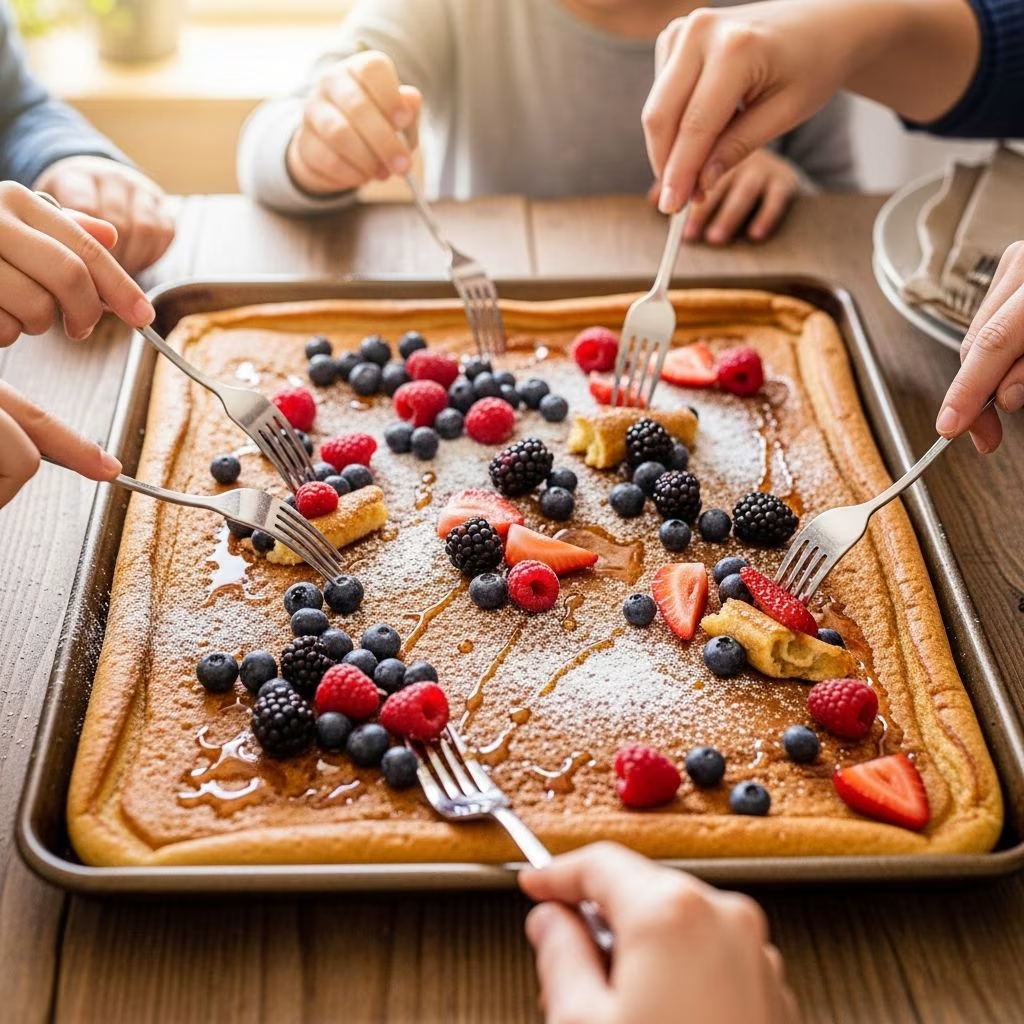
Sheet pan pancakes represent a fundamental shift in how home cooks approach this classic breakfast dish. Rather than using a griddle or skillet to cook individual pancakes, you prepare a thick batter and spread it across a large rectangular pan before baking it in the oven. The result is a single enormous pancake that you slice into individual portions after baking. This approach works because the oven provides consistent, indirect heat that causes the batter to rise evenly and develop a golden exterior while maintaining a tender, fluffy interior.
The technique produces what some cooks refer to as a Dutch baby or German pancake when prepared with slight variations, though the basic principle remains the same. What distinguishes sheet pan pancakes from their stovetop cousins is the expansion and texture achieved through oven baking. The dry heat combined with steam circulation creates a remarkably puffy pancake with a delicate crumb structure that rivals traditional methods.
Essential Ingredients and Their Functions
A successful sheet pan pancake relies on a simple but carefully balanced ingredient list. Understanding what each component contributes helps you modify the recipe based on your preferences and dietary needs.
Dry Components
The foundation of your pancake batter begins with all-purpose flour, which provides structure and enables the batter to set during baking. Most recipes call for approximately 2 cups of flour per sheet pan pancake. Baking powder serves as the leavening agent, causing the batter to rise and creating those signature fluffy air pockets. Cornstarch, present in many sheet pan pancake recipes, reduces gluten development and contributes to a more tender crumb by breaking up the flour’s protein structure.
Powdered sugar adds subtle sweetness while also incorporating into the dry mixture, ensuring even distribution throughout the batter. Salt enhances flavor complexity and prevents the pancake from tasting flat or one-dimensional. Many recipes incorporate approximately ¼ teaspoon of salt per batch.
Wet Components
Eggs serve multiple functions in sheet pan pancakes: they provide structure, contribute to browning through the Maillard reaction, and add richness and binding power. Buttermilk, used in most recipes, creates a tender crumb through its lactic acid, which reacts with baking soda or baking powder to enhance rise. If you lack buttermilk, you can substitute regular milk mixed with lemon juice or vinegar to create an acceptable alternative.
Melted butter adds fat for flavor and moisture, contributing to the pancake’s tender texture. Most recipes divide the butter into two portions: one for greasing the pan and one for mixing into the batter. Vanilla extract provides aromatic depth that complements the pancake’s subtle sweetness.
Preparing Your Pan and Oven Setup
Success with sheet pan pancakes begins before you mix a single ingredient. Proper pan preparation and oven setup directly impact your final result.
Selecting and Preparing Your Cookware
Standard sheet pans measuring approximately 18 by 13 inches work well for most recipes. Some recipes recommend 9 by 13-inch baking dishes instead, which create a thicker pancake. Line your chosen pan with parchment paper to prevent sticking, then brush the paper with melted butter. This dual approach—parchment plus butter—ensures easy removal while developing flavor through the butter’s contact with the batter.
Ensure your parchment paper covers the bottom and extends slightly up the sides. This extra coverage prevents batter from seeping under the edges during baking. If you prefer not to use parchment, generously coat your pan with non-stick cooking spray or brush it thoroughly with butter.
Oven Temperature and Rack Positioning
Most sheet pan pancake recipes call for an oven temperature between 425 and 450 degrees Fahrenheit. The specific temperature affects baking time—recipes using 425°F typically require 5 to 7 minutes, while those at 450°F need 9 to 11 minutes.
Position your oven rack in the center, ensuring no rack sits directly above it that might interfere with the pancake’s rise. The pancake will puff considerably during baking before settling as it cools, so adequate vertical space proves essential to prevent the rising batter from hitting the upper rack.
Step-by-Step Preparation Process
Creating sheet pan pancakes follows a straightforward process that takes only minutes from start to oven.
Mixing Technique and Timing
Begin by whisking your dry ingredients—flour, cornstarch, baking powder, salt, and powdered sugar—together in a large bowl. This step distributes the leavening agent evenly throughout the flour, promoting consistent rise. In a separate bowl, combine wet ingredients: eggs, buttermilk, melted butter, and vanilla.
One professional technique involves whisking the eggs separately before combining them with other wet ingredients. This extra step incorporates air into the eggs, which contributes to a fluffier final pancake. After whisking eggs until they become pale and slightly frothy, add the remaining wet ingredients and mix until combined.
Pour the wet mixture into the dry ingredients and fold together gently, stirring just until the flour disappears. Do not overmix—lumps in the batter are perfectly acceptable and actually desirable. Overmixing develops gluten, resulting in a tougher, denser pancake rather than the desired fluffy texture.
Batter Application and Topping Addition
Transfer your batter to the prepared sheet pan and spread it evenly across the surface. Use an offset spatula or the back of a spoon to distribute the batter uniformly—even coverage ensures consistent baking. At this stage, add your desired toppings before baking.
Popular topping options include fresh berries such as blueberries or strawberries, chocolate chips, pecans, or sliced fruit. Press toppings gently into the batter so they remain in place during baking rather than floating to the surface. Avoid overloading the pancake with toppings, as excessive moisture or weight can extend baking time and result in an undercooked center.
Baking and Achieving Perfect Doneness
The oven works its magic in a remarkably short timeframe. At 425°F, expect your sheet pan pancake to bake for 5 to 7 minutes. Check for doneness by touching the center gently—it should feel springy rather than wet. A toothpick inserted into the center should emerge clean or with just a few moist crumbs attached.
The pancake will be dramatically puffed when it first emerges from the oven, which can seem alarming to first-time bakers. This puffiness is completely normal and expected. As the pancake cools, it will naturally settle and deflate slightly, reaching its final thickness.
Advanced Techniques for Maximum Fluffiness
Several professional techniques distinguish exceptionally fluffy sheet pan pancakes from merely good ones. These methods require minimal additional effort but yield noticeably superior results.
- Butter separation and proper melting: Divide your butter into separate portions from the beginning—one for the pan and one for the batter. This prevents the butter from cooling and solidifying before combining with other ingredients, ensuring uniform distribution throughout the mixture.
- Egg whisking protocol: Whisk your eggs thoroughly until they become pale and increase in volume before combining with other wet ingredients. This technique incorporates air into the eggs, which translates directly to increased fluffiness in the finished pancake.
- Gentle mixing methodology: Avoid the temptation to mix thoroughly after combining wet and dry ingredients. Lumpy batter produces fluffier pancakes than smooth, overmixed batter.
- Oven preheating: Allow your oven to preheat completely before adding the pan with batter. A properly preheated oven ensures the heat transforms the batter immediately upon contact.
- Hot pan utilization: Some recipes recommend placing your prepared pan in the oven during preheating to allow it to heat thoroughly before receiving the batter. This technique accelerates cooking and promotes additional puffiness.
Customization and Flavor Variations
Sheet pan pancakes serve as a versatile canvas for creative additions and substitutions. You can modify the base recipe to accommodate dietary preferences, seasonal ingredients, or specific flavor profiles.
For a whole grain version, substitute half of the all-purpose flour with whole wheat flour. This addition reduces the rise slightly but creates a more nutritious pancake with nutty flavor undertones. Honey can replace some or all of the sugar, creating a more complex sweetness.
Citrus elements add brightness—lemon zest incorporated into the batter creates a subtle, sophisticated flavor. Cinnamon, nutmeg, or vanilla extract in increased quantities enhance warmth and depth. Chocolate chips, fresh berries, nuts, and even caramelized bananas transform the pancake into different flavor profiles entirely.
Serving and Storage Considerations
Sheet pan pancakes taste best when served warm immediately after baking. Allow the pancake to cool for just a few minutes—enough time for the exterior to firm up slightly but while the interior remains tender and warm.
Cut the pancake into your desired portion sizes while still hot and slightly flexible. Portions ranging from 8 large pieces to 16 smaller pieces suit various appetites and serving situations.
Serve your pancake with traditional accompaniments such as maple syrup, whipped cream or whipped topping, Greek yogurt, honey, and fresh berries. The pancake’s simplicity makes it an excellent vehicle for various toppings and sauces.
Leftover pancakes can be refrigerated for several days and reheated in a 350°F oven for approximately 10 minutes. Some bakers prefer to freeze portions individually, then reheat them in a toaster oven or regular oven as needed.
Troubleshooting Common Issues
Pancake does not rise adequately: This typically results from overmixing the batter, which overdevelops gluten and traps air bubbles. Ensure your baking powder is fresh, as old leavening agents lose potency. Additionally, verify that your oven reaches the correct temperature with an independent oven thermometer.
Pancake remains wet in the center: The pancake may require additional baking time. Check it every minute after the initial recommended time. Very moist toppings can extend necessary baking time by several minutes.
Pancake browns too quickly: If the top becomes dark brown before the center cooks through, your oven temperature may run hot. Try reducing the temperature by 25°F and increasing baking time accordingly. Alternatively, tent the pancake loosely with aluminum foil to shield the top while allowing the center to continue cooking.
Why Sheet Pan Pancakes Simplify Breakfast
The efficiency advantage of sheet pan pancakes extends beyond simply cooking multiple pancakes at once. You eliminate flipping, reduce active cooking time, free up stovetop space for other breakfast items, and dramatically reduce the likelihood of undercooked or overcooked individual pancakes. For families with varying arrival times at breakfast, this method allows everyone to enjoy warm pancakes from a single pan.
Frequently Asked Questions
Can I prepare sheet pan pancake batter ahead of time?
Yes, you can mix your dry ingredients several hours in advance. Keep wet ingredients separate and combine them just before baking for optimal rise and texture.
What size sheet pan is ideal for sheet pan pancakes?
Standard 18 by 13-inch sheet pans work well for most recipes. Smaller 9 by 13-inch pans create thicker pancakes. Choose based on your preferred thickness and serving size.
Can I use a regular milk instead of buttermilk?
Yes, create a substitute by mixing regular milk with lemon juice or vinegar at a 1:1 ratio by tablespoon. Let the mixture sit for 5 minutes before using to allow the milk to sour.
How do I prevent the pancake from sticking to the pan?
Use parchment paper lined with butter, or coat your pan generously with non-stick cooking spray. Both methods effectively prevent sticking and allow for easy removal.
What toppings work best on sheet pan pancakes?
Fresh berries, chocolate chips, nuts, sliced fruit, and cinnamon work excellently. Avoid overly wet toppings that may increase baking time significantly.
References
- Fluffy Oven Pancake — Bitz & Giggles. Accessed 2026. https://bitzngiggles.com/fluffy-oven-pancake/
- Oven Pancake — Well Plated. Accessed 2026. https://www.wellplated.com/oven-pancake/
- Fluffy & Easy Sheet Pan Pancakes (Oven Baked Pancakes) — The Flavor Bender. Accessed 2026. https://www.theflavorbender.com/sheet-pan-pancakes-oven-baked/
- Oven Pancakes — 12 Tomatoes. Accessed 2026. https://12tomatoes.com/oven-pancakes/
- German Pancakes Recipe — Tastes Better From Scratch. Accessed 2026. https://tastesbetterfromscratch.com/german-pancakes-2/
- Extra Fluffy Sheet Pan Pancakes — Life Love & Sugar. Accessed 2026. https://www.lifeloveandsugar.com/sheet-pan-pancakes/