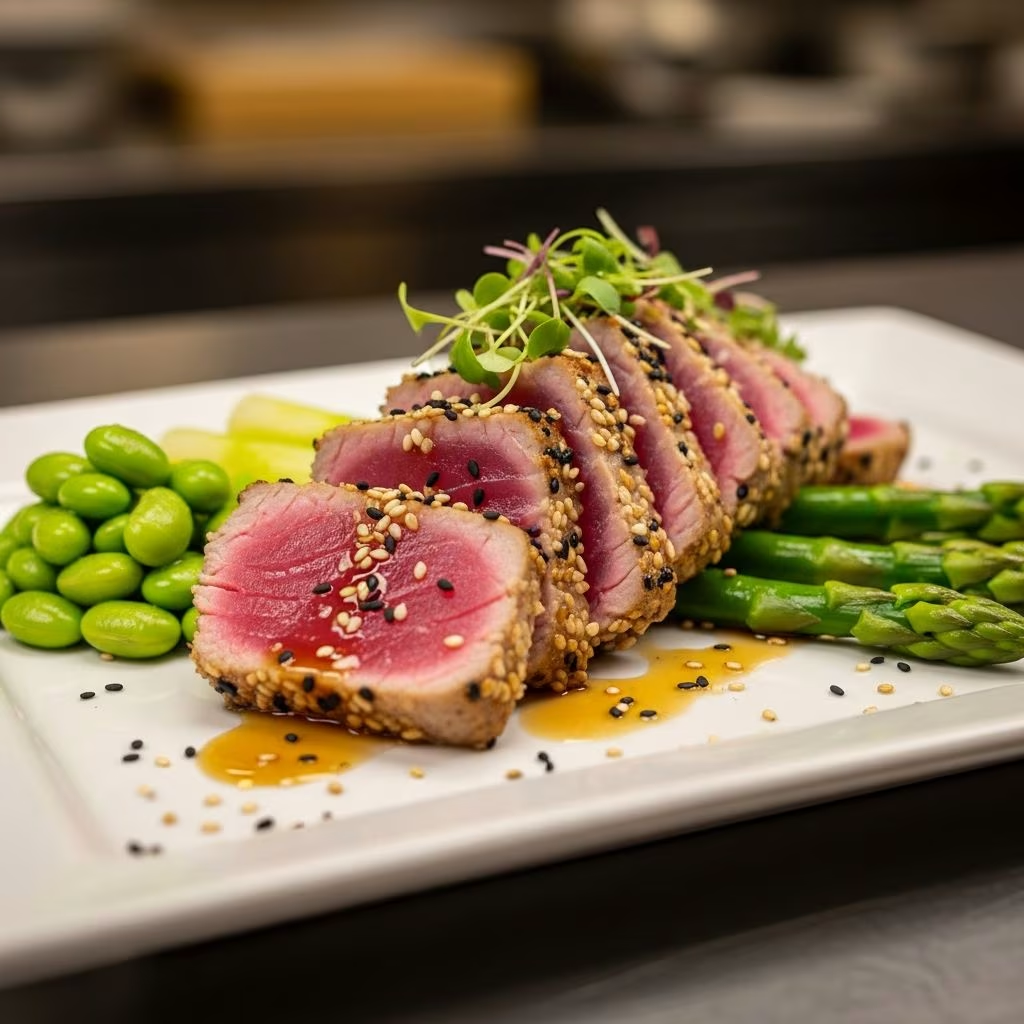
Creating restaurant-caliber seafood at home may seem intimidating, but sesame-crusted tuna stands as one of the most approachable and forgiving dishes to master. The beauty of this preparation lies in its simplicity—just a few quality ingredients and proper technique transform a premium cut of fish into an elegant main course that delivers impressive results in under fifteen minutes. Whether you’re preparing a weeknight dinner or entertaining guests, this Asian-inspired preparation offers the perfect balance of sophistication and ease.
Understanding Your Protein: Selecting Quality Tuna
The foundation of any exceptional tuna dish begins with choosing the right fish. When shopping for sesame-seared tuna, look for sushi-grade or sashimi-grade ahi tuna or yellowfin varieties. These grades indicate the fish has been handled and frozen according to strict food safety standards, making it suitable for minimal cooking or serving rare. The color should be vibrant red to deep purple, never dull or brown. Avoid tuna that appears dried out or has a strong fishy odor, as these indicate age or improper storage.
Purchase tuna steaks approximately three-quarters to one inch thick, typically in four to eight-ounce portions. This thickness ensures the exterior can develop a beautiful golden crust while the interior remains perfectly rare. Thinner cuts risk becoming overcooked throughout, while thicker steaks require extended cooking that compromises the desired texture and subtle flavor profile. Many fishmongers can cut custom portions, so don’t hesitate to ask for exactly what you need.
Essential Components: Ingredients and Their Roles
Unlike complex recipes requiring numerous specialty items, sesame-seared tuna relies on a minimal ingredient list where each component serves a purpose:
- Soy Sauce: This umami-rich liquid enhances the tuna’s natural oceanic flavors without overpowering them. Use regular or low-sodium varieties depending on your sodium preferences. The soy sauce acts as both a marinade and a coating agent, helping sesame seeds adhere to the fish surface.
- Sesame Seeds: Both white and black sesame seeds provide visual appeal and textural contrast. As these seeds toast during the brief searing process, they develop a warm, nutty flavor that complements the delicate tuna. A generous coating on all surfaces ensures maximum crunch and flavor distribution.
- High-Heat Cooking Oil: Select oils with high smoke points such as avocado oil, peanut oil, or vegetable oil. These handle the intense heat required for rapid searing without breaking down or imparting unwanted flavors.
- Salt and Pepper: These seasonings enhance rather than mask the tuna’s natural taste. Use quality sea salt or kosher salt and freshly ground black pepper for optimal flavor.
- Optional Additions: Honey, fresh ginger, rice vinegar, or other aromatics can create personalized variations on this classic preparation.
Pre-Searing Preparation: Setting Yourself Up for Success
Proper preparation separates adequately cooked tuna from excellently executed tuna. Begin by thoroughly thawing your tuna steaks, either overnight in the refrigerator or quickly in cold water within an hour of cooking. Pat the fish completely dry using paper towels—any surface moisture inhibits proper browning and prevents the sesame seed coating from adhering effectively.
Next, coat the tuna lightly with soy sauce on all surfaces. This creates a tacky layer that serves as an adhesive for the sesame seeds and seasons the fish throughout. Place white and black sesame seeds in a shallow dish, mixing them to create an even distribution of both varieties. If you prefer using only one color, that works equally well—the choice is purely aesthetic.
Press each tuna steak firmly into the sesame seed mixture, ensuring comprehensive coverage on the top, bottom, and all sides. Some seeds may dislodge during cooking, which is normal. The goal is establishing a dense enough coating that protects the fish while toasting to create that signature nutty flavor.
The Critical Searing Technique: Timing and Temperature
Success in pan-searing tuna relies on understanding heat management and timing precision. Preheat your skillet or cast-iron pan over medium-high heat for two to three minutes, allowing it to reach the proper temperature. Test readiness by sprinkling a drop of water on the surface—it should evaporate immediately upon contact, indicating sufficient heat has been achieved.
Add your high-heat oil to the pan, allowing it just thirty seconds to heat through. The oil should shimmer and move easily across the pan surface. Place your sesame-coated tuna steaks immediately into the hot pan, resisting the urge to move them around. For rare tuna with a pink center, sear for ninety seconds per side. This duration creates a caramelized exterior while preserving the raw or barely cooked interior.
For those preferring medium-rare tuna, extend the searing to two to three minutes per side. However, be cautious—excessive cooking renders this lean protein dry and unappealing. The carryover cooking that occurs during the resting period should be factored into your timing decisions.
Post-Searing Treatment: Resting and Slicing
Remove the seared tuna from the heat immediately upon reaching your desired doneness and transfer it to a cutting board. Allow the steaks to rest for three minutes before slicing—this crucial step redistributes juices throughout the flesh and ensures a tender, moist result. Cutting immediately after cooking causes these precious juices to escape, creating a dry texture.
When ready to serve, slice the tuna against the grain using a sharp knife. This technique shortens the muscle fibers, enhancing tenderness with every bite. Arrange the slices on your serving vessel and enjoy immediately while the exterior remains warm and the sesame seed crust maintains its textural integrity.
Flavor Enhancements: Sauces and Accompaniments
While sesame-seared tuna stands admirably on its own, complementary sauces elevate the dining experience. A ginger-soy dipping sauce combines soy sauce, fresh ginger, honey, toasted sesame oil, and rice wine vinegar to create a complex, balanced complement. This sauce can be prepared in advance and stored refrigerated for up to one week.
Cilantro-lime aioli offers another sophisticated option, blending fresh cilantro, lime juice, garlic, and mayonnaise for a creamy, tangy accompaniment. Wasabi and pickled ginger provide traditional Japanese-inspired additions that cut through the richness and cleanse the palate between bites.
Building Complete Plates: Serving Suggestions
Transform your seared tuna into a complete meal through thoughtful plating choices. Jasmine or brown rice serves as a classic base, absorbing accompanying sauces while providing comforting substance. Consider purple rice for enhanced nutritional density. Fresh avocado slices add creamy contrast to the firm tuna and crunchy sesame crust.
Sushi rice bowls create deconstructed presentations where diners can customize their experience with preferred garnishes. Top the rice with thinly sliced tuna, spicy mayo, scallions, cilantro, Thai chilies, and additional sesame seeds for textural interest. Asian slaw made from shredded vegetables provides refreshing crispness and lightness against the rich fish.
For appetizer applications, cut seared tuna into bite-sized cubes and serve with toothpicks alongside dipping sauces. This presentation proves particularly effective at dinner parties or casual entertaining, allowing guests to enjoy the dish while mingling.
Ingredient Substitutions and Variations
While this recipe works beautifully as written, variations allow for personalization based on dietary preferences or ingredient availability. Substitute black sesame seeds exclusively if you prefer stronger visual contrast or more assertive flavor. Mix in crushed pistachios or macadamia nuts with the sesame seeds for textural variation and additional richness.
Replace traditional soy sauce with tamari for gluten-free dining, or use liquid aminos as an alternative. Experiment with different finishing salts—Himalayan pink salt or mineral sea salt—to discover subtle flavor differences. Fresh herbs like thyme or Italian seasoning can be incorporated into the sesame coating for additional aromatic complexity.
Storage and Make-Ahead Strategies
Fresh seared tuna is best enjoyed immediately, but the component elements can be prepared in advance. Sauces keep refrigerated in sealed containers for several days to one week. Rice can be cooked and gently reheated when ready to serve. The sesame seed coating mixture stores in an airtight container at room temperature for several months.
Thaw your tuna in the refrigerator overnight to ensure food safety and optimal texture. Do not refreeze tuna after thawing. Proper planning allows you to complete all preparation steps without rushing, ensuring relaxed execution and superior results.
Nutritional Considerations
Beyond its impressive flavor profile, sesame-seared tuna delivers substantial nutritional benefits. This lean protein supports muscle maintenance and repair while remaining relatively low in calories—approximately 500 calories for an eight-ounce portion depending on preparation method. Tuna provides high quantities of omega-3 fatty acids, which support heart and brain health. These beneficial fats make this dish particularly valuable as part of a health-conscious diet.
Troubleshooting Common Issues
If your tuna turns out overcooked and dry, your pan temperature likely exceeded optimal levels or cooking duration extended too long. Practice with lower heat and shorter time intervals. If the sesame coating fails to adhere properly, ensure your tuna is adequately dry and coated with soy sauce before pressing into seeds.
Should your pan seem to smoke excessively during searing, your oil temperature has become too high. Allow the pan to cool slightly before proceeding. If sesame seeds burn and turn dark brown or black (beyond the normal browning), reduce heat slightly for future attempts, as this indicates excessive temperature.
References
- Sizzlefish Seared Ahi Tuna with Sesame Seed Crust Recipe — Sizzlefish. Accessed April 2026. https://www.sizzlefish.com/blogs/ahi-tuna/seared-ahi-tuna-with-sesame-seed-crust
- Sesame Seared Ahi Tuna Steaks with Korean Dipping Sauce — The Subversive Table. Accessed April 2026. https://thesubversivetable.com/sesame-seared-tuna-steaks-with-korean-dipping-sauce/
- How To Make Seared Sesame Tuna Just Like A Restaurant — Let’s Celebrate TV. YouTube. Accessed April 2026. https://www.youtube.com/watch?v=y-oykHn0emE
- Sesame Crusted Tuna with Cilantro Lime Aioli — Kitchen Swagger. Accessed April 2026. https://kitchenswagger.com/sesame-crusted-seared-ahi-tuna-with-cilantro-lime-aioli-recipe/
- Sesame Seared Tuna Recipe — Phillips Foods. Accessed April 2026. https://www.phillipsfoods.com/recipes/sesame-seared-tuna/
- Fast & Easy Seared Tuna (Ahi or Yellowfin Tuna) — Feasting At Home. Accessed April 2026. https://www.feastingathome.com/seared-tuna/
- Pan-Seared Sesame-Crusted Tuna Rice Bowls — Well Seasoned Studio. Accessed April 2026. https://www.wellseasonedstudio.com/sesame-crusted-tuna-rice-bowls/