Creating fresh pasta at home transforms ordinary meals into extraordinary culinary experiences. Semolina egg pasta dough combines the nutty flavor and firm texture of semolina flour with the richness of eggs, yielding noodles that hold up beautifully to hearty sauces. This guide explores everything from selecting ingredients to serving suggestions, empowering you to produce professional-quality pasta without specialized equipment.
Why Choose Semolina and Egg for Pasta Dough?
Semolina flour, derived from coarsely ground durum wheat, provides exceptional structure and a distinctive golden hue to pasta. Its high protein content ensures the dough withstands rolling and boiling without disintegrating, ideal for shapes like fettuccine or ravioli. Eggs enrich the mixture, adding moisture, fat, and a silky tenderness that elevates the final product beyond store-bought alternatives.
Blending semolina with all-purpose or 00 flour balances chewiness and pliability. This hybrid approach, popular in Italian traditions, results in pasta with al dente bite and enhanced sauce adhesion. Home cooks appreciate its forgiving nature, as minor adjustments in hydration yield consistent outcomes.
Essential Ingredients for Success
Gathering high-quality components is the foundation of superior pasta. Focus on fresh, room-temperature items to facilitate smooth incorporation.
- Semolina flour: 1 to 2 cups, preferably fine-ground or rimacinata for silkier dough.
- All-purpose or 00 flour: Equal parts to semolina, adding extensibility.
- Eggs: 2-5 whole eggs or a mix of yolks and whites for color and binding; opt for pasture-raised for vibrant yolks.
- Water or olive oil: 1-3 tablespoons as needed for hydration; oil enhances workability.
- Salt: A pinch to season the dough.
Variations include using only yolks for richer pasta or incorporating a splash of olive oil for suppleness. Proportions typically follow a 1:1 flour ratio with eggs equaling about 50-60% of flour weight by volume.
Step-by-Step Dough Preparation
Mastering the dough-making process requires patience and tactile feedback. Two primary methods suit different skill levels: hand-kneading for tradition or machine-assisted for efficiency.
Hand-Kneading Method
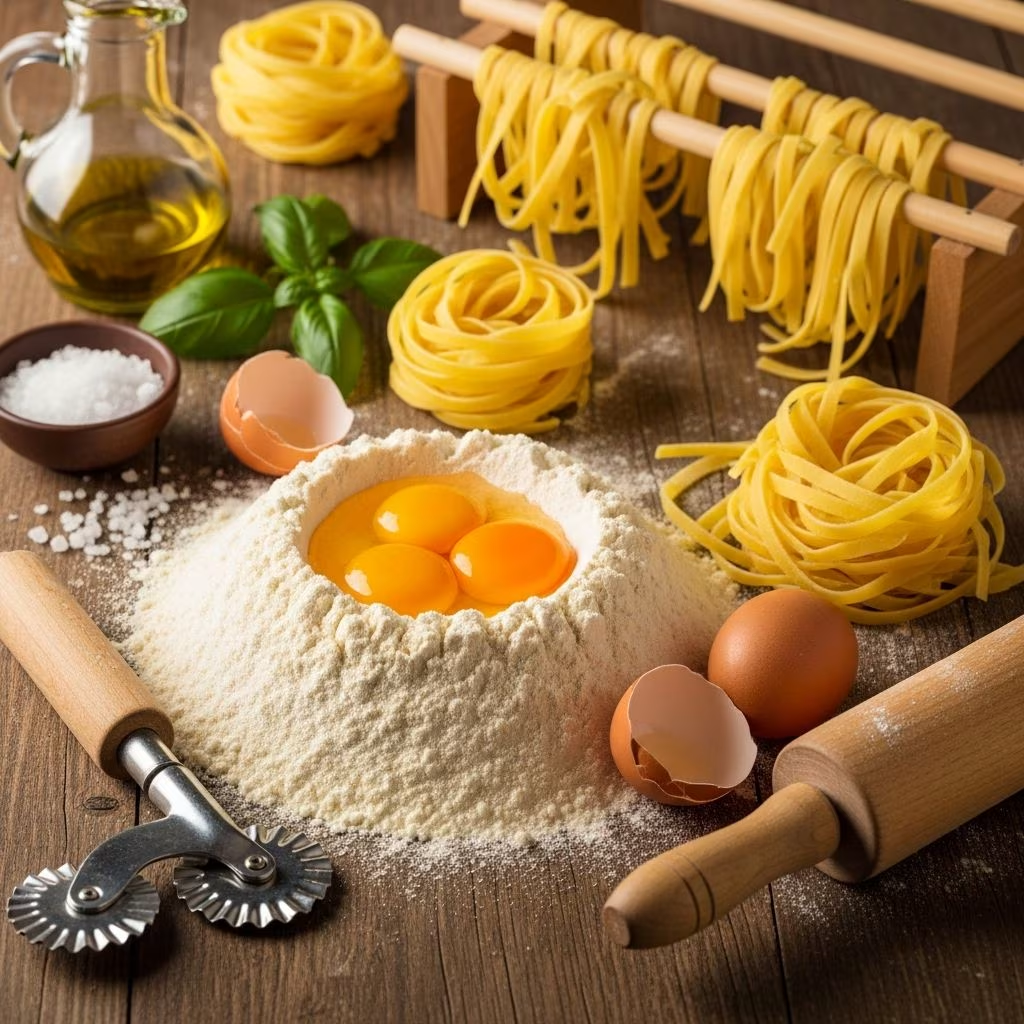
- Mound flours on a clean surface and form a wide well in the center.
- Crack eggs into the well, add salt, oil, and initial water.
- Whisk eggs with a fork, gradually drawing in flour walls to form a shaggy mass.
- Knead vigorously for 8-10 minutes until smooth and elastic; add water sparingly if crumbly.
- Wrap in plastic and rest 30-60 minutes at room temperature.
Machine-Assisted Method
For stand mixers or food processors:
- Pulse flours to blend.
- Add eggs one by one, processing until dough clumps form.
- Transfer to surface for final kneading and resting.
Resting hydrates the flour fully, relaxing gluten for easier rolling. Dough should feel firm yet pliable, like soft playdough.
Tools and Equipment Recommendations
Minimal gear suffices, but quality tools streamline the process.
| Tool | Purpose | Alternatives |
|---|---|---|
| Pasta machine (e.g., Marcato Atlas) | Precise rolling and cutting | Rolling pin |
| Stand mixer with dough hook | Initial mixing | Food processor or hands |
| Bench scraper | Portioning dough | Knife |
| Plastic wrap | Resting dough | Damp cloth |
A wooden board dusted with semolina prevents sticking. No machine? Roll dough thinly by hand between parchment sheets.
Rolling and Shaping Techniques
Divide rested dough into 4-6 portions. Work with one at a time, keeping others covered.
- Flatten into a rectangle and pass through widest pasta machine setting.
- Fold and repeat 3-4 times to build strength.
- Progress to thinner settings, aiming for #5-7 translucency without tearing.
- Roll final sheets and cut into desired shapes: spaghetti, tagliatelle, or lasagna.
Dust generously with semolina to avoid adhesion. Hang strands on a pasta rack or clean broomstick to dry slightly before cooking.
Cooking Fresh Pasta Perfectly
Fresh semolina egg pasta cooks rapidly, typically 1-5 minutes.
- Boil generously salted water (1 tablespoon per quart).
- Add pasta in batches to maintain boil.
- Stir immediately; test at 90 seconds for al dente.
- Reserve 1 cup pasta water before draining.
Toss with sauce off-heat, using reserved water for emulsions. Overcooking leads to mushiness, so vigilance is key.
Recipe Variations and Flavor Boosts
Customize dough for versatility:
- Spinach pasta: Blend ½ cup pureed spinach into eggs.
- Herb-infused: Finely chop basil or parsley into flour.
- Gluten-free: Substitute with rice or almond flour blends (adjust liquids).
- Vegan: Replace eggs with water and oil.
Pair with ragù, pesto, or butter sage for classics.
Storage and Make-Ahead Tips
Fresh pasta freezes excellently: dust with semolina, portion into nests, and freeze on trays before bagging (up to 3 months). Thaw briefly before boiling. Uncooked sheets refrigerate 1-2 days wrapped airtight. Cooked pasta stores refrigerated 2 days max.
Troubleshooting Common Issues
| Problem | Cause | Solution |
|---|---|---|
| Dough too dry | Insufficient liquid | Knead in water ½ tsp at a time |
| Dough sticky | Excess moisture | Incorporate more flour |
| Pasta tears when rolling | Gluten not developed | Fold multiple times initially |
| Noodles mushy | Overcooked | Reduce boil time |
Pairing Suggestions for Semolina Egg Pasta
Its sturdy texture suits robust sauces:
- Bolognese or meat ragù clings perfectly.
- Cacio e pepe highlights egg richness.
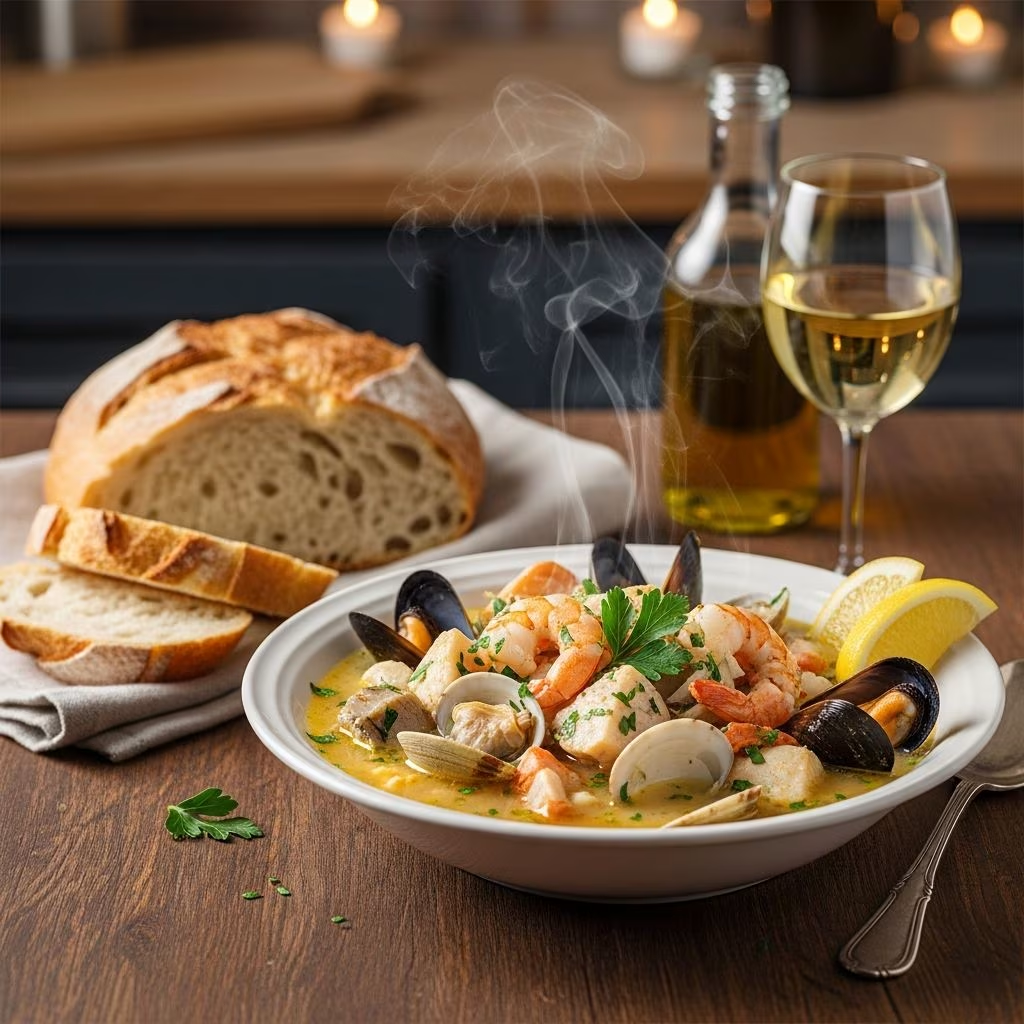
- Seafood pomodoro offers bright contrast.
Finish with grated Parmigiano-Reggiano and fresh herbs.
Frequently Asked Questions (FAQs)
Can I make this dough without a pasta machine?
Yes, use a rolling pin to achieve 1/16-inch thickness, flouring surfaces liberally.
How long does dough rest?
30-60 minutes at room temperature; longer refrigeration (up to 24 hours) intensifies flavor.
Is semolina flour necessary?
It provides optimal chew, but all-purpose works in pinches with added cornmeal for texture.
Why use egg yolks over whole eggs?
Yolks yield silkier, yellower pasta due to higher fat content.
Can I double the recipe?
Absolutely; scale evenly but mix in batches for manageability.
Nutritional Insights
A 100g serving of uncooked semolina egg pasta offers approximately 350 calories, 12g protein, 60g carbs, and essential nutrients like selenium from durum wheat. Eggs contribute B vitamins and choline.
References
- Homemade Semolina Pasta Dough (How To Make Fresh Pasta) — The Sage Apron. 2023-05-15. https://thesageapron.com/the-best-easy-homemade-semolina-pasta-dough/
- Homemade 00 Flour & Semolina Pasta Dough — Biting at the Bits. 2022-11-10. https://bitingatthebits.com/how-to-make-the-best-homemade-italian-egg-pasta-using-italian-00-flour-and-semolina-rimacinata-flour-recipe/
- Homemade Semolina Pasta Recipe — Mama Mancini’s. 2021-08-20. https://mamamancinis.com/recipes/homemade-semolina-pasta/
- Homemade Semolina Pasta Dough — The Flour Handprint. 2023-02-14. https://www.theflourhandprint.com/homemade-semolina-pasta-dough/
- The Fundamentals of Semolina Pasta Dough — Catfish Out of Water. 2022-07-05. https://catfishoutofwater.com/the-fundamentals-of-semolina-pasta-dough/