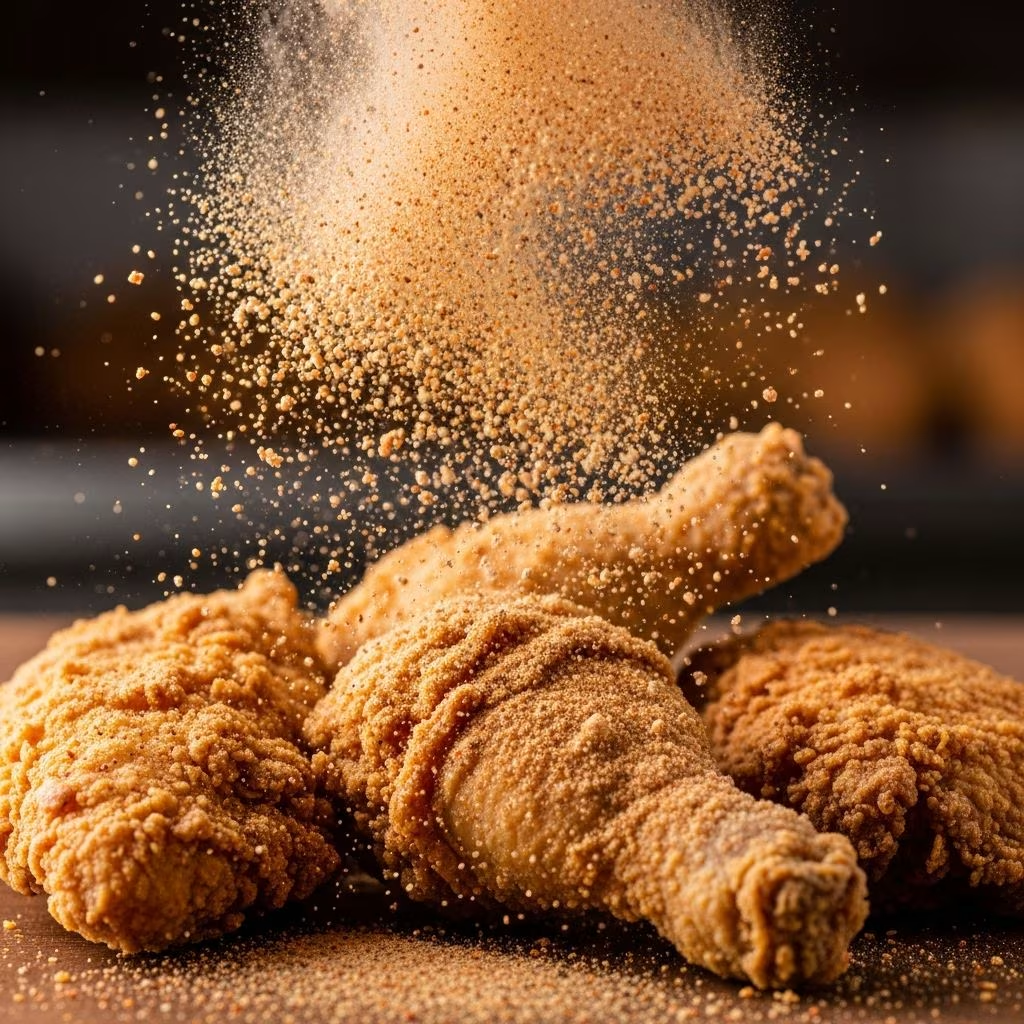
Seasoned flour serves as the foundational layer in countless fried dishes, providing not just structure but a burst of flavor that transforms simple ingredients into gourmet experiences. This versatile pantry staple, a blend of flour and carefully selected spices, is essential for achieving that irresistible crispy exterior on fried chicken, tender fish fillets, or even roasted vegetables. Far from a mere dusting, seasoned flour locks in moisture, promotes even browning, and infuses every bite with savory depth.
In professional kitchens and home pantries alike, a well-crafted seasoned flour mix can make the difference between soggy disappointment and golden perfection. By customizing spices to match your dish—whether bold and smoky for meats or herby and light for seafood—you gain control over texture and taste. This guide explores everything from basic recipes to advanced techniques, ensuring your next fry-up rivals the best takeout.
Why Seasoned Flour Elevates Your Cooking
At its core, seasoned flour works through a simple yet effective process. The flour creates a barrier that seals in juices while the seasonings penetrate the food’s surface during the initial dredge. When hit with hot oil, this coating crisps up via the Maillard reaction—a chemical process where proteins and sugars brown, developing complex flavors.
- Moisture control: Absorbs excess liquid from proteins, preventing batter from sliding off.
- Flavor infusion: Spices bloom in heat, releasing aromas that cling to the food.
- Texture mastery: Fine grind ensures even adhesion for uniform crunch.
- Versatility: Adapts to sweet, spicy, or herbaceous profiles effortlessly.
Beyond frying, it excels in oven-baking for healthier crisps or as a base for breading stations with eggs and crumbs.
Essential Ingredients for Your Base Mix
Building a seasoned flour starts with quality staples. All-purpose flour provides neutrality and structure, but alternatives like rice flour add extra crispiness due to lower gluten content. Spices should be fresh—grind whole ones for potency.
| Ingredient | Role | Best For |
|---|---|---|
| All-purpose flour | Structure and adhesion | General frying |
| Rice flour | Ultra-crisp texture | Gluten-free or tempura |
| Cornstarch | Tenderness boost | Mixing 1:1 with flour |
| Kosher salt | Flavor enhancer | All mixes |
| Black pepper | Heat and bite | Meats and veggies |
Pro tip: Sift your flour-spice blend to remove lumps, ensuring smooth application.
Classic Savory Seasoned Flour Recipes
Start with these foolproof blends, scalable for small batches or bulk prep.
Everyday Fried Chicken Blend
Ideal for Southern-style chicken, this mix balances heat, earthiness, and umami.
- 4 cups all-purpose flour
- 2 tablespoons kosher salt
- 1 tablespoon black pepper
- 1 tablespoon paprika (smoked for depth)
- 2 teaspoons garlic powder
- 2 teaspoons onion powder
- 1 teaspoon cayenne (adjust for spice level)
- 1 teaspoon dried thyme
Whisk together in a large bowl. Store extras in an airtight jar for up to 6 months. Yields enough for 4-6 pounds of chicken.
Gluten-Free Herbaceous Mix
Perfect for sensitive diets without sacrificing crunch, inspired by specialized gluten-free formulas.
- 4 cups gluten-free flour blend (e.g., rice or almond base)
- 1 tablespoon plus 2½ teaspoons salt
- 2½ teaspoons black pepper
- 2¼ teaspoons white pepper
- 1⅛ teaspoons ground sage
- ¾ teaspoon ground ginger
- ⅔ teaspoon each: nutmeg, savory, coriander
- ⅓ teaspoon ground cloves
- ⅛ teaspoon cayenne
This aromatic blend shines on pork chops or onion rings. Scale up for 5-pound batches by multiplying quantities accordingly.
Seafood-Friendly Light Dredge
Lighter on bold spices to let delicate fish flavors shine, drawing from pro techniques.
- 3 cups all-purpose flour
- 2 tablespoons paprika
- 2 tablespoons onion powder
- 2 tablespoons garlic powder
- 2 tablespoons kosher salt
- 1 tablespoon black pepper
- 1 teaspoon dried dill
- ½ teaspoon lemon zest powder (or dried lemon peel)
Use for shrimp, cod, or calamari. The subtle citrus note cuts through oiliness.
Advanced Techniques for Perfect Results
Dredging isn’t just dipping—it’s a method. Follow this sequence for pro-level adhesion:
- Prep the protein: Pat dry thoroughly; moisture is the enemy of crisp.
- Season directly: Lightly salt the food first for double flavor layers.
- Flour dredge: Press into seasoned flour, shake off excess.
- Wet bind (optional): Dip in beaten egg or buttermilk for breading.
- Double dip: Return to flour for shaggy texture.
- Rest: Let coated pieces sit 5-10 minutes to set.
Frying temp matters: Maintain 350°F (175°C) for even cooking without burning spices. Use a thermometer for consistency.
Storage and Shelf Life Tips
A good seasoned flour mix lasts indefinitely if stored properly. Keep in airtight glass jars away from light and humidity. Label with creation date and spice profile.
- Room temp: 6-12 months for potency.
- Freezer: Up to 2 years; thaw at room temp before use.
- Refresh: Add a pinch of fresh spices if aroma fades.
Avoid plastic bags—they trap moisture and dull flavors over time.
Creative Applications Beyond Frying
Seasoned flour isn’t frying-exclusive. Experiment with:
- Oven fries: Toss potato wedges in oil and flour mix, bake at 425°F.
- Roasted veggies: Coat cauliflower or broccoli for caramelized edges.
- Thickening agent: Stir into gravies or sauces for subtle spice.
- Baking boost: Add to cornbread or biscuits for savory lift.
- Sweet-savory twist: Cinnamon-sugar flour for churros or doughnuts.
Common Mistakes and How to Avoid Them
Even seasoned cooks slip up. Here’s how to sidestep pitfalls:
| Mistake | Why It Happens | Fix |
|---|---|---|
| Soggy coating | Excess moisture or low oil temp | Dry food well; fry at 350°F |
| Clumpy spices | Unsifted blend | Sift before mixing |
| Over-seasoned | Too much salt upfront | Taste and adjust incrementally |
| Bland result | Stale spices | Buy whole, grind fresh |
Frequently Asked Questions (FAQs)
Can I make seasoned flour vegan or gluten-free?
Yes! Use plant-based flours like chickpea or rice, and ensure spices are pure (no fillers).
How much seasoned flour per pound of food?
Plan 1 cup per pound; it expands during cooking.
What’s the best oil for frying with seasoned flour?
Neutral high-smoke-point oils like canola, peanut, or vegetable oil at 350-375°F.
Can I reuse seasoned flour that’s been dredged in?
No—discard after raw protein contact to avoid bacteria.
How do I scale recipes for large batches?
Multiply ingredients proportionally; test small amounts first for balance.
Customization Guide: Tailor to Your Taste
Make it yours by swapping spices:
- Spicy kick: Add chipotle, habanero powder.
- Italian flair: Oregano, basil, fennel.
- Asian fusion: Five-spice, ginger, sesame seeds.
- BBQ vibe: Smoked paprika, cumin, brown sugar.
Start with 1-2 teaspoons per new spice, taste raw (safe since dry), and fry a test piece.
With these tools, seasoned flour becomes your kitchen superpower. Experiment boldly, and watch ordinary meals turn extraordinary.
References
- GF Seasoned Flour – Better Batter Gluten Free Flour — Better Batter. Accessed 2026. https://www.betterbatter.org/better-batter-gluten-free-seasoned-flour
- Seasoned Flour Recipe: How to Make Seasoned Flour — MasterClass. Accessed 2026. https://www.masterclass.com/articles/seasoned-flour-recipe