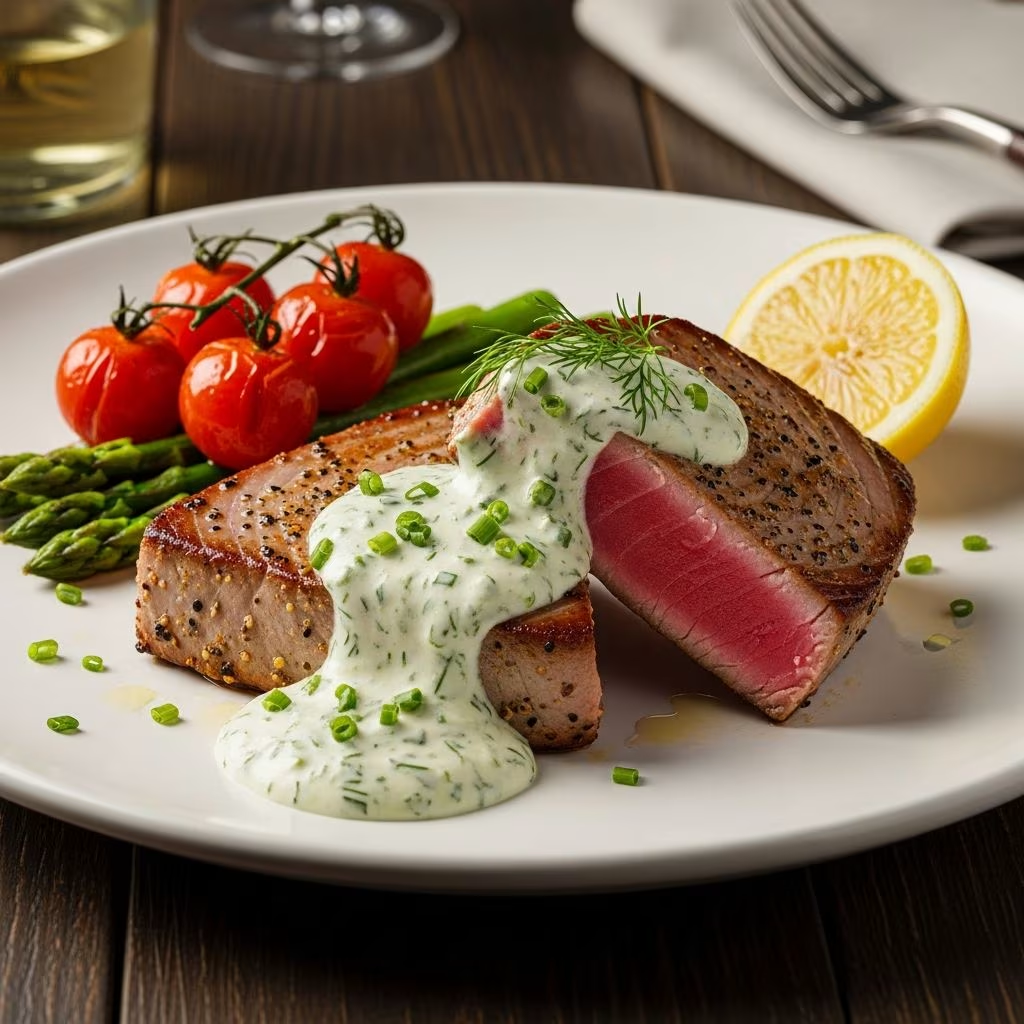
Tuna steaks represent one of the most versatile and straightforward proteins to master in the kitchen. Their firm texture and mild flavor make them ideal candidates for a variety of cooking methods and flavor profiles. When paired with a silky garlic herb cream sauce, tuna steaks transform into an impressive dish that rivals those served in upscale restaurants, yet remains surprisingly simple to execute at home.
This comprehensive guide will walk you through every step of preparing this elegant dish, from selecting quality tuna to mastering the perfect sear and creating an unforgettable cream-based sauce.
Understanding Tuna Steaks: Selection and Preparation
The foundation of any exceptional tuna steak dish begins with selecting high-quality fish. Tuna steaks should display a vibrant red or deep pink color, with firm flesh that springs back when gently pressed. The thickness of your steaks directly impacts cooking time and final texture; steaks approximately 1.5 inches thick provide an ideal balance between developing a flavorful crust and maintaining a tender, properly cooked interior.
Before cooking, allow your tuna steaks to rest at room temperature for approximately 15 to 20 minutes. This seemingly minor step significantly impacts the final outcome by ensuring even cooking throughout the steak rather than creating a cold center with an overcooked exterior.
Essential Techniques for Perfectly Seared Tuna Steaks
The cooking method you choose dramatically influences the texture and flavor development of your finished dish. Two primary approaches dominate tuna preparation: pan-searing and grilling.
Pan-Searing Method
Pan-searing delivers superior control and creates an exceptional crust. Select a heavy-bottomed skillet—cast iron works beautifully—and heat it to a high temperature. Add a thin layer of olive oil and allow it to shimmer just before adding the tuna. Sear each steak for approximately 1 to 2 minutes per side, depending on your preferred doneness and the thickness of your steaks. The goal is achieving a golden-brown exterior while maintaining a tender, slightly pink center when cut into.
Resist the temptation to constantly move or flip the steaks; undisturbed contact with the hot pan surface creates the desirable crust. Internal temperature should reach 90 to 95 degrees Fahrenheit for medium-rare preparation, which provides the optimal balance between food safety and preserving the delicate texture tuna offers.
Grilling Approach
For those preferring outdoor cooking methods, grilling presents an excellent alternative. Preheat your grill to medium-high heat and oil the grates to prevent sticking. Cook tuna steaks for 2 to 3 minutes per side, allowing the grill marks to develop and the exterior to caramelize. Grilled tuna often develops a slightly smokier flavor profile compared to pan-seared preparations.
Crafting the Signature Garlic Herb Cream Sauce
The cream sauce elevates tuna steaks from a simple protein to an elegant entrée worthy of special occasions. This sauce combines fundamental French culinary techniques with straightforward ingredients.
Sauce Components and Their Functions
The foundational elements include butter, fresh minced garlic, heavy cream, and aromatic herbs. Butter provides richness and serves as the base for infusing garlic flavor. Heavy cream creates the luxurious texture while its fat content balances the acidic and herbaceous components. Fresh parsley and dried oregano contribute complex flavor notes without overwhelming the delicate tuna.
Step-by-Step Sauce Preparation
Begin by melting 2 tablespoons of butter in a small saucepan over medium heat. Add freshly minced garlic—approximately 2 cloves—and cook for precisely one minute. This duration suffices to release the garlic’s aromatic compounds without allowing it to brown, which would impart an undesirable bitter quality.
Pour in 1/4 cup of heavy cream and whisk continuously to incorporate the butter and garlic evenly. Add 1 tablespoon of fresh chopped parsley and 1/4 teaspoon of dried oregano. Season with salt and freshly ground black pepper to taste. Continue cooking for 1 to 2 minutes, stirring gently until the sauce achieves a smooth, cohesive consistency.
Flavor Enhancement Through Marinades
While not strictly necessary, marinating tuna steaks before cooking intensifies flavor complexity. A simple marinade combining olive oil, fresh herbs, garlic, and a touch of honey creates remarkable depth without overwhelming the fish’s natural taste.
Quick Marinade Formula
- 1/3 cup extra virgin olive oil
- 1 tablespoon raw honey
- 2 minced garlic cloves
- 1 tablespoon fresh cilantro, finely chopped
- 1 tablespoon fresh parsley, finely chopped
- 1 teaspoon sea salt
- 1/2 teaspoon ground cumin
- 1/2 teaspoon cracked black pepper
Whisk all ingredients vigorously to emulsify the mixture. Place tuna steaks in a gallon-sized zip-lock bag and pour the marinade over them. Remove excess air and refrigerate for 30 minutes. This brief marinating period allows the herbs and spices to permeate the fish without requiring excessive time commitment.
Complementary Sides and Plating Strategies
Tuna steaks pair exceptionally well with a variety of sides that complement rather than compete with the garlic herb cream sauce.
Vegetable Accompaniments
- Steamed or roasted asparagus with lemon zest
- Crispy roasted potatoes seasoned with rosemary
- Sautéed spinach with garlic and shallots
- Grilled zucchini and bell peppers
- Creamed or mashed cauliflower for lower-carbohydrate options
Salad Options
Fresh salads provide contrast to the richness of the cream sauce. A simple mixed green salad with cherry tomatoes, cucumber, and a light vinaigrette works beautifully. Alternatively, a Mediterranean-inspired salad combining arugula, kalamata olives, red onion, and feta cheese offers more substantial flavor.
Plating Presentation
For optimal visual impact, place the seared tuna steak slightly off-center on your plate. Position vegetable sides in complementary areas, leaving adequate white space. Spoon the garlic herb cream sauce directly over the tuna and around the plate edges for elegance. Fresh herb garnishes—a sprig of parsley or thin lemon slice—add final polish.
Nutritional Considerations
Tuna steaks offer impressive nutritional benefits alongside their culinary appeal. This lean fish provides substantial protein content, supporting muscle maintenance and satiety. A typical 3-ounce serving contains approximately 25 grams of protein with minimal fat content. Tuna additionally supplies essential omega-3 fatty acids, supporting cardiovascular and cognitive health. The cream sauce, while rich, provides satisfying portions that allow for dietary flexibility when balanced with lighter sides.
Common Preparation Challenges and Solutions
Overcooked Tuna
Overcooked tuna becomes dry and unpalatable. Use a reliable meat thermometer to monitor internal temperature precisely. Remove steaks from heat when reaching 90 to 95 degrees Fahrenheit; carryover cooking will raise the temperature slightly further.
Broken Sauce
If the cream sauce breaks or becomes greasy, immediately remove it from heat. Whisk in a tablespoon of cold water or a splash of fresh lemon juice to re-emulsify the ingredients.
Bland Flavor
Insufficient seasoning represents the primary culprit behind underwhelming tuna dishes. Taste the sauce multiple times during preparation and adjust salt and pepper accordingly. Remember that seasoning should enhance rather than mask the natural fish flavor.
Wine and Beverage Pairings
Wine selection significantly enhances the dining experience. The crisp acidity of Sauvignon Blanc or Albariño cuts through the richness of the cream sauce beautifully. Alternatively, light-bodied red wines such as Pinot Noir complement the tuna’s earthy umami notes without overwhelming the palate. For non-alcoholic options, sparkling water with fresh lemon or herbal teas provide refreshing accompaniment.
Make-Ahead and Storage Guidance
The garlic herb cream sauce can be prepared up to 8 hours in advance and refrigerated in an airtight container. Gently reheat over low heat on the stovetop while whisking occasionally to restore smooth consistency. Tuna steaks should be cooked fresh shortly before serving, as their delicate texture deteriorates with storage. Uncooked marinated tuna maintains quality for up to 24 hours in the refrigerator.
Frequently Asked Questions
Can I use frozen tuna steaks?
Yes, but defrost them thoroughly in the refrigerator before cooking. Properly thawed tuna performs nearly identically to fresh specimens and produces equally satisfying results.
What if I don’t enjoy heavy cream?
Greek yogurt or sour cream can partially replace heavy cream, reducing richness while maintaining creaminess. Half-and-half offers a lighter alternative that still delivers satisfying texture.
How do I know when tuna is properly cooked?
Use an instant-read thermometer to verify internal temperature reaches 90 to 95 degrees Fahrenheit. Visually, the center should display a slight pink hue rather than appearing translucent or gray.
Can this recipe be scaled for larger groups?
Absolutely. Simply multiply ingredient quantities by the number of servings desired. Maintain the same cooking temperatures and times; you may need to work in batches depending on your cookware size.
Are there substitutions for oregano?
Fresh thyme, dill, or tarragon provide excellent herbal alternatives. Use the same quantity of fresh herbs or half the quantity if substituting with dried varieties.
References
- Seafood Cooking Guidelines — U.S. Food and Drug Administration. 2024. https://www.fda.gov/food/foodborneillnesscontaminants/seafood/guidance
- Culinary Techniques for Fish Preparation — The Culinary Institute of America. 2023. https://www.ciachef.edu/
- Nutritional Composition of Fish and Seafood — United States Department of Agriculture National Nutrient Database. 2024. https://fdc.nal.usda.gov/