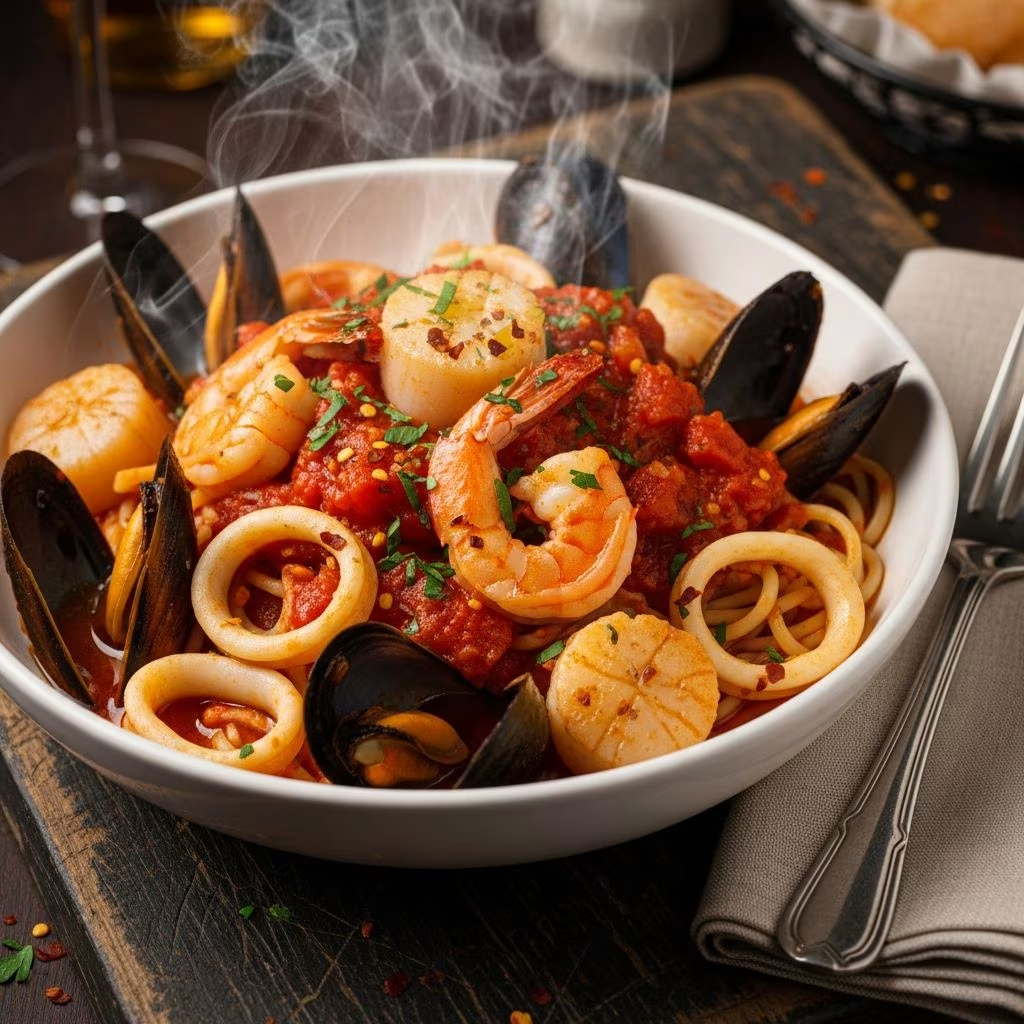
The term “fra diavolo” translates to “brother devil” in Italian, a name that perfectly captures the essence of this bold and fiery dish. This iconic preparation represents a cornerstone of Italian-American cuisine, combining fresh seafood with a spirited tomato-based sauce infused with chili peppers. The result is a dish that achieves remarkable depth while maintaining an approachable preparation method suitable for both novice cooks and experienced culinary enthusiasts.
Understanding the Origins and Cultural Significance
Seafood fra diavolo emerged from Italian coastal traditions where the marriage of Mediterranean ingredients created distinctive regional flavors. The dish exemplifies the Italian philosophy of letting quality ingredients speak for themselves while adding strategic seasonings that enhance rather than mask their natural characteristics. The fiery heat associated with fra diavolo represents the passionate, dramatic nature of Italian cooking—bold, unapologetic, and designed to stimulate the palate.
The preparation has evolved through generations, adapting to ingredient availability and personal preferences while maintaining its core identity. In modern kitchens, this dish serves multiple purposes: it functions as an elegant option for special occasions, a quick weeknight solution when prepared efficiently, and a vehicle for creative experimentation with different seafood selections.
Selecting Your Seafood Components
The beauty of fra diavolo lies in its flexibility regarding seafood selection. Traditional preparations feature shrimp, clams, and mussels, but the modern interpretation embraces numerous possibilities. Each seafood choice contributes distinct textural and flavor elements to the final dish.
Primary Seafood Options:
- Shrimp—provides sweet, succulent meat that absorbs sauce flavors readily
- Littleneck clams—offer briny intensity and visual appeal with their opened shells
- Mussels—contribute umami depth and attractive dark shells to presentation
- Sea scallops—deliver delicate sweetness and firm texture
- Lobster tail—adds luxurious appeal and substantial meat portions
- Calamari (squid)—introduces textural contrast with slightly chewy consistency
- Lump crab meat—supplies rich flavor without requiring cooking
- Firm white fish varieties—work when cut into bite-sized pieces, though they require careful handling
Considerations exist when choosing specific seafood types. Fish varieties tend to flake apart during cooking, making shellfish and more robust seafood superior choices. Combining multiple seafood types creates complexity and visual interest, though single-seafood versions remain equally valid. For convenience, quality frozen mixed seafood provides a practical alternative that maintains flavor integrity while streamlining preparation.
Building the Foundation: The Sauce
The fra diavolo sauce forms the technical and flavor foundation of this dish. Unlike cream-based preparations, this sauce celebrates tomato as its primary vehicle, with heat and aromatics providing supporting notes. The sauce building process typically follows a logical progression that develops flavor gradually.
Core Sauce Ingredients and Their Functions:
| Ingredient | Primary Function | Quantity Notes |
|---|---|---|
| Extra-virgin olive oil | Flavor base and cooking medium | 2-4 tablespoons for initial cooking |
| Garlic | Aromatic backbone | 5-6 cloves, minced |
| Crushed red pepper | Heat and piquancy | 1/2-1 teaspoon adjusted for preference |
| Yellow onion or shallots | Sweetness and depth | 1 medium onion or 2 large shallots |
| Canned tomatoes | Primary sauce body | 28 ounces whole peeled or crushed |
| Dry white wine | Acidity and complexity | 1 cup for added dimension |
Beginning with high-quality olive oil heated to medium-high temperature creates the foundation for aromatics. Adding minced garlic and crushed red pepper together allows the heat to infuse the oil, creating a flavorful base that distributes spice throughout the sauce. Incorporating finely chopped shallots or onions at this stage introduces natural sweetness that balances the heat and acidity.
Hand-crushing whole peeled tomatoes by breaking them apart as they enter the sauce preserves chunky texture while developing a rustic appearance. Some preparations employ crushed tomatoes for faster integration, while others prefer the textural contrast of whole tomatoes. Allowing the tomato base to simmer for 5-10 minutes permits the flavors to consolidate before introducing wine.
White wine addition serves multiple purposes: it introduces acidity that brightens the sauce, adds complexity through fermented notes, and creates a sauce that pairs elegantly with wine service. After wine incorporation, additional simmering time—typically 5-10 minutes—allows these components to marry into a cohesive flavor profile.
Advanced Flavor Development Techniques
Several techniques elevate fra diavolo from simple to sophisticated. Creating a shellfish broth from shrimp shells combined with white wine and aromatic herbs adds substantial umami depth that distinguishes restaurant-quality versions. This technique requires retaining shells from peeled shrimp, simmering them briefly to extract flavorful compounds, then straining and incorporating into the sauce.
Optional additions that enhance complexity include saffron threads steeped in warm broth before incorporation, which adds subtle earthiness and distinctive color. Pepperoncini peppers and their brine contribute additional complexity beyond simple red pepper heat, offering vinegary, complex spice notes. Fresh herbs like parsley and basil added during final cooking stages maintain bright, fresh character against the cooked sauce.
Fennel bulb integration provides licorice notes that complement seafood naturally and add textural interest. Incorporating a small quantity of sugar helps balance acidic tomato elements, though this should be adjusted carefully to personal preference rather than applied uniformly.
The Seafood Cooking Process
Timing represents the critical variable when cooking seafood in fra diavolo. Overcooking results in rubbery texture and lost moisture, while undercooking raises food safety concerns. Most seafood varieties require only 5-6 minutes of cooking in the prepared sauce. Shrimp should become opaque throughout but retain firmness, while clams and mussels indicate doneness by opening their shells.
Pre-cooking preparation matters significantly. Pat seafood thoroughly dry before adding to hot oil, as moisture prevents proper browning and can cause splattering. If using frozen seafood, complete defrosting beforehand ensures even cooking. Pre-cooked seafood varieties like crab meat require minimal heating—merely warming through in the sauce rather than extended cooking.
Adding seafood in stages according to cooking time prevents overcooking faster-cooking items while ensuring thorough cooking for varieties requiring longer heat exposure. Typically, hardy shellfish like littleneck clams enter the sauce first, followed by shrimp and scallops, with delicate items like pre-cooked crab added at the very end.
Pasta Coordination and Serving Strategies
Pasta selection influences the final dish’s character. Linguine remains the classic choice, its flat ribbons trapping sauce efficiently while providing elegant presentation. Bucatini, with its hollow center, captures sauce internally while offering textural interest. Fettuccine works similarly to linguine, while spaghetti provides thinner strands that require careful sauce distribution.
Cooking pasta to one minute before al dente allows continued softening through residual heat and sauce absorption without achieving mushy texture. This technique bridges the gap between firm pasta and sauce integration. Heavily salted water seasons the pasta during cooking rather than relying on salt added at service, building foundational flavor throughout.
Combining cooked pasta with seafood and sauce in the serving vessel—rather than plating separately—allows pasta to absorb remaining sauce while flavors continue developing during plating. This technique creates cohesion impossible to achieve through separate plating.
Temporal Flexibility: Quick Weeknight vs. Special Occasion Preparation
Fra diavolo accommodates significant time variation. A complete 20-minute preparation becomes possible using frozen mixed seafood and quality jarred marinara as the sauce base, though this produces acceptable rather than exceptional results. More elaborate versions requiring 45-60 minutes allow sauce building from component ingredients, fresh seafood selection, and refined flavor development.
The deciding factors revolve around ingredient quality and time availability rather than the dish’s inherent complexity. Simple versions satisfy weeknight dinner demands, while extended preparations accommodate entertaining contexts where presentation and flavor depth warrant additional effort.
Customization and Variation Strategies
Personal preference shapes fra diavolo meaningfully. Heat-sensitive diners reduce crushed red pepper to 1/4 teaspoon, while spice enthusiasts increase quantities or layer multiple heat sources. Some preparations embrace brothy consistency, while others prefer thicker, clinging sauce. Herb variations—emphasizing oregano, basil, or parsley—shift the dish’s character subtly.
Vegetable additions like diced fennel, cherry tomatoes, or fresh vegetables stirred in during final minutes add nutritional value and textural variety. Some preparations include clam juice in small quantities to deepen briny notes without overwhelming other flavors.
Frequently Asked Questions
Can I prepare fra diavolo in advance? The sauce develops better flavors when made several hours ahead or even the day prior. Reheat gently and add seafood immediately before serving to prevent overcooking. Pasta should always be cooked fresh and combined just before plating.
What wine pairs best with this dish? Crisp white wines with good acidity complement the spicy sauce beautifully. Consider Italian varieties like Pinot Grigio, Vermentino, or Albariño. The same wine used in cooking typically provides excellent pairing.
How should I store leftovers? Refrigerate in airtight containers for up to two days. Separate pasta from sauce for optimal storage. Reheat gently in a pan with a splash of water to restore sauce consistency, though quality diminishes as stored seafood dries.
Can I use canned clams or mussels instead of fresh? While possible, the visual appeal of opened shells and superior texture of fresh shellfish justify the effort. Canned varieties work in emergency situations but produce less impressive results.
What substitute works if I cannot find specific seafood? Literally any seafood adapts to this preparation—adjust cooking times based on thickness and density. The fundamental sauce and technique remain constant regardless of specific selections.
Professional Tips for Optimal Results
- Taste the sauce before adding seafood, adjusting heat, salt, and sweetness to preference—adjustments become difficult after seafood incorporation
- Use a combination of seafood types rather than single varieties for complexity and visual interest
- Don’t skip the drying step for seafood—moisture prevents proper cooking and affects final texture
- Reserve pasta cooking water to adjust sauce consistency if needed during combination
- Finish with fresh herbs added during plating to maintain vibrant color and fresh aromatics
- Serve immediately after combining pasta and sauce to experience optimal temperature and texture
Seafood fra diavolo represents accessible sophistication—impressive enough for entertaining yet manageable for regular dinners. Understanding component selection, sauce development, and timing principles transforms this preparation from intimidating to confident execution. Whether embracing the 20-minute convenience version or investing in elaborate preparations, the fundamental appeal remains constant: fresh seafood, bold flavors, and the satisfying heat that defines this iconic Italian dish.
References
- Seafood Fra Diavolo | The Devilishly Delicious Italian Seafood Dish — Brooklyn Brothers Cooking. https://www.youtube.com/watch?v=02huLLaYBFY
- Seafood Fra Diavolo with Linguini Recipe — Rachael Ray. https://rachaelray.com/blogs/recipes/seafood-fra-diavolo-linguini
- Fra Diavolo Seafood Stew — A Cultivated Living. https://acultivatedliving.com/recipe/fra-diavolo-seafood-stew/
- Seafood Linguine fra Diavolo (spicy red sauce) — Bowl of Delicious. https://www.bowlofdelicious.com/linguine-fra-diavolo/
- Seafood Fra Diavolo — Host The Toast. https://hostthetoast.com/seafood-fra-diavolo/