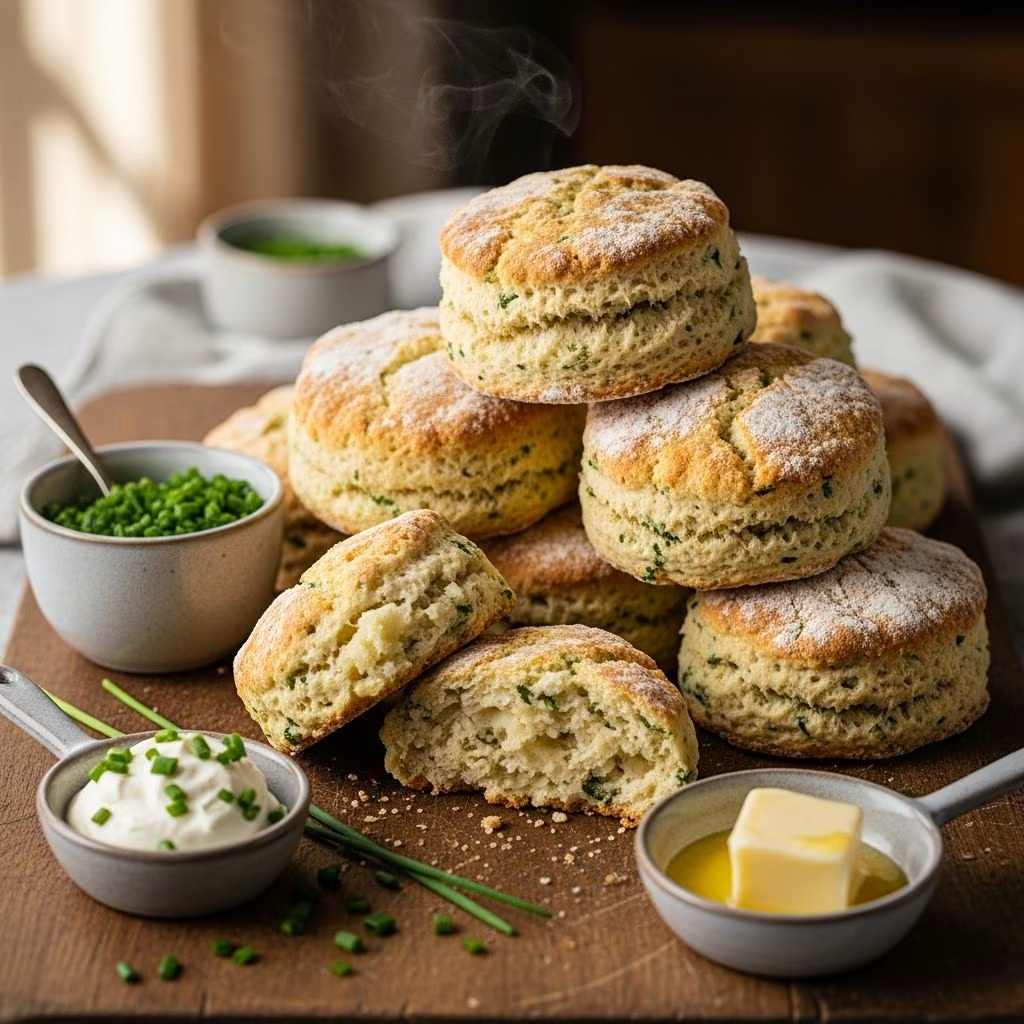
Potato scones, often called tattie scones in Scotland, transform humble mashed potatoes into soft, flavorful flatbreads ideal for breakfast, snacks, or sides. These versatile treats require minimal ingredients and effort, making them a staple in many kitchens.
Why Potato Scones Are a Kitchen Essential
At their core, potato scones offer a unique texture—tender inside with a crisp exterior when pan-fried. Originating from Scottish traditions, they pair perfectly with full breakfasts, including eggs, bacon, and sausages. Their appeal lies in using everyday items like leftover mashed potatoes, reducing waste while delivering comfort food.
Unlike traditional scones leavened with baking powder, these rely on potato starch for structure, resulting in a denser, more savory profile. Cooks appreciate their adaptability: plain for purists or spiced for global flair.
Selecting the Best Potatoes for Success
Floury varieties like russet or Maris Piper are key, as their high starch content yields dry, fluffy mash essential for dough cohesion. Waxy potatoes absorb too much water, leading to sticky results.
- Russet potatoes: Ideal for ricing; peel and boil until fork-tender.
- King Edward or Maris Piper: Common in UK recipes for authentic texture.
- Instant flakes: Quick alternative; hydrate with warm water for fresh-like mash.
Aim for 500g peeled potatoes to yield about 12 scones. Boil gently for 15-20 minutes, drain thoroughly, and air-dry to remove excess moisture.
Classic Scottish Potato Scone Recipe
This straightforward method produces golden, triangular farls ready in under an hour.
Ingredients (Makes 12)
| Ingredient | Quantity |
|---|---|
| Floury potatoes | 500g, peeled |
| Butter or margarine | 25-50g |
| Self-raising flour | 125-130g (adjust for moisture) |
| Salt | ½ tsp, or to taste |
| Pepper | To taste |
Step-by-Step Instructions
- Boil potatoes in salted water until soft (15-20 min). Drain, dry, and mash smoothly with butter. Season well.
- Mix in flour gradually until a soft dough forms. Knead lightly on a floured surface.
- Divide into 3 balls. Roll each to ¼-½ inch thick, prick with a fork, and cut into triangles.
- Heat a non-stick pan or griddle over medium heat with a dab of butter or oil. Fry 3-4 minutes per side until golden.
Cool slightly on a wire rack. Serve warm for best flavor.
Pro Tips for Flawless Texture
Achieving the right consistency separates great scones from soggy ones. Use a potato ricer for airy mash, minimizing lumps. Avoid overworking the dough to prevent toughness.
- Moisture control: If mash is wet, add flour incrementally. Cold leftovers work best.
- Thickness: Roll to ½ cm for crisp edges; thicker for cake-like bites.
- Cooking: Medium heat prevents burning. Use bacon fat for authentic flavor.
Pricking dough vents steam, ensuring even cooking.
Flavor Variations to Elevate Your Scones
Experiment beyond basics for exciting twists.
| Variation | Add-Ins | Best Pairing |
|---|---|---|
| Indian-Spiced | 1 tsp cumin, ½ tsp coriander & turmeric, sliced spring onions | Yogurt raita, curry |
| Herbed | ⅓ cup dill & cilantro, grated cheese | Smoked salmon, eggs |
| Bacon-Infused | ¼ cup bacon drippings, chopped bacon | Full English breakfast |
| Cheesy | 1 cup colby, fresh herbs | Soup or stew |
Incorporate add-ins post-mashing, before flour. For Indian style, fry thinly for crispiness.
Perfect Pairings and Serving Ideas
Potato scones shine in traditional Scottish fry-ups with eggs, black pudding, and beans. Top with smoked salmon and scrambled eggs for brunch luxury.
- Breakfast: Alongside sausage and tomatoes.
- Lunch: As sandwich base with cheese and ham.
- Dinner: Side for stews or fish.
- Snack: Butter-slathered or with jam for sweet-savory contrast.
For vegan versions, swap butter for plant-based spread.
Storage and Freezing for Later
Fresh scones last 2 days at room temp in an airtight container. Refrigerate up to 5 days; reheat in a pan.
Freeze unbaked dough rounds or cooked scones (up to 3 months). Thaw and fry from frozen, adding 1-2 extra minutes.
Common Mistakes and Fixes
Dough too sticky? Add flour 1 tbsp at a time.
Scones dense? Over-kneading; handle gently.
Not crisping? Ensure pan is hot; don’t overcrowd.
Nutritional Snapshot
Per scone (classic recipe): ~120 calories, 3g fat, 20g carbs, 3g protein. High in potassium from potatoes; use whole wheat flour for fiber boost.
Frequently Asked Questions
Can I use sweet potatoes?
Yes, but expect sweeter, moister results. Add extra flour.
Gluten-free option?
Substitute self-raising flour with a GF blend plus 1 tsp baking powder.
How thin should I roll them?
¼-½ inch for traditional farls; thinner for crunchier texture.
Best pan for cooking?
Cast iron or non-stick griddle mimics traditional girdle.
Make ahead?
Prepare dough night before; chill and cook fresh.
Advanced Techniques for Chefs
Ricing potatoes introduces air, improving lightness. For ultra-crisp exteriors, chill dough 30 minutes pre-rolling. Experiment with olive oil instead of butter for savory notes.
In fusion cooking, layer with smoked salmon and herbed cream cheese, as in upscale brunch recipes.
References
- Tattie Scones – Baking with Granny® — Baking with Granny. 2023. https://bakingwithgranny.co.uk/recipe/scottish/tattie-scones/
- Easy Indian Spiced Potato Scones — Tinned Tomatoes. 2019-11. https://www.tinnedtomatoes.com/2019/11/easy-indian-spiced-potato-scones.html
- Potato Scones: Classic Recipes with New Ingredients — Food Coop. N/A. https://www.foodcoop.coop/blog/potato
- Potato Scones for St. Patrick’s Day — Noshing with the Nolands. N/A. https://noshingwiththenolands.com/potato-scones-st-patricks-day/
- Potato Scones and British Breakfasts: a Tutorial — Christina’s Cucina. N/A. https://www.christinascucina.com/scottish-potato-scones-and-british/
- Like A Rolling Scone — Bittersweet Blog. 2025-08-22. https://bittersweetblog.com/2025/08/22/potato-tattie-scones/