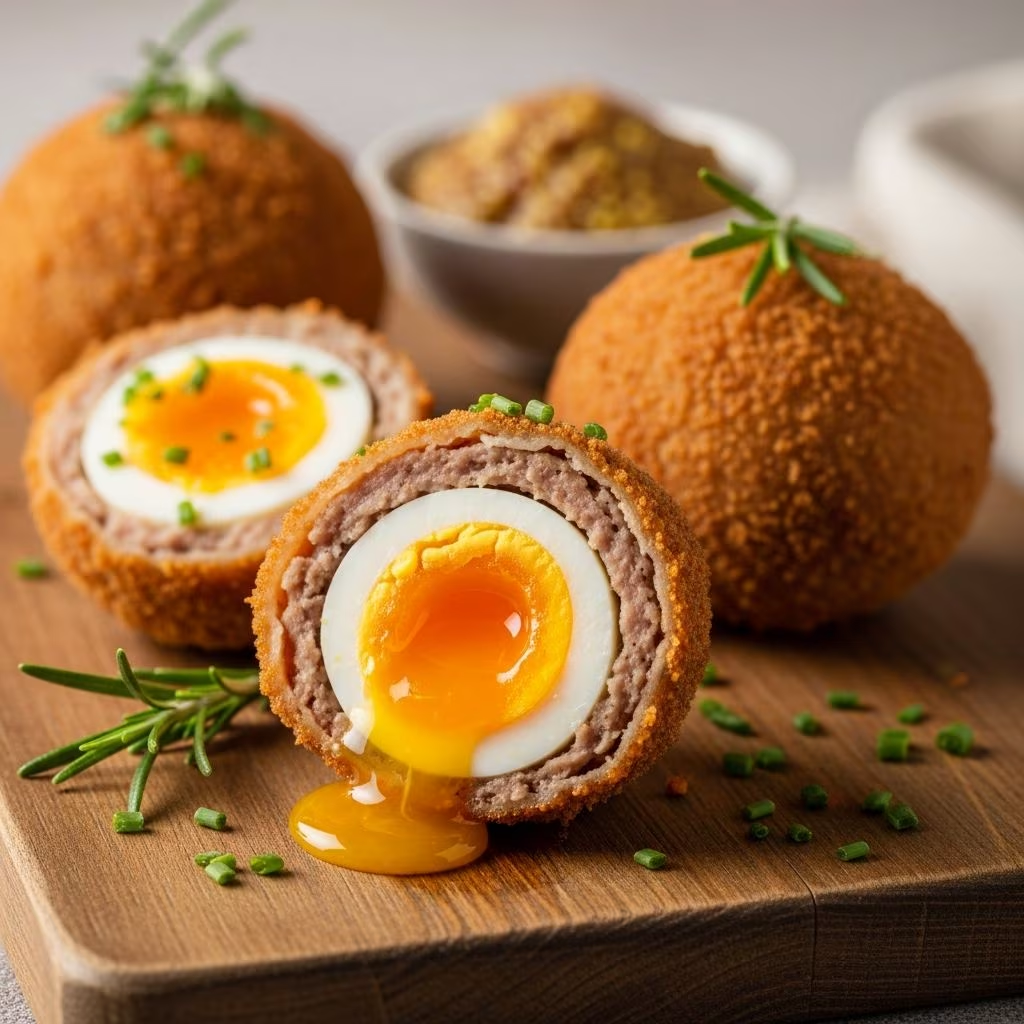
Scotch eggs represent one of Britain’s most beloved culinary exports, blending simplicity with sophistication in a way that few dishes can match. This iconic appetizer features a hard-boiled egg enveloped in seasoned sausage meat, coated with breadcrumbs, and fried until golden and crispy. Whether you’re preparing them for a casual picnic, a dinner party, or simply craving a satisfying snack, understanding the fundamentals of this British staple will elevate your cooking repertoire.
Understanding the Fundamentals of Scotch Eggs
At its core, a Scotch egg is deceptively straightforward in construction. The beauty lies not in complexity but in the quality of ingredients and precision of technique. The dish originated in Britain and has remained a fixture in pub menus, picnic baskets, and home kitchens for generations. What makes a truly exceptional Scotch egg is the contrast between the creamy yolk at the center, the tender sausage layer, and the crispy breadcrumb exterior.
The traditional presentation typically includes a mustard-based dipping sauce that complements the richness of the fried exterior while cutting through the savory depth of the sausage meat. This combination creates a balanced eating experience that explains the dish’s enduring popularity across the United Kingdom and beyond.
Selecting Your Ingredients
Success begins with ingredient selection. Each component plays a crucial role in the final product.
The Egg: Foundation of Your Dish
Using large, fresh eggs is essential. The size ensures proper proportion between the yolk and surrounding sausage meat. You have flexibility in how thoroughly you cook the eggs, which directly impacts the eating experience. For a runny center, boil eggs for approximately four minutes. For a firm, fully cooked yolk, extend the cooking time to ten minutes. Room temperature eggs before boiling cook more predictably than cold eggs straight from refrigeration.
Sausage Meat Selection and Preparation
The sausage component should comprise approximately 1.5 to 2 ounces per egg for optimal coverage and flavor. British or Irish pork sausages work traditionally well, though you can either use pre-made sausage links with casings removed or purchase ground sausage meat directly. English mustard incorporated into the meat mixture adds authentic flavor and subtle heat that distinguishes homemade versions from commercial alternatives.
Breading Components
Three-bowl breading station preparation streamlines the coating process. Use all-purpose flour for the initial coating, whisked eggs for adhesion, and plain breadcrumbs for the final layer. Some cooks prefer panko breadcrumbs for increased crispness and visual appeal. Seasoning your breading mixture with salt, pepper, and optional spices ensures flavor throughout rather than just on the surface.
The Egg Preparation Process
Properly cooked eggs set the stage for success. Bring water to a rolling boil before adding eggs to ensure consistent cooking. The four-minute versus ten-minute timing difference creates two distinct textural experiences. After boiling, immediately transfer eggs to cold water to halt the cooking process, which prevents overcooking and the undesired gray-green ring around the yolk.
Gentle peeling ensures the egg white remains intact and undamaged. Tap the cooked egg all over on a hard surface to evenly crack the shell, then return it briefly to cold water. This allows water to seep under the shell, facilitating easier removal without compromising the egg’s structural integrity. Ensure peeled eggs are completely dry before wrapping in sausage, as moisture prevents proper adhesion.
Crafting the Sausage Coating
The sausage meat layer requires careful application to achieve even coverage. Divide your sausage meat into portions matching your egg count, typically resulting in four to eight eggs depending on your recipe scale. Pat each portion into a thin disk, place an egg in the center, and use your hands to encase the egg completely. Work efficiently but gently to avoid squeezing the sausage excessively, which can result in a dense, chewy texture rather than a tender interior.
Some recipes recommend adding ingredients to the sausage mixture for enhanced flavor complexity. Finely chopped fresh herbs like chives or parsley, mustard powder, ground nutmeg, and freshly ground black pepper create a more sophisticated flavor profile. The sausage mixture can be prepared in advance and refrigerated for up to two days, allowing flavors to meld before assembly.
The Breading Technique
Efficient breading requires organization. Arrange your three bowls in logical sequence: flour first, followed by beaten egg, then breadcrumbs. Roll each sausage-wrapped egg lightly in flour to establish a base layer that helps subsequent coatings adhere. Dip immediately into beaten egg, ensuring complete coverage and removing excess liquid. Finally, roll in breadcrumbs, pressing gently to encourage adhesion and create an even coating.
The breaded eggs can be refrigerated for up to 24 hours before frying, which actually improves results by allowing the coating to set firmly. This advance preparation also makes them convenient for entertaining or batch cooking.
Cooking Methods: Traditional and Modern
Deep Frying for Traditional Results
Traditional deep frying produces the most authentic results. Heat oil to 350°F (175°C), monitored with a candy thermometer for accuracy. A simple test involves dropping a breadcrumb into the oil; if it sizzles immediately, the temperature is correct. Carefully lower breaded eggs into the hot oil, frying until the exterior achieves a deep golden-brown color, typically three to five minutes depending on size.
Oil selection matters for both flavor and health considerations. Vegetable oil, groundnut oil, or lard each produce slightly different flavor profiles. Cast iron cookware with high sides provides safety and even heat distribution when deep frying.
Oven-Baked Alternative
For a lighter preparation, oven-baking offers a viable option. Preheat your oven to 400°F (200°C) and heat a cast iron skillet containing your chosen fat. Once the pan is sufficiently heated and the fat shimmers, carefully place breaded eggs in the skillet. Transfer to the oven and bake for approximately 15-20 minutes until the coating achieves golden-brown coloring. While not quite as crispy as deep-fried versions, baked Scotch eggs offer a healthier preparation with minimal difference in final texture.
Flavor Enhancement and Creative Variations
While traditional Scotch eggs remain excellent, creative adaptations expand culinary possibilities. Consider these variations:
- Portuguese-inspired: Incorporate finely chopped linguiça sausage, minced olives, and smoked paprika into the meat mixture for Mediterranean flair
- Mexican fusion: Combine traditional sausage with chorizo, adding cumin and chili powder to both the meat and breading
- British elevation: Add black pudding to the sausage mixture for enhanced depth and complexity
- Global seasonings: Experiment with Creole seasoning, Jamaican jerk spices, Ethiopian berbere, or curry powder in the breadcrumb coating
- Specialty proteins: Replace sausage with minced smoked mackerel, smoked cod, or smoked haddock for seafood variations
Serving Suggestions and Accompaniments
Presentation and accompaniments significantly enhance the eating experience. Serve warm Scotch eggs alongside contrasting condiments that complement the richness of the fried exterior.
| Accompaniment | Flavor Profile | Best Preparation Method |
|---|---|---|
| Dijon Mustard Sauce | Tangy, spicy, herbaceous | Mix Dijon mustard with white wine vinegar, honey, and black pepper |
| Mango Chutney | Sweet, spiced, fruity | Serve at room temperature alongside |
| Pickled Vegetables | Acidic, crunchy, bright | Homemade or quality store-bought pickled onions or walnuts |
| Fresh Salad Greens | Light, refreshing contrast | Simple green salad with lemon vinaigrette |
Storage and Make-Ahead Strategies
Scotch eggs remain excellent for several days when properly stored. Refrigerate cooked eggs in an airtight container for up to four days. Reheat gently in a 325°F (160°C) oven for approximately 10 minutes to restore crispness without overheating the interior. They travel exceptionally well, making them ideal for picnics, packed lunches, or casual entertaining.
Frozen Scotch eggs maintain quality for up to three months when wrapped individually and stored in freezer bags. Thaw overnight in the refrigerator before reheating, or reheat directly from frozen by extending oven time to approximately 20 minutes.
Troubleshooting Common Issues
Several common challenges have straightforward solutions. If the sausage meat separates from the egg during frying, ensure the cooked egg was completely dry before wrapping. If the breadcrumb coating remains pale or doesn’t crisp adequately, verify your oil temperature; insufficient heat creates greasy results while proper temperature produces golden exteriors in three to five minutes.
Runny sausage inside indicates undercooked eggs or sausage meat that wasn’t cooked through. Verify egg boiling time and ensure sausage fries until completely cooked. If the egg yolk overcooks when you prefer it runny, reduce initial boiling time from four minutes, checking at three-minute intervals until you achieve the desired texture.
Frequently Asked Questions
Can I prepare Scotch eggs in advance?
Yes, breaded eggs can be refrigerated for up to 24 hours before frying. Cooked eggs keep refrigerated for four days and frozen for three months. This advance preparation makes them convenient for entertaining or batch cooking.
What’s the difference between four-minute and ten-minute egg boiling?
Four minutes produces a runny, jammy yolk with soft whites, while ten minutes yields a completely firm, hard-boiled center. Both are valid; choose based on personal preference for the final eating experience.
Can I bake instead of deep fry?
Absolutely. Oven-baking at 400°F produces slightly less crispy results but requires less oil and reduces cooking time. Both methods are valid; frying produces more authentic texture while baking offers a lighter alternative.
What sausage type works best?
British or Irish pork sausages are traditional. Ground sausage meat with added seasonings like mustard powder and nutmeg creates more complex flavor than plain sausage meat.
How do I prevent the sausage from separating during frying?
Ensure peeled eggs are completely dry before wrapping in sausage. Moisture prevents proper adhesion of the meat to the egg white.
Mastering Your Technique
Creating exceptional Scotch eggs combines ingredient quality with proper technique. Start with straightforward traditional versions to understand the fundamentals before experimenting with creative variations. Pay attention to oil temperature, egg preparation, and breading application, as these elements determine the final product’s quality.
Whether you’re preparing them for casual family meals or impressive entertaining, Scotch eggs deliver sophisticated results through surprisingly simple preparation. The combination of creamy yolk, flavorful sausage, and crispy coating creates a satisfying snack that explains this British classic’s enduring popularity. With practice and attention to detail, you’ll develop confidence in reproducing restaurant-quality results in your own kitchen.
References
- Traditional Scotch Eggs — Culinary Ginger. Accessed 2026-04-09. https://culinaryginger.com/scotch-eggs/
- Scotch Eggs — The Daring Gourmet. Accessed 2026-04-09. https://www.daringgourmet.com/scotch-eggs/
- Easy Baked Scotch Eggs — The Elliott Homestead. 2020-10. https://www.theelliotthomestead.com/blog/2020/10/easy-baked-scotch-eggs
- Scotch Egg Recipes — Great British Chefs. Accessed 2026-04-09. https://www.greatbritishchefs.com/collections/scotch-egg-recipes
- Scotch egg recipes – BBC Good Food — BBC Good Food. Accessed 2026-04-09. https://www.bbcgoodfood.com/recipes/collection/scotch-egg-recipes