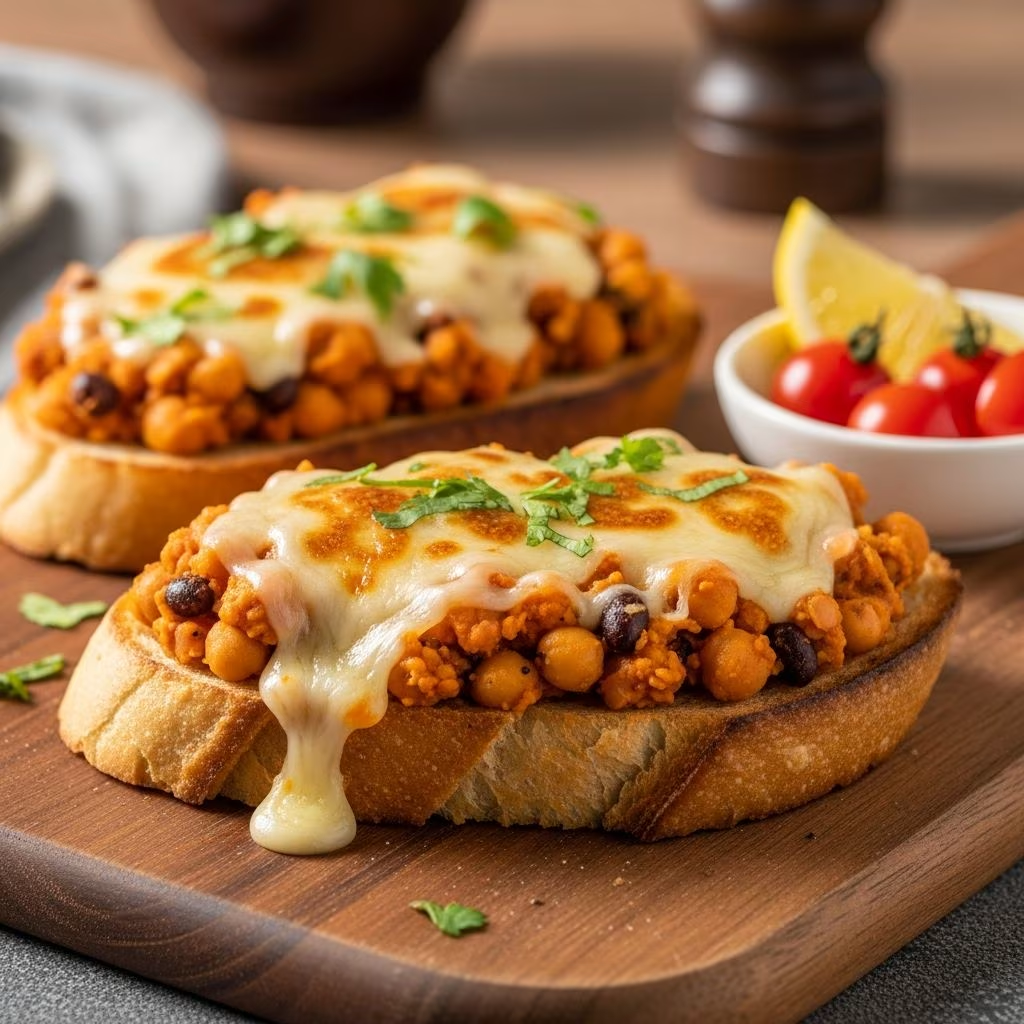
In today’s fast-paced world, finding meals that balance convenience with nutrition remains a persistent challenge. Many individuals seek recipes that require minimal preparation time while delivering substantial nutritional value. One such solution gaining popularity among home cooks is the creation of savory open-faced toasts topped with legumes, fresh ingredients, and melted cheese. This approach to meal preparation transforms basic pantry staples into a satisfying dish that works equally well for lunch, dinner, or casual entertaining.
The appeal of this particular style of toast lies in its versatility and accessibility. Unlike many trendy recipes requiring specialty ingredients or advanced cooking techniques, this dish relies on components most households already have available. By combining protein-rich legumes with carefully selected vegetables and quality cheese, anyone can prepare a meal that feels both homemade and restaurant-quality.
Understanding the Foundation: Why Legumes Make Excellent Toast Toppings
Legumes have occupied a central role in global cuisine for thousands of years, yet their potential as convenient meal components remains underutilized in many Western kitchens. These plant-based proteins offer multiple advantages when considering their use on toasted bread.
From a nutritional standpoint, legumes provide substantial quantities of fiber, plant-based protein, and essential minerals including iron and magnesium. A single serving can contribute meaningfully to daily nutritional requirements without adding excessive calories. This makes them particularly appealing for individuals monitoring their dietary intake while maintaining energy levels throughout the day.
The practical advantages extend beyond nutrition. Legumes store indefinitely when dried and maintain excellent quality for extended periods when canned, making them reliable pantry items. Their mild flavor profile allows them to accept bold seasonings and complement diverse ingredients without overwhelming other components in a dish.
Selecting Your Legume Foundation
The choice of which legumes to employ depends partly on personal preference and partly on what complements your chosen flavor profile. Several options work particularly well in this application:
- Small white beans: These possess a delicate texture that becomes creamy when mashed, creating a smooth base layer for toppings
- Black beans: Offering earthy undertones, these work exceptionally well with bold spices and robust flavor combinations
- Pinto varieties: Their subtle sweetness pairs beautifully with acidic elements like vinegar and citrus
- Chickpeas: With their firm texture and nutty characteristics, these retain their shape better when dressed with oil and seasonings
- Lentils: Smaller legumes that create interesting textural contrast when left whole rather than pureed
Each variety brings distinct characteristics to your dish. The optimal choice depends on whether you prefer smooth, spreadable consistency or want to maintain individual legume identity through texture.
Building Flavor Through Strategic Seasoning and Preparation
The difference between bland and extraordinary legume toast lies primarily in how thoughtfully you approach seasoning. Rather than simply spreading beans onto bread, the goal involves creating complexity through layered flavors.
Fundamental Seasoning Approach
Begin by considering acid as your foundational flavor component. Vinegars, citrus juice, and other acidic elements brighten legumes and prevent them from tasting heavy or monotonous. Even a modest amount of acid dramatically transforms the eating experience.
Salt plays an equally critical role, though it should be added progressively rather than all at once. Initial seasoning should be conservative, with adjustments made after tasting. Remember that cheese and bread components will contribute additional salt, so avoid oversalting the legume mixture itself.
Fat additions enhance mouthfeel and distribute flavor molecules more effectively throughout the dish. Quality olive oil represents the most common choice, though other options including nut oils or infused varieties can introduce additional dimensions to your toast.
Spice Layering Techniques
Rather than adding all spices simultaneously, consider when during preparation each component joins the mixture:
- Blooming spices in oil: Brief heating of whole spices in warm oil releases essential oils and intensifies their presence in the final dish
- Ground spices mixed with acid: Combining ground seasonings with vinegar or citrus before adding to legumes ensures even distribution
- Fresh ingredients added at service: Herbs, garlic, and vegetables incorporated just before eating provide brightness and prevent flavors from becoming muted or one-dimensional
- Finishing touches: Specific additions made only to the individual portion being consumed allow for personalization without affecting the entire batch
This methodical approach results in toast that tastes considered and complex rather than simply seasoned.
Incorporating Fresh Vegetables and Aromatics
Vegetables contribute crucial nutritional elements, textural variety, and fresh flavors that prevent this dish from feeling monotonous or heavy.
Raw Vegetables for Maximum Freshness
Uncooked vegetables maintain crisp texture and bright flavor characteristics that become muted through cooking. Common options include diced tomatoes, thinly shaved cucumbers, minced red onion, and julienned carrots. The slight sharpness of raw red onion provides textural and flavor interest without requiring any cooking.
Cooked Vegetables for Depth
Conversely, brief cooking of certain vegetables intensifies their natural sweetness and creates deeper flavor profiles. Roasted or sautéed peppers, caramelized onions, or quickly wilted greens add richness and substance to your toast.
Aromatic Elements
Fresh garlic, either minced finely or thinly shaved, introduces sharp pungency. Fresh herbs including cilantro, parsley, dill, or basil provide brightness. These aromatics should typically be added just before consumption to preserve their volatile compounds and maximize their impact.
The Cheese Component: Selection and Application
Cheese serves multiple functions in this preparation. Beyond flavor, it provides textural contrast and helps bind the overall composition. The melted cheese creates a bridge between the bread’s structure and the legume mixture’s consistency.
Cheese Selection Considerations
| Cheese Type | Melting Characteristics | Flavor Profile | Best Uses |
|---|---|---|---|
| Feta | Does not melt significantly | Tangy and salty | Crumbled as garnish |
| Cheddar | Melts smoothly | Sharp or mild depending on age | Full coverage melting |
| Gruyère | Excellent melting quality | Nutty and complex | Premium applications |
| Mozzarella | Very fluid when heated | Mild and creamy | Binding ingredient |
| Goat cheese | Softens but doesn’t fully melt | Tangy and earthy | Dolloped on finished toast |
The application method matters as much as the selection. Shredded cheese melts more uniformly than chunks, while thinly sliced cheese creates appealing visual presentation. Some preparations benefit from layering cheese beneath the legume mixture so it melts directly onto the bread, while others shine with cheese distributed across the surface.
Bread Selection and Preparation
The bread foundation essentially functions as an edible plate, providing structural support and textural contrast. This decision influences the overall eating experience significantly.
Bread Type Recommendations
Sourdough offers complex flavor that complements bold legume preparations. Its open crumb structure absorbs toppings without becoming soggy. Whole grain varieties provide additional nutrition and fiber. Ciabatta’s tender yet sturdy structure makes it ideal for supporting substantial toppings. Even simple baguettes work excellently, particularly when sliced on the bias to create larger surface area.
Toasting Method Importance
Simply toasting bread before adding toppings serves multiple purposes. Heat drives off surface moisture, creating a crispy exterior that resists becoming soggy from the legume mixture. Toasting also develops flavor through the Maillard reaction, creating toasted notes that enhance the overall composition. Medium toasting achieves optimal balance between crispness and edibility without creating rock-hard bread.
Assembly and Service Considerations
The order in which components are combined significantly influences the final result. Consider this progression:
- Toast bread to desired darkness level and allow brief cooling
- If using soft spreads, apply thin layer directly to warm bread to allow slight melting
- Distribute legume mixture in even layer, leaving slight margin around edges
- Top with cheese and place under broiler or in toaster oven until cheese melts and begins browning
- Immediately remove from heat to prevent over-cooking
- Top with fresh vegetables and aromatics just before consuming
This timing ensures the cheese reaches optimal melted state while fresh components maintain their textural integrity.
Nutritional Benefits and Dietary Considerations
This preparation style offers significant nutritional advantages worth understanding. The combination of legumes, whole grain bread, and vegetables creates a meal with substantial fiber content, supporting digestive health and satiety. Legumes provide plant-based protein that functions effectively for meeting daily requirements, particularly important for individuals following vegetarian or vegan diets.
The meal’s macronutrient balance prevents rapid blood sugar fluctuations that can lead to energy crashes. Combined fiber and protein create sustained energy throughout subsequent hours. For individuals managing specific dietary needs, this template proves easily adaptable—removing cheese for dairy-free versions, selecting whole grain bread for additional fiber, or choosing legumes based on specific nutritional requirements.
Practical Preparation and Meal Planning
One significant advantage of this recipe style involves its compatibility with meal planning. The legume mixture can be prepared in advance, refrigerated for several days, and portioned as needed. This advance preparation reduces time pressure during busy weekdays.
Batch preparation of seasoned legumes creates flexibility. Portions can be dressed differently based on what fresh ingredients are available or what flavor profiles appeal to individual family members. This approach respects diverse preferences while minimizing overall preparation time.
Storage Guidelines
- Prepared legume mixture: Refrigerate up to four days in airtight container
- Fresh vegetable toppings: Prepare and store separately to prevent moisture transfer
- Toast bread immediately before assembly to maintain optimal texture
- Compose final dish no more than thirty minutes before consumption
Flavor Variations and Creative Adaptations
While the basic formula remains consistent, numerous variations exist to maintain interest and accommodate seasonal ingredient availability. Mediterranean-inspired versions incorporate olives, sun-dried tomatoes, and oregano. Middle Eastern variations employ cumin, sumac, and pomegranate molasses. Asian-influenced preparations might include soy sauce, ginger, and sesame oil.
These variations demonstrate the remarkable adaptability of the foundational concept. Keeping basic legume mixture relatively neutral allows final flavoring to occur based on available ingredients or desired culinary direction.
Frequently Asked Questions
Can this dish be prepared ahead completely?
While components can be prepared in advance, the assembled toast should be consumed within thirty minutes of assembly. Toasting bread significantly in advance results in staling. Similarly, fresh vegetable toppings become wilted when exposed to warm cheese and legumes for extended periods.
What alternatives exist for individuals with cheese allergies?
Nutritional yeast provides similar umami elements without dairy content. Cashew-based cheese sauces create creaminess. Alternatively, focusing entirely on the legume-vegetable combination without any cheese component creates a satisfying dish.
How can this meal accommodate gluten-free diets?
Simply substituting gluten-free bread maintains the same preparation method and flavor profile. Many quality gluten-free options exist that toast effectively and provide suitable structure.
Is this recipe suitable for meal prep?
Legume mixture certainly qualifies as meal-prep friendly. However, the final assembly benefits from happening immediately before consumption to preserve texture and prevent sogginess.
References
- Dietary Guidelines for Americans 2020–2025 — U.S. Department of Agriculture and Department of Health and Human Services. 2020. https://www.dietaryguidelines.gov
- Pulses and Plant-Based Foods: Nutritional Composition and Health Benefits — Food and Agriculture Organization of the United Nations. 2021. https://www.fao.org
- The Maillard Reaction in Foods: Chemistry and Health Implications — McGill University Department of Food Science. 2019. https://www.mcgill.ca
- Legumes in Human Nutrition: A Nutritional Assessment and Anthropological Perspective — American Journal of Clinical Nutrition, Oxford University Press. 2021. https://academic.oup.com/ajcn