When preparing a memorable meal, few side dishes command the attention and appreciation that a well-crafted stuffing recipe can deliver. The combination of seasoned protein, aromatic vegetables, and carefully selected herbs creates a dish that transcends the ordinary and becomes a centerpiece of any dining experience. This comprehensive guide explores the nuances of creating sausage-based stuffing that elevates your culinary repertoire while remaining accessible to cooks of varying skill levels.
Understanding the Foundation of Flavorful Stuffing
The essence of exceptional stuffing lies in understanding how its individual components work together harmoniously. Rather than simply assembling ingredients, successful preparation requires recognizing the roles that each element plays in creating a cohesive final dish. The protein foundation, vegetable medley, bread structure, and binding agents each contribute distinct qualities that, when balanced properly, produce something greater than their individual parts.
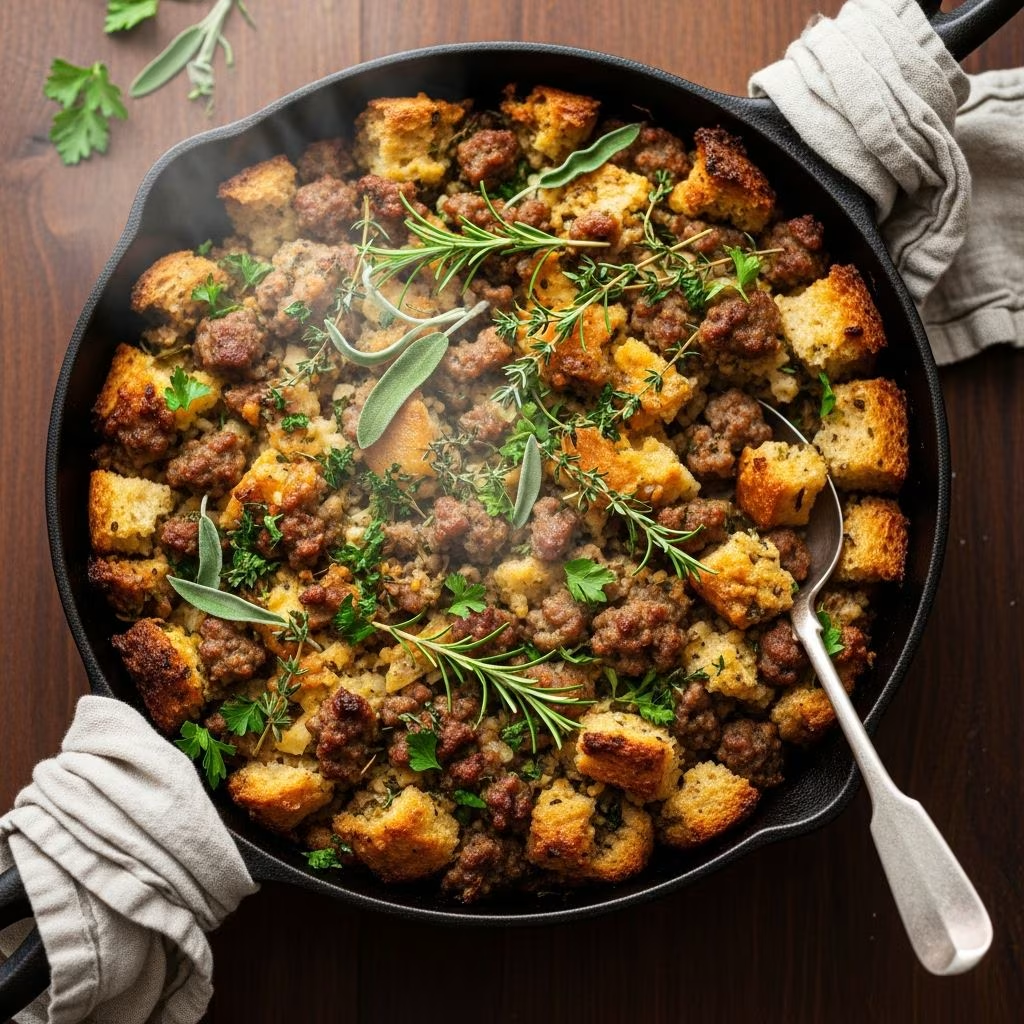
The meat selection forms the flavor backbone of your creation. Quality pork sausage, particularly varieties incorporating sage or traditional breakfast seasoning, provides richness and depth that plain poultry stuffing cannot achieve. The rendered fat from the meat serves a crucial function—it carries flavor throughout the mixture and helps achieve the desired moisture balance without requiring excessive amounts of liquid.
Building Your Vegetable Foundation
Vegetables contribute more than simple volume to stuffing; they provide textural contrast, natural sweetness, and aromatic complexity. The classic trio of onions, celery, and carrots creates what culinary professionals refer to as an aromatic base, which appears across countless cooking traditions worldwide.
- Onions: When properly caramelized during the initial cooking stage, onions develop natural sugars and a deeper, more complex sweetness than their raw state. A large onion, finely chopped, provides approximately one cup of volume and disperses evenly throughout the mixture.
- Celery: This vegetable contributes a subtle herbaceous quality and maintains structural integrity even after cooking. One and a half to two cups of chopped celery creates noticeable presence without overwhelming other flavors. The natural moisture content of celery also aids in achieving proper moistness in the final dish.
- Carrots: Adding sweetness and vibrant color, carrots can be incorporated either finely chopped or coarsely grated. Three-quarters cup to one cup provides sufficient quantity for flavor development without dominating other ingredients.
- Garlic: Three cloves, minced, add a subtle pungency that rounds out the savory profile. Garlic mellows considerably during cooking, transforming from sharp to mellow and almost sweet.
- Fresh Mushrooms: An eight-ounce package of fresh mushrooms, sliced, adds umami—that savory quality that enhances perceived depth and satisfaction. Mushrooms also contribute a tender texture that contrasts with bread cubes.
The Role of Herbs and Seasonings
Herbs transform a simple mixture into something memorable. The selection and quantity of herbs determine whether your stuffing tastes home-cooked and familiar or refined and sophisticated.
Dried rosemary, at two teaspoons, provides a woodsy, slightly piney note that complements pork beautifully. Unlike fresh rosemary, the dried form concentrates flavors, making smaller quantities appropriate. Fresh parsley, when available, adds brightness and prevents the dish from tasting one-dimensional. Poultry seasoning—a traditional blend containing sage, thyme, and marjoram—provides familiar flavors associated with classic holiday meals.
The interplay between sage and pork represents one of cooking’s great flavor partnerships. Whether incorporated through specialty sausage products or added separately, sage contributes an earthy, slightly peppery quality that has been paired with pork for generations across European cooking traditions.
Bread Selection and Preparation
The bread component provides structure, absorbs liquid, and creates the signature texture that distinguishes stuffing from other dishes. Pre-seasoned, cubed herb stuffing mix offers convenience and consistency, typically requiring 14 ounces or one bag for standard servings. Alternatively, cornbread provides a distinctive character, with its slightly sweet and crumbly texture creating a different mouthfeel than wheat-based bread.
Some cooks prefer toasting fresh bread cubes before combining them with other ingredients. This technique removes excess moisture from the bread, preventing the final dish from becoming soggy while ensuring the bread cubes maintain individual identity rather than dissolving into a paste.
Liquid Components and Moisture Balance
Achieving proper moisture represents one of the most critical aspects of successful stuffing preparation. Too little liquid results in a dry, unappetizing dish, while excessive liquid creates a heavy, sodden mass that lacks appeal.
Chicken broth serves as the primary liquid component, typically requiring two cups for standard recipes. The broth carries additional flavor while providing the necessary moisture for bread absorption. Some recipes suggest reserving a half cup of additional broth, adding it gradually only if the mixture appears insufficiently moist after the initial combination.
An egg, lightly beaten, acts as a binding agent, helping all components cohere into a unified dish rather than remaining as separate ingredients loosely combined. The egg also contributes richness and helps create a slightly creamy texture throughout.
Step-by-Step Preparation Method
Initial Cooking Phase
Begin by preheating your oven to 325 degrees Fahrenheit. In a large stockpot or skillet, cook the pork sausage along with celery, onion, carrots, garlic, and rosemary over medium-high heat. This initial phase typically requires eight to ten minutes, with frequent stirring ensuring even cooking and preventing sticking.
The cooking process serves multiple purposes: it renders the fat from the sausage, distributes this flavored fat throughout the vegetable mixture, allows vegetables to begin softening and developing flavor through the Maillard reaction, and ensures the meat reaches proper food safety temperatures.
Incorporating Secondary Vegetables
After the initial eight minutes, introduce frozen spinach (thawed and drained) and fresh mushrooms. These ingredients require only two to three additional minutes of cooking time. Spinach contributes nutritional value, color, and subtle earthiness, while its moisture content has already been removed through thawing and draining, preventing excessive liquid from compromising texture.
Combining All Components
Remove the mixture from direct heat. Add the bread stuffing mix, chicken broth, black pepper, and beaten egg. Stir gently until all ingredients are just combined—overmixing can result in an undesirably dense texture. The mixture should appear moist but not soupy.
Baking to Perfection
Transfer the mixture to a greased 13 by 9-inch baking dish or similar casserole vessel. Cover with aluminum foil to prevent excessive browning and allow steam to circulate. Bake for fifty minutes to one hour, until the internal temperature reaches 160 degrees Fahrenheit, indicating that all components have reached proper food safety standards.
Variations and Customization Options
| Variation Type | Key Ingredients | Flavor Profile | Best For |
|---|---|---|---|
| Cornbread Version | Crumbled cornbread, pecans, fresh parsley | Sweet and nutty with Southern character | Those preferring slightly sweet undertones |
| Vegetable-Enhanced | Additional mushrooms, spinach, fresh herbs | Earthy and fresh with herbaceous notes | Health-conscious preparations or vegetable lovers |
| Make-Ahead Preparation | Pre-cook sausage mixture, refrigerate separately | Same as original when combined fresh | Managing holiday cooking schedules efficiently |
| Quick Stovetop Method | Pre-cooked sausage links, fifteen-minute assembly | Consistent with traditional versions | Last-minute entertaining or time constraints |
Make-Ahead Strategies for Holiday Planning
One advantage of sausage stuffing is its amenability to advance preparation. The sausage, onion, and celery mixture can be cooked several hours or even one day ahead of serving. Store this component in an airtight container in the refrigerator, then combine with other ingredients approximately fifteen minutes before serving.
This approach dramatically reduces last-minute effort during holiday meal preparation. When ready to serve, simply reheat the pre-cooked sausage mixture over low to medium heat, add the stuffing mix and broth, cover, and allow eight minutes for flavors to meld and bread to absorb liquid.
Temperature and Food Safety Considerations
Proper cooking temperature ensures both food safety and optimal texture. The target internal temperature of 160 degrees Fahrenheit confirms that all potentially hazardous ingredients—particularly the pork sausage—have reached safe levels. Using an instant-read thermometer inserted into the center of the baking dish removes guesswork from the equation.
The baking period allows flavors to meld and bind together while the bread cubes absorb the savory liquid throughout. If the top appears insufficiently browned after fifty-five minutes, remove the foil covering for the final portion of baking time.
Troubleshooting Common Issues
Dry Stuffing
If your prepared dish appears too dry after combining ingredients, add reserved broth in small increments, stirring gently until achieving desired moistness. The bread should feel damp but individual cubes should remain distinguishable.
Excessive Moisture
Reduce the liquid ratio in future preparations or extend the standing time before baking to allow bread additional absorption time. Uncovering the baking dish for the final fifteen minutes can also help excess moisture evaporate.
Uneven Cooking
Ensure that meat is thoroughly broken into small pieces during the initial cooking phase. Position the baking dish in the center of your oven, and rotate if your oven has hot spots.
Serving and Storage
Present stuffing directly from the baking dish or transfer to a serving platter lined with fresh herbs for visual appeal. The dish maintains its quality for approximately two hours at room temperature when covered loosely with foil.
Leftover stuffing stores well in airtight containers for up to three days in the refrigerator. Reheat gently in a 325-degree oven, covered with foil, until warmed through. The dish also freezes successfully for up to one month when properly stored in freezer-safe containers.
Frequently Asked Questions
Can I prepare the entire dish in advance?
Yes, the complete mixture can be assembled and refrigerated for up to eight hours before baking. Add approximately ten minutes to the baking time if starting from a cold state.
What if I prefer a spicier version?
Incorporate diced jalapeños, smoked sausage, or add cayenne pepper to the vegetable mixture. Adjust quantities based on your spice tolerance.
Can I use different types of sausage?
Absolutely. Italian sausage, chicken sausage, or turkey sausage all work well, though they may require flavor adjustments through additional herbs or seasonings.
Is this suitable for freezing?
Yes, the baked dish freezes well for up to one month. Thaw completely in the refrigerator before reheating, or reheat from frozen at a reduced temperature.
How can I reduce the fat content?
Use lean sausage varieties, drain excess fat after cooking, or substitute with chicken or turkey sausage for a lighter version.
References
- Sage Sausage Stuffing — Jimmy Dean. Accessed April 2026. https://www.jimmydean.com/recipes/dinner/sage-sausage-stuffing
- Sausage Stuffing Recipe — Dinners, Dishes & Desserts. Accessed April 2026. https://dinnersdishesanddesserts.com/thanksgiving-stuffing/
- Sage Sausage Stuffing {Dressing} — Coupon Clipping Cook. Accessed April 2026. https://www.couponclippingcook.com/sage-sausage-stuffing/