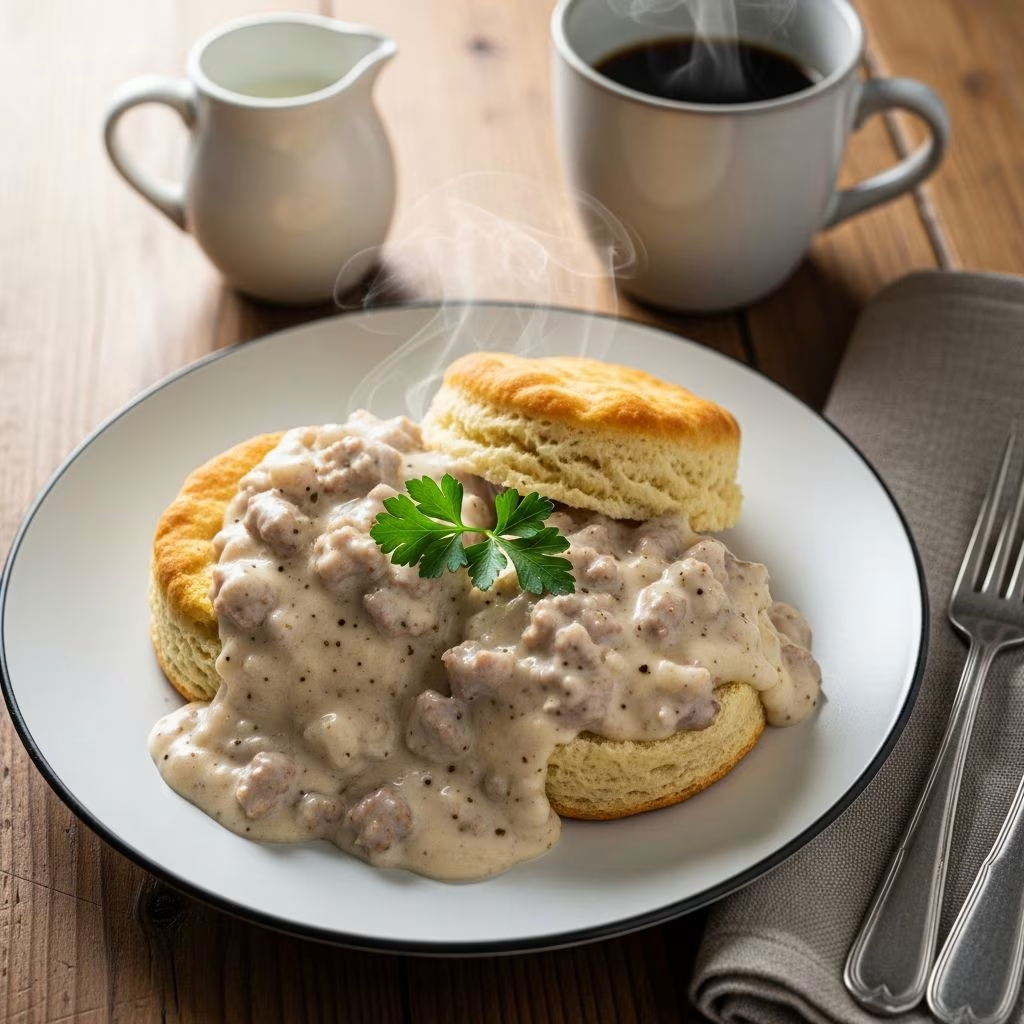
Few breakfast dishes evoke the warmth and comfort of home quite like sausage gravy poured generously over a split biscuit. This beloved American staple, particularly cherished throughout Southern cuisine, combines simple ingredients into something greater than the sum of its parts. The creamy, peppery sauce contrasts beautifully with flaky, buttery biscuits, creating a dish that has graced family tables for generations.
What makes this dish so enduring is its accessibility—most home cooks can prepare it using basic pantry staples and equipment found in any kitchen. Whether you’re looking to impress guests at a weekend brunch or seeking to recreate a cherished family recipe, understanding the fundamentals of this dish will ensure consistent, delicious results every time.
Essential Components for Success
The foundation of outstanding sausage gravy begins with understanding each ingredient’s role in the final dish. The interplay between these simple components creates layers of flavor and texture that distinguish a mediocre version from an exceptional one.
Selecting Your Sausage
Pork breakfast sausage remains the traditional choice for this recipe, and for good reason. The fat content in breakfast sausage provides richness and depth that leaner meats cannot replicate. When selecting sausage, you have flexibility based on your preferences—bulk sausage, pre-formed patties, or refrigerated rolls all work equally well. Some cooks prefer hot sausage varieties for added spice, while others opt for mild versions that allow other flavors to shine.
The sausage’s grease is not discarded during preparation; rather, it becomes integral to the sauce’s richness. This fat carries the meat’s savory flavors and creates the base for the roux—the mixture of fat and flour that thickens the gravy.
Flour: The Thickening Agent
All-purpose flour serves as the primary thickener in this preparation. A typical ratio uses approximately 2 to 2.5 tablespoons of flour per pound of sausage, though this can be adjusted based on your desired consistency. The flour combines with the sausage fat to create a roux, which is heated briefly to cook out the raw flour taste before milk is added.
Dairy Components
The choice of dairy significantly impacts the gravy’s final character. Whole milk creates a lighter sauce, while half-and-half or heavy cream produces a richer, more luxurious texture. Some recipes incorporate a combination of both for balance. Whole milk remains the most economical choice and works beautifully in this application. The dairy volume typically ranges from 2 to 2.5 cups per pound of sausage, adjusted to achieve your preferred thickness.
Seasonings and Flavor Enhancers
Fresh cracked black pepper is essential—not merely decorative—in authentic recipes. A generous application of pepper adds complexity and warmth to the gravy. Salt balances the richness and highlights other flavors. Some variations incorporate additional seasonings such as thyme, rosemary, or Old Bay seasoning, which contribute subtle herbal notes without overpowering the sausage’s natural taste.
Butter, beyond what’s rendered from the sausage, is sometimes added when making a separate roux for additional richness and depth.
The Preparation Method Explained
Step One: Browning the Sausage Properly
Begin by placing your sausage in a large, heavy-bottomed skillet—cast iron is ideal for heat distribution and retention. Set the heat to medium, allowing the sausage to develop a golden-brown crust before stirring. This browning process, which takes approximately 5 to 7 minutes, develops complex flavors through the Maillard reaction, a chemical process that creates depth beyond simply cooking the meat through.
Break the sausage into small, uniform pieces as it cooks, but avoid constant stirring during the initial phase. Once browned, the sausage should be mostly cooked through, though some recipes leave the meat slightly underdone at this stage, allowing it to finish cooking when the milk is added.
Step Two: Creating the Roux
This critical step determines the gravy’s consistency and texture. Without draining the sausage drippings, sprinkle the flour directly over the browned meat, stirring constantly for 1 to 2 minutes. This cooking time allows the flour to absorb the fat and eliminates the raw flour taste. Some recipes recommend removing the sausage to a separate bowl and creating a roux in a saucepan with butter and flour before reintroducing the sausage, though this additional step is optional.
A useful tip involves breaking up any flour clumps that form during this stage using the back of your spatula or a whisk. This preventive measure eliminates lumps before the milk is added, ensuring a silky-smooth gravy.
Step Three: Gradual Milk Introduction
This stage requires patience and attention. Add the milk slowly—approximately 1/4 to 1/2 cup at a time—while stirring constantly. This gradual incorporation allows the flour to disperse evenly throughout the liquid, preventing lumps and ensuring smooth thickening. Continue stirring and adding milk until all of it has been incorporated.
Reduce heat to medium-low once you’ve added all the milk. Continue stirring frequently as the mixture thickens, which typically takes 5 to 10 minutes depending on your stove’s strength and the milk’s temperature.
Step Four: Achieving Ideal Consistency
The gravy should reach a consistency that coats the back of a spoon without running off immediately. If the gravy becomes too thick, add additional milk in small increments. If it remains too thin after several minutes of cooking, mix a small amount of flour with cold milk to create a slurry, then stir this into the gravy. This prevents lumps that can occur when dry flour contacts hot liquid.
Step Five: Final Seasoning
Taste the gravy before serving and adjust seasoning as needed. Add salt gradually—the sausage itself may have contributed sodium—and apply fresh cracked black pepper generously. Some recipes recommend adding pepper multiple times throughout cooking, as heat can diminish its pungency. A pinch of red pepper flakes or cayenne adds optional heat and complexity.
Complementary Biscuit Preparation
While this guide focuses on gravy preparation, the biscuits deserve attention as well. Home cooks have several options: prepare biscuits from scratch using self-rising flour and butter, use refrigerated canned biscuits, or purchase frozen biscuits from the grocery store. Each option produces satisfactory results, though fresh-baked biscuits provide superior texture and flavor.
Split warm biscuits horizontally and arrange them on serving plates before topping with the hot gravy. Some versions nest the biscuits directly in the gravy, while others present them alongside for guests to top themselves.
Variations and Creative Adaptations
Protein Substitutions
While pork sausage remains traditional, several proteins work beautifully in this dish. Bacon, either crumbled or chopped, offers a smoky alternative. Ground turkey sausage provides a leaner option without sacrificing flavor. Vegetarian sausage substitutes have improved dramatically and can replicate the dish’s essential character.
Spice Profile Modifications
Traditional recipes emphasize black pepper, but creative cooks expand this foundation. Fresh thyme or rosemary add herbaceous notes, while crushed red pepper introduces heat. Old Bay seasoning incorporates complexity without requiring multiple separate additions. Smoked paprika contributes depth and color.
Textural Variations
Some regions feature chunky gravies with visible sausage pieces, while others blend the cooked sausage into the sauce for a more uniform texture. A casserole variation combines the gravy and torn biscuit pieces in a baking dish, creating an assembled dish that simplifies serving for large groups.
Troubleshooting Common Issues
| Problem | Likely Cause | Solution |
|---|---|---|
| Lumpy gravy | Flour added too quickly or insufficiently mixed | Strain through fine mesh or blend using immersion blender |
| Gravy too thin | Insufficient flour or too much milk | Create flour-milk slurry and stir in; simmer until thickened |
| Gravy too thick | Insufficient milk or over-reduction | Add milk gradually while stirring |
| Burnt flavor | Heat too high or gravy scorched on pan bottom | Use medium or medium-low heat; stir frequently |
| Bland taste | Insufficient seasoning | Taste and adjust salt and pepper incrementally |
Storage and Make-Ahead Strategies
Sausage gravy can be refrigerated in an airtight container for up to 3 days. Reheat gently over low heat on the stovetop, stirring frequently and adding a splash of milk if the gravy has thickened too much during storage. Avoid microwaving, which heats unevenly and can cause scorching.
For longer storage, freeze the gravy in freezer-safe containers for up to 1 month. Thaw overnight in the refrigerator before reheating gently on the stovetop.
Preparing the gravy ahead of time is an excellent strategy for entertaining, as it reduces morning preparation stress. Make it the evening before and reheat while biscuits bake.
Serving Suggestions and Accompaniments
While biscuits are the traditional vehicle for this gravy, creative presentations expand its applications. Serve it over creamy polenta, grits, mashed potatoes, or buttered toast. A fried or scrambled egg nestled beneath the gravy adds protein and visual appeal. Hot sauce splashed over the top introduces brightness and heat that complements the rich, creamy sauce.
Hash browns or home fries alongside provide textural contrast. Fresh fruit—berries or citrus—on the side offers acidity and refreshment. Coffee or fresh-squeezed orange juice are natural beverage pairings.
Frequently Asked Questions
- Can I use turkey sausage instead of pork?
- Yes, though the gravy will be lighter in flavor and have less fat. You may need to add a tablespoon of butter to compensate for the reduced fat content.
- What’s the best way to reheat leftover gravy?
- Reheat gently over low heat on the stovetop, stirring frequently. Add milk to thin if needed. Avoid high heat, which can cause scorching and break the sauce.
- Can I make this gravy in advance?
- Absolutely. Make it up to 3 days ahead and refrigerate, or freeze for up to 1 month. Reheat gently before serving.
- Why is my gravy grainy instead of smooth?
- Graininess usually results from flour clumps or insufficient initial mixing. Strain the gravy through a fine mesh sieve or use an immersion blender to achieve smoothness.
- How do I make the gravy thicker without adding more flour?
- Simmer the gravy uncovered over low heat, stirring occasionally, until it reduces and thickens to your desired consistency.
- Can I use half-and-half instead of whole milk?
- Yes, and the resulting gravy will be richer and creamier. You may need slightly less half-and-half than milk, so add gradually while monitoring thickness.
Conclusion: Mastering a Timeless Dish
Sausage gravy and biscuits represents more than simply breakfast—it’s an expression of comfort, tradition, and culinary fundamentals. By understanding the role of each ingredient and following proper technique, any home cook can create a restaurant-quality version that satisfies and impresses.
The beauty of this dish lies in its simplicity and flexibility. Begin with the traditional preparation, then adapt it to suit your preferences and available ingredients. Whether you prefer your gravy peppery and thin or rich and thick, with traditional seasonings or creative additions, the fundamentals remain constant.
Practice develops confidence and consistency. Your first attempt may not be perfect, but each iteration teaches valuable lessons about temperature, timing, and ingredient interaction. Soon, preparing this classic dish will become second nature, and you’ll be passing this knowledge to the next generation of home cooks.
References
- Sausage Gravy with Biscuits Recipe — Bob Evans Farms. Accessed April 9, 2026. https://www.bobevansgrocery.com/recipes/sausage-gravy/
- The BEST Biscuits and Gravy Recipe — Tastes Better From Scratch. Accessed April 9, 2026. https://tastesbetterfromscratch.com/sausage-gravy-biscuits/
- Easy Homemade Sausage Gravy and Biscuits Recipe — The Hungry Bluebird. Accessed April 9, 2026. https://thehungrybluebird.com/sausage-gravy-and-biscuits/
- Sausage & Gravy Biscuit Casserole — Life with the Crust Cut Off. Accessed April 9, 2026. https://lifewiththecrustcutoff.com/sausage-gravy-biscuit-casserole/
- Easy Sausage Gravy — Southern Bite. Accessed April 9, 2026. https://southernbite.com/sausage-gravy/