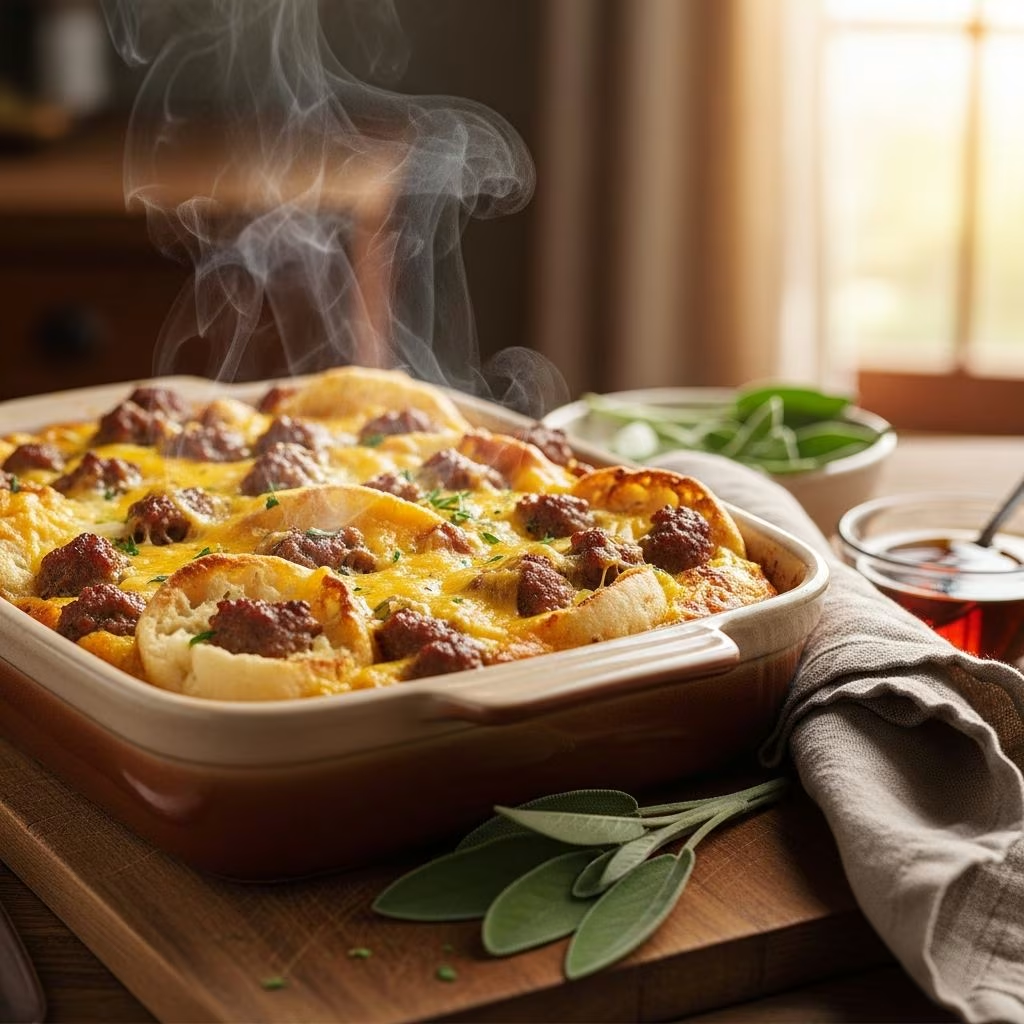
The convenience of grab-and-go breakfast sandwiches has long appealed to busy families seeking quick morning solutions. However, homemade versions of these beloved combinations offer superior flavor control, ingredient quality, and cost efficiency. One particularly popular approach involves converting the iconic fast-food breakfast sandwich formula into a savory casserole format. This transformation creates a dish that combines all the beloved components—protein-rich sausage, creamy eggs, melted cheese, and bread—into a single baking dish that can be prepared in advance and simply popped into the oven when needed.
Understanding the Casserole Concept
A breakfast casserole represents an excellent solution for those who want to serve multiple people without spending hours in the kitchen. Rather than assembling individual sandwiches, this approach layers components strategically to create a unified dish where flavors meld together during baking. The casserole format proves particularly valuable when hosting weekend brunch gatherings, preparing meals for the week ahead, or feeding a family with varying schedules.
The beauty of this particular casserole style lies in its flexibility. The basic formula remains consistent, but adjustments can accommodate dietary preferences, ingredient availability, and flavor preferences. Whether serving four people or preparing a larger batch, the recipe scales easily to fit your needs.
Essential Components and Their Roles
Bread Foundation
English muffins serve as the structural base for this casserole. Unlike sandwich bread, which tends to become mushy, English muffins maintain their integrity during the soaking and baking process. The nooks and crannies of these muffins create pockets that absorb the custard mixture while providing texture. When cutting English muffins into smaller pieces—typically sixths—you create the ideal surface area for absorption without compromising structural integrity.
Protein Component
Breakfast sausage provides the savory, seasoned protein element. Ground pork breakfast sausage, typically containing sage and other traditional breakfast spices, creates authentic flavor. Cooking the sausage separately before assembly allows you to control the texture and browning. Proper cooking technique matters here: browning the sausage thoroughly develops flavor complexity that carries through the finished dish.
Binding Agent
Eggs combined with milk create the custard that binds all components together. This mixture, sometimes enhanced with cottage cheese for additional creaminess, transforms during baking from liquid to set, creating a unified texture throughout the casserole. The ratio of eggs to milk affects the final texture—more eggs create a firmer structure, while additional milk produces a creamier consistency.
Cheese Element
Sharp cheddar cheese adds richness and creates flavor depth. Shredded cheese distributes more evenly than sliced varieties and melts more uniformly throughout the dish. The cheese also contributes to browning on the surface, creating an appealing golden finish.
Preparation Strategy for Success
Advance Preparation Benefits
One significant advantage of casserole-style breakfast preparation is the ability to assemble the dish completely the evening before baking. After layering ingredients and pouring the egg mixture over top, the casserole can rest covered in the refrigerator for up to 24 hours. This soaking time allows bread pieces to absorb the custard mixture thoroughly, creating a more cohesive texture when baked.
Layering Technique
Proper layering ensures even distribution of all components throughout the finished dish. Begin by arranging cut English muffin pieces across the bottom of a prepared baking dish, creating a foundation layer. Top this layer with half the cooked sausage and half the shredded cheese. Add another layer of muffin pieces, followed by remaining sausage and cheese. This approach ensures that each portion contains adequate amounts of each ingredient.
Custard Preparation
Whisking together eggs, milk, salt, and pepper until fully combined creates a uniform custard mixture. This mixture should be poured evenly over the assembled ingredients, with careful attention to ensuring that liquid distributes to all areas of the dish. Using a spatula to gently press down bread pieces helps ensure they absorb the custard fully.
Cooking Parameters and Timing
| Step | Temperature/Duration | Notes |
|---|---|---|
| Sausage cooking | Medium heat, 8-10 minutes | Brown thoroughly, drain excess fat |
| Refrigeration | Covered, 1-24 hours | Longer soaking improves texture |
| Baking (covered) | 325°F, 20 minutes | Prevents excessive browning on top |
| Baking (uncovered) | 325°F, 15-30 minutes | Achieve golden top and set interior |
Baking temperature significantly impacts the final result. Lower temperatures (325°F) allow gradual cooking that prevents the edges from overcooking while the center remains undercooked. Some recipes incorporate covered baking for the initial portion of cooking time, then remove foil to allow the top to brown. This two-stage approach prevents drying while achieving visual appeal.
Ingredient Variations and Customizations
Cheese Selection
While sharp cheddar remains the traditional choice, other varieties work well. Extra-sharp cheddar intensifies flavor for those who prefer bold cheese notes. Combinations of cheddar with gruyere or smoked cheddar create additional complexity. The key consideration is selecting cheese that melts evenly and complements the sausage seasoning.
Sausage Alternatives
Beyond traditional pork breakfast sausage, turkey sausage offers a leaner option without sacrificing flavor. For those seeking additional spice, hot breakfast sausage or links seasoned with cayenne pepper provide heat. The sausage quantity can also be adjusted based on preference—ranging from 8 ounces for subtle seasoning to a full pound for a more protein-forward dish.
Bread Substitutions
While English muffins remain ideal, toasted English muffins prevent excessive moisture absorption. For those avoiding wheat, gluten-free English muffins substitute successfully. Some variations incorporate different bread entirely—bagels cut into cubes, for example—though these produce different textures.
Flavor Enhancements
Fresh herbs like chives add brightness and visual appeal. A small amount of spicy mustard incorporated into the egg mixture adds complexity. Optional hot sauce provides customizable heat for those who prefer spicier breakfast dishes.
Serving Suggestions and Accompaniments
This casserole pairs excellently with fresh fruit, particularly berries or melon during warm months or citrus during cooler seasons. Roasted breakfast potatoes create a more substantial meal. A simple green salad with vinaigrette offers acidic contrast to the rich casserole.
Breakfast beverages should be considered when planning service. Orange juice, coffee, or herbal tea complement the savory casserole flavors. For brunch service, sparkling beverages add elegance without overwhelming the dish’s flavors.
Storage and Reheating Guidance
Leftover casserole stores well in the refrigerator for three to four days. Portion the cooled casserole into individual servings or leave in larger sections for family servings. Reheating occurs best in a 325°F oven for 15-20 minutes, covered with foil, until warmed through. Microwave reheating works for individual portions but may create uneven heating that compromises texture quality.
Scaling the Recipe for Different Group Sizes
The base recipe typically serves four to six people depending on portion size and accompanying foods. Doubling all ingredients allows comfortable serving of eight to twelve guests. For smaller households, the recipe cuts in half successfully, though using a 6×6 inch baking dish instead of 8×8 prevents excessive surface area that could lead to overcooking.
Frequently Asked Questions
Can this casserole be frozen?
Yes, the assembled casserole can be frozen before baking. After assembling and allowing the egg mixture to set slightly, wrap tightly and freeze for up to one month. Bake from frozen by adding approximately 20-30 minutes to the baking time, starting covered and then uncovering to brown the top.
What if the egg mixture doesn’t fully set in the center?
Return the casserole to the oven in 5-minute increments until the center firms up. Checking by gently shaking the dish—the center should have minimal jiggle—helps determine doneness more accurately than visual inspection alone.
Can I use liquid eggs instead of fresh eggs?
Liquid egg products substitute successfully using a 3-tablespoon to 1-egg equivalent ratio. Pasteurized liquid eggs provide convenience for those concerned about raw egg consumption during the refrigeration period.
Is milk substitution possible?
Half-and-half creates a richer final texture, while low-fat or non-fat milk produces a lighter result. Non-dairy milk alternatives like almond or oat milk work but may produce slightly different texture than dairy varieties.
How do I prevent a soggy top?
Covering the casserole with foil during the initial baking phase prevents the top from drying or browning too quickly before the center sets. Remove foil for the final 15-20 minutes to achieve browning while maintaining moisture in the interior.
Why This Preparation Method Deserves Your Attention
Creating breakfast casseroles represents a practical response to modern scheduling challenges. The ability to prepare a complete meal the evening before, then simply bake it during morning routines, addresses real-world time constraints that many households face. Beyond convenience, homemade preparation ensures ingredient quality and allows complete control over flavors and textures—elements often compromised in commercial fast-food versions.
For those seeking to establish more intentional breakfast routines, casserole-style preparation provides a bridge between convenience and quality. The technique applies to numerous breakfast flavor combinations beyond this particular version, making it a valuable skill that extends far beyond a single recipe.
References
- Sausage Egg McMuffin Casserole — The Southern Lady Cooks. 2024. https://thesouthernladycooks.com/sausage-egg-mcmuffin-casserole/
- Sausage Egg McMuffin Casserole Recipe — Cooking With Janica. 2024. https://cookingwithjanica.com/sausage-egg-mcmuffin-casserole-recipe/
- Sausage McMuffin Egg Bake — The Defined Dish. 2024. https://thedefineddish.com/sausage-mcmuffin-egg-bake/