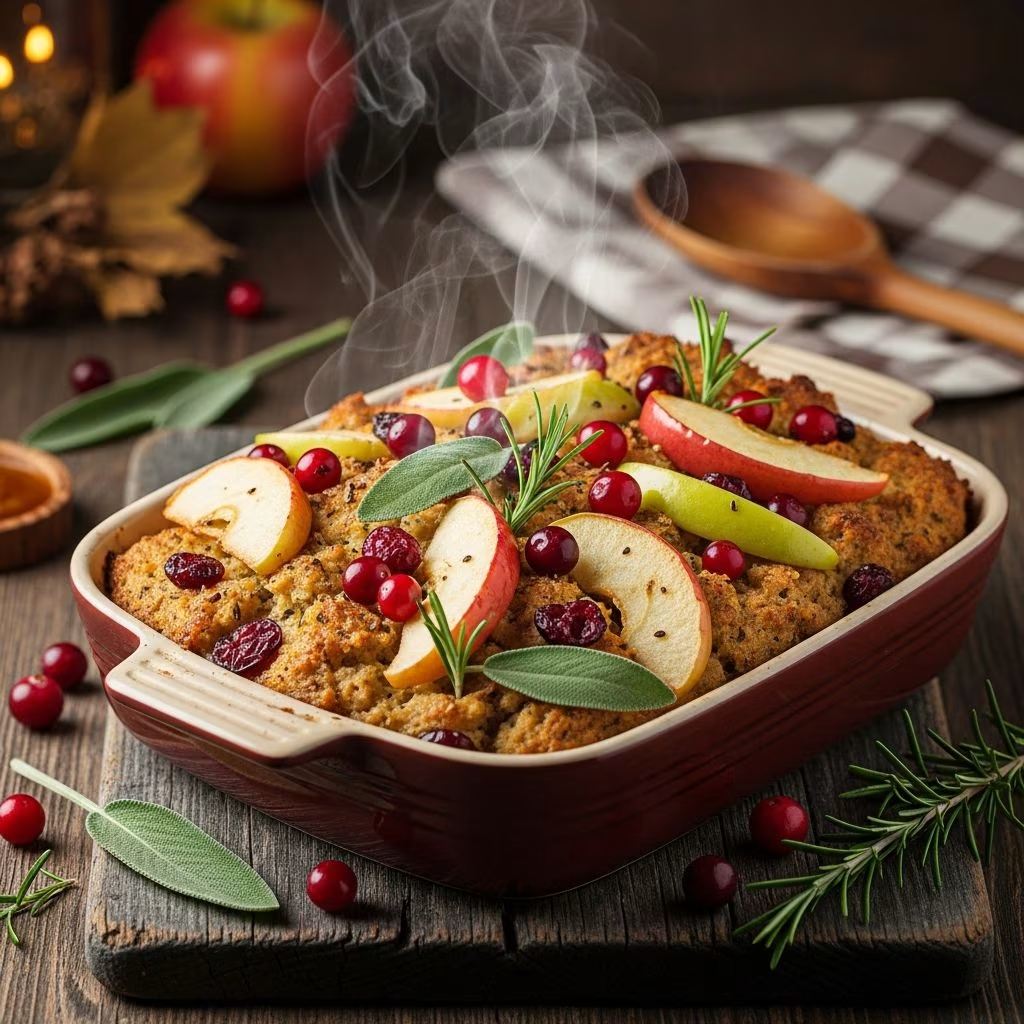
Stuffing has long been a cornerstone of holiday dining, representing comfort, tradition, and culinary craftsmanship. Among the many variations of this beloved dish, one particular combination has gained significant popularity: a sophisticated blend of seasoned pork sausage, tart dried cranberries, and sweet apples. This three-part harmony creates a side dish that transcends the ordinary, offering complexity and depth that elevates any festive meal. Understanding the principles behind selecting quality ingredients and mastering preparation techniques can transform this classic recipe into a signature dish that guests will request year after year.
Understanding the Flavor Foundation: The Role of Each Component
The beauty of this particular stuffing combination lies in how each ingredient contributes a distinct flavor profile that complements the others. The foundation begins with pork sausage, which provides umami and richness through its natural fat content and seasoning. When properly browned and crumbled, sausage creates pockets of savory flavor throughout the dish. The sausage should be cooked until it reaches a deep golden-brown color, allowing the exterior to develop a slightly caramelized crust that adds textural interest.
Dried cranberries introduce tartness and subtle sweetness simultaneously. Unlike fresh cranberries, which can be overwhelmingly bitter when raw, dried cranberries have been sweetened and concentrated, providing a chewy texture and balanced acidity. This tartness cuts through the richness of the sausage and butter, preventing the overall dish from becoming too heavy. Apples contribute additional sweetness and moisture, with their natural sugars caramelizing slightly during cooking. The acid content in apples also enhances the brightness of the cranberries while adding structural integrity to the stuffing, as apples maintain their shape better than some other fruits when exposed to heat.
Selecting Ingredients: Quality Considerations for Superior Results
Choosing the Right Bread
The bread foundation deserves careful consideration. Sourdough offers a substantial texture and complex flavor that stands up exceptionally well to moisture without becoming mushy. Its slight tang complements both the fruit components and fresh herbs. Day-old or older bread works better than fresh bread, as it has already lost some moisture and will better absorb the stock and butter without disintegrating. Cube the bread into uniform pieces, approximately one inch in size, to ensure even distribution of flavoring ingredients and consistent texture throughout the finished dish. Toasting the bread cubes beforehand at a low temperature (approximately 225 degrees Fahrenheit for thirty to forty-five minutes) removes excess moisture and creates a subtle golden color that prevents the final dish from appearing pale or soggy.
Selecting Optimal Apple Varieties
Not all apples perform equally when incorporated into cooked dishes. Golden Delicious apples are an excellent choice because they maintain structural integrity during baking while providing natural sweetness without overwhelming acidity. Granny Smith apples offer more tartness and hold their shape well, though they require slightly less additional sugar elsewhere in the recipe. Honeycrisp and Gala apples work adequately, though they tend toward higher sweetness. Regardless of variety selected, apples should be peeled, cored, and diced into small, uniform pieces to ensure they cook evenly and distribute their flavor throughout the stuffing.
Understanding Sausage Selection
Italian sausage, whether seasoned with fennel and traditional Italian herbs or offering a milder profile, provides excellent flavor development. Pork sausage that is described as “country-style” or unadorned with specific ethnic seasoning allows other ingredients more prominence. The fat content in sausage should be at least twenty percent; leaner options may result in a dry, less flavorful final product. Removing sausage from casings before cooking allows for better browning and more uniform distribution throughout the stuffing.
Fundamental Preparation Techniques
Building Aromatics
Begin preparation by heating a large skillet over medium heat and introducing diced onions with a small amount of cooking fat. Allow onions to soften and become translucent before introducing other ingredients. This foundational step, typically requiring five to seven minutes, develops natural sugars in the onions through gentle heat, creating a sweet base layer. Some preparations include diced celery during this initial cooking phase, contributing herbaceous undertones and additional depth.
Incorporating Sausage
Once aromatics have begun to soften, increase heat slightly and introduce crumbled sausage. Breaking the meat into small pieces using a spatula or wooden spoon as it cooks ensures even browning and prevents the formation of large clumps. This stage typically requires six to eight minutes. The sausage should develop a medium-brown exterior; avoid cooking to the point of crispness, as this removes too much moisture and can result in a dry texture in the finished dish.
Infusing Fresh Herbs
Fresh herbs should be introduced after the sausage has cooked through. Typical selections include sage, rosemary, and thyme, though the specific combination remains flexible based on personal preference and regional traditions. Adding herbs at this stage, when the pan is still hot and the ingredients are active, releases aromatic compounds without allowing them to break down excessively through prolonged cooking. Continue stirring for approximately two minutes, allowing the mixture to become fragrant. This brief window allows herbs to begin melding with the fats and sausage flavors.
Assembly and Finishing Touches
Combining Bread and Protein Mixture
Transfer the cooked sausage and herb mixture to a large mixing bowl containing the toasted bread cubes. The residual heat from the sausage mixture gently warms the bread, beginning the flavor-melding process. Add the diced apples and dried cranberries at this stage, tossing gently to distribute ingredients evenly. The apple juice released through dicing begins moistening the bread components.
Moistening with Liquid
Poultry or vegetable broth provides the primary liquid component, adding savory depth and preventing the finished dish from becoming dry. The specific quantity depends on the bread variety and personal preference; a general guideline suggests using approximately one cup of broth per four cups of bread cubes, though adjustments based on bread moisture content are appropriate. Melted butter should be drizzled over the mixture before mixing, as it distributes more evenly this way than if added to cold broth. Mix gently but thoroughly, ensuring the bread absorbs liquid without becoming compressed.
Cooking Methods and Timing
| Cooking Method | Temperature | Initial Time | Final Time | Best For |
|---|---|---|---|---|
| Standard Oven Baking | 350°F | 25-30 minutes covered | 10-15 minutes uncovered | Standalone side dishes |
| Higher Temperature | 375°F | Varies | 45-60 minutes total | Achieving darker crust |
| Inside Poultry | Match bird temperature | Added before sealing bird | Cooks with bird | Traditional preparation |
Transfer the assembled stuffing mixture to a nine-by-thirteen-inch baking dish or similar vessel. Cover tightly with aluminum foil to trap steam during the initial cooking phase. Bake at 350 degrees Fahrenheit for approximately thirty minutes; the foil prevents excessive browning while allowing internal moisture to distribute evenly. After this initial period, remove the foil and stir gently. Return to the oven for an additional ten to fifteen minutes, allowing the top to develop a light golden crust through direct heat exposure. The finished dish should be heated through completely, with an internal temperature of 165 degrees Fahrenheit if prepared as a standalone dish.
Variations and Adaptations
Incorporating Additional Vegetables
While the core recipe remains satisfying in its simplicity, many cooks enhance it with supplementary vegetables. Minced mushrooms add earthy depth and additional umami, particularly when sautéed briefly with the aromatics. Diced bell peppers introduce color and subtle sweetness, though they should be added earlier in cooking to allow their structural integrity to maintain through the final bake. Shallots offer a more refined onion flavor profile than standard yellow onions.
Herb Modifications
Beyond the traditional sage, rosemary, and thyme combination, cooks may explore parsley, which adds brightness without overwhelming other flavors. Dried cranberries sometimes warrant replacement with fresh cranberries, though this requires accounting for their higher moisture content and increased tartness. The substitution of apples with other fruits remains possible; pears offer a similar texture with slightly different sweetness, while dried apricots provide alternative tang.
Dietary Accommodations
Gluten-free bread cubes enable this recipe for those with celiac disease or gluten sensitivity, maintaining the overall structure and flavor profile. Vegetarians might substitute sausage with plant-based alternatives or simply increase the vegetable content, though the dish’s savory foundation will shift without the sausage’s contribution. Egg-free preparations can eliminate binding eggs if present, though egg quantities in most versions remain minimal.
Preparation Timeline and Make-Ahead Strategies
The flexibility of this stuffing makes it ideal for advance preparation. The bread cubes can be toasted one to two days prior to the final assembly, stored in an airtight container. The vegetable components—onions, celery, and apples—can be prepared and refrigerated separately for up to one day, though apples should be stored in acidulated water (water with a small amount of lemon juice added) to prevent browning. The complete stuffing mixture can be assembled up to one day in advance, covered tightly, and refrigerated. Add ten to fifteen additional minutes to the baking time if baking from a refrigerated state, as the chilled mixture requires time to warm through before optimal texture development occurs.
Troubleshooting Common Issues
If the finished stuffing appears too dry, the bread may have been over-toasted initially, or the liquid ratio was insufficient. Remedy this in future preparations by adding an additional quarter cup of broth during assembly. Conversely, if the texture appears soggy or mushy, reduce the liquid by approximately one-quarter cup and ensure adequate time is spent uncovered during baking to allow excess moisture to evaporate. If the top remains pale after the prescribed baking time, increase the oven temperature to 375 degrees Fahrenheit for the final uncovered period, or place the dish under a broiler for two to three minutes immediately before serving.
Nutritional Considerations and Serving Suggestions
This stuffing provides substantial protein through the sausage component, making it more nutritionally complete than many traditional stuffing preparations. The combination of whole grains in bread, antioxidants from cranberries, vitamins from fresh apples, and minerals from fresh herbs creates a relatively balanced side dish. A typical serving contains approximately 300-400 calories, depending on the specific bread type and butter quantity used. Serve this stuffing as an accompaniment to roasted poultry, pork, or lamb; its robust flavors complement these proteins exceptionally well. Leftover stuffing can be refrigerated for up to three days and reheated gently before serving, or incorporated into other dishes such as stuffed vegetables or mixed into grain bowls.
Frequently Asked Questions
Can this stuffing be made without eggs?
Most traditional versions do not require eggs; however, if a version includes them, they primarily serve as a binder. Omitting eggs typically does not significantly impact the final texture, though the mixture may require slightly more broth to achieve adequate moisture.
How far in advance can I prepare this dish?
The complete mixture can be prepared up to twenty-four hours in advance and refrigerated, covered. Individual components can be prepared two to three days prior and stored separately until assembly.
What is the best way to reheat leftover stuffing?
Transfer leftovers to an oven-safe vessel, cover with foil, and warm at 325 degrees Fahrenheit for approximately twenty minutes, until heated through. Alternatively, microwave individual portions at fifty-percent power for two to three minutes.
Can I make this recipe in a slow cooker?
Yes. Prepare the sausage mixture as directed, combine all ingredients in the slow cooker, and cook on low for three to four hours, stirring occasionally.
References
- Sausage Apple Cranberry Sourdough Stuffing Recipe + Video — The Slow Roasted Italian. https://www.theslowroasteditalian.com/sausage-cranberry-and-apple-stuffing/
- Sausage, Cranberry, and Apple Stuffing Recipe — Paleo Leap. https://paleoleap.com/sausage-cranberry-apple-stuffing/
- Sausage Apple Cranberry Stuffing — Barefeet In The Kitchen. https://barefeetinthekitchen.com/sausage-cranberry-and-apple-sourdoug/
- Apple Cranberry Sausage Stuffing Recipe with Fresh Herbs — Number 2 Pencil. https://www.number-2-pencil.com/stuffing-recipe-easy-sausage-apple-cranberry-stuffing/
- Sausage Apple Cranberry Stuffing — Num’s the Word. https://numstheword.com/sausage-apple-cranberry-stuffing/