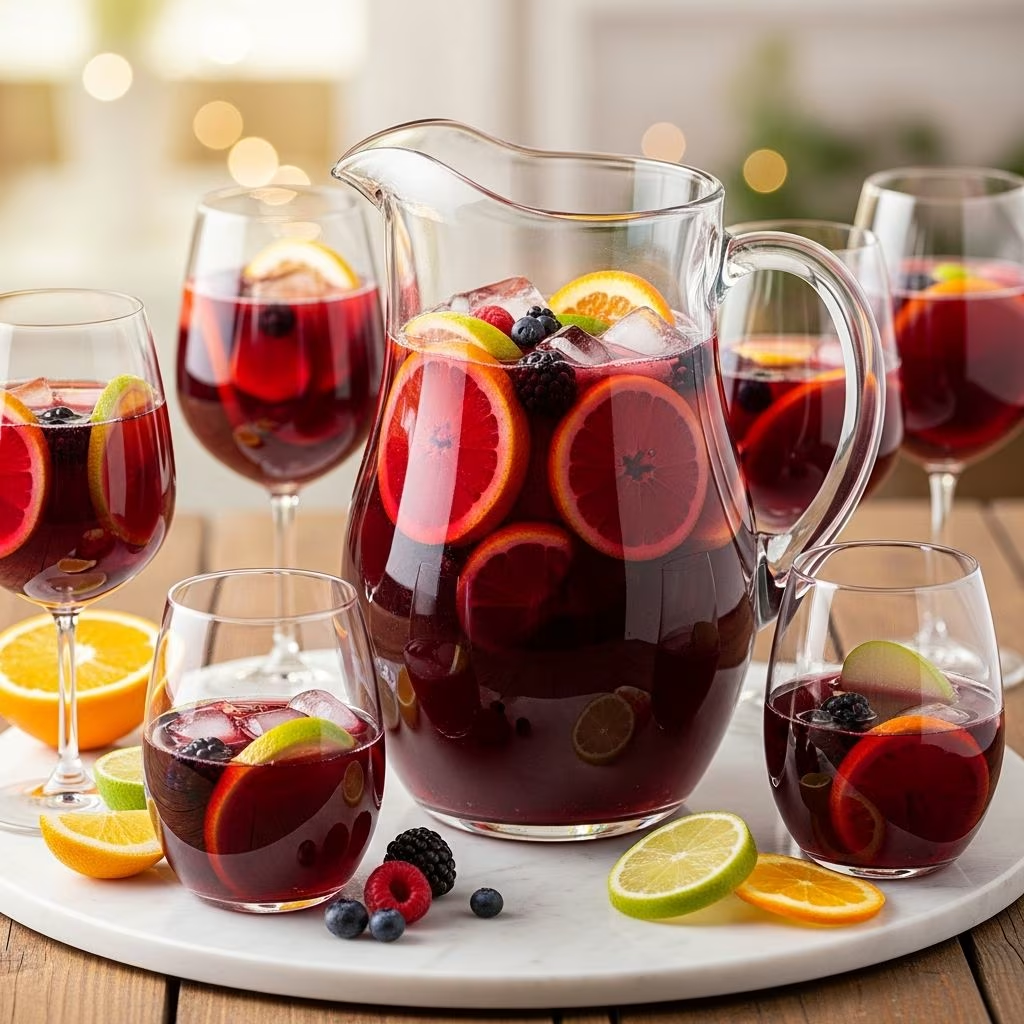
Sangria, the vibrant Spanish punch, has captivated palates worldwide with its blend of wine, fruit, and spirits. This refreshing beverage transforms simple ingredients into a festive elixir, ideal for summer barbecues, holiday gatherings, or casual evenings. Whether you’re a novice mixologist or a seasoned host, understanding sangria’s nuances elevates your entertaining game.
The Origins and Allure of Sangria
Sangria traces its roots to Spain, where it emerged as a communal drink among laborers and families. The name derives from the Spanish word for “blood,” alluding to its deep red hue from red wine. Historical accounts suggest it dates back to the 18th century, though similar fruit-infused wines existed in ancient Rome. In Spain, it’s traditionally made with Rioja or Tempranillo wines, chopped fruits like oranges and apples, and a splash of brandy.
What makes sangria irresistible is its versatility. It balances sweetness, acidity, and alcohol seamlessly, allowing customization based on season or preference. Red sangria evokes warmth with bold fruits, while white versions offer lighter, citrus-forward profiles. Its appeal lies in preparation simplicity—no fancy equipment needed beyond a pitcher—and its ability to serve crowds economically.
Core Ingredients for Authentic Sangria
Building a stellar sangria starts with quality components. Here’s a breakdown:
- Base Wine: Dry reds like Garnacha or Merlot for classics; crisp whites like Albariño or Sauvignon Blanc for lighter takes. Avoid oaky or overly tannic varieties to prevent bitterness.
- Fresh Fruits: Oranges, lemons, limes, apples, berries, or peaches. Cut into wedges or slices for maximum infusion and visual appeal.
- Sweetener: Sugar, honey, or orange juice to counter wine’s dryness. Simple syrup integrates best.
- Spirits: Brandy, rum, or orange liqueur (e.g., Triple Sec) for depth and kick.
- Bubbles: Sparkling water or soda added just before serving to keep it fizzy.
Pro tip: Use ripe, in-season fruits for peak flavor. Organic produce minimizes pesticide concerns.
Classic Red Sangria Recipe
This timeless recipe serves 8-10 and takes 15 minutes active time plus chilling.
Ingredients
| Ingredient | Quantity |
|---|---|
| Dry red wine | 1 bottle (750ml) |
| Brandy | 1/2 cup |
| Orange liqueur | 1/4 cup |
| Orange juice | 1 cup |
| Sugar | 1/4 cup |
| Oranges, sliced | 2 |
| Lemons, sliced | 1 |
| Apples, cored and sliced | 2 |
| Sparkling water | 2 cups |
Instructions
- Combine wine, brandy, liqueur, orange juice, and sugar in a large pitcher. Stir until sugar dissolves.
- Add fruit slices. Refrigerate 4-8 hours or overnight for flavors to meld.
- Before serving, add sparkling water. Stir gently and serve over ice.
Yield: About 10 cups. Each serving (1 cup) has roughly 180 calories, balancing indulgence with refreshment.
Refreshing White Sangria Variations
White sangria shines in hot weather. Swap red wine for white and experiment:
- Citrus Burst: Pineapple chunks, white wine, rum, and lime juice for tropical vibes.
- Berry Bliss: Strawberries, raspberries, rosé, vodka, and honey.
- Peach Dream: Fresh peaches, Moscato, peach schnapps, and ginger ale.
For a recipe, try this Summer White Sangria: Mix 1 bottle white wine, 1/2 cup white rum, 1/4 cup elderflower liqueur, juice of 2 peaches, sliced peaches, kiwis, and strawberries. Chill 4 hours, top with soda. Serves 8.
Seasonal Twists and Creative Adaptations
Adapt sangria year-round:
- Fall Harvest: Red wine with pears, cranberries, cinnamon sticks, and bourbon.
- Winter Warmer: Mulled sangria—simmer with cloves, star anise, and apple cider.
- Non-Alcoholic: Sparkling grape juice, herbal tea, fruits, and soda for all ages.
Innovate with herbs like basil or mint, or spices like vanilla bean. Frozen sangria slushies blend well in a machine for pool parties.
Expert Techniques for Perfection
Elevate your sangria with these pro tips:
- Infusion Time: Minimum 4 hours; overnight is ideal. Over-maceration (24+ hours) can make it mushy.
- Sweetness Balance: Taste and adjust—tart wines need more sugar.
- Chilling Method: Pitcher in fridge, not freezer, to avoid dilution.
- Serving Style: Large ice cubes or frozen fruit to minimize melt. Garnish with mint.
- Scaling Up: Double recipes easily; use a punch bowl for parties.
Common pitfalls: Cheap wine tastes off; muddled fruits dilute. Opt for mid-range bottles ($10-20).
Pairing Sangria with Food
Sangria complements tapas-style eats:
| Sangria Type | Ideal Pairings |
|---|---|
| Red | Grilled meats, chorizo, manchego cheese, paella |
| White | Seafood, salads, goat cheese, fruit tarts |
| Rosé | Prosciutto, melon, light pasta |
Its acidity cuts richness, enhancing flavors without overpowering.
Health Considerations and Moderation
Sangria’s fruits add vitamins C and antioxidants from wine. A 5oz serving offers polyphenols for heart health, per USDA data. However, alcohol content (10-15% ABV) warrants moderation—1-2 glasses daily max. Hydrate alongside and avoid driving.
Frequently Asked Questions
Can sangria be made ahead?
Yes, prepare base 24 hours early; add bubbles at serving time.
What’s the best wine for sangria?
Budget-friendly, dry Spanish reds or whites like Tempranillo or Verdejo.
Is sangria gluten-free?
Typically yes, unless using flavored liqueurs with additives. Check labels.
How long does sangria last?
3-5 days refrigerated; fruits may soften after 2 days.
Can I use frozen fruit?
Yes, it chills the drink naturally, acting like ice.
Troubleshooting Common Issues
- Too Sweet: Add lemon juice or dilute with wine/soda.
- Too Strong: Balance with juice or more sparkling water.
- Not Fruity Enough: Muddle fruits lightly before infusing.
References
- Alcohol Facts and Statistics — National Institute on Alcohol Abuse and Alcoholism (NIAAA), U.S. National Institutes of Health. 2024-10-15. https://www.niaaa.nih.gov/publications/brochures-and-fact-sheets/alcohol-facts-and-statistics
- Nutrient Data for Wine — USDA FoodData Central. 2023-05-20. https://fdc.nal.usda.gov/fdc-app.html#/food-details/173504/nutrients
- Spanish Wine Regulations — Consejo Regulador DOCa Rioja (official Rioja regulatory board). 2025-01-10. https://www.riojawine.com/en/rioja/regulations
- Polyphenols in Red Wine — PubMed Central (PMC), National Library of Medicine. 2022-08-12. https://www.ncbi.nlm.nih.gov/pmc/articles/PMC6471511/
- Traditional Spanish Beverages — Instituto Cervantes (official Spanish cultural institute). 2024-03-05. https://www.cervantes.es/en/culture_spain/spanish_cuisine.htm