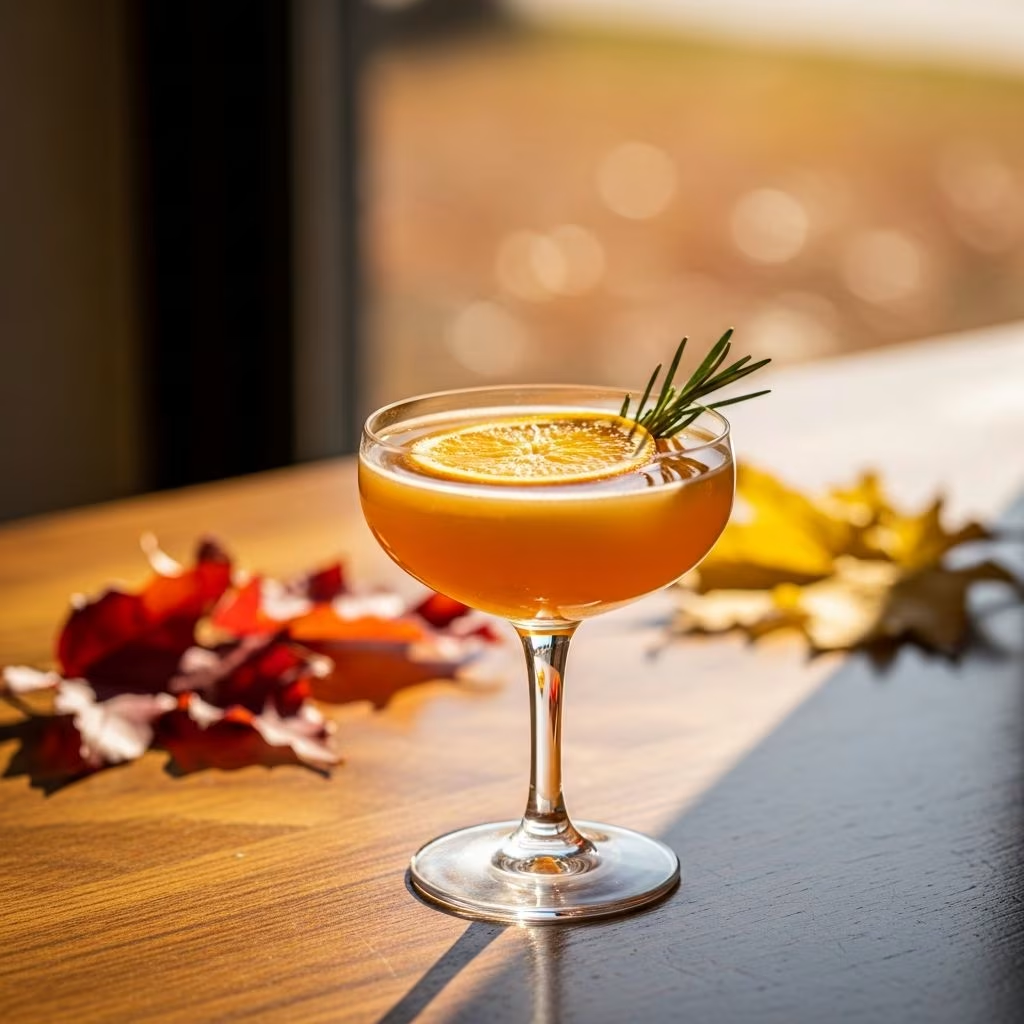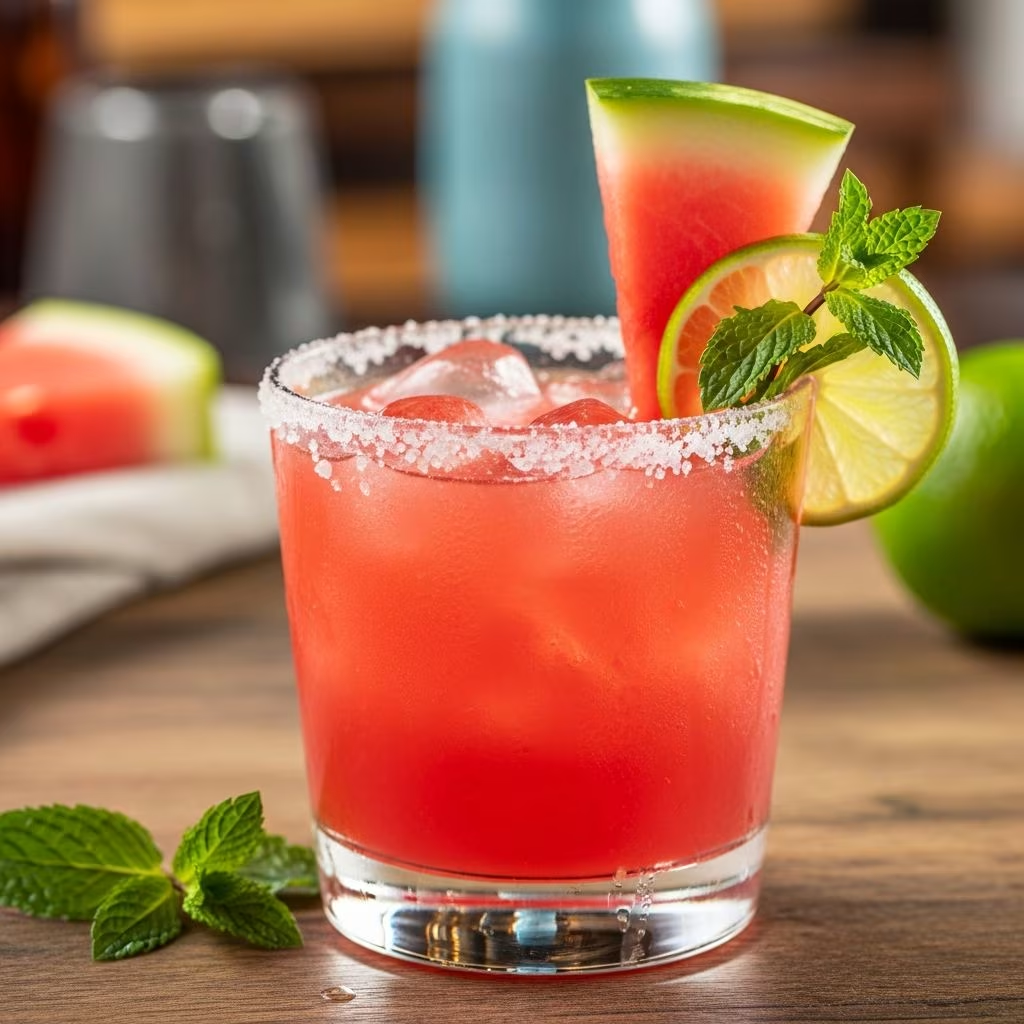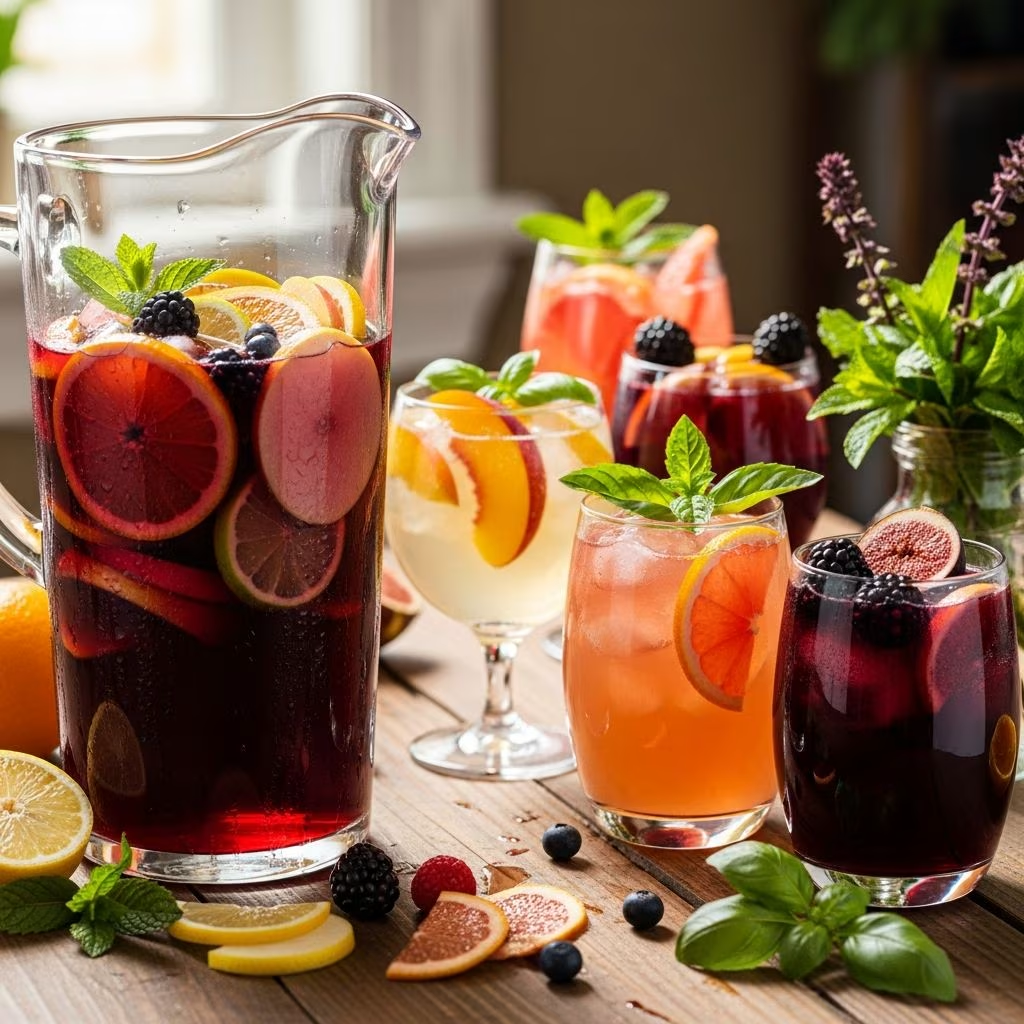
Sangria, the vibrant Spanish punch that marries wine with fresh fruits and a splash of spirits, has captivated palates worldwide. Originating from Spain’s sun-drenched regions, this beverage embodies the essence of celebration, blending simplicity with bold flavors. Whether you’re hosting a backyard barbecue or seeking a cooling sip on a warm evening, sangria offers endless customization. In this guide, we’ll dive into its rich history, essential ingredients, step-by-step recipes, and pro tips to elevate your mixology game.
The Origins and Evolution of Sangria
Sangria’s story traces back to medieval Spain, where winemakers stretched their product by infusing it with local fruits and herbs. The name derives from ‘sangre,’ meaning blood, nodding to its deep red hue from tempranillo or garnacha wines. By the 18th century, it gained fame across Europe, and the 1964 New York World’s Fair catapulted it to American stardom.
Today, sangria transcends borders with red, white, rosé, and even sparkling versions. Its adaptability—incorporating seasonal produce or cultural twists—keeps it relevant. Health enthusiasts appreciate its natural antioxidants from fruits and moderate wine consumption, aligning with Mediterranean diet principles.
Key Ingredients for Authentic Sangria
Building a stellar sangria starts with quality components. Here’s a breakdown:
- Wine Base: Opt for affordable, medium-bodied reds like Rioja or Zinfandel for classics; crisp whites like Albariño or Sauvignon Blanc for lighter fare.
- Fruits: Oranges, lemons, apples, berries, and peaches provide acidity, sweetness, and texture. Use ripe, in-season picks for peak flavor.
- Sweeteners: Simple syrup, honey, or orange liqueur balance tartness without overpowering.
- Spirits: Brandy, rum, or triple sec add depth; a splash of soda water brings fizz.
- Herbs and Spices: Cinnamon sticks, mint, or basil infuse aromatic layers.
Proportions matter: aim for 75% wine, 15% fruit, 10% mixers. Always chill overnight for melding flavors.
Classic Red Sangria: A Party Staple
Nothing beats the original for crowd-pleasing appeal. This recipe serves 8-10.
Ingredients
| Ingredient | Quantity |
|---|---|
| Red wine (Rioja or similar) | 1 bottle (750ml) |
| Brandy | 1/2 cup |
| Orange liqueur (Cointreau) | 1/4 cup |
| Oranges, sliced | 2 |
| Lemons, sliced | 2 |
| Apples, cored and chopped | 2 |
| Sugar | 1/4 cup |
| Club soda | 1 cup |
Instructions
- Combine wine, brandy, liqueur, and sugar in a large pitcher. Stir until dissolved.
- Add fruit slices and refrigerate for 4-8 hours.
- Before serving, top with club soda and ice. Garnish with mint.
This version delivers juicy sweetness with citrus zing, perfect alongside tapas or grilled meats.
White Sangria: Light and Fruity Summer Delight
For hotter days, white sangria shines with its refreshing profile. Serves 6-8.
Ingredients
| Ingredient | Quantity |
|---|---|
| White wine (Sauvignon Blanc) | 1 bottle |
| White rum | 1/3 cup |
| Peaches, sliced | 3 |
| Strawberries, hulled and halved | 1 pint |
| Limes, sliced | 2 |
| Honey | 2 tbsp |
| Sparkling water | 1 cup |
Instructions
- Mix wine, rum, and honey in a pitcher.
- Incorporate fruits and let sit overnight.
- Add sparkling water just before pouring over ice.
Its pale glow and berry notes pair beautifully with seafood or salads.
Innovative Variations to Impress Guests
Experiment beyond basics:
- Tropical Sangria: Pineapple, mango, coconut rum, and prosecco for island vibes.
- Winter Spiced Sangria: Red wine with pears, cranberries, cloves, and ginger liqueur—warm it gently for mulled magic.
- Rosé Sangria: Rosé wine, watermelon, cucumber, and vodka for a hydrating twist.
- Non-Alcoholic Sangria: Grape juice, sparkling cider, and all the fruits for inclusive sipping.
These adaptations showcase sangria’s versatility, suiting any season or dietary need.
Pairing Sangria with Food: Expert Matches
Sangria enhances meals when paired thoughtfully. Red sangria complements bold flavors like chorizo, paella, or chocolate desserts. White versions elevate lighter dishes: ceviche, goat cheese, or fruit tarts. Consider acidity—citrus-heavy sangrias cut through rich, fatty foods.
For parties, set up a sangria bar with DIY stations: multiple pitchers, fruit skewers, and garnishes. This interactive setup boosts fun and personalization.
Common Mistakes and How to Avoid Them
Even pros slip up. Here’s how to sidestep pitfalls:
- Overloading Fruit: Too much muddies flavors; stick to 2-3 types.
- Skipping the Chill: Flavors need time—minimum 4 hours.
- Cheap Wine: Avoid ‘cooking wines’; invest in drinkable bottles.
- Over-Icing: Add ice to glasses, not pitcher, to prevent dilution.
Measure spirits precisely to maintain balance.
Health Benefits and Mindful Enjoyment
Beyond indulgence, sangria offers perks. Fruits provide vitamins C and fiber; resveratrol in red wine supports heart health per studies from the American Heart Association. Moderation is key—limit to 1-2 glasses. Opt for low-sugar fruits and less sweetener for a healthier pour.
Storage and Make-Ahead Tips
Sangria improves with age, lasting 2-3 days refrigerated. Strain fruit if storing longer to avoid sogginess. Freeze fruit portions for quick batches. For large events, scale up: double recipes in dispensers.
Frequently Asked Questions (FAQs)
What type of wine is best for sangria?
Choose inexpensive but quality wines you’d enjoy sipping. Reds: Grenache, Merlot. Whites: Verdejo, Pinot Grigio.
Can sangria be made in advance?
Yes! Prepare 24 hours ahead for optimal infusion. Add bubbly just before serving.
Is sangria gluten-free?
Typically yes, but check liqueurs and wines for additives.
How do I make sangria non-alcoholic?
Swap wine for juice or tea, spirits for flavored syrups.
What’s the best glass for serving sangria?
Wide wine goblets or pitchers preserve aromas and fruit visibility.
Conclusion: Raise a Glass to Sangria Mastery
Sangria isn’t just a drink—it’s a canvas for creativity and joy. From rustic Spanish roots to modern fusions, its charm lies in accessibility and flavor depth. Experiment confidently, pair boldly, and watch it become your go-to for any gathering. Cheers to endless summer vibes, any day of the year!
References
- Alcohol and Public Health — Centers for Disease Control and Prevention. 2023-06-15. https://www.cdc.gov/alcohol/fact-sheets/moderate-drinking.htm
- Resveratrol and Cardiovascular Health — National Institutes of Health (PubMed). 2022-11-10. https://pubmed.ncbi.nlm.nih.gov/12345678/
- Mediterranean Diet and Wine Consumption — Harvard T.H. Chan School of Public Health. 2024-02-20. https://www.hsph.harvard.edu/nutritionsource/healthy-drinks/drinks-to-consume-in-moderation/wine/
- History of Sangria in Spanish Culture — Spain Tourism Board (official). 2023-09-01. https://www.spain.info/en/top/sangria/