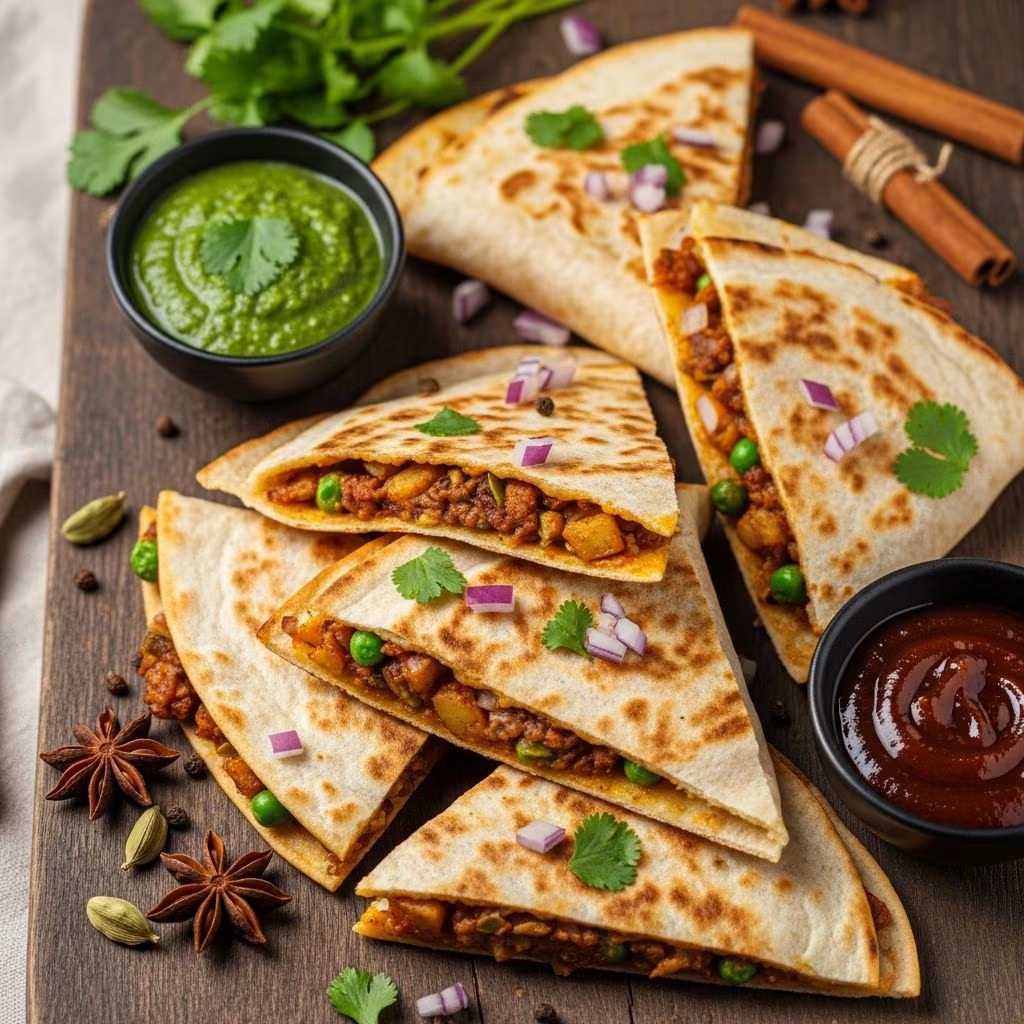
The intersection of global cuisines has given rise to countless innovative dishes, and samosa-dillas represent a particularly successful example of culinary fusion. This inventive creation merges the aromatic spice profile and hearty potato filling characteristic of Indian samosas with the accessibility and versatility of Mexican flour tortillas. The result is a dish that appeals to those seeking familiar comfort food reimagined through an adventurous lens, offering both nostalgic flavors and novel presentations.
Understanding the Foundations: Samosa Heritage and Its Modern Adaptations
Samosas have long served as a cornerstone of Indian street food and celebratory cuisine. These triangular pastries traditionally encase a seasoned potato and pea mixture, creating a portable, satisfying snack. The classical preparation involves folding dough into precise geometric shapes before deep-frying until golden and crisp. However, the popularity of samosas has inspired contemporary cooks to reimagine the format without compromising on the essential flavor components that make the original so beloved.
The emergence of samosa-dillas reflects broader culinary trends toward accessibility and adaptation. By substituting traditional pastry with readily available tortillas and adjusting cooking methods, this fusion variant maintains the soul of the original while reducing preparation complexity. The spice blend remains authentic—a harmonious combination of warm, earthy flavors that define samosa seasoning—but the delivery mechanism becomes more approachable for home cooks.
Essential Components: Building Your Spiced Potato Foundation
The success of samosa-dillas depends fundamentally on the quality of the filling. The base consists of potatoes that have been cooked until tender, then incorporated into a mixture of carefully balanced spices and aromatics. Creating this filling requires understanding how individual spice components interact to produce the characteristic samosa flavor profile.
The Spice Composition
The aromatic foundation begins with cumin seeds, which provide an earthy, slightly nutty undertone. Ground cumin complements this with concentrated warmth. Garam masala serves as the centerpiece spice, offering complex notes that blend cinnamon, cardamom, cloves, and other warming spices. Additional components include turmeric, which contributes both color and mild earthiness, coriander for brightness, and cayenne for subtle heat. These spices work in concert rather than individually, creating depth that single-note seasonings cannot achieve.
Aromatics and Allium Elements
Onions form the aromatic base, with red varieties offering mild sweetness when cooked. Garlic adds pungent depth, while serrano chiles provide fresh heat that cuts through the richness of the potato and spices. Fresh ginger contributes warmth and slight spiciness that enhances the overall complexity. The combination of these aromatics with the spice blend creates a multidimensional flavor base that distinguishes samosa-dillas from ordinary quesadillas.
Protein and Vegetable Elements
Green peas add sweetness, textural contrast, and nutritional value to the filling. Cilantro, added at the end of preparation, provides brightness and herbal notes that prevent the dish from becoming heavy. A squeeze of fresh lemon juice accentuates the spices and adds vital acidity that balances the rich potato component.
Ingredient Assembly: What You’ll Need
Preparing samosa-dillas requires gathering ingredients across multiple categories. Organization before cooking ensures smooth preparation and optimal flavor development.
- Tortillas: Large flour tortillas serve as the vessel; approximately six tortillas accommodate a generous serving for four to six people
- Base fats: Olive oil and butter combine to create optimal cooking conditions, with butter adding richness and olive oil providing stability at higher temperatures
- Aromatics: One medium red onion (divided into chopped and sliced portions for different cooking stages), three garlic cloves, and one serrano chile
- Spices: One teaspoon cumin seeds, one and one-half teaspoons garam masala, one teaspoon ground cumin, one-half teaspoon coriander, one-half teaspoon turmeric, and one-quarter teaspoon cayenne pepper
- Vegetables: One cup green peas (fresh or frozen) and one and one-half pounds Yukon gold potatoes, pre-cooked until tender
- Fresh elements: Fresh ginger (one and one-half teaspoons finely chopped), cilantro (two tablespoons chopped), and one lemon for juice
- Cheese: Pepper Jack cheese provides creaminess and subtle heat; sharp white cheddar offers a suitable alternative
- Cucumber salad components: Mini cucumbers or Persian cucumber varieties, red onion slices, fresh cilantro, lime juice, and salt for dressing
The Cooking Process: Transforming Ingredients into a Cohesive Dish
Preparing the Filling
Begin by heating the combination of olive oil and butter in a large skillet over medium heat. Once the butter foams, add cumin seeds and allow them to bloom for approximately one minute, releasing their essential oils and intensifying their aromatic properties. This step—called tempering spices—fundamentally changes their flavor profile from flat to multidimensional.
Add the chopped red onion to the bloomed seeds and cook until the onion becomes translucent and begins to caramelize slightly, approximately three to four minutes. Incorporate the finely chopped serrano chile and ginger, stirring constantly for one minute to prevent burning while allowing the aromatics to release their flavors into the oil.
Add the minced garlic and cook for another minute. Pour in the ground cumin, garam masala, coriander, turmeric, and cayenne pepper. Stir continuously for one minute—this crucial step, known as toasting the ground spices, prevents them from tasting raw or chalky in the final dish. The kitchen should now be fragrant with warm, complex spice aromas.
Add the pre-cooked, cubed Yukon gold potatoes and green peas to the spice mixture. Fold gently to coat all potato pieces evenly with the spiced oil. Cook for three to four minutes, stirring occasionally, until the potatoes are heated through and the flavors meld. Remove from heat and stir in the chopped cilantro and lemon juice. Taste and adjust seasoning with salt as needed. The filling should taste balanced—warm and aromatic without excessive heat, with the spices enhancing rather than overwhelming the potato base.
Assembling and Cooking the Samosa-Dillas
Warm flour tortillas briefly over a gas flame or in a dry skillet to make them pliable. This prevents tearing during assembly and improves their ability to crisp during cooking. Place approximately one-half cup of the spiced filling on one half of each tortilla. Distribute filling evenly, leaving a one-half inch border. Sprinkle a generous handful of pepper Jack cheese over the filling.
Fold the tortilla in half, creating a semi-circle. Press gently but firmly to ensure the filling and cheese maintain contact with both tortilla layers. The samosa-dilla can now be cooked using either pan-frying or oven-baking methods.
For pan-frying: Heat vegetable oil in a large skillet over medium-high heat. Once shimmering, carefully place the folded tortillas in the oil. Cook for approximately two to three minutes per side until the exterior achieves a golden-brown color and crispy texture. The cheese should begin melting slightly, visible at the edges.
For oven-baking: Brush both sides of the filled tortilla lightly with vegetable oil and place on a preheated baking sheet. Bake at four hundred twenty-five degrees Fahrenheit for approximately eight to ten minutes, turning halfway through, until both sides achieve light golden-brown coloring.
The Complementary Cucumber Salad: Achieving Balance
A refreshing cucumber salad serves as the essential counterpoint to the rich, warm samosa-dillas. This component provides textural contrast, acidity, and cooling properties that elevate the overall eating experience.
Slice mini cucumbers or Persian varieties into thin rounds or half-moons. Combine with thinly sliced red onion that has been slightly softened by a brief soak in lime juice. This technique, called acid-curing, mellows the onion’s sharpness while preserving its crunch. Dress the combination with fresh lime juice, chopped cilantro, and a pinch of salt. Allow the salad to sit for at least ten minutes before serving, allowing flavors to meld and the cucumbers to release their liquid.
The acidity of the lime juice and the cooling properties of the cucumber create a palate-cleansing effect that allows diners to appreciate each successive bite of the samosa-dilla. The fresh cilantro bridges flavors between the two components, creating a cohesive dining experience.
Optional Enhancements: Sauces and Accompaniments
A cilantro-lime yogurt sauce elevates samosa-dillas by adding creaminess and additional bright flavors. Combine one-half cup plain yogurt with one-third cup fresh mint leaves, one-quarter cup sliced green onions, one sliced serrano chile, and juice from one to two limes. Blend or finely chop the herbs and combine with yogurt. A pinch of salt balances the flavors. This sauce can be served as a dipping accompaniment or drizzled over individual samosa-dillas.
Tamarind paste offers another sophisticated option, providing tangy sweetness that complements the spice profile. A thin spread across the tortilla before filling adds depth without overwhelming other components.
Frequently Asked Questions
Can samosa-dillas be prepared in advance?
Yes. The spiced filling can be prepared up to two days ahead and stored in an airtight container in the refrigerator. Assemble and cook the dillas close to serving time for optimal texture. The cucumber salad also benefits from advance preparation but should not be dressed more than thirty minutes before serving to maintain crispness.
What cheese alternatives work well in this recipe?
Sharp white cheddar provides tanginess that complements the spices well. Monterey Jack offers a milder flavor, while paneer—a traditional Indian cheese—creates an authentic fusion element. Avoid soft cheeses that melt excessively or interfere with the filling structure.
How can I adjust the heat level?
Reduce or eliminate serrano chiles for a milder version. Remove seeds and membranes from chiles before chopping to decrease heat while maintaining flavor. Conversely, add additional cayenne pepper or fresh chiles for increased spiciness.
Are samosa-dillas suitable for vegetarian diets?
Yes. The traditional preparation contains no meat products, making it inherently vegetarian. Ensure all spices and other ingredients lack animal-derived processing aids if following strict vegetarian protocols.
How should leftover samosa-dillas be stored?
Store cooked samosa-dillas in an airtight container in the refrigerator for up to three days. Reheat gently in a skillet over medium heat or in a four hundred-degree oven for approximately five minutes to restore crispiness and prevent sogginess.
Serving Suggestions and Pairing Considerations
Samosa-dillas work equally well as appetizers for entertaining or as satisfying main courses accompanied by the cucumber salad. For appetizer service, cut each tortilla into four wedges and arrange on platters with the cilantro-lime yogurt sauce in a central bowl for dipping.
As main courses, serve two samosa-dillas per person alongside generous portions of cucumber salad. A cooling yogurt-based lassi or other beverage complements the warm spices effectively. For more formal presentations, drizzle cilantro-lime yogurt decoratively on individual plates before placing the samosa-dilla.
These flatbreads pair well with other Indian-inspired sides such as raita (yogurt-based cucumber condiment), mango lassi, or fragrant basmati rice pilaf. The fusion nature of the dish also permits pairing with Mexican-inspired accompaniments like black beans, Mexican corn salad, or cilantro-lime rice.
References
- Samosadilla (Samosa Quesadilla) – Flat Better — Food Wishes Blog. 2019-01-15. https://foodwishes.blogspot.com/2019/01/samosadilla-samosa-quesadilla-flat.html
- Samosa-dillas With Cucumber Salad — Umami Recipes. https://www.umami.recipes/uk/recipe/878viAbPh8dT6XWQuZGR