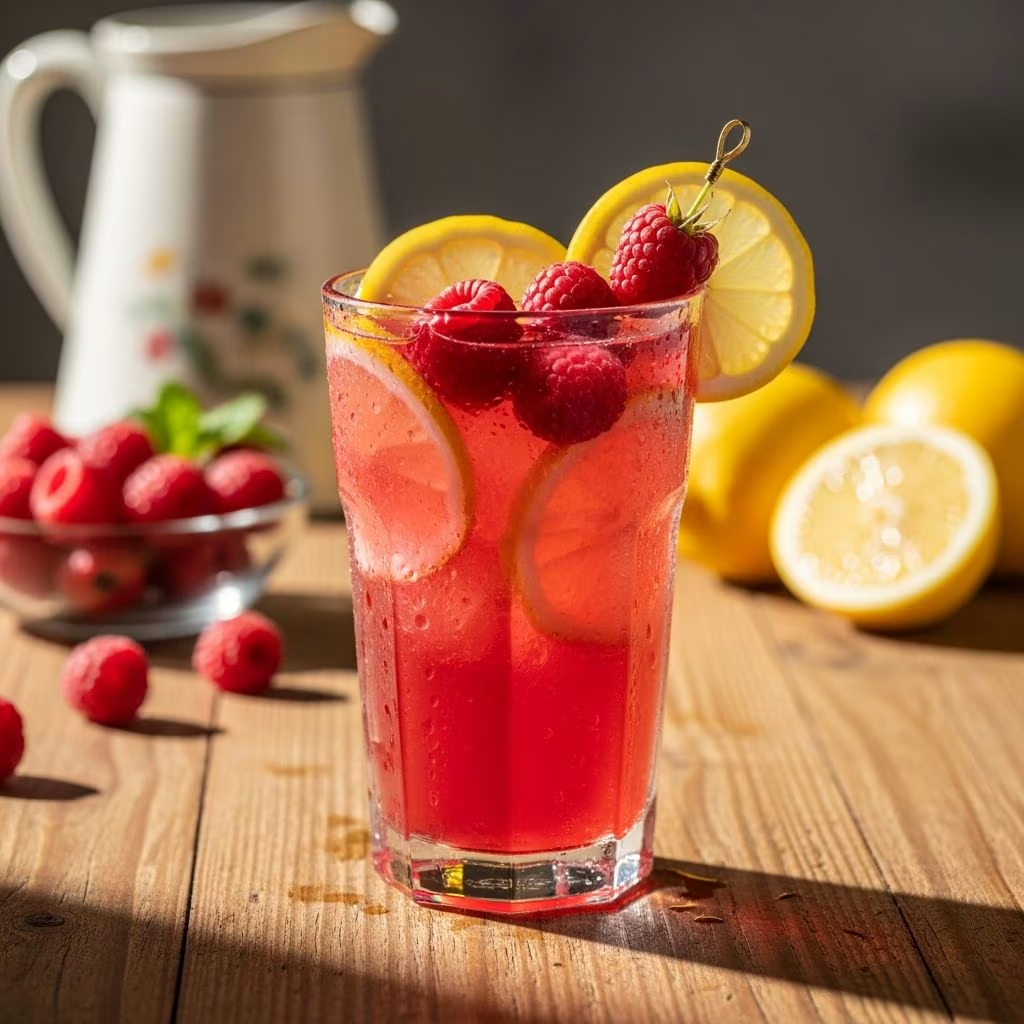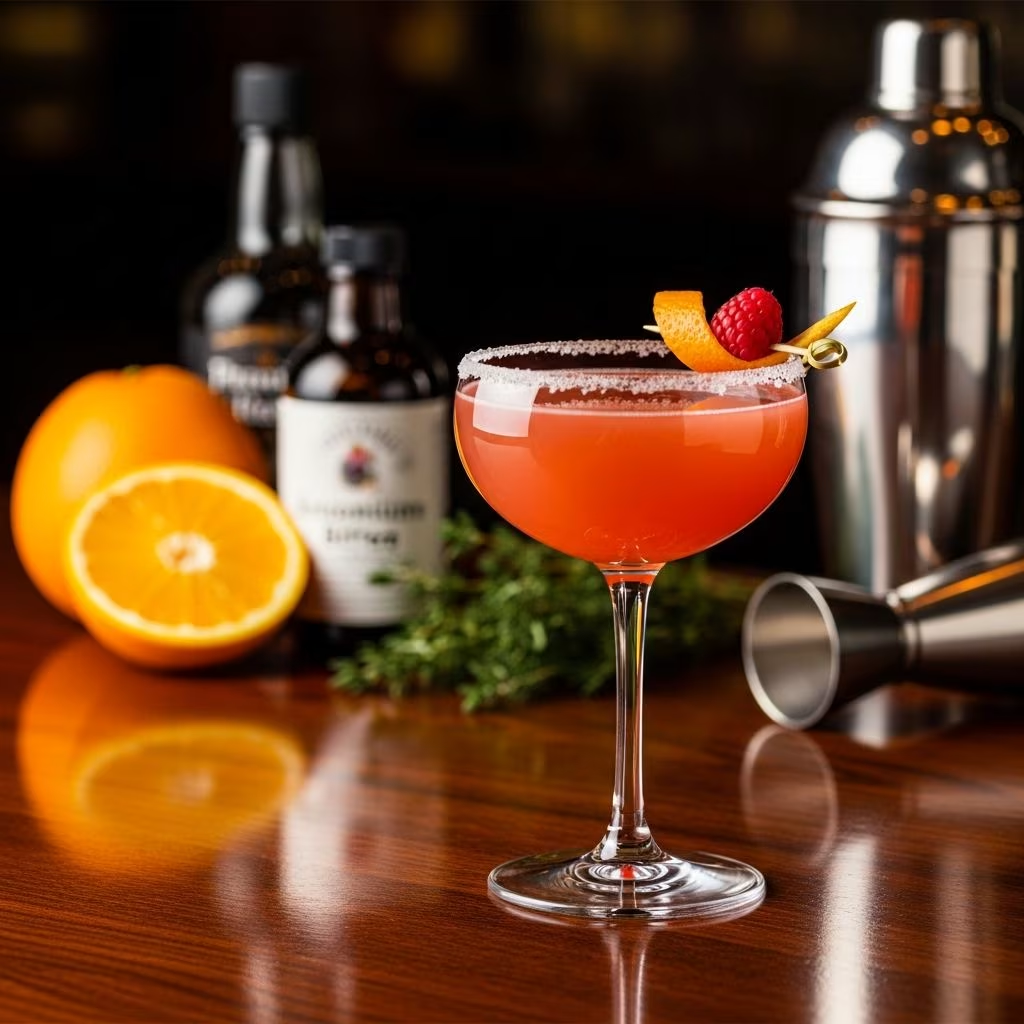
The Salmoncito stands out as a captivating highball cocktail that captures the essence of modern mixology with its vivid pink hue and balanced flavors of bitterness and citrus brightness. Originating from Mexico City’s vibrant bar scene, this drink combines classic spirits with fresh ingredients for an effortless yet sophisticated sip.
Origins and Cultural Significance
Emerging in 2013 from the creative hands of bartender Khristian de la Torre in Mexico City, the Salmoncito quickly gained popularity for its simplicity and bold profile. Its name, translating to “little salmon” in Spanish, draws from the drink’s distinctive salmon-pink color derived from grapefruit juice and Campari. This cocktail embodies a fusion of global influences: London dry gin from England pairs with Italian Campari, elevated by Mexican-inspired grapefruit freshness and tonic effervescence.
In Mexico City’s thriving cocktail culture, the Salmoncito represents an accessible aperitif that bridges traditional highballs with contemporary twists. It’s often enjoyed in casual settings or upscale bars, highlighting how local ingenuity can transform everyday ingredients into something memorable. The drink’s rise underscores grapefruit’s role in modern mixology, offering a tart counterpoint to herbal bitters.
Core Ingredients Breakdown
At its heart, the Salmoncito relies on a handful of key components that create harmony between bitterness, botanicals, and brightness. Here’s a detailed look:
- London Dry Gin (1.5 oz / 45 ml): Provides a juniper-forward base with dry, crisp notes that anchor the drink’s structure.
- Campari (0.33 oz / 10 ml): Introduces signature ruby-red color and intense herbal bitterness, adding complexity without overpowering.
- Fresh Grapefruit Juice (0.33 oz / 10 ml): Delivers vibrant citrus acidity and the pink tint; always use freshly squeezed for optimal flavor.
- Tonic Water (4-5 oz / 120 ml to top): Adds bubbles and quinine-driven bitterness, extending the drink while lightening the profile.
These elements balance to create a profile that’s craveably bitter yet juicy, making it ideal for grapefruit enthusiasts. Variations might adjust ratios for personal taste, but precision ensures the signature equilibrium.
Step-by-Step Preparation Methods
Crafting a Salmoncito is straightforward, requiring no shaker for the classic build-in-glass approach, though some opt for shaking to enhance integration. Follow these steps for authenticity:
- Fill a highball glass with plenty of ice to chill thoroughly.
- Pour in 1.5 oz gin, 0.33 oz Campari, and 0.33 oz fresh grapefruit juice.
- Top with 4-5 oz tonic water, depending on desired strength.
- Gently stir to combine without deflating the bubbles.
- Garnish with a grapefruit wedge, supreme, or expressed peel for aroma.
For a frothier texture, shake the base ingredients (gin, Campari, juice) with ice first, then strain into the ice-filled glass and top with tonic. This method aerates the mix, mimicking a spritz-like quality. Prep time is under 5 minutes, serving one.
| Method | Pros | Cons | Best For |
|---|---|---|---|
| Build in Glass | Quick, no equipment needed, preserves carbonation | Less integrated flavors | Home bartenders |
| Shaken | Frothy texture, thorough blending | Requires shaker, risks flat tonic | Bar settings |
Mastering the Garnish
The garnish elevates the Salmoncito from simple to stunning, tying into its whimsical “little salmon” theme. A supremed grapefruit segment, nestled in ice, evokes a pink fish swimming through rocks.
To supreme grapefruit:
- Slice off top and bottom ends.
- Remove rind and pith with curved cuts.
- Slide a paring knife between membranes to release intact segments.
- Express oils from a peel twist over the drink for aromatic lift.
Alternatives include a simple wedge or dehydrated wheel, but supremes add juicy elegance and visual flair. This technique not only enhances taste but also showcases bartending finesse.
Flavor Profile and Pairing Ideas
The Salmoncito offers a symphony of bitterness from Campari and tonic, tempered by gin’s botanicals and grapefruit’s zesty sweetness. It’s dry, refreshing, and slightly frothy, positioning it between a Negroni spritz and gin tonic. The pink hue makes it visually striking for parties.
Pair it with:
- Light seafood like ceviche or shrimp cocktails to echo citrus notes.
- Salty snacks such as spiced nuts or olives for contrast.
- Mexican tapas like tacos al pastor for cultural synergy.
Its low ABV (around 10-12%) suits daytime sipping or multiple rounds without heaviness.
Variations and Custom Twists
While purists stick to the original, creative riffs expand its appeal:
- Spicy Salmoncito: Add a dash of jalapeño tincture or chili bitters for heat.
- Herbal Edition: Infuse gin with rosemary or swap tonic for soda water and herbal liqueur.
- Low-Cal Version: Use diet tonic and half the juice for lighter refreshment.
- Batch for Parties: Multiply by 10, stir in a pitcher, serve over ice (add tonic fresh).
Experiment with gins: a navy strength version amps botanicals, while floral ones soften bitterness. Always taste-test ratios to maintain balance.
Tips for Perfection at Home
Elevate your Salmoncito with these pro insights:
- Strain fresh grapefruit juice to eliminate pulp for silkier texture.
- Chill all ingredients beforehand to minimize ice dilution.
- Use premium tonic to avoid overly sweet quinine dominance.
- Highball glasses preserve carbonation; Collins work too.
- Express peel oils post-stir for maximum aroma release.
Common pitfalls: Overpouring Campari muddies flavors; skimping on ice warms the drink prematurely.
Why Salmoncito Captures Modern Tastes
In an era of intricate cocktails, the Salmoncito’s appeal lies in its minimalism—four ingredients yielding profound refreshment. Its Mexico City roots highlight Latin America’s mixology boom, influencing global trends with citrus-forward profiles. Pink drinks are having a moment, from palomas to this highball, proving color and flavor needn’t be at odds.
Bartenders praise its versatility: aperitif, brunch sipper, or summer quencher. As grapefruit’s popularity surges in craft scenes, Salmoncito exemplifies accessible innovation.
FAQs
What makes the Salmoncito pink?
The rosy color comes from Campari’s red hue mixed with grapefruit juice.
Can I make it without a shaker?
Yes, the traditional method builds directly in the glass over ice.
What’s the best gin for Salmoncito?
A classic London dry like Beefeater or Tanqueray highlights the botanicals.
Is Salmoncito shaken or stirred?
Build-and-stir is standard, but shaking the base adds froth.
How strong is it?
Relatively light at 1-2 standard drinks, thanks to tonic dilution.
Nutritional Snapshot (Per Serving)
| Nutrient | Amount |
|---|---|
| Calories | 180 |
| Alcohol | 15-20g |
| Sugar | 12g (from juice/tonic) |
| Vitamin C | 20% DV |
Values vary by brands; use fresh juice for max nutrients.
References
- Salmoncito Cocktail Recipe — Make Me A Cocktail. 2023. https://makemeacocktail.com/en/cocktail/9932/salmoncito
- Salmoncito: The Mexico City Cocktail Perfect For Grapefruit Lovers — Food Republic. 2023-10-12. https://www.foodrepublic.com/1709925/salmoncito-grapefruit-mexico-city/
- “Fishy” Summer Sipper – The Salmoncito — Wulf Cocktail Den. 2024-07. https://wulfcocktailden.com/2024/07/fishy-summer-sipper-the-salmoncito