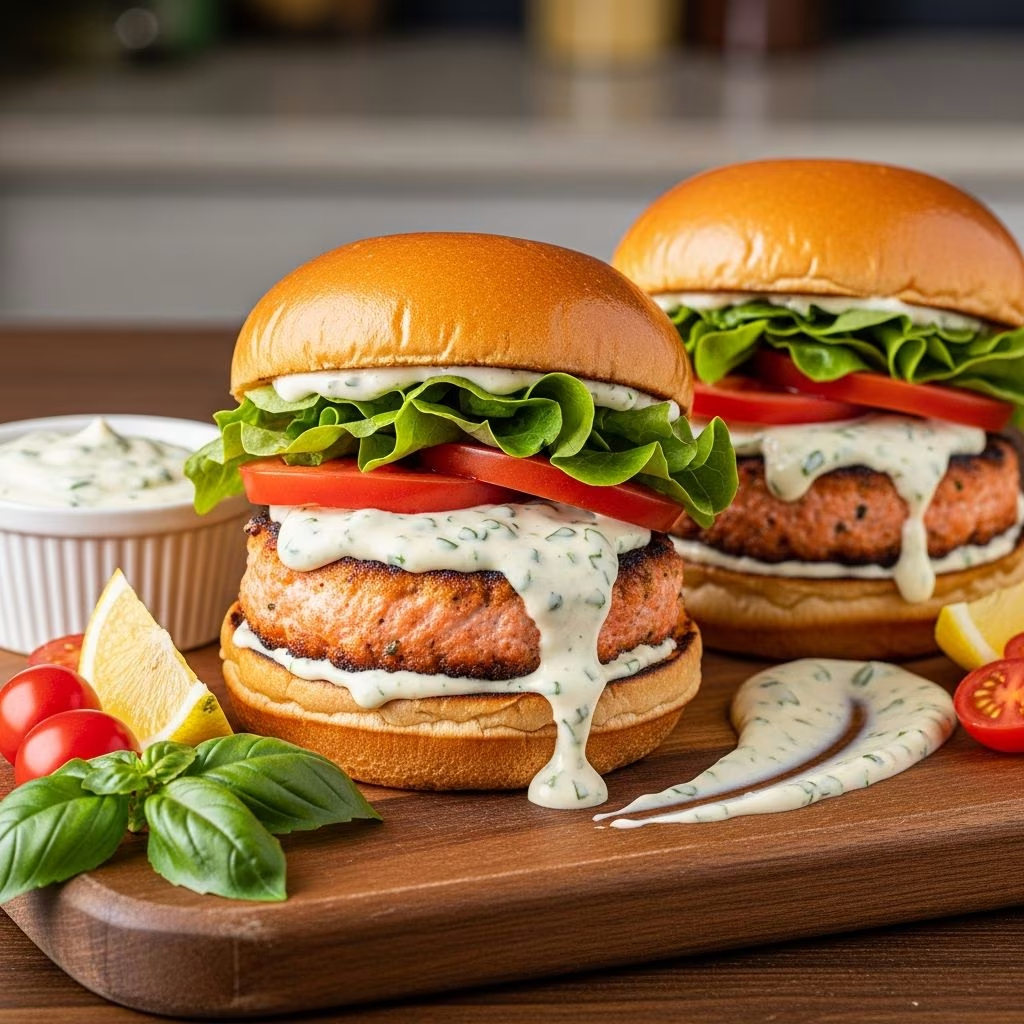
Salmon burgers represent a sophisticated and health-conscious alternative to traditional beef patties, offering substantial protein content and omega-3 fatty acids in an appealing handheld format. The combination of fresh salmon with bright citrus and aromatic basil creates a flavor profile that captures the essence of summer entertaining without requiring hours of preparation. This dish delivers restaurant-quality results in approximately 30 minutes, making it an ideal choice for busy weeknights or casual weekend gatherings.
Understanding the Appeal of Salmon Patties
Salmon burgers have gained popularity among health-conscious cooks and culinary enthusiasts who appreciate both nutritional benefits and culinary versatility. Unlike ground beef burgers that rely on fat content for binding and flavor, salmon-based patties showcase the delicate, rich taste of the fish itself. The natural oils present in salmon create a moist, tender texture when properly prepared, while the protein structure helps maintain burger integrity during cooking.
The introduction of complementary ingredients—such as fresh corn kernels, aromatic herbs, and binding agents—transforms raw salmon into cohesive patties that hold their shape during cooking while remaining succulent throughout. This balance between structural integrity and culinary delicacy distinguishes well-executed salmon burgers from mediocre preparations.
Essential Components and Ingredient Selection
The Foundation: Quality Salmon
Selecting appropriate salmon is fundamental to burger success. Fresh salmon fillets offer superior flavor and texture compared to frozen alternatives, though high-quality frozen salmon works adequately when thawed properly. Skinless salmon simplifies preparation and creates a more uniform texture throughout the patty. The salmon should be finely chopped—approximately the size of coarsely minced onion—to ensure even distribution of moisture and flavor throughout each burger.
Surprising Ingredient: Fresh Corn
Sweet corn kernels serve as the signature element that distinguishes this recipe from standard salmon burger preparations. Fresh corn kernels, cut directly from the cob, provide subtle sweetness, textural contrast, and visual appeal. The corn’s natural sugars complement the salmon’s richness while the kernels’ firm structure contributes to burger texture. During the cooking process, corn kernels soften slightly while maintaining their structural integrity, creating pockets of sweetness throughout each bite.
Binding and Structural Elements
Breadcrumbs serve multiple functions in salmon burger preparation: they absorb excess moisture from the salmon, promote structural cohesion, and create a light, somewhat crispy exterior when properly dredged and cooked. Plain dry breadcrumbs work effectively, though panko—Japanese-style breadcrumbs with larger particles—creates a more pronounced textural contrast. The ratio of breadcrumbs to salmon remains critical; excessive breadcrumbs yield dense, dry burgers, while insufficient breadcrumbs result in patties that fall apart during cooking.
Egg white functions as the primary binder, providing protein structure without adding significant fat. One large egg white per pound of salmon provides adequate binding capacity while maintaining the burger’s relatively lean nutritional profile. The egg white’s adhesive properties tighten during cooking, transforming loose mixtures into cohesive patties.
Aromatic and Savory Elements
Green onion—specifically the tender green portions—contributes mild onion flavor without the harsh pungency of white onion sections. Finely sliced green onion distributes evenly throughout the mixture, providing flavor complexity and aromatic notes. Salt enhances the salmon’s natural flavors and helps bind the mixture, while fresh lemon zest introduces brightness and subtle citrus notes that persist through cooking, unlike lemon juice which dissipates during heat exposure.
Constructing the Lemon Basil Mayonnaise
The accompanying sauce transforms simple mayonnaise into a sophisticated complement for salmon burgers. Fresh basil—rather than dried—delivers vibrant herbaceous notes with subtle pepper undertones. The basil’s volatile compounds remain largely intact in raw preparations, creating an aromatics-forward sauce that brightens each bite. Grated lemon peel combines with mayonnaise’s richness, creating a balanced sauce that neither overwhelms nor underwhelms the delicate salmon flavor.
Quality mayonnaise provides the sauce’s foundation; lighter varieties reduce overall fat content without sacrificing essential creaminess and mouthfeel. The combination of creamy, tangy elements in the mayo—typically containing eggs and acidic components—creates a stable emulsion that clings to burger surfaces and bread alike.
Preparation Methodology and Technique
Mixing and Formation
Proper mixing technique directly influences the final burger’s texture and integrity. Using a fork rather than vigorous hand-mixing prevents overworking the salmon, which would break down muscle fibers and create a dense, paste-like consistency. Gentle folding combines ingredients evenly while maintaining the salmon’s natural flaked structure, resulting in patties with visible texture rather than uniform density.
Forming burgers requires a balance between adequate pressure for structural integrity and light handling to preserve lightness. Firmly packing patties ensures they remain cohesive during cooking, while excessive pressure creates dense, tough results. Standard burger diameter of approximately 3.5 inches accommodates typical burger buns while ensuring adequate surface area for developing slight browning during cooking.
Breading and Preparation
Dredging prepared patties in breadcrumbs creates a protective crust that develops desirable browning during cooking. Dividing breadcrumbs into two portions—incorporating a portion into the mixture and using the remainder for dredging—provides moisture absorption within the burger while establishing a distinct exterior texture. Light cooking spray application to breaded patties promotes browning and reduces required cooking fat.
Chilling prepared patties before cooking, while not absolutely necessary, offers advantages: the mixture sets more firmly, facilitating easier handling, and the cold interior cooks more evenly through the burger’s depth. A 20- to 30-minute refrigeration period suffices for adequate setting.
Cooking Method and Temperature Control
Nonstick surfaces—whether nonstick skillets or grill pans—prevent sticking without requiring excessive cooking fat. Medium to medium-high heat provides sufficient intensity for developing surface browning while allowing the interior to cook through without excessive exterior browning. Cooking burgers for approximately 8 minutes total, with one midway turn, typically achieves complete cooking without drying.
Proper turning technique prevents burger deterioration; using two spatulas—one for flipping and one for stability during the turn—maintains structural integrity. The burger should release naturally from the cooking surface when adequate browning has developed; attempting premature turning risks tearing the patty.
Nutritional Considerations
Salmon burgers offer significant nutritional advantages compared to beef alternatives. Salmon provides substantial protein content alongside omega-3 fatty acids, compounds associated with various cardiovascular and cognitive health benefits. The relatively lean preparation—utilizing egg white rather than whole eggs and reducing added fat—maintains nutritional integrity while preserving culinary satisfaction.
Fresh corn contributes dietary fiber, natural carbohydrates for energy, and various micronutrients including lutein and zeaxanthin. Breadcrumbs provide carbohydrate content and additional structural support. The complete burger, when served on standard whole grain buns with vegetable accompaniments, constitutes a nutritionally balanced meal combining protein, healthy fats, carbohydrates, and fiber.
Serving Suggestions and Accompaniments
While salmon burgers perform admirably as standalone items, thoughtful accompaniments enhance the overall dining experience. Traditional burger buns provide familiar context, though lettuce wraps offer lighter alternatives for those reducing refined carbohydrate consumption. Fresh vegetables—including crisp lettuce, ripe tomato slices, and thinly sliced red onion—add textural contrast, nutritional value, and visual appeal.
The lemon basil mayonnaise serves as the primary sauce, though additional condiments rarely improve the presentation. The sauce’s carefully balanced flavors complement rather than mask the salmon’s delicate taste.
Variations and Creative Modifications
Alternative Ingredient Approaches
While the original recipe features fresh corn, experimentation with other ingredients expands culinary possibilities. Diced red bell peppers introduce sweetness and mild capsicum notes without overwhelming salmon flavor. Panko breadcrumbs, which feature larger particles than traditional varieties, create more pronounced textural contrast. Wild-caught canned salmon substitutes effectively for fresh fillets, offering convenience and consistent availability while reducing preparation time.
Herb and Seasoning Variations
Cilantro paired with lime zest creates Mexican-inspired variations. Dill—a classic companion to salmon—offers subtle anise notes. Ginger introduces warmth and aromatic complexity suitable for Asian-inspired preparations. Dijon mustard integrated into the mixture or served alongside adds sophisticated savory notes.
Cooking Method Alternatives
Grilling imparts subtle smoke flavors while reducing added cooking fat. Baking at 375°F for 12 to 15 minutes produces evenly cooked burgers with minimal monitoring, though exterior browning remains less pronounced than pan-searing or grilling. Contact grills offer a middle ground, requiring approximately 5 minutes for complete cooking with browning on both surfaces simultaneously.
Storage and Make-Ahead Strategies
Uncooked salmon patties maintain quality when refrigerated for up to 24 hours before cooking, allowing flexible meal timing. Prepared lemon basil mayonnaise keeps refrigerated for 3 to 4 days, making advance preparation practical. Cooked burgers can be refrigerated for 3 to 4 days and reheated gently; however, texture inevitably changes slightly with refrigeration and reheating.
Common Questions About Salmon Burgers
Why do salmon burgers fall apart during cooking?
Insufficient binding agent or inadequate mixing typically causes structural failure. Ensuring proper egg white incorporation and using adequate breadcrumbs prevents disintegration. Additionally, cooking temperature too low extends cooking time excessively, allowing patties to soften before setting. Chilling patties before cooking provides additional structural support.
Can frozen salmon be used successfully?
Yes, frozen salmon works adequately when thawed properly in refrigeration overnight. Thawed salmon should be patted dry with paper towels to remove excess moisture before chopping and mixing, as excessive liquid compromises texture.
What distinguishes quality lemon basil mayonnaise?
Using fresh basil rather than dried varieties dramatically improves flavor complexity and aromatic intensity. Fresh lemon zest provides brightness without the excessive acidity of lemon juice. Quality mayonnaise containing real eggs provides superior taste compared to commercial products using modified food starch and other stabilizers.
How can cooking time be reduced?
Forming thinner patties accelerates cooking without sacrificing flavor or texture. Contact grills reduce cooking time by applying heat to both surfaces simultaneously. Higher cooking temperatures shorten duration, though risk of exterior burning increases.
Are salmon burgers suitable for dietary restrictions?
Gluten-free breadcrumbs accommodate celiac disease and gluten sensitivity. Omitting breadcrumbs and substituting mashed potatoes, crushed nuts, or additional binding agent addresses grain allergies. Egg-free preparations require alternative binders such as aquafaba or ground flaxseed mixed with water.
Conclusion
Salmon burgers with lemon basil mayonnaise represent an accessible culinary achievement combining nutrition, flavor, and convenience. The careful balance of fresh salmon, surprising corn sweetness, and bright citrus-herb sauce creates memorable meals that satisfy both sophisticated palates and casual appetites. Whether prepared for weeknight dinners or weekend entertaining, these burgers demonstrate that healthy eating need not require compromising culinary enjoyment or requiring extensive preparation time.
References
- Omega-3 Fatty Acids: An Essential Contribution to Normal Growth and Development — American Academy of Pediatrics. 2016. https://publications.aap.org/pediatrics/article-abstract/138/2/e20161493/52965
- Nutritional Composition of Wild and Farmed Atlantic Salmon — USDA FoodData Central. U.S. Department of Agriculture. 2024. https://fdc.nal.usda.gov/
- Food Safety Guidelines for Seafood Storage and Preparation — U.S. Food and Drug Administration. 2023. https://www.fda.gov/food/consumers/asking-questions-about-seafood-storage
- Role of Dietary Fiber in Human Nutrition and Health — Academy of Nutrition and Dietetics. 2021. https://www.eatright.org/