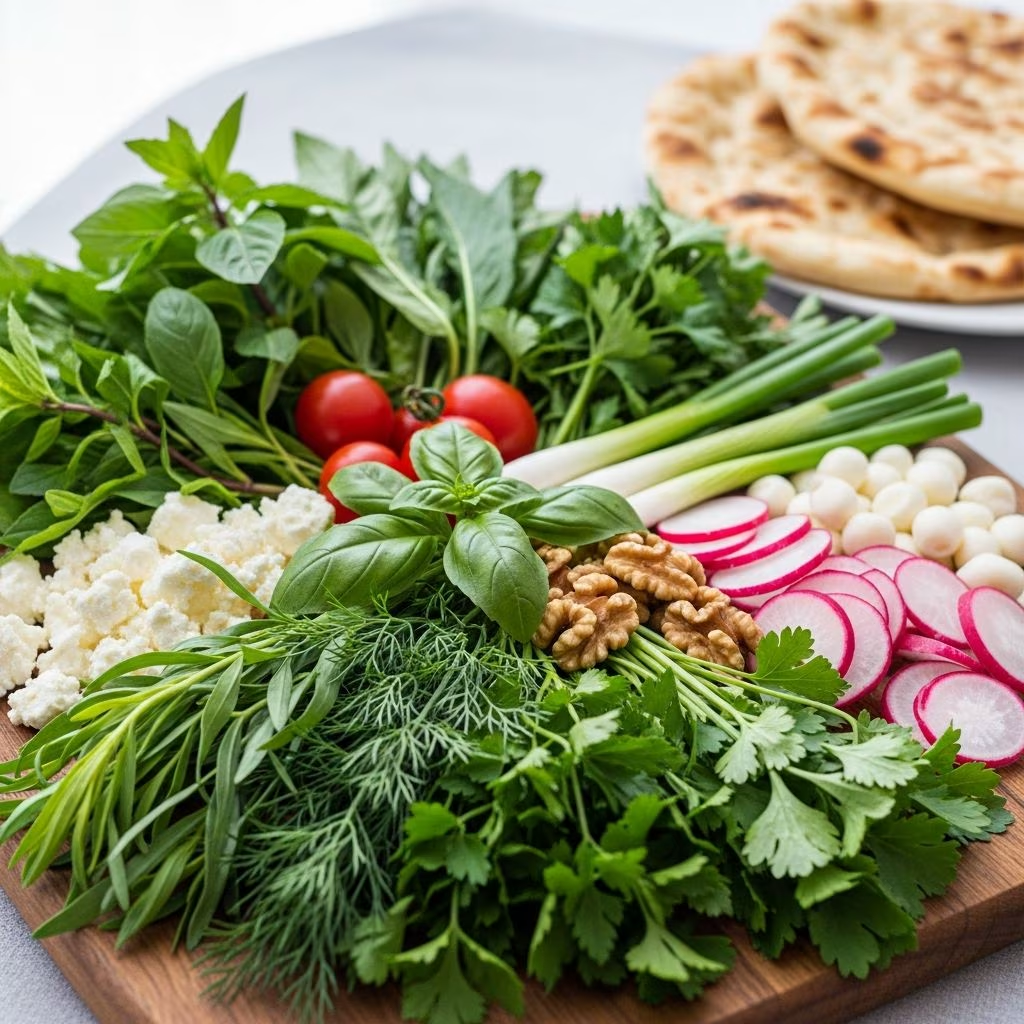
Immerse yourself in the refreshing tradition of Sabzi Khordan, a staple of Persian dining that celebrates the purity of fresh herbs. This platter, translating to “greens to eat,” graces nearly every Iranian meal, offering a burst of natural flavors that stimulate the palate and aid digestion. Unlike cooked dishes, it highlights the earth’s bounty in its raw form, paired with complementary elements like cheese, nuts, and bread.
The Cultural Heart of Persian Tables
In Iranian culture, Sabzi Khordan transcends a mere side dish; it embodies hospitality and seasonal abundance. Families present it at breakfast, lunch, and dinner, allowing guests to customize bites throughout the meal. This practice fosters communal eating, where diners wrap herbs in flatbread with add-ins for personalized flavor profiles.
Historically rooted in Persia’s agrarian heritage, the platter reflects the region’s diverse climates, from lush northern herb gardens to arid southern fields. It’s versatile for Nowruz celebrations or everyday gatherings, symbolizing renewal and vitality. Modern adaptations appear in diaspora communities, blending local greens with traditional staples.
Essential Ingredients for Authenticity
Building a Sabzi Khordan starts with selecting vibrant, pesticide-free herbs. Core components include:
- Fresh herbs: Combinations of basil, mint, cilantro, parsley, tarragon, dill, chives, and spearmint provide aromatic layers.
- Vegetables: Scallions (cut into lengths) and radishes (quartered) add crunch and mild spice.
- Cheese: Creamy feta or similar white cheese, about 8 ounces, serves as a tangy base.
- Nuts: Walnuts, toasted or raw, offer earthy richness—around 1 cup.
- Bread: Lavash, barbari, or any flatbread, torn into bite-sized pieces.
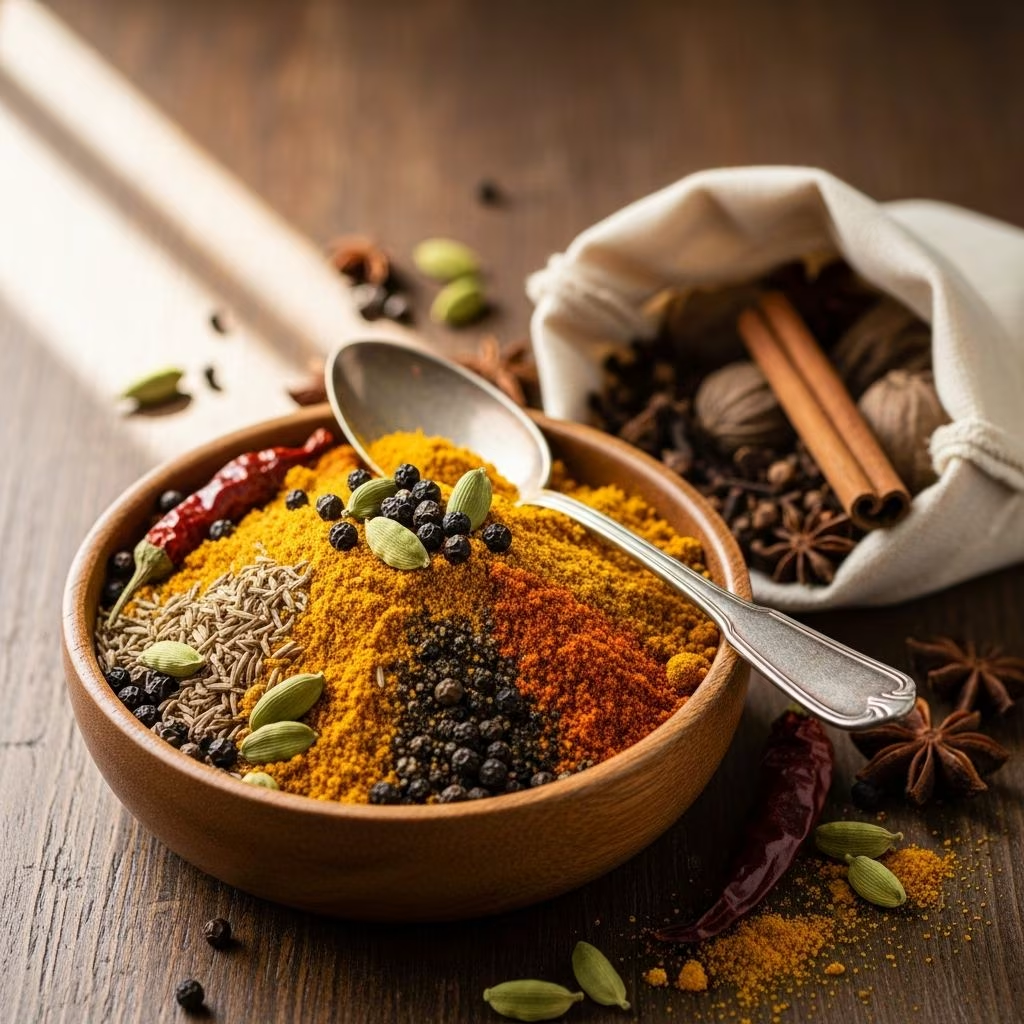
- Enhancers: Extra-virgin olive oil infused with toasted coriander, cumin, and caraway seeds elevates the cheese.
Quantities scale with servings: for 4-6 people, use 2 small bunches of mixed herbs total. Opt for organic produce to capture peak freshness.
Step-by-Step Preparation Guide
Assembling Sabzi Khordan takes under 15 minutes, emphasizing minimal intervention to preserve natural tastes.
- Prep the herbs: Rinse thoroughly under cool water, pat dry with towels. Trim tough stems but keep sprigs intact for easy handling. Arrange in fluffy piles on a large platter.
- Handle vegetables: Slice scallions into 2-inch pieces; quarter radishes. Scatter around herb clusters for visual appeal.
- Infuse the oil: In a hot skillet, toast 1 tablespoon each of coriander, cumin, and caraway seeds for 1-2 minutes until fragrant. Pour into ⅓ cup olive oil, steep briefly, then drizzle over crumbled feta. Sprinkle coarse salt like Maldon.
- Add nuts and bread: Place walnuts in a mound; surround with flatbread pieces. Position feta bowl centrally.
- Chill if needed: Refrigerate up to 2 hours, but serve at room temperature for optimal flavor release.
This method ensures a balanced, colorful display that invites interaction.
Flavor Profiles and Pairings
Sabzi Khordan’s appeal lies in its contrast: peppery herbs against creamy cheese, crisp radishes with nutty walnuts, and warm spices cutting through olive oil’s fruitiness. Common wraps mimic a fresh taco—herbs, scallion, radish, feta, and walnut folded in lavash.
Pair with Persian mains like kebabs, stews (khoresht), or rice dishes (chelo). For vegetarians, it stands alone or with yogurt dips. Wine lovers might choose crisp whites like Sauvignon Blanc to match herbal notes.
| Component | Flavor Note | Texture |
|---|---|---|
| Herbs (mixed) | Aromatic, fresh, slightly bitter | Tender, leafy |
| Feta + Spiced Oil | Tangy, warm, nutty | Creamy, crumbly |
| Walnuts | Earthy, buttery | Crunchy |
| Radishes/Scallions | Sharp, peppery | Crispy |
| Flatbread | Neutral, toasty | Flaky |
Health Benefits of This Herb Medley
Beyond taste, Sabzi Khordan packs nutritional punch. Herbs like parsley and cilantro are rich in vitamins A, C, and K, supporting immunity and detoxification. Mint aids digestion, tarragon offers antioxidants, and dill provides anti-inflammatory compounds.
Walnuts contribute omega-3s for heart health; feta adds calcium and protein. Low-calorie yet satisfying, it’s ideal for mindful eating. A typical serving delivers fiber for gut health without heavy processing.
Seasonal Variations and Customizations
Adapt to availability: spring brings wild greens; summer favors basil-heavy mixes. Substitutes include arugula for pepperiness or Persian cucumbers for hydration. Vegan versions swap feta for tofu or nuts.
- Nowruz special: Add sprouted lentils for symbolism.
- Quick version: Pre-washed herbs from markets.
- Spicy twist: Include watercress or chili-infused oil.
Experiment regionally—northern Iran emphasizes chives; southern adds fenugreek.
Common Mistakes to Avoid
- Wet herbs dilute flavors—dry meticulously.
- Over-toasting spices turns them bitter; watch closely.
- Chopping destroys texture; keep whole sprigs.
- Store-bought feta works, but drain well to avoid sogginess.
Frequently Asked Questions (FAQs)
What is Sabzi Khordan exactly?
A Persian platter of fresh herbs, vegetables, cheese, nuts, and bread served raw as an appetizer or side.
Can I make Sabzi Khordan ahead?
Yes, assemble up to 4 hours early; cover loosely to prevent wilting.
Which herbs are must-haves?
Basil, mint, parsley, tarragon, and dill form the base, but mix freely.
Is it suitable for vegans?
Easily—omit cheese, use plant-based alternatives.
How do Persians traditionally eat it?
Wrapped in flatbread with chosen add-ins, nibbled throughout meals.
Bringing Sabzi Khordan to Your Kitchen
This platter bridges cultures, introducing bold, healthy eating with minimal effort. Source herbs from farmers’ markets for authenticity. Share at gatherings to spark conversations on Persian traditions. Its simplicity belies profound taste harmony, making it a gateway to Middle Eastern cuisine.
References
- Sabzi Khordan Fresh Herb Platter — The Local Palate. N/A. https://thelocalpalate.com/recipes/sabzi-khordan-fresh-herb-platter/
- Sabzi Khordan (Persian Herb Platter) — Unicorns in the Kitchen. N/A. https://www.unicornsinthekitchen.com/sabzi-khordan-persian-herb-platter/
- Fresh Herb Platter (Sabzi Khordan) — Big Flavors from a Tiny Kitchen. N/A. https://bigflavorstinykitchen.com/fresh-herb-platter-sabzi-khordan/
- Fresh Herb Platter (Sabzi Khordan) — Foodwise. N/A. https://foodwise.org/recipes/fresh-herb-platter-sabzi-khordan/
- Sabzi Khordan: Persian Assortment of Fresh Herbs — Turmeric & Saffron. 2010-04-01. https://turmericsaffron.blogspot.com/2010/04/sabzi-khordan-persian-assortment-of.html