Seasonal desserts hold a special place in culinary traditions, capturing the essence of autumn through carefully selected ingredients and time-honored techniques. The rustic autumn fruit tart represents an accessible yet impressive approach to dessert-making that combines simplicity with visual sophistication. This galette-style pastry celebrates the bounty of fall produce while maintaining straightforward preparation methods suitable for both experienced bakers and novices alike.
Understanding the Rustic Tart Format
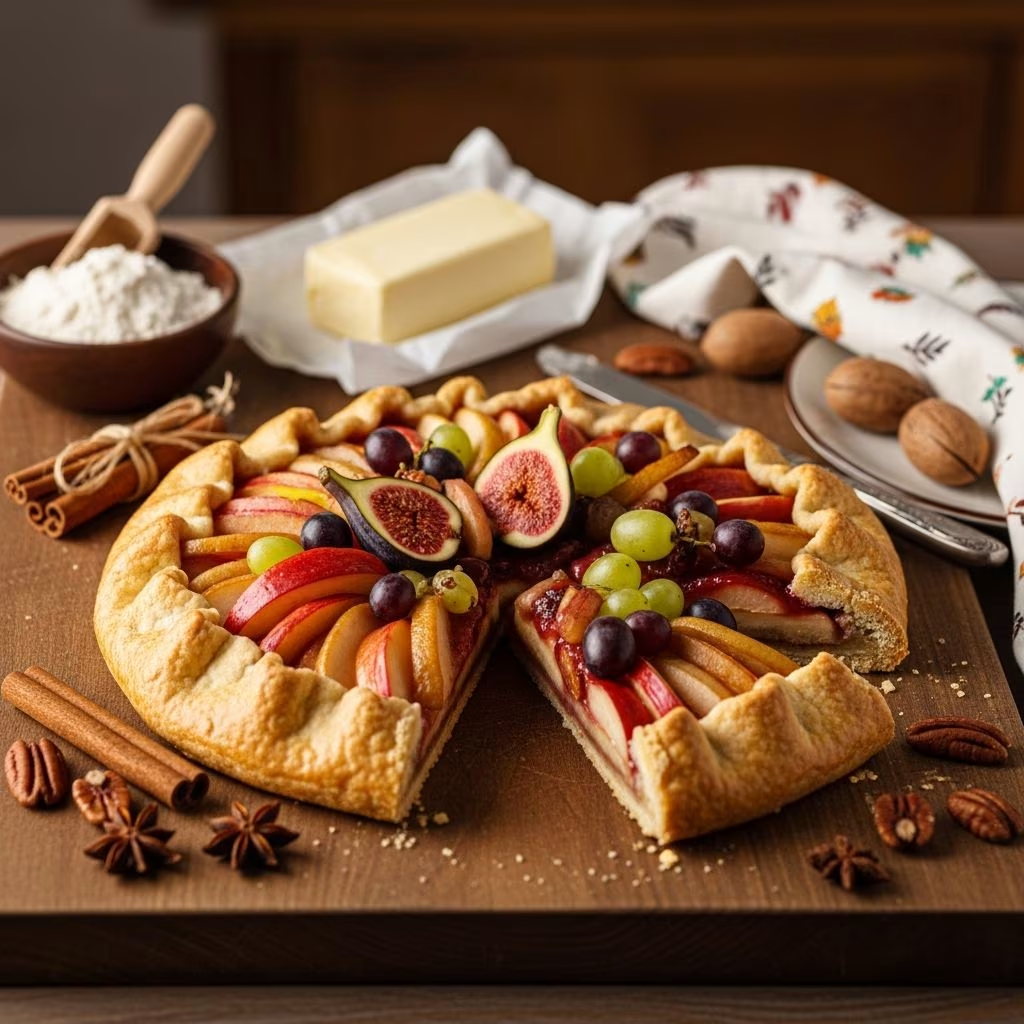
The rustic tart format distinguishes itself from traditional formal desserts through its deliberately informal presentation. Rather than requiring precision cuts or elaborate decorative elements, this style embraces the natural beauty of casually arranged fruit and unfussy pastry folds. The charm of this dessert emerges from its apparent simplicity—what might seem hastily assembled actually represents intentional design choices that prioritize authentic flavors and genuine appeal.
This approach reduces baking anxiety by eliminating the pressure for geometric perfection. The pastry edges fold naturally over the filling, creating a frame that guides fruit placement without demanding flawless uniformity. This forgiving structure makes rustic tarts particularly suitable for home bakers who may feel intimidated by more structured dessert formats.
Selecting and Preparing Premium Ingredients
The foundation of any exceptional rustic tart begins with ingredient selection. Autumn provides an ideal harvest window for sourcing ripe apples and pears that possess both textural integrity and optimal sweetness levels. Unlike fruit selected during off-seasons, autumn-harvested varieties offer complexity and natural sugar content that require minimal additional sweetening.
Key ingredient considerations include:
- Choosing firm apples that maintain their structure during baking rather than varieties prone to mushiness
- Selecting pears at peak ripeness when flesh yields slightly to gentle pressure but remains intact
- Using unsalted butter to maintain control over overall sodium content and flavor profile
- Selecting cream cheese that has been properly softened for smooth incorporation into dough
- Sourcing high-quality all-purpose flour that provides sufficient gluten development for structural support
Crafting the Ideal Pastry Foundation
The pastry crust serves as both structural support and flavor foundation for the entire composition. Creating an optimal texture requires understanding how butter, flour, and liquid interact during mixing and baking. The goal involves developing enough gluten to provide structural integrity while maintaining sufficient fat content to achieve flakiness and tenderness.
The combination of butter and cream cheese creates a particularly versatile dough with superior handling properties. While traditional all-butter crusts can become difficult to work with and prone to splitting, the cream cheese addition provides plasticity and reduces shrinkage during baking. This enhancement makes the dough more forgiving for home bakers while contributing subtle dairy notes that complement autumn spice flavors.
Proper dough preparation begins with beating softened butter and cream cheese together until the mixture achieves uniform smoothness and pale coloration. This step incorporates air while ensuring thorough blending of the two fats. Gradually adding flour prevents overdevelopment of gluten, which would create a tough rather than tender final product. Once the mixture forms a cohesive ball, refrigeration becomes essential—this resting period allows gluten strands to relax while fat solidifies, creating optimal conditions for rolling and shaping.
The Art of Fruit Preparation and Seasoning
Transforming raw fruit into a complementary filling requires more than simple chopping. Careful attention to slicing technique, spice selection, and flavor balancing transforms individual ingredients into a harmonious composition.
Slicing apples and pears to consistent thickness ensures even cooking throughout the filling. Thin slices allow flavors to meld while maintaining individual fruit identity, whereas thicker cuts may result in undercooked centers paired with overcooked exteriors. Peeling both fruits removes tougher skin that would create textural inconsistencies in the finished dessert.
The spice blend forms the aromatic backbone of the filling, combining warmth with subtle complexity. Ground cinnamon provides the foundational warmth associated with autumn baking, while nutmeg contributes earthiness and depth. These traditional accompaniments to stone and pome fruits enhance natural sweetness without overwhelming delicate fruit flavors. The addition of fresh-squeezed orange juice introduces acidity that brightens the overall flavor profile while physically tenderizing fruit tissues through enzymatic action.
Brown sugar dissolves more readily than white sugar when combined with acidic juice, creating a more cohesive coating over the fruit. Cornstarch serves a dual function—it absorbs excess moisture released during baking while preventing the filling from becoming soup-like. The starch thickens fruit juices into a light glaze that clings to each slice, creating visual appeal and structural integrity.
Assembly Techniques for Visual Impact
The assembly phase transforms individual components into a unified presentation. Proper technique at this stage determines whether the final product achieves its intended rustic elegance or appears genuinely haphazard.
Rolling the chilled dough on a lightly floured surface to approximately fourteen inches in diameter provides adequate material for containing the filling while allowing sufficient overhang for the characteristic folded edges. Transferring this delicate sheet to a baking surface requires care—lifting the dough slowly and supporting its weight prevents tears and maintains uniform thickness. A light dusting of flour beneath the dough prevents sticking during transfer.
Spoon-distributing the fruit mixture from center outward leaves the required two-inch pastry border uncovered. This border provides the material for the signature rustic fold. Rather than attempting to fold the entire edge simultaneously, working around the perimeter incrementally allows natural gathering of the pastry without creating overly thick, doughy sections. The folds will overlap unevenly—this characteristic imperfection embodies the rustic aesthetic.
Baking Parameters and Temperature Control
Achieving the ideal outcome requires understanding how oven temperature affects both crust and filling simultaneously. An oven preheated to 375 degrees Fahrenheit provides heat sufficient to develop golden browning on the pastry while cooking the fruit through without excessive caramelization or burning.
Baking duration typically extends from forty to forty-five minutes, though individual oven variations may require slight adjustments. Visual cues guide timing more reliably than clock watching—the crust should achieve rich golden coloration while the filling bubbles gently at the exposed edges where fruit meets pastry. Undercooked filling remains cloudy and firm, whereas properly cooked filling becomes translucent and flows slightly when the tart is moved.
If the crust browns too rapidly while the filling remains undercooked, lowering oven temperature by twenty-five degrees and extending baking time allows the filling to reach completion without excessive crust darkening. Conversely, if the filling cooks quickly while the crust remains pale, increasing temperature by fifteen degrees for the final minutes can accelerate browning.
The Finishing Glaze and Final Presentation
The concluding step elevates the tart from simply delicious to visually stunning. Warm apricot jam spread over the completed tart creates a glossy finish that catches light and intensifies color perception. The jam simultaneously seals the surface, preventing rapid moisture loss and maintaining pastry crispness through the serving period.
Applying the warm jam requires gentle even distribution across the entire surface, including exposed fruit areas. The residual heat from the freshly baked tart slightly softens the jam, allowing thin, even coverage. Patchy or thick application appears unfinished, whereas thorough glazing creates professional refinement.
Serving Strategies and Storage Considerations
The rustic autumn fruit tart achieves optimal flavor when served at room temperature, allowing the complex spice notes to fully develop. At this temperature, the pastry maintains appropriate texture—not so cold that it becomes rigid, nor so warm that it turns soggy. Serving intervals of one to two hours after removal from the oven represent the ideal window.
Complementary accompaniments enhance the eating experience without overwhelming the central flavors. Lightly whipped cream provides cooling contrast to warm spices, while vanilla ice cream offers textural variation. Some prefer serving the tart unadorned, allowing unadulterated appreciation of the interplay between flaky pastry and tender spiced fruit.
Storage extends the tart’s enjoyment across multiple days. Covered loosely at room temperature, the tart maintains acceptable quality for two days. Refrigeration extends this period to four days, though cold temperatures slightly firm the pastry texture. For longer storage, freezing at zero degrees Fahrenheit preserves quality for up to three months. Thawing overnight in the refrigerator before serving returns the tart to its intended texture and flavor profile.
Variations and Seasonal Adaptations
The foundational recipe accommodates numerous variations reflecting ingredient availability and personal preference. During peak summer seasons, stone fruits including peaches and plums substitute effectively for autumn’s apple and pear combination. The complementary spices remain consistent, though warming spice intensity might be reduced slightly to better balance lighter summer fruit flavors.
Berry variations introduce tartness and distinct flavor profiles. Mixing blueberries or raspberries with traditional autumn fruits creates complexity and visual interest through color variation. Adjusting sugar quantities downward when incorporating tart berries prevents excessive sweetness.
Textural additions including toasted nuts scattered before folding the pastry edges contribute crunch and richness. Finely chopped walnuts, pecans, or almonds complement the fruit and spice combination without requiring recipe modification.
Common Challenges and Solutions
| Challenge | Likely Cause | Solution |
|---|---|---|
| Soggy pastry base | Excess fruit moisture or inadequate cornstarch | Increase cornstarch by half-teaspoon or ensure fruit drains adequately |
| Tough, dense pastry | Excessive flour or overmixing dough | Measure flour by weight rather than volume; mix only until combined |
| Uncooked fruit center | Thick fruit slices or insufficient baking time | Slice fruit thinner; increase baking time by five-minute increments |
| Burned pastry edges | Oven temperature too high or excessive baking time | Lower temperature by twenty-five degrees; use foil to shield edges if needed |
| Filling flows outside pastry border | Insufficient liquid binding or pastry border too narrow | Increase cornstarch by one teaspoon; ensure adequate pastry overhang |
Frequently Asked Questions
Can I prepare the dough in advance?
Yes—dough maintains quality when refrigerated for up to two days or frozen for several months. This advance preparation allows convenient assembly on serving day without compromising quality.
What if I don’t have cream cheese available?
All-butter dough produces acceptable results, though the texture becomes less forgiving. Increase chilling time to two hours and handle the dough minimally during rolling to prevent excessive shrinkage.
How do I prevent the crust from shrinking excessively?
Adequate resting periods before and after rolling allow gluten to relax, reducing shrinkage. Minimal handling during assembly and immediate baking without additional resting also prevent excessive contraction.
Can individual tartlets be prepared instead of one large tart?
Yes—divide dough and fruit proportionally, reducing overall baking time to approximately twenty-five to thirty minutes depending on tartlet size.
Is this recipe suitable for dietary restrictions?
Gluten-free flour blends designed for pastry work produce acceptable results with minor texture modifications. Dairy-free butter substitutes require careful selection to ensure sufficient fat content for proper pastry development.
References
- King Arthur Baking Company Rustic Fruit Tarts Recipe — King Arthur Baking Company. 2024. https://www.kingarthurbaking.com/recipes/rustic-fruit-tarts-recipe
- Remington Avenue Rustic Autumn Fruit Tart Recipe — Remington Avenue. 2024. https://remingtonavenue.com/rustic-autumn-fruit-tart-recipe.html
- Delicious on a Dollar Rustic Autumn Fruit Tart — Delicious on a Dollar. 2012. https://deliciousonadollar.com/2012/10/22/rustic-autumn-fruit-tart/