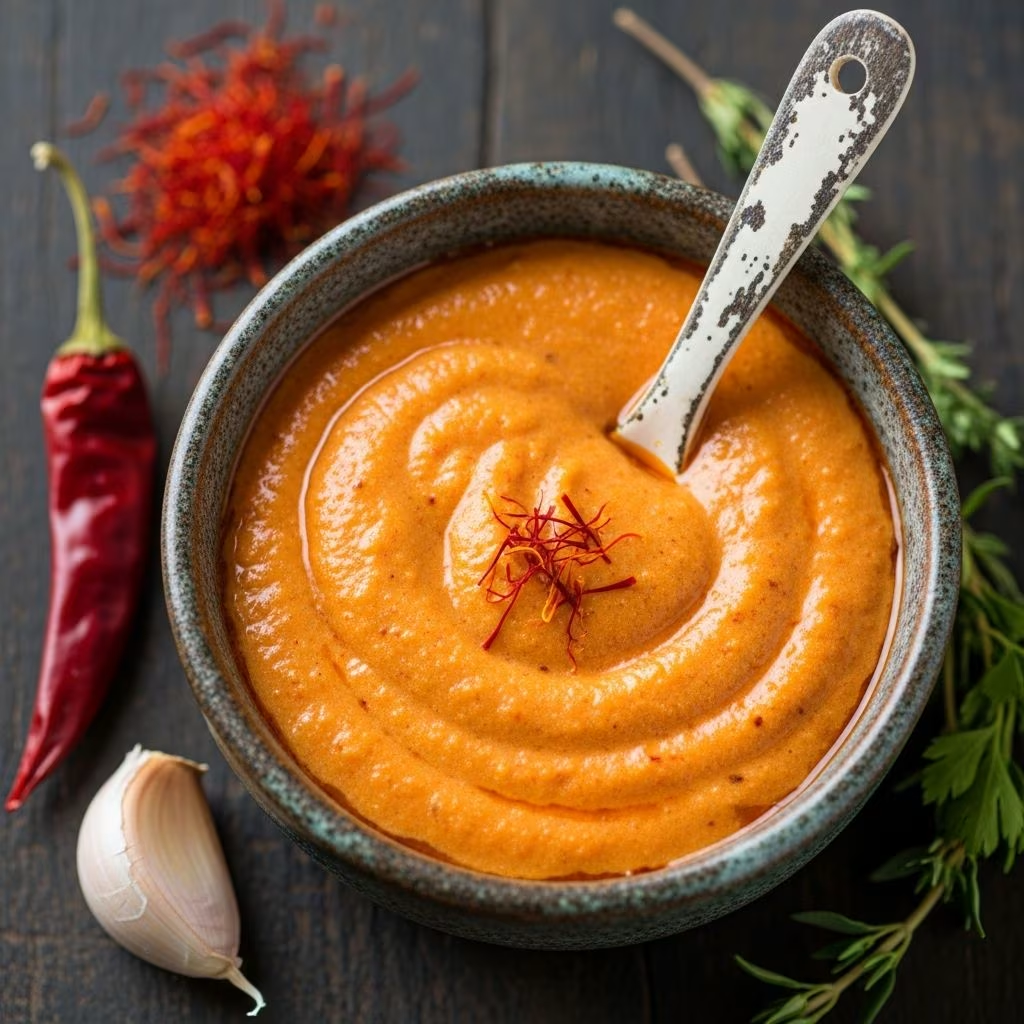
Among the most treasured condiments of French Mediterranean cuisine, rouille stands as a vibrant testament to the culinary traditions of Provence. This luxurious sauce, whose name derives from the French word for rust due to its distinctive reddish-brown hue, represents far more than a simple accompaniment to seafood. It embodies centuries of culinary refinement, blending aromatic garlic, precious saffron threads, fiery chili peppers, and silky olive oil into a harmonious emulsion that elevates any dish it graces.
Understanding Rouille: Origins and Cultural Significance
The historical emergence of rouille remains somewhat enigmatic, though culinary historians have traced its development alongside the evolution of bouillabaisse, the legendary Provençal fish stew. When bouillabaisse first appeared in published recipes during the late 18th century, rouille had already become its inseparable companion. This pairing suggests that the sauce coexisted with the stew for generations, likely developing organically within the maritime communities of Mediterranean France.
The sauce represents a sophisticated evolution of aioli, the traditional garlic-based emulsion found throughout southern France and Spain. While aioli relies primarily on garlic and olive oil, rouille incorporates additional layers of flavor through saffron’s earthy elegance and chili peppers’ bold heat, creating a more complex and nuanced condiment.
The Essential Components: What Makes Rouille Special
Creating authentic rouille requires understanding how each ingredient contributes to the final product’s character and texture. The interplay between these components determines whether your sauce achieves the desired creamy consistency and balanced flavor profile.
Saffron Threads: The Heart of the Sauce
Saffron represents the defining ingredient that distinguishes rouille from ordinary garlic mayonnaise. These delicate, precious threads impart a subtle earthy warmth and a distinctive golden-amber color that characterizes genuine rouille. The saffron’s distinctive flavor profile—simultaneously floral, slightly sweet, and vaguely metallic—provides the foundation upon which other flavors build.
Garlic: The Aromatic Foundation
Fresh garlic cloves form the aromatic backbone of this sauce. The intensity and pungency of garlic can vary significantly depending on freshness and variety, so most recipes recommend adjusting quantities to personal preference. Between two and five cloves typically suffices, though Mediterranean cooks sometimes err toward the generous side.
Chili Peppers and Spices: Building Heat and Color
Ground red chili pepper, Piment d’Espelette, or Cayenne pepper provide the characteristic heat that defines rouille’s personality. Paprika contributes additional warmth and visual appeal without necessarily increasing spiciness. These spices work synergistically to create the sauce’s signature russet coloration and peppery undertones.
Bread: The Emulsifier and Textural Element
French bread, typically the white interior portion of a baguette, serves a dual purpose in rouille preparation. When soaked in water or fish stock and incorporated into the sauce, bread acts as a natural emulsifier, helping to stabilize the oil and other liquid components. Additionally, bread contributes subtle flavor undertones and influences the sauce’s final texture.
Egg Yolks: The Traditional Binder
Egg yolks provide the primary emulsifying agent, similar to mayonnaise. Their lecithin content enables the binding of oil and aqueous ingredients into a stable, creamy suspension. Some modern recipes substitute mayonnaise as a shortcut, though traditional preparations always begin with raw egg yolks.
Olive Oil: The Luxurious Base
High-quality olive oil forms the foundation of rouille’s rich, silky texture. Between one-half and three-quarters cup of oil is typically required, depending on the specific recipe and desired consistency. The oil’s flavor profile subtly influences the finished sauce.
Methodology: Two Approaches to Preparation
Traditional cooks employ two distinct methods for creating rouille, each producing slightly different textural results while maintaining the sauce’s essential characteristics.
The Modern Approach: Using an Immersion or Food Processor
Contemporary preparation typically leverages electrical appliances to streamline the emulsification process. This method involves combining all solid ingredients—soaked bread, egg yolks, minced garlic, mustard, saffron-infused liquid, and spices—into a blender or food processor. Once these components achieve a smooth paste consistency, olive oil is introduced gradually while the machine operates. Beginning with mere teaspoons of oil, the mixture slowly transforms into a creamy sauce as additional oil gets incorporated. Once the emulsion stabilizes and thickens noticeably, oil can be added in a thin, continuous stream.
The Traditional Hand Method: Whisking and Patience
Artisanal preparation demands greater effort but often yields a more rustic, textured result. This approach begins by crushing garlic cloves and salt together in a mortar, creating a fragrant paste. The soaked bread then gets added and mashed together with the garlic. Once this foundation develops sufficient texture, egg yolks are incorporated and whisked thoroughly until the mixture becomes uniform and pale. Only then does oil get introduced, initially one teaspoon at a time, with vigorous whisking between each addition. This cautious approach prevents the sauce from breaking while building a stable emulsion.
Critical Success Factors: Achieving Ideal Results
Temperature Considerations
Room temperature ingredients prove essential for successful emulsification. Cold eggs and oil resist bonding, resulting in a broken, separated sauce. Remove all ingredients from refrigeration at least 30 minutes before preparation, allowing them to warm to ambient temperature.
The Slow Oil Introduction
This represents the most crucial step in rouille preparation. Hastily adding oil overwhelms the emulsifier’s capacity to incorporate it, causing the sauce to break and separate. Begin with minuscule quantities—literally two teaspoons of oil at a time—and blend or whisk thoroughly before adding more. Once the emulsion visibly thickens and stabilizes, oil can be introduced more rapidly in a thin stream, though never in a heavy pour.
Bread Moisture Management
While bread provides essential moisture for achieving the proper consistency, excess liquid sabotages thickening. After soaking bread in water or fish stock, squeeze out surplus moisture before adding it to your sauce. The retained moisture contributes creaminess without preventing proper emulsification.
Saffron Preparation
To maximize saffron’s flavor release, steep threads in a small quantity of lemon juice for several minutes before incorporating them into the sauce. This brief infusion allows the saffron to hydrate and surrender its flavor compounds, distributing them more effectively throughout the final product.
Troubleshooting Common Preparation Challenges
The Broken Sauce: Causes and Solutions
When rouille separates or fails to thicken despite correct ingredient ratios, the emulsion has typically broken. This most commonly results from adding oil too quickly or using cold ingredients. To salvage a broken sauce, begin again with a fresh egg yolk in a clean bowl. Slowly add the broken sauce to the fresh egg, whisking constantly, as though making mayonnaise. This often restabilizes the emulsion.
Excessive Separation
If your rouille shows signs of separation after preparation or storage, add small quantities of fish broth and whisk vigorously. The liquid helps re-emulsify the separated components, restoring smoothness.
Insufficient Flavor
Rouille’s assertive flavor profile allows for personal adjustment. Taste before serving and incorporate additional garlic, spices, or saffron as desired. The sauce benefits from standing in refrigeration for at least 30 minutes, allowing flavors to meld and develop.
Storage and Shelf Life Considerations
Properly prepared rouille maintains quality in the refrigerator for up to one week when stored in an airtight container. The raw egg yolk content means rouille should never be left at room temperature for extended periods. Always refrigerate immediately after preparation and discard any sauce showing signs of spoilage or separation that cannot be remedied through whisking additional broth into the mixture.
Culinary Applications Beyond Bouillabaisse
While rouille’s traditional association with bouillabaisse remains paramount, this versatile sauce complements numerous dishes. Spread rouille on toasted baguette slices as an elegant appetizer, incorporate it into seafood pasta sauces, use it as a dipping condiment for fresh vegetables and crackers, or dollop it atop grilled fish. The sauce’s vibrant color and complex flavor enhance any Mediterranean-inspired preparation.
Ingredient Variations and Regional Adaptations
Some contemporary recipes substitute roasted red peppers for traditional bread, creating a smoother, more visually striking sauce. Others incorporate boiled potatoes instead of bread, adding subtle starchiness that aids emulsification. These variations, while departing from the most traditional preparations, still capture rouille’s essential character and flavor profile.
Frequently Asked Questions
Can I make rouille without eggs?
Traditional rouille relies on egg yolks for emulsification. However, using mayonnaise as a starting point provides eggs plus emulsifiers, allowing you to simply blend mayo with garlic, saffron, and spices for a simplified version, though it won’t possess the same depth of flavor.
What if I cannot find saffron threads?
Saffron represents a significant ingredient cost, and quality saffron commands premium prices. In absolute necessity, small quantities of turmeric provide color and slight flavor, though this substitution cannot replicate saffron’s distinctive character. Alternatively, omit saffron and accept a modified sauce lacking its authentic personality.
How does rouille differ from aioli?
Aioli focuses primarily on garlic and olive oil, creating a simpler, more intensely garlic-forward sauce. Rouille adds bread, saffron, chili peppers, and sometimes eggs, resulting in a more complex, subtly spiced condiment with greater textural richness.
Can rouille be frozen?
Freezing is generally not recommended due to the egg yolk content and the emulsion’s sensitivity to temperature fluctuation. Frozen rouille typically separates upon thawing, rendering it unsuitable for serving.
References
- French Rouille Sauce – Recipe — La Cuisine de Géraldine. Accessed 2026. https://lacuisinedegeraldine.fr/en/french-rouille-sauce
- The Hirshon French Provençal Spicy Saffron Garlic Mayonnaise Sauce – Rouille — The Food Dictator. Accessed 2026. https://www.thefooddictator.com/the-hirshon-french-provencal-spicy-saffron-garlic-mayonnaise-sauce-rouille/
- Rouille Recipe: Mediterranean Sauce with Red Peppers & Saffron — Chef Healthy Henry. Accessed 2026. https://chefhealthyhenry.com/recipes/mediterranean-sauce-with-red-peppers-saffron
- Rouille Sauce Recipe with Olive Oil for Seafood Dishes — Kyoord. Accessed 2026. https://kyoord.com/blogs/olive-oil-recipes/limors-perfect-rouille-sauce