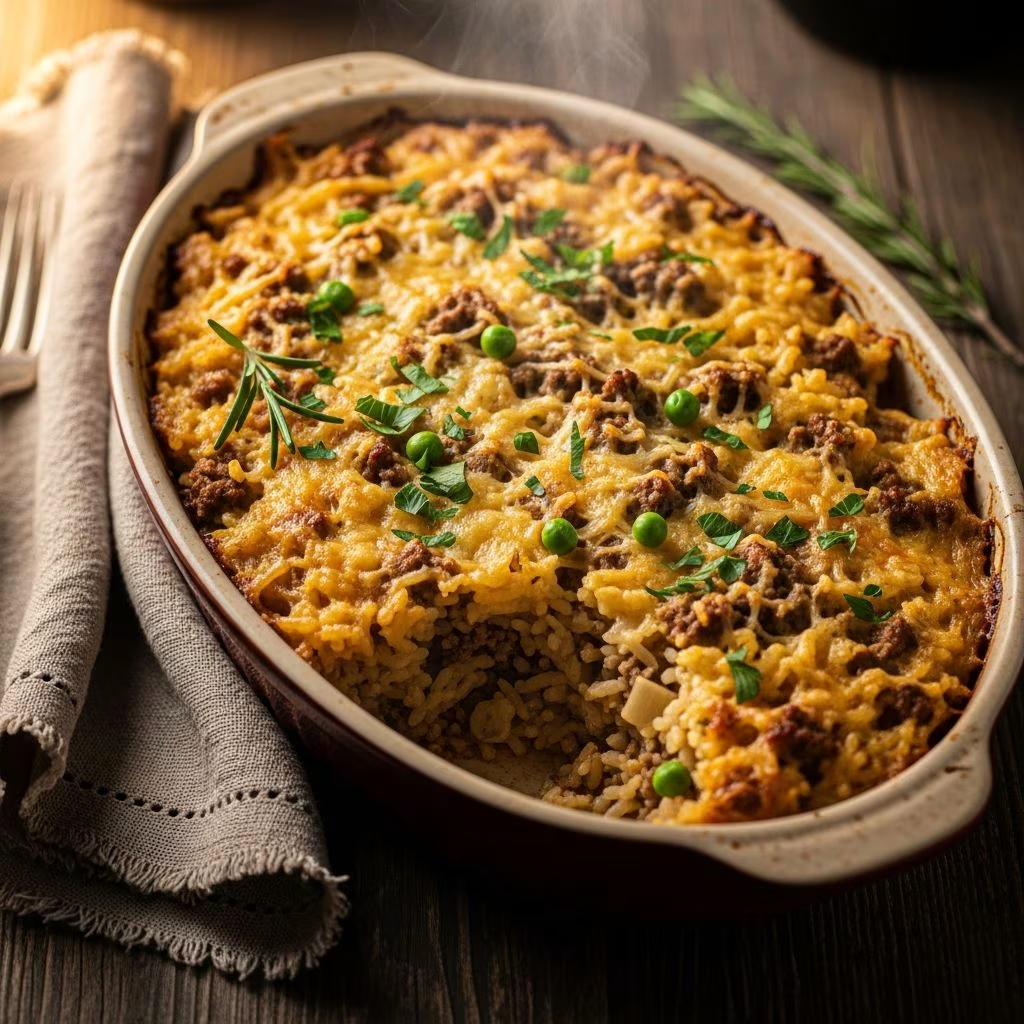
Ross fil-forn stands as one of Malta’s most beloved comfort foods, representing generations of island culinary tradition passed down through families and home kitchens. This rustic baked rice dish combines humble ingredients—ground meat, tomato sauce, eggs, and cheese—transformed through baking into a cohesive, satisfying meal that has graced Maltese dinner tables for decades. The name itself reflects the dish’s preparation method, with “ross” meaning rice and “fil-forn” referring to the oven, emphasizing this one-pan wonder’s straightforward yet rewarding cooking process.
Understanding the Culinary Heritage
The origins of ross fil-forn trace back through Malta’s rich multicultural history, influenced by centuries of Mediterranean trade and settlement patterns. The North African spice profile, particularly the use of curry powder, distinguishes this dish from typical European baked rice preparations, reflecting Malta’s geographical proximity and historical connections to North African cuisine. During the mid-twentieth century, this dish emerged as an economical solution for feeding families, utilizing affordable cuts of meat and pantry staples while delivering maximum flavor and substance. Today, it remains a staple for family gatherings, weekend dinners, and celebrations across the Maltese islands.
Essential Ingredients and Their Roles
Creating an authentic ross fil-forn begins with understanding each ingredient’s contribution to the final dish. The foundation starts with long-grain or wholegrain rice, which provides structure and absorbs the surrounding flavors while maintaining individual grain definition. Ground meat—traditionally pork, beef, or a combination—contributes richness and protein, creating a substantial base that transforms simple rice into a complete meal.
The flavor profile develops through a carefully balanced combination of aromatics and seasonings. Onions and garlic, when sautéed until golden, create an aromatic foundation that builds depth. Tomato sauce and tomato paste (kunserva in Maltese) provide acidity and umami complexity, while a distinctive blend of spices including curry powder, cumin, paprika, oregano, thyme, and rosemary creates the characteristic Maltese flavor signature. Bay leaves add subtle herbal notes throughout the cooking process.
Eggs serve a dual purpose in this dish—they bind ingredients together while cooking, creating a unified texture that holds the casserole intact when served. The milk mixed with eggs creates a custard-like layer that distributes throughout the dish. Grated cheese, typically Parmesan or kefalotiri, adds sharpness and encourages browning on the surface, while frozen or canned peas introduce sweetness and textural contrast.
Preparation Techniques for Optimal Results
Building the Meat and Sauce Foundation
Begin your ross fil-forn journey by heating olive oil in a medium saucepan over medium heat. Add diced onion and minced garlic, stirring frequently until the mixture becomes translucent and releases its aromatic compounds, typically requiring about three to five minutes. This aromatic base prevents raw onion flavors from dominating the finished dish.
Introduce the ground meat gradually, breaking it into small pieces as it browns. Allow it to cook thoroughly, ensuring no pink remains and any rendered fat has been mostly cooked off. At this point, many cooks prefer to drain excess fat, though some retain a small amount for flavor contribution. Add the tomato paste, stirring continuously for one to two minutes to caramelize it slightly and deepen its flavor profile.
Pour in your tomato sauce (passata or crushed tomatoes work equally well) and add the full complement of seasonings: curry powder, cumin, paprika, oregano, thyme, rosemary, and bay leaves. Some variations include a pinch of chili pepper for heat, while others remain mild and family-friendly. Reduce heat to low and allow the sauce to simmer gently for twenty to thirty minutes, which permits flavors to meld and develop complexity. The sauce should reduce slightly, concentrating its flavors rather than remaining thin and watery.
Preparing the Rice Component
While your sauce simmers, prepare the rice for its initial cooking stage. Rinse long-grain rice under cold running water, stirring gently with your fingers until the water runs clear. This removes excess starch that could create an overly sticky final texture. Some cooks skip this step when they specifically desire a stickier consistency, but traditional preparation includes thorough rinsing.
Bring a large pot of water to a rolling boil approximately thirty minutes before assembly. Season the boiling water generously with salt. Add the rinsed rice and maintain a gentle boil, cooking for only five to seven minutes—substantially less than the rice package instructions. The rice at this stage should remain partially firm with a slight resistance when bitten. This parboiling technique prevents the rice from becoming mushy when subsequently baked.
Assembly and Baking Process
Preheat your oven to 180°C (350°F) or Gas Mark 4, allowing it to reach proper temperature before assembly begins. Butter a three-liter glass or ceramic baking dish thoroughly, coating all interior surfaces to prevent sticking. Some cooks prefer not to grease the dish, relying on the egg mixture to prevent adhesion.
Drain the partially cooked rice completely, removing excess water. In your prepared baking dish, combine the drained rice with the finished meat and tomato sauce, along with the peas. Mix thoroughly to ensure even distribution of sauce throughout the rice, preventing dry pockets from forming during baking.
In a separate bowl, beat raw eggs together with milk and approximately half of your grated cheese. Pour this mixture over the rice and sauce combination, then stir vigorously using a fork to incorporate the egg custard throughout. The eggs distribute into the rice crevices, where they will set during baking and create structural integrity. Spread the remaining grated cheese evenly across the surface and grind fresh black pepper generously over the top.
Place the dish on the middle oven rack and bake for approximately forty-five minutes. During the final ten minutes, some cooks move the dish to a higher rack position to encourage crisping and browning of the cheese topping, though this step remains optional. The dish is ready when the cheese has melted, the top shows light golden coloring, and any visible egg mixture has set firm.
Upon removal from the oven, allow the ross fil-forn to rest undisturbed for at least ten minutes before serving. This resting period permits the eggs to continue setting and the dish to firm up sufficiently to hold shape when portioned. Attempting to serve too quickly often results in crumbly, poorly-defined portions.
Serving Suggestions and Accompaniments
Ross fil-forn traditionally appears as a main course requiring minimal additional components. A simple green salad with basic vinaigrette provides refreshing contrast to the rich, savory casserole. Steamed vegetables such as broccoli or carrots add nutritional balance and visual variety to the plate. Some families serve it with crusty bread for soaking up any remaining sauce.
The dish serves well for family-style dining, where diners scoop individual portions directly from the baking dish at the table, creating an informal, communal atmosphere. Alternatively, portions can be cut into neat squares for plated presentation at more formal occasions. Room-temperature or slightly warmed portions work equally well, making ross fil-forn suitable for potlucks, picnics, or next-day consumption.
Creative Variations and Dietary Adaptations
While traditional recipes remain deeply valued, modern interpretations accommodate various dietary preferences and ingredient availability. Vegetarian versions substitute plant-based mince for meat entirely, maintaining the dish’s essential character while aligning with dietary choices. Some vegetarian adaptations include red lentils in the sauce, providing protein and textural substance similar to traditional meat versions.
Vegan adaptations replace eggs with aquafaba (the liquid from canned chickpeas), which binds ingredients similarly when whipped, and substitute dairy cheese with nutritional yeast or plant-based cheese alternatives. Brown rice or wholegrain varieties replace white rice for increased fiber and nutritional density, though cooking times may require adjustment to ensure proper absorption of liquid.
Those watching calorie intake find ross fil-forn readily adaptable through simple modifications. Using lean ground meat, reducing overall cheese quantity, or incorporating additional vegetables into the sauce foundation all reduce overall energy density while maintaining satisfaction and flavor. Some cooks supplement with additional mushrooms or zucchini, increasing volume and nutrition without proportionally increasing calories.
Troubleshooting Common Issues
Dry, crumbly texture typically results from insufficient egg mixture or excessive baking time. Ensure eggs and milk are thoroughly distributed throughout the mixture and monitor the dish during final baking stages to prevent over-drying. Conversely, mushy texture occurs when too much liquid remains after the rice cooking stage. Drain the parboiled rice thoroughly and consider reducing the total water added during assembly.
If the top browns excessively before the interior cooks through, tent the dish loosely with aluminum foil during the initial baking period, removing it during the final ten to fifteen minutes to permit browning. If the cheese topping fails to achieve browning, ensure the oven actually reached proper temperature and consider using a dish material that conducts heat effectively.
Storage and Reheating Guidance
Properly stored ross fil-forn maintains quality for three to four days in the refrigerator when covered tightly with plastic wrap or stored in an airtight container. The dish actually benefits from a day of rest in cool storage, as flavors continue melding and developing. Reheat individual portions in the microwave until warmed through, or reheat the entire dish covered in a 160°C oven for approximately twenty minutes, adding a tablespoon of water to prevent excessive drying.
Ross fil-forn freezes successfully for up to three months. Cool completely before transferring to freezer-safe containers or wrapping tightly with plastic wrap and aluminum foil. Thaw overnight in refrigerator before reheating using methods described above. Freezing may slightly alter the texture, making it slightly more crumbly upon thawing, though the dish remains delicious and satisfying.
Frequently Asked Questions
Can I prepare ross fil-forn in advance?
Yes, ross fil-forn assembles completely several hours ahead of baking. Prepare through the assembly and egg mixture stages, then cover tightly and refrigerate until ready to bake. Add approximately ten to fifteen minutes to the baking time if baking from refrigerated temperature.
What type of rice works best for this dish?
Long-grain white rice remains traditional and widely used, providing distinct grains and moderate stickiness. Wholegrain or brown rice work well for nuttier flavor and increased nutrition, though they require slightly longer parboiling and may result in a firmer texture.
Is it essential to use fresh eggs, or can I use egg substitutes?
Fresh eggs provide optimal binding and custard texture. For vegan preparations, aquafaba (chickpea liquid) whipped to soft peaks replicates the binding function reasonably well, though the final texture differs slightly.
What cheese alternatives work if I don’t have Parmesan?
Kefalotiri cheese (traditional in Mediterranean cuisines) provides similar sharpness and browning capabilities. Pecorino Romano, aged cheddar, or Gruyère all work acceptably, each contributing slightly different flavor profiles.
References
- Traditional Maltese Cuisine: Cultural Heritage and Food History — Malta National Tourism Authority. 2024. https://www.visitmalta.com/
- Mediterranean Cooking Techniques and Regional Spice Profiles — Slow Food International. 2023. https://www.slowfoodfoundation.com/
- Rice Preparation Methods in European Home Cooking — Oxford University Press. Food & Culture Studies. 2024. https://global.oup.com/
- Egg-Based Binding in Casserole Dishes: Culinary Science — Institute of Food Technologists. 2023. https://www.ift.org/