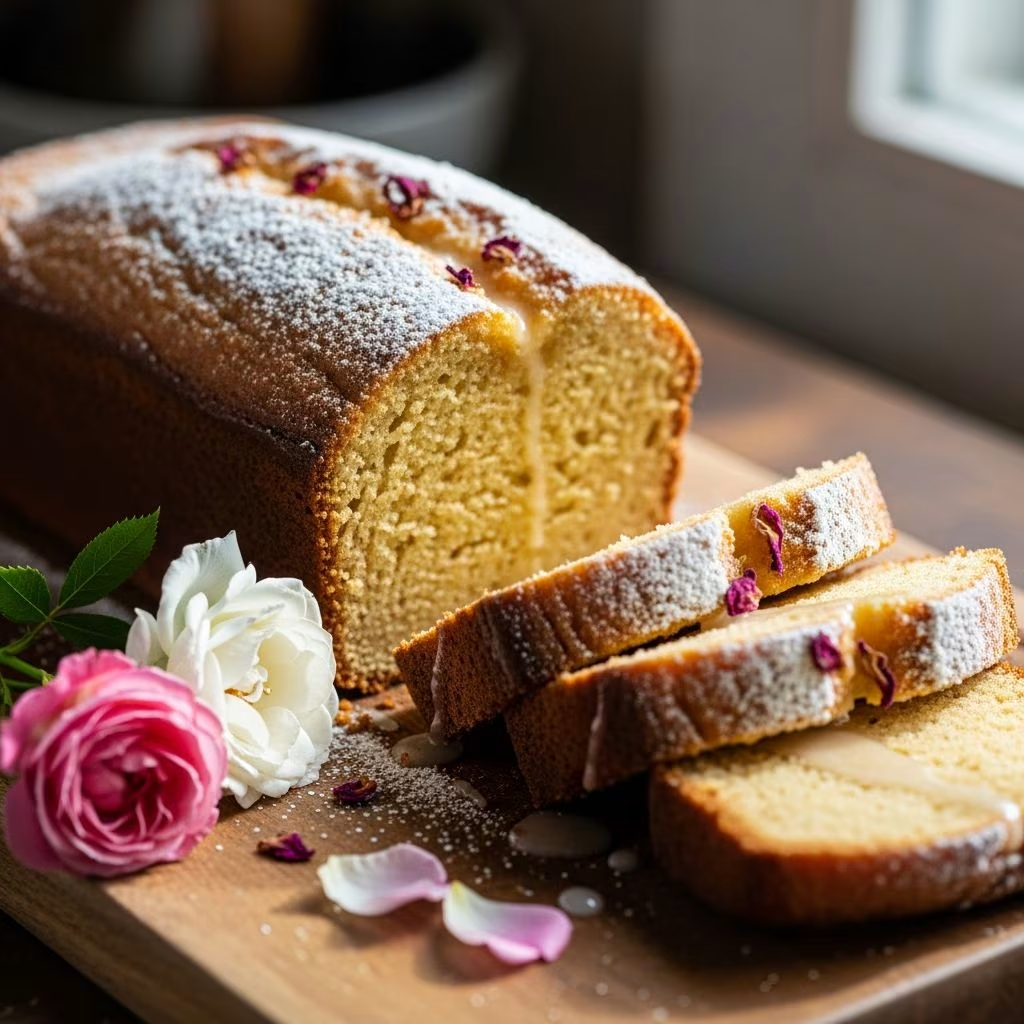
Indulge in the subtle elegance of a **rose pound cake**, a dessert that marries the dense, buttery richness of classic pound cake with the delicate aroma of rose. This treat draws inspiration from Danish sandkage traditions, elevated with floral essences for a sophisticated twist suitable for afternoon teas, brunches, or special gatherings.
Understanding the Foundations of Pound Cake
Pound cakes originated as simple recipes using equal measures of flour, sugar, butter, and eggs, creating a sturdy yet tender crumb. Modern variations, like those infused with rose, maintain this balance while introducing complementary flavors such as almond or pistachio. The key to success lies in high-quality ingredients and precise technique to ensure even rising and moisture retention.
- Butter: Provides structure and flavor; soften to room temperature for optimal creaming.
- Sugar: Adds sweetness and tenderness; granulated or caster works best.
- Eggs: Bind the batter; use room-temperature eggs for better incorporation.
- Flour: All-purpose or cake flour for lightness; almond meal adds nutty depth.
In Scandinavian baking, sandkage emphasizes a sandy texture from ground nuts and careful folding, preventing toughness.
Essential Ingredients for Rose Pound Cake
Building a **rose-infused pound cake** requires thoughtful selection. Core components include 250g softened butter, 250g sugar, 4 eggs, 150g flour, 200g almond meal, baking powder, and milk. The rose element comes from rose jelly, jam, water, or petals, imparting a natural perfume without overpowering the cake.
| Ingredient | Quantity | Role |
|---|---|---|
| Butter | 250g | Richness and tenderness |
| Almond Meal | 200g | Moisture and subtle nuttiness |
| Rose Jelly/Jam | 6 tbsp (icing) or 1 tbsp (batter) | Floral flavor infusion |
| Icing Sugar | 200g | Smooth, glossy topping |
For variations, incorporate pistachios for a Middle Eastern flair or create marbled effects with food coloring. Edible, unsprayed rose petals serve as a garnish, enhancing visual appeal and aroma.
Step-by-Step Baking Guide
Preheat your oven to 180°C (350°F) and prepare a 1.5L loaf tin by greasing and lining it. Cream butter and sugar until pale and fluffy, about 5 minutes. Add eggs one at a time, beating thoroughly to emulsify.
- Sift flour, baking powder, and fold in almond meal.
- Gently incorporate dry ingredients into the wet mixture, followed by milk for hydration.
- Pour into the tin and bake for 50-60 minutes, until a skewer tests clean.
- Cool in tin for 10 minutes, then transfer to a rack.
For the icing, blend rose jelly with icing sugar, adding water or milk for pourable consistency. Tint with pink food coloring if desired, then drizzle over the cooled cake. Garnish with petals for an authentic touch.
Creative Variations to Elevate Your Bake
Transform the basic recipe into something extraordinary. For a **marbled rose pound cake**, divide batter, tint portions pink, and layer alternately for a swirled interior. Soak the baked cake in rosewater-sugar syrup for intensified fragrance and moisture.
A pistachio-rose version combines 3 cups flour, 1 cup butter, 2 cups sugar, 6 eggs, buttermilk, pistachio extract, and chopped nuts. Bake in a bundt tin at 325°F for 90 minutes, then glaze with rosewater icing. Traditional Danish sandkage uses separated eggs, folding stiff whites for an airy crumb.
- Marbled Effect: Pipe light and dark pink batters for visual intrigue.
- Pistachio Twist: Add extract and nuts for nutty contrast.
- Syrup Soak: Boost moisture post-baking.
Mastering Texture and Flavor Balance
Achieving the perfect crumb involves avoiding overmixing, which develops gluten and toughens the cake. Room-temperature ingredients ensure even blending. Rose flavor can vary; use pure rose water (not extract) for authenticity, starting with small amounts to prevent bitterness.
Almond meal prevents dryness, absorbing moisture while contributing tenderness. Test doneness early to avoid overbaking, which dries the edges. Store wrapped at room temperature for up to 3 days; the flavors deepen over time.
Troubleshooting Common Issues
Bakers often encounter challenges; here’s how to overcome them:
| Problem | Cause | Solution |
|---|---|---|
| Sunken center | Oven too hot or underbaked | Lower temp, bake longer; check with skewer |
| Dry texture | Overbaked or low fat | Accurate timing; add syrup soak |
| Weak rose flavor | Low-quality extract | Use rose jam or water; taste batter | Cracked top | Rapid rise | Even oven heat; tent with foil |
Humidity affects icing; add more sugar if runny. For high-altitude baking, reduce baking powder slightly.
Pairing and Serving Suggestions
Serve **rose pound cake** sliced thick with whipped cream and fresh berries for contrast. Pair with Earl Grey tea, whose bergamot complements rose notes. For events, arrange on a tiered stand with candles mimicking rosebuds.
It’s versatile: crumble for trifles, toast slices for French toast, or layer in cakes. In summer, freeze slices for iced treats.
Health-Conscious Adaptations
Substitute half the butter with Greek yogurt for lightness. Use almond flour fully for gluten-free. Sweeten with coconut sugar. These maintain structure while reducing calories.
Historical Roots of Sandkage and Rose Baking
Danish sandkage, or ‘sand cake,’ evokes a fine, sandy texture from nuts, dating to simple farmhouse bakes. Rose in baking spans Persian and Ottoman traditions, now globalized in fusion desserts.
FAQ
Q: Can I make this vegan?
A: Yes, use plant-based butter, aquafaba for eggs, and almond milk. Adjust rose syrup for sweetness.
Q: How long does it keep?
A: Up to 5 days at room temp, 2 weeks frozen.
Q: What’s rose jelly?
A: A preserve of rose petals and sugar; substitute with jam thinned with water.
Q: Dairy-free option?
A: Coconut oil works, but flavor shifts slightly.
Q: Mini loaves?
A: Bake 40-45 minutes; yield 4-6.
Advanced Techniques for Pros
Experiment with browned butter for nuttiness or infuse batter with steeped rose petals. Use a water bath for even baking in bundt pans. For competition-level presentation, lattice petals atop icing.
References
- A Rose Pound Cake – Kulinary Adventures of Kath — Kath. 2015-07-13. https://www.kulinaryadventuresofkath.com/theblog/2015/7/13/a-rose-pound-cake
- Rose Pound Cake – Nana Pastries — Nana Pastries. N/A. https://nanapastries.com/rose-pound-cake/
- Pistachio Rose Water Pound Cake | The Elegant Economist — The Elegant Economist. N/A. https://theeleganteconomist.com/?p=36
- A Simple Danish Sand Cake – Sandkage – One Perfect Bite — One Perfect Bite. 2014-04. http://oneperfectbite.blogspot.com/2014/04/a-simple-danish-sand-cake-sandkage.html