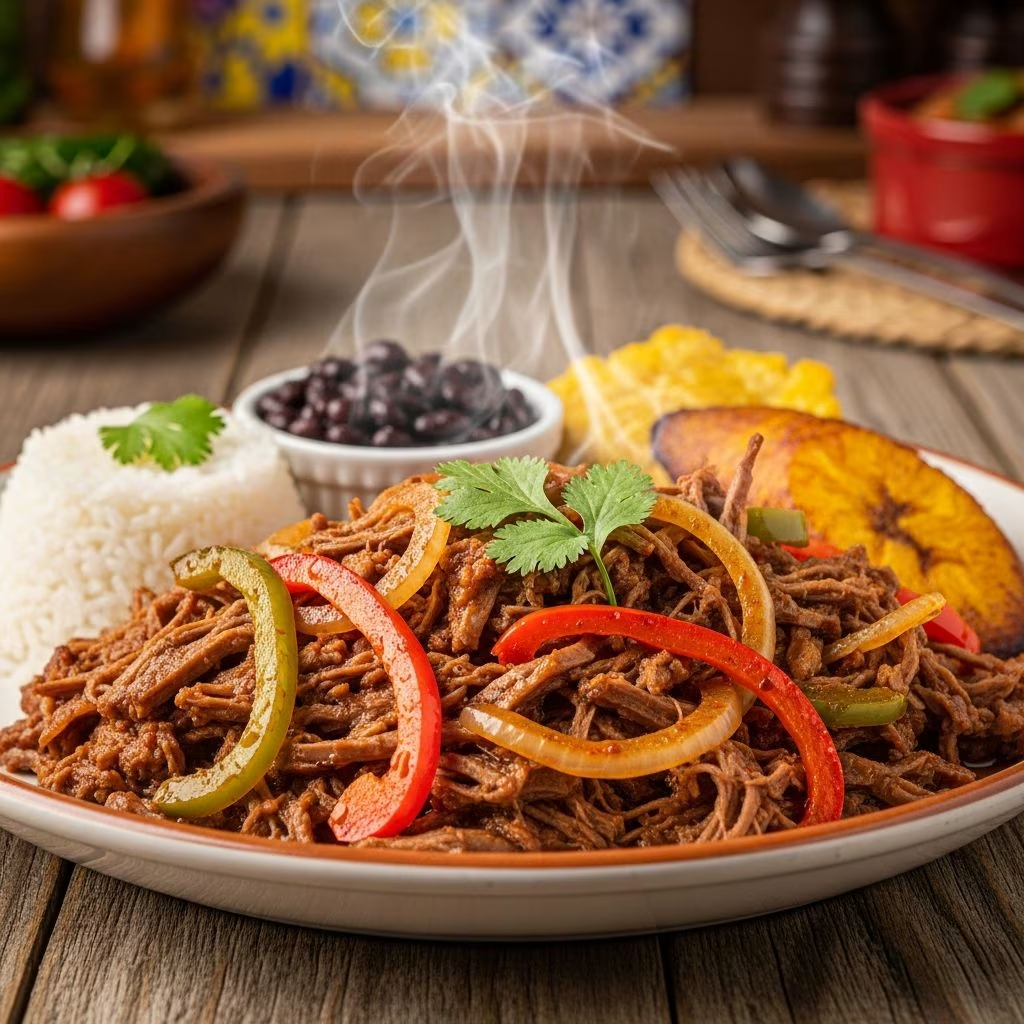
Ropa Vieja stands as one of the most cherished dishes in Cuban culinary tradition, translating literally to “old clothes” due to its shredded beef resembling tattered rags. This hearty stew combines tender beef with a medley of aromatic vegetables, bold spices, and a rich tomato-based sauce, creating a symphony of flavors that has endured for centuries. Originating from Spanish roots and adapted by Cuban cooks, it embodies the island’s vibrant food heritage, perfect for family meals or festive gatherings.
The Fascinating Origins and Cultural Journey of Ropa Vieja
The story of Ropa Vieja traces back to medieval Spain, particularly among Sephardic Jews, where it evolved as a resourceful way to transform leftover stews into something new. Dishes like puchero or cocida—garbanzo-based preparations—were shredded and reheated with spices, stretching modest portions into satisfying meals. When Spanish settlers brought these techniques to Cuba, local ingredients and influences fused to birth the modern version we know today.
In Cuba, Ropa Vieja became a staple, reflecting the island’s multicultural tapestry. African, Caribbean, and indigenous elements enriched the sofrito base—onions, garlic, peppers, and tomatoes sautéed to perfection. By the 19th century, it solidified as a national dish, often served at celebrations. Variations spread across Latin America, with Mexico incorporating potatoes and jalapeños, showcasing regional adaptations while honoring the core concept of slow-braised, pull-apart beef.
Today, Ropa Vieja symbolizes comfort and resilience, evoking memories of home for Cuban diaspora communities worldwide. Its preparation methods, from stovetop simmering to modern pressure cookers, keep the tradition alive for new generations.
Essential Ingredients for Authentic Ropa Vieja
At its heart, Ropa Vieja relies on high-quality beef and a harmonious blend of pantry staples. The choice of cut is crucial for achieving that signature tenderness.
- Beef Selection: Flank steak, skirt steak, chuck roast, or brisket—cuts with long fibers that shred beautifully after braising. Chuck offers richer flavor due to marbling, while flank provides leaner strands.
- Sofrito Base: Yellow onions, green bell peppers, garlic, and tomatoes or tomato sauce form the aromatic foundation. Red pimientos or roasted peppers add smokiness.
- Spices and Seasonings: Cumin, oregano, bay leaves, smoked paprika, and allspice infuse earthy warmth. Salt, pepper, and a splash of dry white wine or vino seco brighten the profile.
- Add-Ins for Depth: Green olives, capers, and pimientos provide briny pops; carrots and celery aid initial braising.
These elements create a sauce that clings to the beef, balancing acidity, sweetness, and savoriness.
Step-by-Step Guide to Traditional Stovetop Ropa Vieja
Preparing Ropa Vieja demands patience, but the results are profoundly rewarding. This classic method yields about 6-8 servings and takes around 4 hours.
- Prepare the Beef: Season 2-3 lbs of beef with salt and pepper. In a Dutch oven, sear in hot olive oil over high heat until deeply browned on all sides. Remove and set aside.
- Build the Sofrito: In the same pot, sauté sliced onions, bell peppers (green, red, yellow for color), and garlic until caramelized, about 15-20 minutes. Stir in spices: 2 tsp cumin, 2 tsp oregano, paprikas, allspice, and cloves.
- Deglaze and Simmer: Pour in ½ cup dry white wine, scraping browned bits. Add crushed tomatoes, tomato paste, chicken broth, bay leaves, carrot, and celery. Return beef, cover, and braise on low for 3-4 hours until fork-tender.
- Shred and Finish: Discard aromatics, shred beef, and mix back into the sauce with olives, roasted peppers, capers, pimientos, and parsley. Simmer uncovered 30 minutes to thicken.
Taste and adjust seasoning. The sauce should be robust yet not overpowering.
Modern Twists: Instant Pot and Slow Cooker Methods
For busy cooks, appliances streamline the process without sacrificing flavor.
| Method | Time | Key Steps | Pros |
|---|---|---|---|
| Instant Pot | 1.5 hours total | Sear on sauté, pressure cook 45-60 min, natural release, shred, and sauce reduce. | Hands-off, tender results fast. |
| Slow Cooker | 8 hours | Brown beef first, layer veggies/spices/sauce, low setting all day. | Convenient for meal prep. |
These adaptations maintain authenticity while fitting contemporary lifestyles.
Regional Variations Across Latin America
While Cuban Ropa Vieja reigns supreme, Latin America offers delightful spins:
- Mexican Version: Features skirt steak, potatoes, jalapeños, and oregano in a brothy stew, served soupy or over rice.
- Puerto Rican Influence: Adobo and sazón seasonings amp up the savoriness.
- Colombian Adaptation: Hogao (tomato-onion sauce) base with bolder peppers.
Each reflects local palates, proving Ropa Vieja’s versatility.
Perfect Pairings and Serving Suggestions
Ropa Vieja shines brightest with complementary sides:
- Moros y Cristianos (black beans and rice) for a complete protein punch.
- Tostones (fried plantains) or maduros for sweetness.
- Avocado salad with lime vinaigrette to cut richness.
- Arroz blanco simply seasoned.
Pair with crisp Cuban beers like Cristal or a dry red wine. Leftovers transform into empanadas, tacos, or bowls.
Nutrition and Health-Conscious Adaptations
A 1-cup serving offers ~300-400 calories, 25g protein, rich in iron and B vitamins from beef, plus veggies for fiber and antioxidants. Lean cuts and less oil make it heart-friendly. For lighter versions, use turkey, reduce sodium with fresh tomatoes, or go plant-based with jackfruit.
Pro Tips for Ropa Vieja Success
- Choose fibrous beef cuts for optimal shredding.
- Caramelize sofrito slowly for depth.
- Don’t skip wine—its acidity tenderizes.
- Rest shredded beef in sauce for flavor infusion.
- Freeze extras in portions for up to 3 months.
Frequently Asked Questions (FAQs)
What cut of beef is best for Ropa Vieja?
Chuck roast or flank steak; chuck for flavor, flank for texture.
Can I make Ropa Vieja without wine?
Yes, substitute beef broth with a splash of vinegar for tang.
How long does Ropa Vieja last in the fridge?
Up to 4 days; reheat gently with added broth.
Is Ropa Vieja gluten-free?
Naturally, if using tamari instead of soy-like seasonings.
What’s the difference between Cuban and Mexican Ropa Vieja?
Cuban is saucy with olives; Mexican is brothy with potatoes and chiles.
Conclusion: Bringing Cuba’s Soul to Your Table
Ropa Vieja transcends a mere recipe—it’s a celebration of history, ingenuity, and bold tastes. Whether following tradition or innovating, this dish invites you to savor Cuba’s essence. Gather your ingredients, simmer slowly, and let the aromas transport you to Havana’s bustling streets.
References
- Authentic Cuban Ropa Vieja (Shredded Beef Recipe) — A Sassy Spoon. 2023-05-15. https://asassyspoon.com/cuban-ropa-vieja/
- Ultimate Ropa Vieja – The National Dish of Cuba — The Daring Gourmet. 2024-02-10. https://www.daringgourmet.com/best-ropa-vieja-the-national-dish-of-cuba/
- Mexican Ropa Vieja Recipe — Mexico in My Kitchen. 2023-08-20. https://www.mexicoinmykitchen.com/mexican-ropa-vieja-old-clothes/
- Ropa Vieja (Instant Pot or Stove) — Skinnytaste. 2024-01-12. https://www.skinnytaste.com/ropa-vieja/
- Ropa Vieja (Cuban Shredded Beef Stew) — Delish D’Lites. 2023-11-05. https://www.delishdlites.com/type/latin-recipes/slow-cooker-ropa-vieja-cuban-shredded-beef-stew/