Vidalia onions represent one of nature’s most naturally sweet vegetables, and roasting amplifies their inherent sugars into a rich, caramelized delicacy. Unlike their pungent cousins, these Georgia-grown gems transform into mellow, complex flavors when exposed to dry heat. This comprehensive guide explores everything you need to know about preparing roasted Vidalia onions, from selection through service.
Understanding Vidalia Onions and Their Unique Properties
Vidalia onions stand apart from standard yellow or white onion varieties due to their distinctive characteristics. These onions feature a pale golden-white exterior and possess a notably higher sugar content compared to conventional onion cultivars. When you purchase Vidalia onions, you’ll typically find them at medium size, making them ideal for whole-roasting preparations.
The natural sweetness of Vidalia onions comes from their low sulfur content, which eliminates the sharp, eye-watering compounds found in regular onions. This quality makes them exceptionally versatile in cooking and particularly suited to methods that highlight rather than mask their flavor profile. The delicate balance of sugars and mild flavors becomes even more pronounced through the roasting process.
Preparation Techniques for Optimal Results
Success with roasted Vidalia onions begins with proper preparation. The method you choose depends on your preferred final presentation and the specific recipe you’re following.
Whole Onion Method
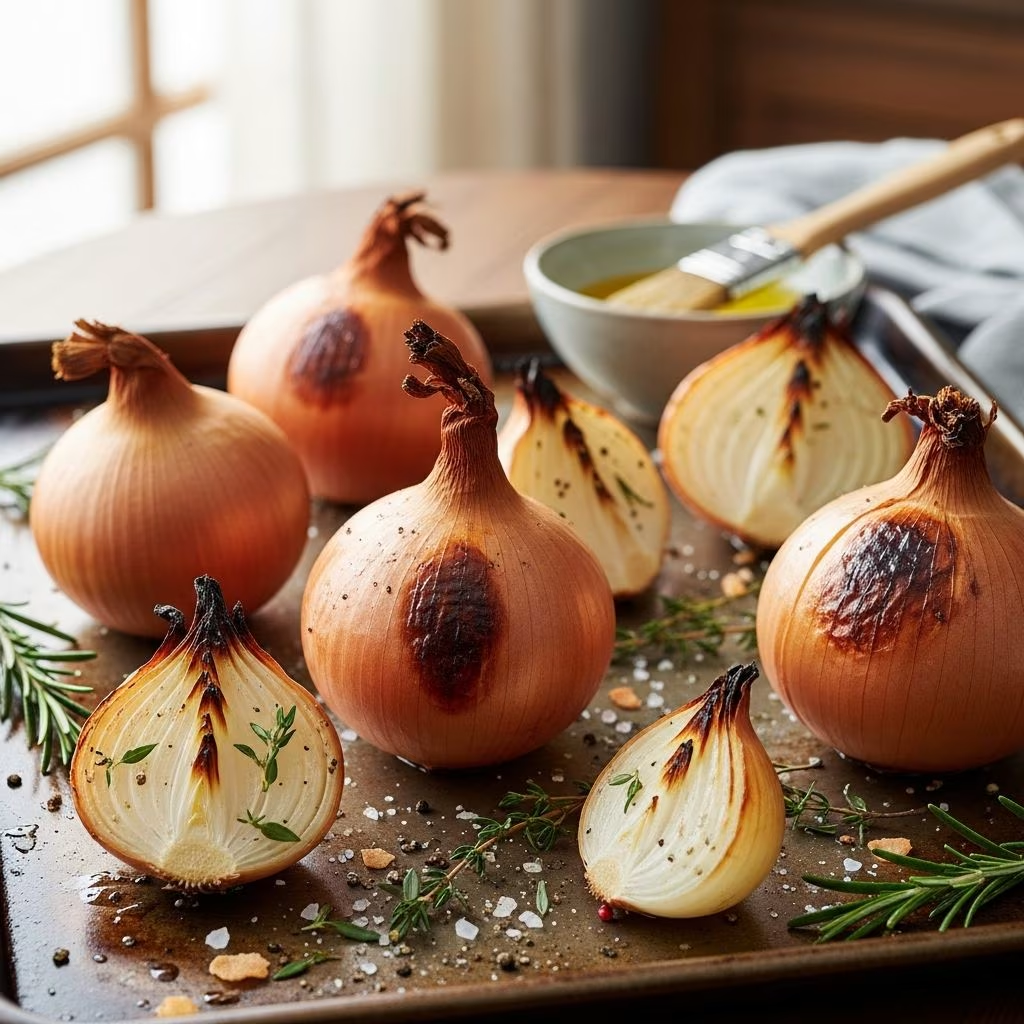
For the most impressive presentation, roast Vidalia onions whole with their skins intact. This approach preserves moisture and creates a natural vessel for serving. Begin by removing any loose or damaged outer skin layers, while leaving the main protective layer. Trim away excessively long root ends and any green stalk remnants. The remaining skin acts as a protective shell, keeping the interior moist while allowing exterior caramelization.
Sliced Preparation
If you prefer faster cooking times, slice Vidalia onions into thick rings or wedges approximately one-half inch in diameter. Consistent sizing ensures even cooking throughout the batch. Maintaining uniform thickness prevents some pieces from becoming overly soft while others remain undercooked. Separate the slices into individual rings for maximum surface area exposure to heat, promoting superior caramelization and browning on the edges.
Temperature and Timing Considerations
| Preparation Style | Oven Temperature | Cooking Duration | Special Notes |
|---|---|---|---|
| Whole Onions | 375°F (190°C) | 60 minutes | Skin-on; creates caramelized fond |
| Thick Slices | 400°F (200°C) | 30–40 minutes | Turn every 10 minutes for even browning |
| Quick Slices | 450°F (232°C) | 15–20 minutes | Turn halfway through; light caramelization |
Oven temperature directly impacts the speed of caramelization and the final texture of your roasted Vidalia onions. Lower temperatures, around 375°F, allow for gradual sugar breakdown and thorough softening without excessive browning. Higher temperatures accelerate the process, achieving tenderness and caramelization in shorter timeframes but requiring closer monitoring to prevent burning.
The Roasting Process: From Pan to Table
Setting Up Your Cooking Vessel
Select a cast iron skillet, sheet pan, or baking dish appropriate for your oven. Cast iron distributes heat exceptionally well and promotes even caramelization across all surfaces. Alternatively, line your baking sheet with foil for easier cleanup without sacrificing cooking quality.
Oil and Seasoning Application
Coat your Vidalia onions thoroughly with quality olive oil, ensuring complete coverage. This step facilitates browning and helps develop the caramelized exterior. Sprinkle salt generously over the oiled surfaces; salt draws out moisture from the onions while also seasoning the flesh as it cooks. Additional seasonings like dried thyme or all-purpose seasoning blends may be added at this stage for extra flavor dimension.
The Roasting Experience
Place your prepared onions in the preheated oven. During the roasting process, monitor progress periodically. For sliced preparations, turn pieces every ten minutes to ensure even browning and prevent sticking. Whole onions generally require less intervention but benefit from a check at the midpoint of cooking.
As the roasting progresses, you’ll notice the bottom of your pan collecting caramelized sugars and fond—these browned bits create incredible flavor complexity. This accumulation is intentional and highly desirable; it forms the foundation for creating a finishing sauce.
Creating a Balsamic Finishing Sauce
One of the most elegant aspects of roasted Vidalia onion preparation involves deglazing your cooking vessel to capture all the concentrated flavors. Once your onions reach desired tenderness and caramelization, carefully remove them from the pan and set aside temporarily.
While the pan remains hot, pour balsamic vinegar directly onto the caramelized fond. The acidic liquid immediately begins dissolving the browned bits and concentrated sugars, creating a rich, glossy sauce. Use a wooden spoon to gently scrape and lift any stuck-on bits, incorporating them fully into the developing sauce. This process transforms simple pan drippings into an elegant accompaniment that enhances the natural sweetness of your onions.
Serving and Presentation Ideas
Traditional Presentation
For whole roasted onions, slice vertically through the center to create two equal halves. The exterior skin will be tough and inedible but serves as a natural bowl when cut side faces down. The tender interior flesh becomes your edible portion. A gentle press with your serving spoon can flatten the onion half against the plate, creating stability.
Season the exposed interior generously with salt and fresh cracked pepper. Drizzle the balsamic sauce across the top, allowing it to pool slightly in the natural valleys of the onion layers. A half onion constitutes an appropriate serving size and can function as an elegant side dish or component of a larger meal.
Alternative Serving Methods
For sliced preparations, remove the skin entirely before serving if desired, or present slices with their charred edges still visible for rustic appeal. Arrange slices on a serving platter and dress with the balsamic sauce. Some preparations incorporate grated Parmesan cheese sprinkled over the top, adding subtle umami richness that complements the sweet onion flavor.
Flavor Enhancement and Variations
While Vidalia onions shine through with minimal intervention, several additions can elevate your preparation:
- Fresh herbs such as thyme, rosemary, or oregano can be added before roasting for aromatic depth
- Balsamic vinegar reduction creates concentrated sweetness and acidity balance
- Grated Parmesan cheese adds savory complexity without overpowering delicate onion flavors
- Garlic cloves roasted alongside onions introduce complementary umami notes
- Red wine vinegar offers a different acid profile if balsamic isn’t available
- Sea salt varieties with mineral content enhance the overall flavor profile
Cookware Selection and Kitchen Equipment
Your choice of cooking vessel influences both the roasting process and cleanup afterward. Cast iron skillets provide superior heat distribution and develop exceptional caramelization, though they require proper seasoning maintenance. Stainless steel baking sheets offer versatility and easy cleaning. Ceramic baking dishes distribute heat gently and allow for attractive table-to-oven transitions. Selecting appropriate cookware matched to your roasting method ensures consistent, reliable results every time you prepare this dish.
Frequently Asked Questions
Can I roast Vidalia onions ahead of time?
Yes, roasted Vidalia onions store well in the refrigerator for up to five days. Reheat gently in a low oven or on the stovetop with a splash of water or additional balsamic vinegar to restore moisture and vibrancy.
What if my Vidalia onions don’t caramelize properly?
Insufficient caramelization typically results from cooking at temperatures too low or for insufficient duration. Increase oven temperature by twenty-five degrees and extend cooking time by ten to fifteen minutes. Ensure onions have direct contact with the cooking surface for optimal heat transfer.
Are there substitutes for balsamic vinegar in the finishing sauce?
Red wine vinegar, sherry vinegar, or apple cider vinegar offer similar acidity profiles. Adjust quantities based on vinegar intensity; aged balsamic tends toward sweetness while red wine vinegar carries more sharpness. Start with the same amount specified for balsamic and adjust to preference.
Can I freeze roasted Vidalia onions?
Freezing is possible but affects texture upon thawing. The cellular structure becomes softer and potentially mushy. For best results, enjoy roasted onions fresh or refrigerated within a few days of preparation.
How do I know when roasted Vidalia onions are completely done?
Doneness is indicated by tender flesh that yields easily to a fork or knife, deep caramelization on the exterior, and visible browning on cut surfaces. The interior should appear nearly translucent with layers visibly collapsed from the cooking process.
Storage and Preservation Guidelines
Store leftover roasted Vidalia onions in an airtight container in the refrigerator for optimal freshness. The balsamic sauce should be stored separately to prevent the onions from becoming overly saturated. When ready to serve again, gently warm through and apply fresh sauce as needed to restore visual appeal and flavor intensity.
Conclusion
Roasting Vidalia onions transforms their natural sweetness into concentrated, complex flavors through simple technique and proper timing. Whether you choose whole onions for impressive presentation or sliced preparations for faster results, the fundamental principles remain consistent: quality ingredients, appropriate temperature, adequate time, and thoughtful finishing touches create exceptional results. The versatility of this preparation makes it suitable for elegant dinners, casual weeknight sides, or components in larger culinary projects.
References
- Roasted Vidalia Onions Recipe — Zous Chef. Accessed April 2026. https://www.zouschef.com/recipe/roasted-vidalia-onions/
- Marinated and Roasted Vidalia Onions — Kalyn’s Kitchen. Accessed April 2026. https://kalynskitchen.com/recipe-for-marinated-and-roasted/
- Roasted Vidalia Onions Preparation Guide — The Vintage Olive. Accessed April 2026. https://www.thevintageolive.com/roasted-vidalia-onions
- Baked Whole Vidalia Onion Technique — TheCookful. Accessed April 2026. https://thecookful.com/baked-vidalia-onion/