Understanding the Foundation of Authentic Salsa Verde
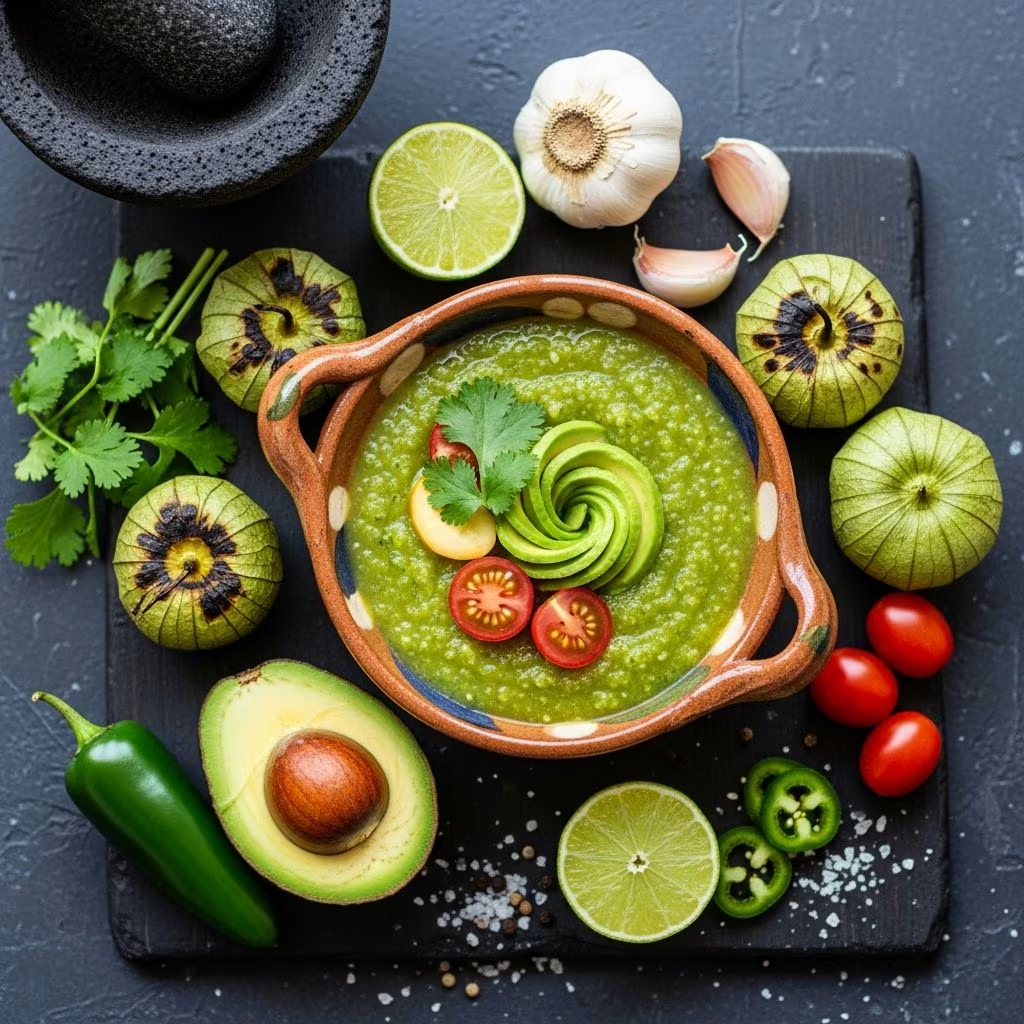
Salsa verde, the vibrant green condiment beloved in Mexican cuisine and increasingly popular worldwide, represents far more than just a dip for tortilla chips. This versatile sauce combines the bright, tangy flavor of roasted tomatillos with the creamy richness of avocado, creating a balanced and complex taste profile that enhances countless dishes. The beauty of this particular preparation lies in its simplicity—with just a handful of quality ingredients, you can create a sauce that rivals restaurant versions made in professional kitchens.
The transformation begins with roasting, a cooking method that intensifies the natural flavors of vegetables while adding subtle smoky and charred notes. When tomatillos encounter direct heat, their tartness becomes more pronounced and sophisticated, while their texture softens into the ideal consistency for blending. This technique distinguishes homemade salsa verde from raw versions, offering depth that cannot be achieved through raw ingredients alone.
Selecting Premium Ingredients for Optimal Results
The quality of your finished sauce depends entirely on the ingredients you select at the grocery store or farmers market. Each component plays a specific role in creating the final flavor profile.
Tomatillos: The Star Component
Fresh tomatillos form the backbone of this sauce. These small, green tomato relatives have a distinctive papery husk that must be removed before use. When shopping, look for tomatillos that feel firm to the touch and have unblemished skin. The ideal size ranges from roughly ping-pong to golf ball, as these offer the best flavor concentration. Avoid any that appear soft or have wrinkled skin, as these indicate age and potential flavor degradation. A standard batch typically requires between one and two pounds of fresh tomatillos, depending on your desired sauce volume.
Heat Elements: Jalapeños and Serrano Peppers
The spice level in your salsa comes from pepper selection. Jalapeños offer moderate heat and are more forgiving for those new to cooking with fresh chiles. Serrano peppers pack considerably more punch, providing authentic Mexican heat to the final product. Many recipes use a combination of both to achieve balanced warmth without overwhelming the other flavors. If you prefer milder salsa, use only jalapeños or remove the seeds before roasting. For those who enjoy serious heat, include the seeds and increase the serrano quantity.
Aromatics and Supporting Flavors
White or red onion adds layers of savory complexity and slight sweetness when roasted. Garlic cloves contribute pungent, aromatic notes that mellow and become more subtle through the cooking process. Fresh cilantro, added after roasting, provides herbaceous brightness that cannot be replicated by dried alternatives. Lime juice brings acidity that enhances all other flavors and prevents browning when the avocado is incorporated.
Avocado: The Creamy Finish
Select avocados that yield slightly to gentle pressure—neither rock-hard nor mushy. The avocado should be added to the food processor last, after all hot ingredients have cooled slightly. This timing prevents the heat from compromising the avocado’s nutritional content and maintains its vibrant green color. For best results, use the avocado within a few hours of cutting to prevent oxidation.
Preparation and Roasting Methodology
Success in creating salsa verde relies heavily on proper roasting technique. The goal is to achieve even browning and charring while maintaining the vegetables’ structural integrity for blending.
Setting Up for Success
Begin by preheating your oven to between 375 and 400 degrees Fahrenheit. Line a large baking sheet with aluminum foil or parchment paper for easy cleanup. Wash your tomatillos thoroughly and remove their papery husks, then halve them to increase surface area for browning. Peel the papery skin from garlic cloves but leave them whole. Slice your onion into thick pieces—this prevents excessive shrinkage and burning. Leave jalapeños and serrano peppers whole, as their skins will char and add depth to the sauce.
The Roasting Process
Lightly coat all vegetables with neutral oil to promote even browning and prevent sticking. Arrange them in a single layer on your prepared baking sheet, with cut sides of tomatillos facing up. Place the sheet directly on the oven rack or on the middle shelf, depending on your oven configuration. Roast for approximately 20 to 25 minutes, checking progress around the 15-minute mark. You’re looking for caramelization and charred spots on the vegetables—some blackening is desirable as it adds complexity to the final flavor.
If your oven includes a broiler setting, some recipes employ this method for 5 to 10 minutes, requiring one halfway turn to ensure even charring on both sides. This approach works well if you’re short on time but requires careful attention to prevent burning.
Blending and Flavor Development
After removing the roasted vegetables from the oven, allow them to cool for several minutes. This brief cooling period makes them safer to handle and helps the avocado retain its color and texture when incorporated.
Processing Technique
Transfer the cooled roasted vegetables to a food processor or blender along with your cilantro, garlic cloves (if not roasted), salt, and pepper. Begin processing, pulsing rather than blending continuously. This approach allows you to monitor the texture development and prevents over-processing, which can result in an undesirably smooth consistency that lacks character. Process until the ingredients are well combined but some texture remains visible.
Next, add your diced or halved avocado to the processor and pulse gently until just incorporated. The goal is to maintain some avocado chunks visible in the final sauce rather than creating a completely homogeneous mixture. Add lime juice during this stage and adjust salt and pepper to your preference.
Texture Considerations
The final consistency should be thick enough to coat a chip without falling off, yet fluid enough to drizzle over tacos or enchiladas. If your salsa appears too thick, add a tablespoon of water or additional lime juice and pulse briefly. If it seems too thin, pulse further or add more avocado. Remember that the salsa will firm slightly as it cools in the refrigerator.
Storage and Longevity
Properly storing your homemade salsa extends its usefulness and maintains quality.
Refrigeration Guidelines
Transfer your finished salsa to an airtight glass container and refrigerate immediately. When stored properly in a sealed container, homemade salsa verde remains fresh and flavorful for four to five days. The citric acid from lime juice acts as a natural preservative, while the cool temperature slows bacterial growth. To prevent browning, press plastic wrap directly onto the salsa’s surface before sealing the container, minimizing air exposure.
Freezing for Extended Storage
For longer storage, freeze your salsa in freezer-safe containers or heavy-duty freezer bags for up to four months. Note that the texture may change slightly after thawing due to the high water content in tomatillos, but the flavor remains largely intact. For best results when thawing, defrost in the refrigerator overnight rather than at room temperature. Consider freezing in ice cube trays for convenient portion-sized servings.
Serving Suggestions and Culinary Applications
Beyond chips and dips, roasted tomatillo and avocado salsa enhances numerous dishes across various cuisines and occasions.
- Serve as a topping for grilled fish, chicken, or shrimp
- Spread on sandwiches or wraps for added flavor and moisture
- Dollop onto beans, rice bowls, or grain-based salads
- Use as a sauce for enchiladas or chilaquiles
- Top scrambled eggs or breakfast burritos
- Accompany grilled vegetables or plant-based protein options
- Mix into sour cream or Greek yogurt for a flavored dip
- Use as a base for marinating meats before cooking
Customization and Dietary Considerations
This salsa recipe adapts easily to personal preferences and dietary restrictions. For those sensitive to heat, reduce the quantity of jalapeños and serrano peppers or omit them entirely, substituting sweet bell peppers instead. To increase spiciness, add additional peppers or incorporate red pepper flakes during the blending stage.
The recipe is naturally vegan and gluten-free, making it suitable for guests with various dietary requirements. Those following paleo or Whole30 dietary protocols can enjoy this salsa without modification, as all ingredients align with these eating philosophies. For low-carb or keto-conscious preparation, note that while avocado is keto-friendly, adjust portion sizes based on your specific carbohydrate targets.
Troubleshooting Common Challenges
Several issues may arise during preparation, but each has straightforward solutions. If your salsa appears too thin, you likely added too much lime juice or selected particularly juicy tomatillos. Remedy this by adding more avocado or processing further. If the salsa seems too thick and chunky, add lime juice, water, or additional cilantro and blend again.
Browning of the avocado indicates oxidation from air exposure or time. Prevent this by storing with plastic wrap pressed directly to the surface, adding extra lime juice, or blending in a small amount of additional avocado when serving. If your roasted vegetables appear burnt rather than caramelized, reduce oven temperature slightly in future batches or shorten roasting time.
Nutritional Profile and Health Benefits
This salsa offers nutritional advantages beyond mere taste appeal. Tomatillos provide vitamin C and various antioxidants, while avocado contributes healthy monounsaturated fats and additional vitamins. Cilantro contains compounds with potential anti-inflammatory properties, and the peppers provide capsaicin, which some research suggests may support metabolism. The combination creates a nutrient-dense condiment that enhances meals without excessive calories.
Frequently Asked Questions
Can I make this salsa without roasting?
While raw tomatillo salsa is possible, roasting fundamentally changes the flavor profile by adding depth and complexity that raw preparations cannot achieve. For best results, always roast your vegetables as directed.
What’s the difference between salsa verde and guacamole?
Salsa verde uses roasted tomatillos as the primary ingredient with avocado as a supporting component, while guacamole features avocado as the main ingredient with minimal other additions. The two are distinct preparations.
How spicy will this salsa be?
Heat level depends on pepper selection and seed inclusion. Using only jalapeños without seeds produces mild salsa, while including serranos with seeds creates considerably more heat. Adjust based on your preferences.
Can I substitute cilantro with another herb?
While cilantro is traditional and contributes distinctive flavor, some people are genetically predisposed to perceive it as soapy. Parsley or oregano provide alternatives, though they will change the final flavor profile noticeably.
References
- Roasted Tomatillo & Avocado Salsa — Flavorful Eats. Accessed April 7, 2026. https://flavorfuleats.com/roasted-tomatillo-avocado-salsa/
- Blender Roasted Tomatillo Avocado Salsa — Eat the Gains. Accessed April 7, 2026. https://eatthegains.com/roasted-tomatillo-avocado-salsa/
- Mom’s Award-Winning Roasted Tomatillo Avocado Salsa — Wyld Flour. Accessed April 7, 2026. https://www.wyldflour.com/roasted-tomatillo-avocado-salsa/
- Roasted Tomatillo-Avocado Salsa — Heather Christo. April 28, 2016. https://heatherchristo.com/2016/04/28/roasted-tomatillo-avocado-salsa/