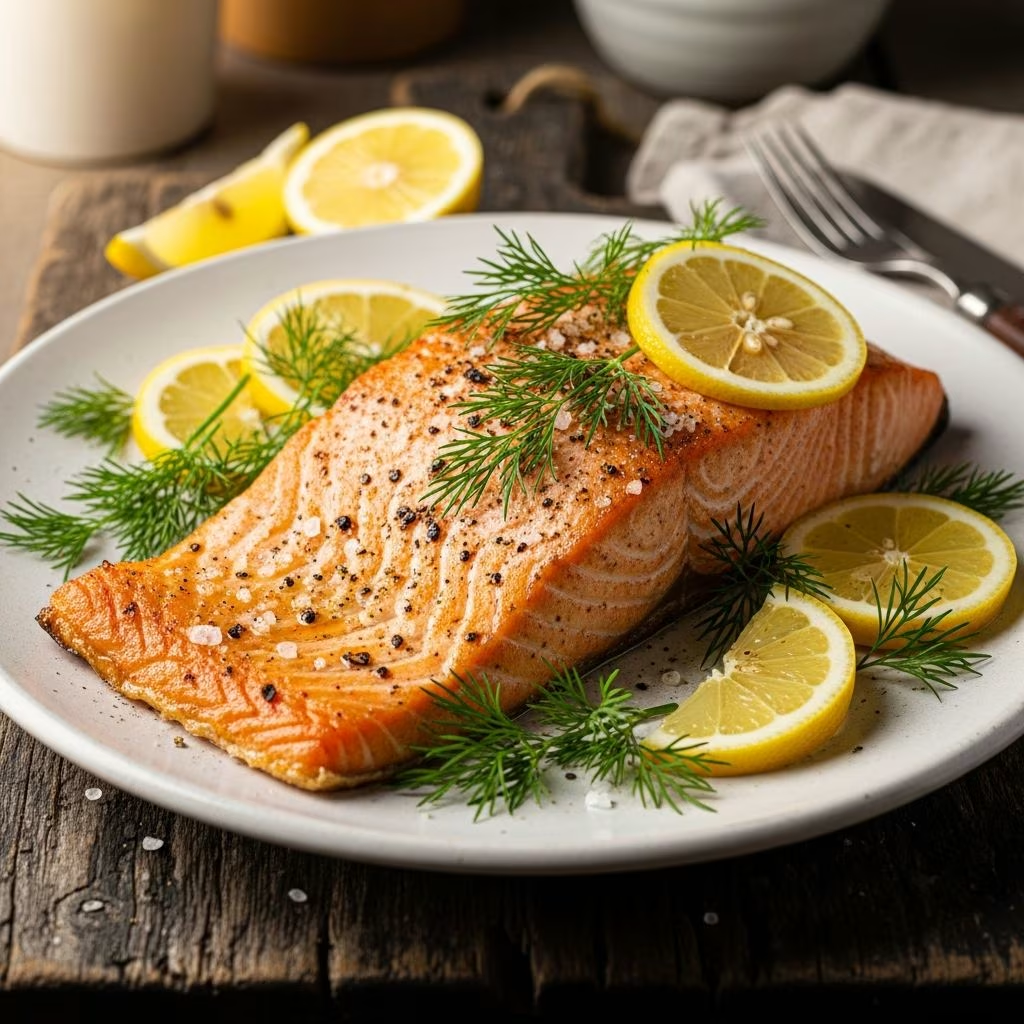
Salmon stands as one of the most versatile and nutritious proteins available in modern kitchens. When combined with aromatic dill and bright citrus elements, this elegant fish transforms into a dish worthy of both casual family dinners and formal entertaining. The beauty of this preparation method lies in its simplicity—requiring minimal ingredients and straightforward techniques that yield restaurant-quality results in your own home.
Understanding Salmon Selection and Preparation
The foundation of exceptional roasted salmon begins with selecting the right cut and quality. Center-cut salmon fillets provide the most consistent cooking results due to their uniform thickness, ensuring even heat distribution throughout the cooking process. When shopping for salmon, look for flesh that appears vibrant and firm, with a pleasant oceanic aroma rather than a pungent fishy smell, which often indicates age or improper storage.
Before cooking, proper preparation is essential. Pat the salmon dry using paper towels, as excess moisture prevents proper browning and can result in steamed rather than roasted fish. The skin should remain intact unless your recipe specifically calls for removal, as it protects the delicate flesh beneath and adds flavor to the finished dish. Season generously with sea salt and freshly ground black pepper on both sides, allowing these fundamental flavors to penetrate the protein before adding additional components.
The Role of Dill in Fish Cookery
Dill represents one of the most complementary herbs for salmon preparation, offering a subtle anise-like flavor that enhances rather than overwhelms the fish’s natural taste. Fresh dill provides superior flavor compared to dried varieties, though dried dill serves as an acceptable substitute when fresh herbs are unavailable. The herb’s delicate structure means it should be added near the end of cooking to preserve its vibrant flavor profile.
For this preparation, combine three tablespoons of freshly chopped dill with other aromatics and acids. The dill creates a flavorful paste that clings to the salmon’s surface, creating layers of taste in each bite. When using dried dill, reduce the quantity to one tablespoon, as the drying process concentrates the flavor significantly.
Crafting the Perfect Flavor Base
The liquid component of this dish creates a self-basting sauce that keeps the salmon moist while infusing it with complementary flavors. Fresh lemon or lime juice provides acidity that brightens the overall dish and enhances the salmon’s natural flavors. A quarter cup of citrus juice balances perfectly against the richness of high-quality extra virgin olive oil.
Additional flavor dimensions come from crushed garlic cloves, which release their pungent oils when exposed to heat, and a touch of ground turmeric, which adds an earthy undertone and provides anti-inflammatory benefits. For those preferring Asian-inspired notes, gluten-free tamari or traditional soy sauce contributes umami depth without the heaviness of conventional preparations. Maple syrup adds subtle sweetness that harmonizes all components into a cohesive sauce.
Ingredient Proportions and Ratios
- One pound center-cut salmon fillet forms the protein base
- Celtic sea salt and black pepper provide foundational seasoning
- One-quarter cup fresh citrus juice offers brightness
- Two tablespoons premium olive oil creates richness
- Two tablespoons tamari or soy sauce adds umami complexity
- Two tablespoons pure maple syrup introduces subtle sweetness
- Three tablespoons fresh dill (or one tablespoon dried) supplies herbaceous notes
- One large garlic clove, crushed, provides aromatic depth
- One-quarter teaspoon turmeric adds earthy undertones
Equipment Considerations and Pan Selection
Choosing appropriate cookware significantly impacts the final result. A baking sheet or shallow baking dish that accommodates the salmon snugly prevents excessive juice dispersal, which can lead to burning and unpleasant flavors. If only large baking sheets are available, create a makeshift tray using parchment paper or aluminum foil sized appropriately for the salmon fillet, then place this smaller tray on the larger sheet to contain juices effectively.
Alternatively, parchment-lined sheet pans offer advantages beyond juice containment—they facilitate easy cleanup and prevent the salmon from sticking to the pan surface. For those employing foil wrapping methods, this approach steams the fish gently while trapping aromatic compounds, though true roasting characteristics are diminished when the fish is fully enclosed.
Preparation Timeline and Marinating Techniques
While not absolutely necessary, allowing the salmon to marinate directly on the baking sheet for fifteen minutes before roasting enhances flavor penetration and allows the fish to acclimate to room temperature slightly, promoting more even cooking. This optional step requires minimal additional effort but yields noticeable improvements in the finished dish’s depth of flavor.
To execute this marinating stage, place the salmon skin-side down on your prepared baking sheet, season with salt and pepper, then combine all remaining ingredients in a small bowl and spoon this mixture generously over the salmon. Allow it to rest at room temperature for the full fifteen minutes while you attend to side dish preparations, such as creating zucchini noodles or arranging other vegetables on the sheet pan if desired.
Roasting Parameters and Temperature Management
Roasting temperature and duration depend on several factors, including the salmon’s thickness, your oven’s individual characteristics, and your preferred doneness level. Most preparations call for preheating the oven to 375 degrees Fahrenheit, which provides a balanced approach to cooking the salmon through without drying the exterior.
Cooking duration typically ranges from nine to twelve minutes for thinner fillets, extending to fifteen to twenty minutes for thicker center-cut pieces. The salmon reaches safe consumption temperature at an internal temperature of 145 degrees Fahrenheit, which corresponds to opaque, flaky flesh that separates easily with a fork. For slightly more moist results, some prefer removing the salmon when it reaches 135 degrees internally, then allowing carryover cooking to bring it to 145 degrees during the resting period.
Position the oven rack at the middle level to ensure consistent heat circulation around the salmon. Avoid opening the oven door frequently during cooking, as this disrupts temperature maintenance and extends total cooking time.
Advanced Serving Strategies
Once the salmon reaches appropriate doneness, immediate removal from the oven prevents overcooking. Allow a brief resting period—approximately ten minutes—before serving, which permits the residual heat to continue gentle cooking while the proteins relax, resulting in superior texture and juiciness.
Pour the pan juices over the salmon just before serving to impart additional flavor and visual appeal. Fresh lime wedges provide optional extra brightness for those desiring additional citrus intensity. Garnish with additional fresh dill if desired, creating an elegant presentation suitable for entertaining.
Complementary Side Dishes and Pairings
This salmon preparation works beautifully with numerous accompaniments. Zucchini noodles provide a light, vegetable-forward option that complements the dish’s Asian-inspired notes. For more substantial meals, couscous salad offers complementary textures and flavors. Roasted potatoes tossed with garlic-dill butter create a comforting, complete dinner. Simple green vegetables such as asparagus or green beans provide color contrast and nutritional balance without competing for attention.
From beverage perspectives, crisp white wines such as Sauvignon Blanc or Pinot Grigio pair elegantly with the lemon and dill elements. For non-alcoholic options, sparkling water with fresh lemon slices or herbal teas complement the meal without overwhelming the delicate flavors.
Dietary Considerations and Nutritional Benefits
This preparation naturally accommodates numerous dietary approaches. The recipe contains no dairy products, making it suitable for those avoiding lactose. The absence of gluten-containing ingredients serves those managing celiac disease or gluten sensitivity. For paleo-oriented diets, this dish provides complete proteins and healthy fats from salmon’s omega-3 fatty acids, recognized by nutritional science for cardiovascular and cognitive benefits.
Salmon delivers high-quality protein for muscle maintenance and repair, while its natural oils provide anti-inflammatory compounds. The dill herb contributes minimal calories while offering traditional uses in folk medicine for digestive support. Lemon juice provides vitamin C and supports nutrient absorption.
Troubleshooting Common Challenges
Overcooked, dry salmon: This results from excessive heat or extended cooking time. Reduce oven temperature by 25 degrees or decrease cooking duration by two to three minutes.
Undercooked, translucent flesh: The salmon required additional cooking time. Return to the oven for two to three minute intervals until the desired doneness is achieved.
Burned pan juices: This occurs when the baking sheet proves too large relative to the salmon size, allowing juices to spread thinly across the pan surface. Use appropriately sized cookware or create foil barriers as described earlier.
Bland flavor: Ensure adequate seasoning at the initial stage and verify ingredient freshness, particularly the dill and garlic. Increase citrus juice quantity slightly if desired.
Storage and Make-Ahead Strategies
Prepared salmon keeps refrigerated for up to three days in an airtight container. Reheat gently at 275 degrees Fahrenheit for approximately ten minutes, covered with foil to prevent drying. The salmon also freezes successfully for up to three months, though texture becomes slightly less firm after thawing. For optimal results, consume fresh preparation within twenty-four hours.
The flavor base can be prepared several hours in advance, stored in a covered container until needed. Combine all ingredients except the fresh dill, which should be incorporated just before cooking to preserve its bright flavor and vibrant color.
Frequently Asked Questions
Can I use frozen salmon for this recipe?
Yes, frozen salmon works perfectly when properly thawed. Defrost overnight in the refrigerator rather than using room temperature or warm water methods, which can introduce bacterial growth. Pat thoroughly dry before proceeding with the recipe.
What if I only have dried dill available?
Reduce the quantity to one tablespoon dried dill, as drying concentrates the flavor. Add it earlier in the cooking process so the flavor fully develops throughout the fish.
Can I prepare this dish on a stovetop instead of roasting?
Pan-searing followed by gentle oven finishing produces comparable results. Heat olive oil in an oven-safe skillet over medium-high heat, sear the salmon skin-side up for three minutes, then finish in a preheated 375-degree oven for eight to ten minutes.
Is this recipe suitable for meal preparation?
Yes, this dish reheats well and maintains excellent flavor when stored properly. Prepare in advance for busy weeknights, though best results occur when consumed within one to two days of initial cooking.
What alternative herbs complement salmon equally well?
Tarragon, chervil, and parsley offer similar delicate flavor profiles that enhance salmon without overwhelming it. Dill remains the classic choice due to its perfect compatibility with salmon’s richness.
References
- Nutritional Composition and Health Benefits of Salmon — U.S. Department of Agriculture. 2024. https://fdc.nal.usda.gov
- Safe Minimum Internal Temperature Guide — U.S. Food and Drug Administration. 2025. https://www.fda.gov/food/foodborneillnesscontaminants/safefoodhandling
- Omega-3 Fatty Acids and Cardiovascular Health — National Institutes of Health. 2024. https://pubmed.ncbi.nlm.nih.gov
- Herb and Spice Culinary Applications — International Herb Association. 2023. https://www.iherb.org