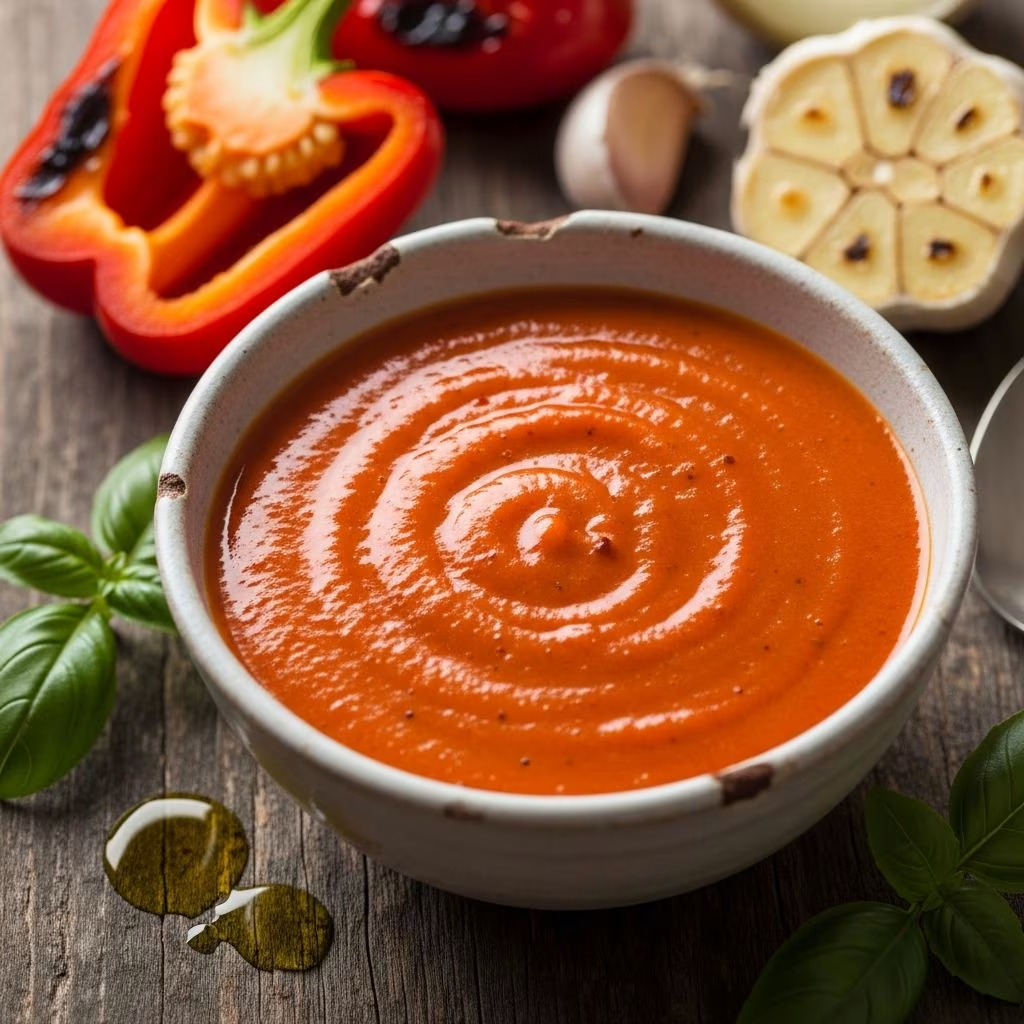
Few sauces offer the combination of elegance and simplicity that a well-crafted roasted red pepper cream sauce provides. This versatile condiment bridges the gap between everyday comfort food and sophisticated cuisine, making it equally at home draped over fresh pasta or accompanying grilled chicken. The beauty of this sauce lies in how a handful of accessible ingredients transform into something remarkably luxurious through straightforward cooking techniques.
Understanding the Foundation: Key Ingredients
The success of roasted red pepper cream sauce begins with understanding what each ingredient contributes to the final dish. Rather than viewing these components as separate elements, consider how they work in concert to develop flavor, texture, and richness.
Roasted Red Peppers form the backbone of this sauce. Whether you purchase them jarred for convenience or roast fresh peppers yourself, these ingredients provide a naturally sweet foundation with subtle smokiness. The roasting process breaks down the pepper’s cellular structure, concentrating sugars and creating complex flavor notes that raw peppers cannot achieve. Jarred varieties save significant time while maintaining quality, though fresh preparations allow for customization of roasting intensity.
Butter and Aromatics serve as flavor builders. Butter carries fat-soluble compounds that enhance the perception of richness, while onions and garlic provide aromatic depth. These foundational flavors, when properly developed through gentle cooking, create an umami base that supports the pepper’s natural sweetness.
Heavy Cream acts as both thickening agent and flavor bridge. The cream’s neutral taste prevents any single ingredient from dominating, allowing the roasted pepper flavor to shine while the fat content creates that signature velvety mouthfeel.
Seasonings and Flavorings fine-tune the sauce’s profile. Dried herbs like basil and oregano add Mediterranean notes, while red pepper flakes introduce gentle heat. Salt and freshly cracked black pepper should be added judiciously, as the jarred peppers and butter already contain sodium.
The Complete Ingredient Breakdown
| Ingredient | Quantity | Purpose |
|---|---|---|
| Butter | 1-2 tablespoons | Flavor building and emulsification |
| Onion | ½ medium | Aromatic base and sweetness |
| Garlic | 2-4 cloves | Aromatic complexity |
| Roasted Red Peppers | 12-24 ounces | Primary flavor component |
| Heavy Cream | ¼-½ cup | Texture and richness |
| Dried Herbs | ½-1 teaspoon | Flavor enhancement |
| Red Pepper Flakes | Pinch to taste | Heat and complexity |
Preparation Techniques: From Start to Finish
Building Your Base Layer
Begin by selecting a heavy-bottomed skillet or sauté pan. This cookware distributes heat evenly, preventing hot spots that could cause burning. Melt your butter over medium heat, watching as it transitions from solid to liquid. This moment, often overlooked, is crucial—the butter should become fragrant and slightly nutty without browning excessively.
Once the butter reaches this optimal state, add your finely diced onion. The size of your dice matters more than many home cooks realize. Pieces that are too large will require extended cooking time, while pieces that are too small may disintegrate into the sauce. Aim for consistent, quarter-inch pieces. Stir regularly as the onion cooks, allowing it to soften gradually over approximately three minutes. The transformation from raw to translucent indicates that the onion’s cells have released their liquid and begun to break down, making way for gentle caramelization.
Incorporating Aromatic Elements
When your onion reaches translucency, introduce minced garlic. Here’s a critical technique: add your garlic only when your onion is nearly ready. Garlic cooks faster than onion and can become bitter if subjected to extended heat. Stir constantly for thirty to sixty seconds—just long enough for the garlic’s essential oils to release and perfume your pan. You’ll notice the aroma shift noticeably; this sensory cue indicates that the cooking is proceeding correctly. If at any point you detect a burnt smell rather than a pleasantly pungent one, reduce your heat immediately.
Introducing the Peppers
Pour your roasted red peppers directly into the pan, ensuring you capture the liquid from the jar. This liquid contains dissolved sugars and compounds that contribute to the sauce’s final flavor profile. Stir everything together, coating the onion and garlic with the peppers’ rich hue. At this stage, let the mixture cook for two to three minutes, allowing the flavors to begin melding together. Some recipes call for blending the peppers into a smooth purée first—this approach creates a silkier final texture and is worth considering if you prefer your sauce without any texture variation.
Achieving the Proper Consistency
The consistency question divides sauce enthusiasts into camps. Some prefer introducing cream immediately for a lighter sauce, while others let the peppers reduce first, concentrating flavor and creating a thicker base before adding cream. The second approach produces a more intensely flavored result. If you choose this route, let your pepper mixture simmer for ten to fifteen minutes over medium-low heat, stirring frequently. Watch as the sauce gradually thickens; the target consistency is achieved when a spoon drawn through the sauce leaves a temporary trail before the mixture flows back together.
Cream Integration
When your sauce reaches the desired thickness, lower the heat to medium or medium-low. Slowly pour in your heavy cream while stirring constantly. This gradual introduction prevents the cream from separating or developing an unpleasant curdled appearance. Continue stirring for one to two minutes after all cream has been added, allowing it to fully incorporate. The sauce should transform before your eyes, becoming noticeably lighter in color and developing that characteristic silky appearance.
Seasoning and Final Adjustments
Before serving, taste your sauce. The jarred peppers and butter likely provide substantial salt, so proceed carefully with salt additions. Instead, focus on balancing flavors: does the sauce need more depth? Add a tiny pinch of dried oregano or basil. Does it need heat? A few flakes of red pepper can provide this. Does it need brightness? A squeeze of fresh lemon juice or a small splash of vinegar can add needed acidity.
Freshly cracked black pepper, added just before serving, provides a flavor dimension that pre-ground pepper cannot match. The larger particle size offers intermittent intensity that complements the sauce’s smoothness.
Versatile Applications
This sauce transcends the pasta course. Drizzle it over grilled chicken breasts for an elegant protein enhancement. Serve it alongside roasted vegetables—particularly zucchini, eggplant, or potatoes—for a vegetarian entrée. Use it as a base for seafood preparations, particularly with firm white fish or shrimp. Some cooks spoon it over crispy polenta for an elevated comfort food experience.
Storage and Make-Ahead Considerations
This sauce stores beautifully in the refrigerator for three to four days in an airtight container. To reheat, place it in a saucepan over low heat, stirring occasionally until warmed through. If the sauce has thickened considerably during storage, add a splash of cream or pasta cooking water to restore the desired consistency.
The sauce also freezes successfully for up to three months. However, note that cream-based sauces can separate slightly during freezing and thawing. When reheating frozen sauce, do so slowly over low heat, stirring frequently, and add a touch of fresh cream if needed to restore smoothness.
Frequently Asked Questions
Can I make this sauce with fresh peppers instead of jarred?
Absolutely. Fresh peppers require roasting first. Halve peppers, remove seeds, place cut-side down on a baking sheet, and roast at 400°F until the skin blackens (approximately 30 minutes). Cool, peel away the charred skin, and proceed with the recipe. Fresh peppers offer more control over roasting intensity and may require less liquid adjustment.
What can I substitute for heavy cream?
For a lighter version, use Greek yogurt or sour cream, added after removing the pan from heat. For a dairy-free option, substitute full-fat coconut milk or cashew cream. The sauce’s character will shift slightly with these changes, but the result remains delicious.
Why did my sauce break or separate?
Separation typically occurs when cream is added to an overly hot sauce or when the mixture temperature fluctuates dramatically. Always reduce heat before adding cream and stir constantly. If separation occurs, try blending the sauce briefly with an immersion blender, which can often restore its emulsification.
How thick should the final sauce be?
The sauce should coat the back of a spoon without running off immediately. If served over pasta, it should cling to each piece. If it’s too thin, simmer for a few additional minutes. If too thick, add cream or pasta water gradually until reaching the desired consistency.
Can I make a larger batch?
Yes. The recipe scales easily, though cooking times may increase slightly. When multiplying ingredients, increase cream more conservatively, as the sauce may already have adequate richness from the larger pepper quantity.
Conclusion
Mastering roasted red pepper cream sauce opens doors to countless culinary applications. The technique is forgiving, the flavor impressive, and the execution straightforward. Whether you’re preparing a weeknight dinner or impressing guests, this sauce delivers elegance born from simplicity.
References
- Add a Pinch – Roasted Red Pepper Cream Sauce Recipe — Add a Pinch. Accessed 2026-04-10. https://addapinch.com/roasted-red-pepper-cream-sauce-recipe/
- Budget Bytes – Creamy Roasted Red Pepper Sauce — Budget Bytes. Accessed 2026-04-10. https://www.budgetbytes.com/creamy-roasted-red-pepper-sauce/
- Slice of Jess – 10-Minute Roasted Red Pepper Cream Sauce — Slice of Jess. Accessed 2026-04-10. https://sliceofjess.com/10-minute-roasted-red-pepper-cream-sauce/
- The Whole Cook – 5-Minute Creamy Roasted Red Pepper Sauce — The Whole Cook. Accessed 2026-04-10. https://thewholecook.com/dairy-free-creamy-red-pepper-sauce/
- Ciao Florentina – Roasted Red Pepper Sauce Recipe — Ciao Florentina. Accessed 2026-04-10. https://ciaoflorentina.com/roasted-red-pepper-sauce-recipe/