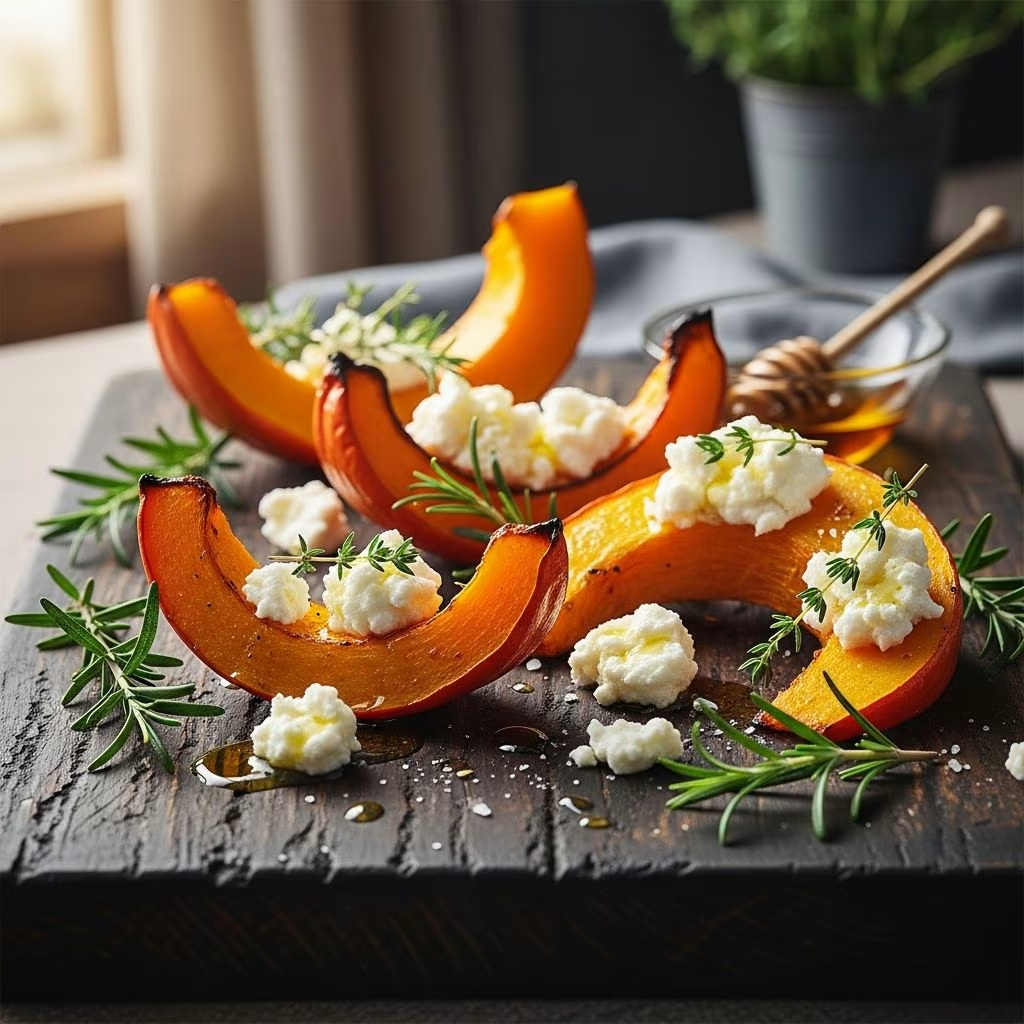
The combination of naturally sweet roasted pumpkin with tangy, creamy goat cheese represents one of autumn’s most sophisticated flavor pairings. This dish transcends simple side dishes, offering versatility as an appetizer, light main course, or elegant addition to a cheese board. The interplay between the caramelized edges of roasted pumpkin and the smooth, slightly acidic notes of goat cheese creates a balanced culinary experience that appeals to both home cooks and professional chefs.
Understanding the Core Components
The foundation of this dish rests on three essential elements: properly roasted pumpkin, quality goat cheese, and complementary flavor enhancements. Each component requires specific attention to achieve optimal results and a harmonious final presentation.
Selecting and Preparing Your Pumpkin
Not all pumpkins are created equal for cooking purposes. Sugar pumpkins and other small, dense varieties work far better than the large decorative pumpkins typically associated with autumn decoration. These smaller varieties contain less water and more concentrated flavor, resulting in better texture and taste when roasted. The flesh should be firm and vibrant in color, indicating freshness and proper maturity.
Begin preparation by washing the pumpkin thoroughly under cool running water to remove any surface dirt. Using a sharp chef’s knife, carefully cut the pumpkin in half and scoop out the seeds and stringy interior with a sturdy spoon. The seeds can be reserved for roasting separately if desired. Cut the pumpkin flesh into uniform pieces, approximately one to two inches in size, to ensure even cooking. Leaving the skin on facilitates easier handling and provides a natural container for the delicate flesh during roasting.
The Roasting Process
Roasting transforms pumpkin from a raw, somewhat bland ingredient into something caramelized and deeply flavorful. Preheat your oven to 400 degrees Fahrenheit, which provides sufficient heat for proper caramelization without burning the exterior. Line a baking sheet with parchment paper to prevent sticking and simplify cleanup.
Toss the pumpkin pieces with extra-virgin olive oil, distributing approximately one tablespoon per two cups of prepared pumpkin. Season generously with salt and freshly ground black pepper. This point offers opportunity for creativity—fresh or dried herbs like sage, thyme, or rosemary complement pumpkin exceptionally well. A light dusting of ground cumin or cinnamon adds warmth and depth to the final dish.
Arrange the seasoned pumpkin in a single layer on the prepared baking sheet, cut-side down if possible. This positioning allows direct heat contact with the flesh, promoting caramelization and browning. Roast for approximately 20 to 30 minutes, depending on the size of your pieces and your specific oven’s characteristics. The pumpkin is ready when the flesh becomes tender and the edges develop golden-brown coloring. Avoid overcooking, which results in mushy texture and loss of structural integrity for serving.
Goat Cheese Selection and Preparation
The quality of goat cheese significantly impacts the final dish. Fresh goat cheese, often labeled as chèvre, provides a creamy texture and tangy flavor that complements roasted pumpkin’s natural sweetness. Allow the goat cheese to reach room temperature before serving, as this softens the texture and allows flavors to fully express themselves. Cold goat cheese becomes dense and difficult to spread or crumble evenly across your components.
For a creamier consistency, some cooks prefer to whisk softened goat cheese with a small amount of milk, cream, or water until it reaches a spreadable or pourable consistency. This technique proves particularly useful when preparing the dish as a composed salad or when spreading cheese across crostini or bread.
Building Flavor Layers
Balsamic Elements
Balsamic vinegar provides a crucial acidic counterpoint to both the pumpkin’s sweetness and the goat cheese’s richness. Traditional balsamic vinegar, aged for several years, offers complex sweetness and mellow acidity that works beautifully in this context. However, standard balsamic vinegar works perfectly well for most home cooking applications.
Some recipes call for reducing balsamic vinegar to create a glaze—a concentrated, syrupy condiment that clings to ingredients and intensifies flavor. This reduction process involves gently simmering balsamic vinegar in a small saucepan until it achieves a viscous consistency that coats the back of a spoon. A quick reduction of just 10 to 15 minutes yields excellent results without requiring precise measurement or advanced technique.
Complementary Garnishes and Additions
While pumpkin and goat cheese form the essential duo, thoughtful additions elevate the dish considerably. Caramelized leeks or onions add a savory sweetness and silky texture that bridges the flavors of the primary ingredients. Toast nuts such as pecans, walnuts, or almonds to introduce crunch and earthiness. Fresh herbs—particularly sage, basil, or parsley—provide brightness and visual appeal.
Consider these additional components based on your serving style and available ingredients:
- Crispy prosciutto or pancetta for salty, smoky undertones
- Pomegranate seeds for tartness and color contrast
- Toasted pumpkin seeds for textural interest
- Fresh arugula or mixed greens for a salad format
- Red pepper flakes for subtle heat
- Thyme or rosemary for herbal aromatics
Serving Formats and Presentations
As an Appetizer on Crostini
Slice a French baguette into half-inch thick rounds and brush lightly with olive oil on one side. Arrange the slices on a baking sheet and bake at 375 degrees Fahrenheit until they achieve a light golden color and crispy texture, approximately 5 to 8 minutes. Rub the toasted bread with a cut garlic clove for subtle garlic flavor. Spread a thin layer of softened goat cheese on each crostini, top with a spoonful of roasted pumpkin, and finish with a drizzle of balsamic reduction. Serve immediately while the crostini maintains its crispness.
As a Composed Salad
Layer roasted pumpkin wedges atop fresh greens such as arugula, baby spinach, or mixed field greens. Crumble or break the goat cheese into bite-sized pieces and distribute across the salad. Prepare a simple vinaigrette by whisking together extra-virgin olive oil, balsamic vinegar, and a touch of honey or maple syrup. Dress the salad just before serving to maintain the greens’ texture. Garnish with toasted nuts, fresh herbs, and additional balsamic reduction if desired.
As a Warm Side Dish
Serve the roasted pumpkin and goat cheese while components remain slightly warm, allowing the cheese to soften and create a luxurious coating. This preparation style works particularly well alongside roasted meats, grilled fish, or as part of a vegetable-focused plate. The warmth of the pumpkin slightly melts the goat cheese, creating a cohesive, flavorful dish.
Flavor Profiles and Variations
Spice and Heat Variations
While the classic preparation remains balanced and elegant, various spice combinations allow for personalization. Ground cumin and cinnamon introduce warmth and subtle sweetness that echoes pumpkin’s natural flavor. Red pepper flakes or fresh chili add heat that contrasts beautifully with cool, creamy goat cheese. A pinch of nutmeg contributes earthiness without overwhelming other flavors.
International Inspirations
Mediterranean preparations often include sun-dried tomatoes, olives, and fresh oregano alongside the pumpkin and cheese. Moroccan-inspired versions incorporate warming spices such as cinnamon, cumin, and ginger. Middle Eastern variations might feature pomegranate molasses instead of balsamic vinegar for a different type of tanginess and complexity.
Practical Preparation and Timing
Advance Preparation Strategies
The roasted pumpkin component can be prepared several days ahead, stored in an airtight container in the refrigerator, and reheated gently before serving. Balsamic reductions keep for weeks in a sealed jar at room temperature. Prepare these elements in advance to streamline final assembly on serving day.
Timing Considerations
If serving as crostini or composed appetizers, complete all preparations shortly before presentation to maintain textural contrast—crispy bread, tender pumpkin, cool cheese, and concentrated balsamic. For warm plated dishes, time the pumpkin’s roasting to finish just as guests arrive, allowing the warm ingredients to soften the goat cheese naturally.
Nutritional Considerations
Pumpkin provides substantial nutritional benefits, containing significant amounts of beta-carotene, fiber, and vitamins A and C. Goat cheese offers protein and probiotics while containing less lactose than cow’s milk cheeses, making it more digestible for some individuals. The olive oil delivers heart-healthy monounsaturated fats. This combination creates a nutritionally balanced dish suitable for various dietary approaches while remaining indulgent and satisfying.
Frequently Asked Questions
Can I use butternut squash instead of pumpkin?
Yes, butternut squash serves as an excellent substitute. Its texture and flavor profile work equally well in this preparation, and the cooking time remains similar. Some cooks actually prefer butternut squash for its consistent sweetness and moisture content.
What type of goat cheese works best?
Fresh goat cheese (chèvre) provides the most versatile option for most preparations. Aged goat cheese can work but produces a denser texture and more pronounced tang. Select the softest, freshest cheese available, ensuring it contains minimal additives.
How can I make this dish gluten-free?
For a gluten-free version, replace traditional bread with gluten-free crostini or serve the pumpkin and cheese on rice crackers or crisp vegetable slices. The roasted pumpkin and goat cheese components are naturally gluten-free, making substitution straightforward.
Can this dish be made completely vegetarian or vegan?
The dish is naturally vegetarian. For a vegan version, substitute goat cheese with cashew cream or store-bought vegan cheese alternatives. The roasted pumpkin and supporting vegetables remain entirely plant-based.
How do I store leftovers?
Store roasted pumpkin separately from goat cheese and balsamic components in airtight containers in the refrigerator for up to three days. Assemble components shortly before serving to maintain optimal texture and flavor.
What beverages pair well with this dish?
Light white wines such as Pinot Grigio or Sauvignon Blanc complement the goat cheese’s tanginess. For red wine lovers, a light Pinot Noir works beautifully. Non-alcoholic options include herbal teas or sparkling water with fresh herbs.
Mastering Your Technique
Success with roasted pumpkin and goat cheese depends largely on understanding how each component transforms during cooking and storage. The pumpkin’s natural sugars concentrate and caramelize when exposed to dry heat, creating depth of flavor impossible to achieve through other cooking methods. Goat cheese’s creamy texture and tangy profile require no cooking but benefit tremendously from thoughtful pairing with complementary flavors and textures.
Experimentation encourages development of your personal variations. What matters most is maintaining balance—allowing no single component to overwhelm others while ensuring each element contributes meaningfully to the overall experience. Whether you present this dish as an elegant appetizer, a composed salad, or a sophisticated side dish, the fundamental combination of roasted pumpkin and creamy goat cheese delivers consistent satisfaction and showcases the understated elegance of thoughtful cooking.
References
- USDA FoodData Central: Pumpkin, raw — U.S. Department of Agriculture. https://fdc.nal.usda.gov/
- Cheese Types and Characteristics: Goat Cheese Production Standards — FDA Dairy Plant Standards. https://www.fda.gov/food/dairy-plant-standards
- Extra Virgin Olive Oil: Health Benefits and Culinary Applications — International Olive Council. https://www.internationaloliveoil.org/
- Roasting Vegetables: Temperature and Technique Guidelines — National Center for Home Food Preservation, University of Georgia. https://nchfp.uga.edu/
- Herbs and Spices in Culinary Applications: Flavor Pairing — The Spice House Official Guide. https://www.thespicehouse.com/