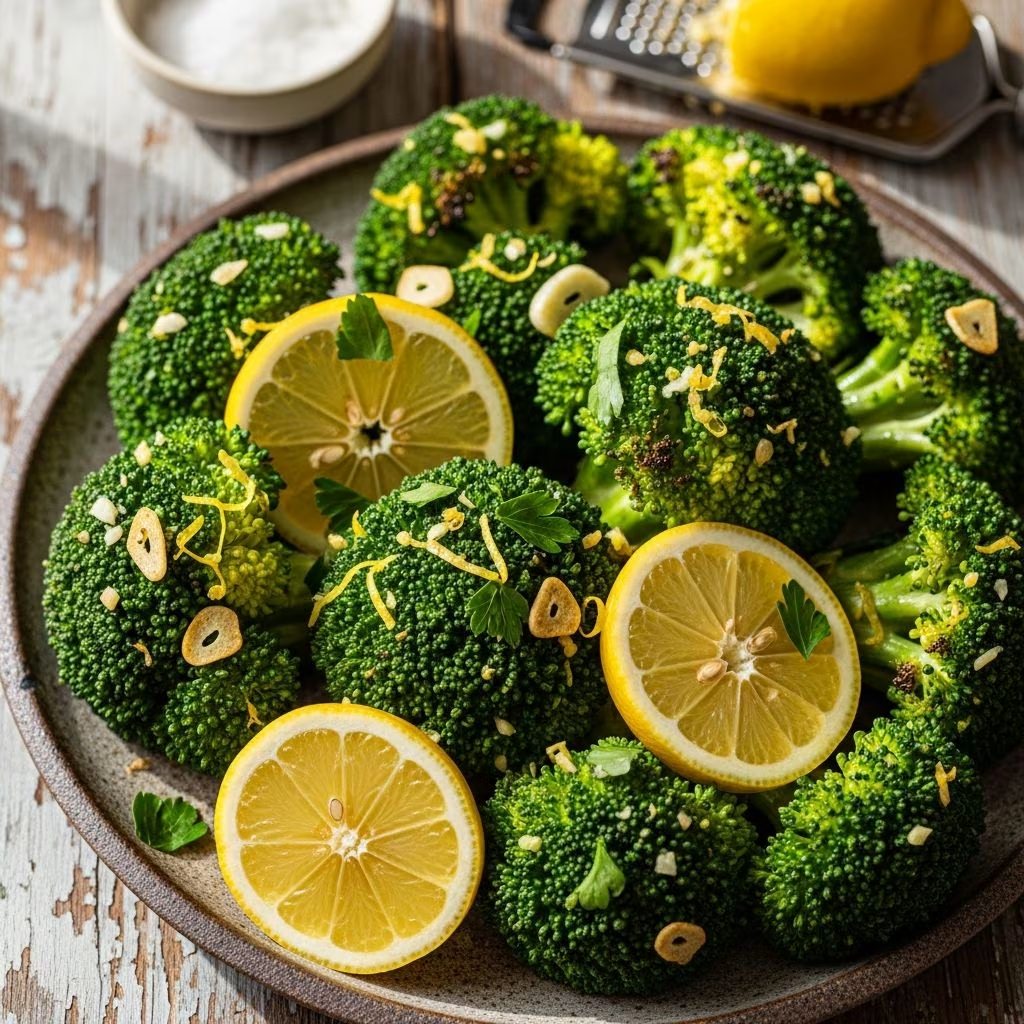
Broccoli often occupies an underappreciated role on the dinner plate, relegated to steamed servings that lack excitement or depth of flavor. However, when prepared with intention and high-heat roasting, this humble cruciferous vegetable transforms into something remarkable. The combination of **roasted garlic** and **bright lemon** creates a side dish that rivals any restaurant preparation, yet requires minimal technique or special equipment. This approach unlocks natural sweetness in the broccoli while developing complex, caramelized flavors that elevate any main course.
Why Roasting Elevates This Classic Vegetable
The roasting method represents a fundamental shift from conventional boiling or steaming approaches. High oven temperatures trigger the Maillard reaction, a chemical process that develops rich, complex flavors impossible to achieve through gentler cooking methods. When broccoli florets contact hot baking sheets, their exterior begins browning and crisping while the interior remains tender. This textural contrast—crispy edges paired with a softer center—creates an eating experience that appeals to those who might otherwise avoid vegetables.
Garlic undergoes a similar transformation during roasting. Raw garlic can taste sharp and pungent, but sliced cloves become mellow, slightly sweet, and nutty when exposed to sustained heat. The individual slices caramelize at their edges, developing flavor compounds that complement both the broccoli and the acidity of fresh lemon juice. This method produces garlic pieces that retain their structural integrity while losing their aggressive bite.
Essential Ingredients for Maximum Flavor
Creating this dish requires only a handful of components, each serving a specific purpose:
- Fresh broccoli florets – Select heads with tight, dark green florets for optimal quality and nutritional density. A medium to large head yields approximately 1.5 to 2 pounds of usable florets
- Extra-virgin olive oil – The fat base that conducts heat evenly and creates crispy textures. Quality matters here, as raw oil’s subtle flavors will shine through after roasting
- Fresh garlic cloves – Never substitute garlic powder, which lacks the complexity and caramelization potential of fresh cloves. Between 3 and 6 cloves accommodates varying heat preferences
- Fresh lemon – Provides both juice for brightness and zest for aromatic citrus notes. The acid balances the richness of oil and the earthiness of roasted vegetables
- Kosher salt and cracked black pepper – Essential seasonings that enhance rather than mask the natural flavors of other components
Equipment and Preparation Setup
Success begins with proper preparation and appropriate equipment. A rimmed baking sheet—also called a sheet pan or half-sheet pan—provides essential surface area and raised edges that contain ingredients and facilitate even heat distribution. Lining the sheet with parchment paper or foil simplifies cleanup while preventing sticking, though a well-seasoned or nonstick surface works acceptably. Many cooks prefer their hands for tossing ingredients, as fingers provide tactile feedback ensuring even coating with oil and seasonings.
Before beginning, cut the broccoli into uniform florets approximately 1.5 inches in size. Inconsistent sizing results in some pieces overcooking while others remain underdone. Slice garlic cloves thinly—roughly 1/8-inch thickness works well—to maximize surface area for caramelization. Thicker slices may not toast adequately within the cooking timeframe.
Step-by-Step Execution for Perfect Results
Oven Preparation and Temperature Control
Preheat the oven to 425 degrees Fahrenheit, allowing 10 to 15 minutes for thorough heating. This temperature proves hot enough to generate browning and crisping without burning exterior surfaces before interiors cook through. Some recipes suggest 400 degrees for gentler cooking or 450 degrees for darker caramelization; adjust based on personal preference and oven characteristics, as individual units vary considerably.
Assembling Components on the Baking Sheet
Place prepared broccoli florets and sliced garlic directly on the lined baking sheet. Drizzle olive oil evenly across the surface—approximately 2 to 3 tablespoons per 1.5 pounds of broccoli—then sprinkle with lemon zest, salt, and pepper. Using clean hands, toss vigorously until every floret receives a light coating of oil and seasonings. Spread ingredients into a single layer with space between pieces; crowding the pan creates steam rather than browning.
Roasting Timeline and Monitoring
Place the sheet in the preheated oven and set a timer for 12 minutes. At this point, remove the sheet and stir or shake ingredients to promote even browning on all sides. Return to the oven for an additional 5 to 8 minutes, or until broccoli edges appear deep brown and garlic slices show golden-brown caramelization. Total cooking time typically ranges from 15 to 20 minutes, though oven variations and precise floret size create some variance.
Final Seasoning and Service
Remove the sheet from the oven and transfer contents to a serving bowl or plate. Immediately squeeze fresh lemon juice across the still-warm broccoli and garlic. The heat enhances the volatile aromatic compounds in lemon juice, intensifying citrus perception. Taste and adjust salt and pepper as needed before serving. The dish reaches optimal flavor and texture within minutes of removal from the oven.
Nutritional Benefits and Dietary Considerations
This preparation method preserves the substantial nutritional profile that makes broccoli a dietary cornerstone. Broccoli contains sulforaphane, a compound with potential anti-inflammatory properties, along with vitamin C, vitamin K, and dietary fiber. Roasting at moderate to high temperatures has minimal negative impact on these nutrients compared to extended boiling, which leaches water-soluble vitamins into cooking liquid. The added olive oil supports fat-soluble vitamin absorption while providing monounsaturated fats linked to cardiovascular health.
For those monitoring sodium intake, this recipe calls for modest salt amounts easily adjusted downward. The natural umami and bright acidic notes from garlic and lemon reduce the need for excessive salt to achieve satisfying flavor. Those following low-carbohydrate or ketogenic approaches will appreciate broccoli’s minimal carbohydrate content paired with beneficial fats from olive oil.
Creative Variations and Complementary Additions
| Enhancement Option | Quantity | Flavor Profile |
|---|---|---|
| Parmesan cheese | 2-4 tablespoons grated | Adds umami richness and saltiness |
| Toasted nuts (pine or almonds) | 3-4 tablespoons | Contributes crunch and buttery depth |
| Red pepper flakes | 1/4 teaspoon | Introduces subtle heat and complexity |
| Fresh herbs (parsley or thyme) | 1-2 tablespoons chopped | Provides fresh, aromatic brightness |
| Balsamic vinegar | 1-2 tablespoons | Deepens sweetness with subtle tang |
Expanding beyond the basic formula opens numerous possibilities for customization. Adding grated Parmigiano-Reggiano cheese immediately after roasting creates a savory umami layer, while toasted nuts introduce textural contrast and subtle richness. Those seeking warmth without overwhelming heat might sprinkle red pepper flakes before roasting. Fresh herbs like Italian parsley or thyme scattered over finished broccoli provide aromatic brightness that complements citrus and garlic.
The base preparation also accommodates ingredient substitutions for dietary requirements. Avocado oil or ghee replaces olive oil for those avoiding seed oils, while garlic powder works acceptably when fresh garlic proves unavailable, though results suffer somewhat in complexity. Lime can substitute for lemon when preferred, creating a slightly different but equally compelling citrus profile.
Pairing Suggestions for Complete Meals
This roasted broccoli side complements virtually any protein-centered main course. The acidic brightness pairs beautifully with rich, fatty proteins like salmon, swordfish, or duck, where citrus cuts through heavier flavors. It equally suits leaner proteins—chicken breast, turkey, or fish—by providing textural and flavor interest that prevents meals from feeling austere. Vegetarian diners can build satisfying plates by serving roasted broccoli alongside grains like farro, quinoa, or wild rice, creating complete protein profiles when combined with legumes or nuts.
The dish integrates seamlessly into grain bowls, where its earthy vegetable qualities balance fresh greens and creamy elements like tahini dressing or avocado. It works equally well as a component of mezze platters alongside hummus, olives, and fresh bread, or as part of Mediterranean-inspired spreads featuring diverse vegetables and proteins.
Storage and Reheating Guidance
Properly stored roasted broccoli maintains quality for three to four days in an airtight container within standard refrigeration temperatures. The vegetable loses some textural crispness during storage as residual moisture reabsorbs into cooled surfaces, but flavor remains intact. To restore crispness when reheating, avoid microwave methods that generate steam; instead, spread portions on a baking sheet and warm at 375 degrees Fahrenheit for 5 to 7 minutes until heated through and edges recrisp slightly.
This dish does not freeze successfully, as freezing damages cellular structure and creates unpleasant mushy textures upon thawing. Preparation shortly before serving yields optimal results, though advance component chopping and setup allows quick assembly at mealtime.
Troubleshooting Common Preparation Challenges
Preventing Burnt Garlic and Undercooked Broccoli
Garlic slices caramelize faster than broccoli florets develop proper tenderness and browning. If this proves problematic, consider roasting garlic separately for 25 to 30 minutes before adding broccoli for the final 15 to 20 minutes. Alternatively, chop garlic more finely to distribute it throughout broccoli pieces, or use garlic powder mixed with a small amount of oil to create an even distribution that prevents any single piece from over-browning.
Achieving Consistent Browning
Uneven browning typically results from crowded pan conditions where pieces steam rather than roast. Spread ingredients so they contact the hot sheet surface directly, maintaining space between individual florets. If available oven rack space proves limited, use two baking sheets rotating them midway through cooking for balanced results.
Managing Excessive Oil Pooling
If oil pools at the sheet’s bottom rather than coating ingredients, reduce the total amount slightly—sometimes 1.5 to 2 tablespoons suffices depending on vegetable density and desired final crispness. Alternatively, increase the oven temperature by 25 degrees to evaporate excess moisture more rapidly during roasting.
Frequently Asked Questions
- Can this recipe be prepared in an air fryer?
- Yes, air fryer preparation works well, though cooking times reduce significantly. Process at 375 degrees Fahrenheit for approximately 10 to 12 minutes, shaking the basket midway. Individual air fryer models vary considerably, so monitor closely during initial attempts.
- Is it necessary to remove broccoli stem sections before cutting florets?
- Stems are entirely edible and flavorful. Peel away the tough exterior layer and cut into approximately 1.5-inch pieces. They roast alongside florets, sometimes developing even deeper browning and sweeter flavor.
- Can this dish be made vegan and remain satisfying?
- Absolutely. This recipe contains no animal products in its basic form. Replacing optional Parmesan with nutritional yeast or omitting dairy altogether yields results equally delicious and nutrition-dense.
- What oven temperature suits smaller toaster ovens with variable heat distribution?
- Reduce temperature to 400 degrees Fahrenheit and extend cooking time by approximately 5 minutes, monitoring carefully. Toaster ovens often feature uneven heat distribution, so position the sheet centrally and check browning at the 15-minute mark.
- How much lime can substitute for lemon juice without affecting final flavor?
- Use equal amounts of fresh lime juice—the substitute adds slightly different citrus notes with marginally more bitterness but produces equally satisfying results.
References
- Broccoli – Nutrition Facts and Health Benefits — United States Department of Agriculture (USDA). 2024. https://fdc.nal.usda.gov/
- Sulforaphane and Its Properties: A Review — PubMed Central, National Institutes of Health. 2023. https://www.ncbi.nlm.nih.gov/pmc/articles/PMC9917340/
- The Maillard Reaction and Its Role in Food Chemistry — Journal of Agricultural and Food Chemistry, American Chemical Society. 2023. https://pubs.acs.org/doi/10.1021/acs.jafc.3c01234
- Extra Virgin Olive Oil – Composition and Health Benefits — Food & Function, Royal Society of Chemistry. 2024. https://pubs.rsc.org/en/journals/journalissues/fo
- Vitamin Retention in Vegetables: Effects of Cooking Methods — International Journal of Food Sciences and Nutrition. 2023. https://www.tandfonline.com/doi/full/10.1080/09637486.2023.2190123